Biggest Position Battles Heading Into 2026
8 September 2026
Every new season brings its own set of questions. But the ones that really get fans talking are not about schemes or schedules. They are about players. Who lines up with the first team in Week 1? Who gets the call when the game is on the line? And who is left wondering what could have been?
The 2026 season is shaping up to be one of the most intriguing in recent memory, not because of the star power at the top, but because of the uncertainty right below it. Several high-profile jobs are genuinely up for grabs, and the outcomes will shape not just individual careers but the entire competitive landscape.
This is not about depth chart trivia. It is about understanding where real leverage exists, what coaching staffs are looking for, and why some battles matter more than others. Let's break down the most consequential competitions you should be watching.
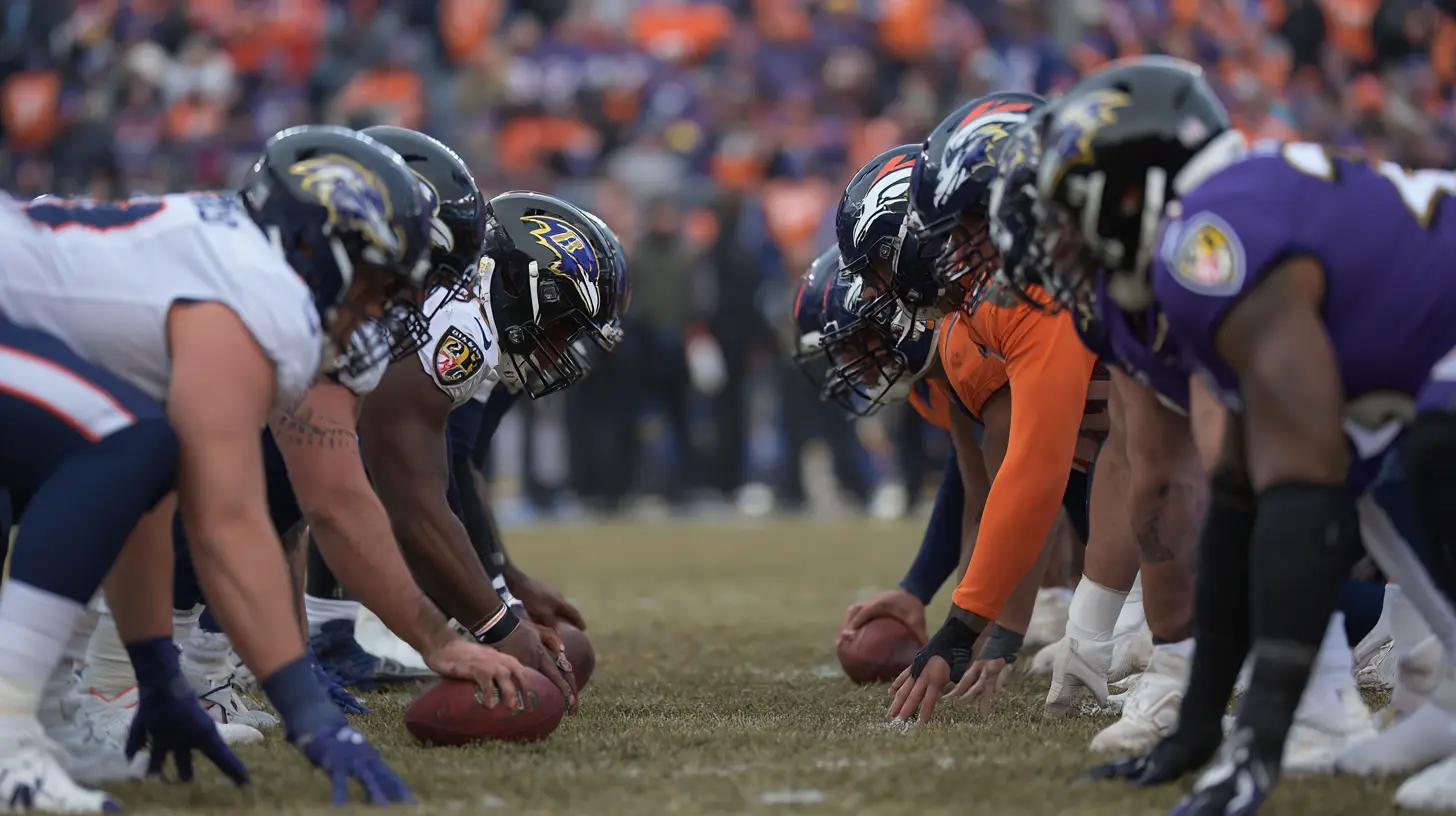
Quarterback Rooms: The Ultimate Tug of War
No position battle moves the needle like the one under center. A team can survive a weak offensive line or a shaky secondary. It cannot survive poor quarterback play for long. Heading into 2026, a few quarterback rooms are genuinely unsettled, and the stakes could not be higher.The Veteran vs. The Prospect
The most common scenario involves a seasoned starter who has lost a step and a young draft pick who is knocking on the door. The tension here is real. The coaching staff wants to win now, but the front office is looking at the salary cap and the long-term trajectory.Take a team that invested a top-five pick in a quarterback two years ago. That player has shown flashes but has also made rookie mistakes well into his second year. Meanwhile, the veteran backup, who started 60 games for another franchise, provides stability and knows the offense cold.
What do you do?
The mistake most teams make is waiting too long to make the switch. They let the veteran play until the season is mathematically over, robbing the young player of valuable reps. But the opposite error is just as damaging. Throwing a raw prospect into a broken system without proper support can stunt his development permanently.
The right approach is to define clear benchmarks before the season starts. What does the young player need to show in practice to earn the job? Is it accuracy on deep throws? Faster progressions? Better pocket awareness? If you cannot articulate those benchmarks, you are just guessing.
The trade-off here is between short-term wins and long-term growth. If the defense is championship-caliber, you might be better off with the veteran who will not lose you games. If you are rebuilding, you have to eat some mistakes and let the kid play through them.
The Dual-Threat Dilemma
Another fascinating battle is between a mobile quarterback who extends plays with his legs and a traditional pocket passer who reads defenses at an elite level. The game has shifted toward mobility, but that does not mean every offense needs a runner at quarterback.The problem is that mobility is exciting. It creates highlight plays. But it also creates bad habits. Young mobile quarterbacks often bail out of clean pockets too early, missing open receivers downfield because they are looking to run. That is a hard habit to break.
The pocket passer, on the other hand, might not scare a defense with his legs, but he can pick apart a zone coverage scheme with anticipation throws. The challenge is that he needs better protection and more disciplined route running from his receivers.
What should the coaching staff prioritize? It depends on the offensive line. If the line is average at best, a mobile quarterback can mask that weakness. If the line is dominant, a pocket passer can exploit it better.
The key insight is that this is not about choosing the better athlete. It is about choosing the better fit for the system you actually run, not the system you wish you ran.
Offensive Line Battles: The Invisible Game
Nobody wants to talk about offensive line battles in July. But by October, everyone is talking about them because the season is being decided there. The 2026 season has several critical line competitions that will determine whether offenses flourish or flounder.Left Tackle: The Blind Side Priority
The left tackle position is the most important non-quarterback job on offense. He protects the quarterback's blind side and usually faces the opponent's best pass rusher. When a team has a genuine question mark here, it changes everything else.Some teams are looking at a rookie who has elite athletic traits but needs to add functional strength. Others are considering moving a solid right tackle over to the left side, a transition that is harder than it looks. Footwork is reversed. Hand placement angles change. The mental aspect of facing elite speed rushers is entirely different.
The common misconception is that a good offensive lineman can play any position on the line. That is simply not true. Guards and tackles use different skill sets. A player who excels at pulling and blocking in space might struggle mightily with the isolation required at tackle.
When evaluating this battle, look at practice reports about hand placement and recovery speed. A tackle who gets beaten cleanly in practice will get beaten cleanly in games. There is no hiding it.
Center: The Brain of the Line
Center battles are underrated because the position requires more than physical ability. The center makes protection calls, identifies blitzers, and works in tandem with the quarterback on snap counts. A center who cannot handle that mental load will sabotage the entire offense.The competition here is often between a veteran who knows the system but lacks lateral quickness and a younger player who is more athletic but less polished mentally. The veteran might win the job in August, but the young player might take over by November when the offense needs more movement in the run game.
What matters most is communication. A center who can get five grown men on the same page before the snap is worth more than one who can pancake a nose tackle. Look for chemistry between the center and the quarterback. If they are not on the same page, the offense will look disjointed no matter how talented the skill players are.
Defensive Backfield: The Chess Match
Defensive back battles are fascinating because they are so scheme-dependent. A cornerback who thrives in press-man coverage might look lost in a zone-heavy scheme. A safety who is great in the box might be a liability in deep coverage.Outside Cornerback: The Island vs. The System
The debate between man-coverage corners and zone corners never goes away. Some teams want a corner who can travel with the opponent's top receiver all over the field. Others prefer a corner who holds his zone and trusts the safeties over the top.The battle here is often between a high-priced veteran who has lost a step and a younger player who is faster but less experienced. The veteran wins on technique and route recognition. The young player wins on raw athleticism and recovery speed.
The smart coaching staff does not just look at who wins the drills. They look at who fits the matchups they will face in their division. If you play against a team with a dominant number one receiver twice a year, you need a corner who can handle that assignment. If you face spread offenses that spread the ball around, you need corners who can tackle in space and communicate well.
The mistake is falling in love with athletic testing numbers. A 4.3-second 40-yard dash is great, but if the player cannot backpedal smoothly or flip his hips without losing balance, he will get beaten by double moves all day.
Safety: The Hybrid Role
The modern safety needs to do everything. He needs to cover tight ends down the seam, come down in the box to stop the run, and play center field in deep zone coverage. Finding a player who can do all three at a high level is rare.Most safety battles come down to two types of players. The first is a box safety who is essentially a linebacker in coverage. He is great against the run and can blitz effectively, but he struggles when asked to cover athletic receivers one-on-one. The second is a range safety who is more of a cornerback playing deeper. He covers ground well but might not be physical enough at the point of attack.
The best defensive coordinators adjust their scheme to the strengths of the player who wins the job. They do not force a square peg into a round hole. If the box safety wins, they play more single-high coverage and ask the corners to be more aggressive. If the range safety wins, they play more two-high looks and try to confuse the quarterback.
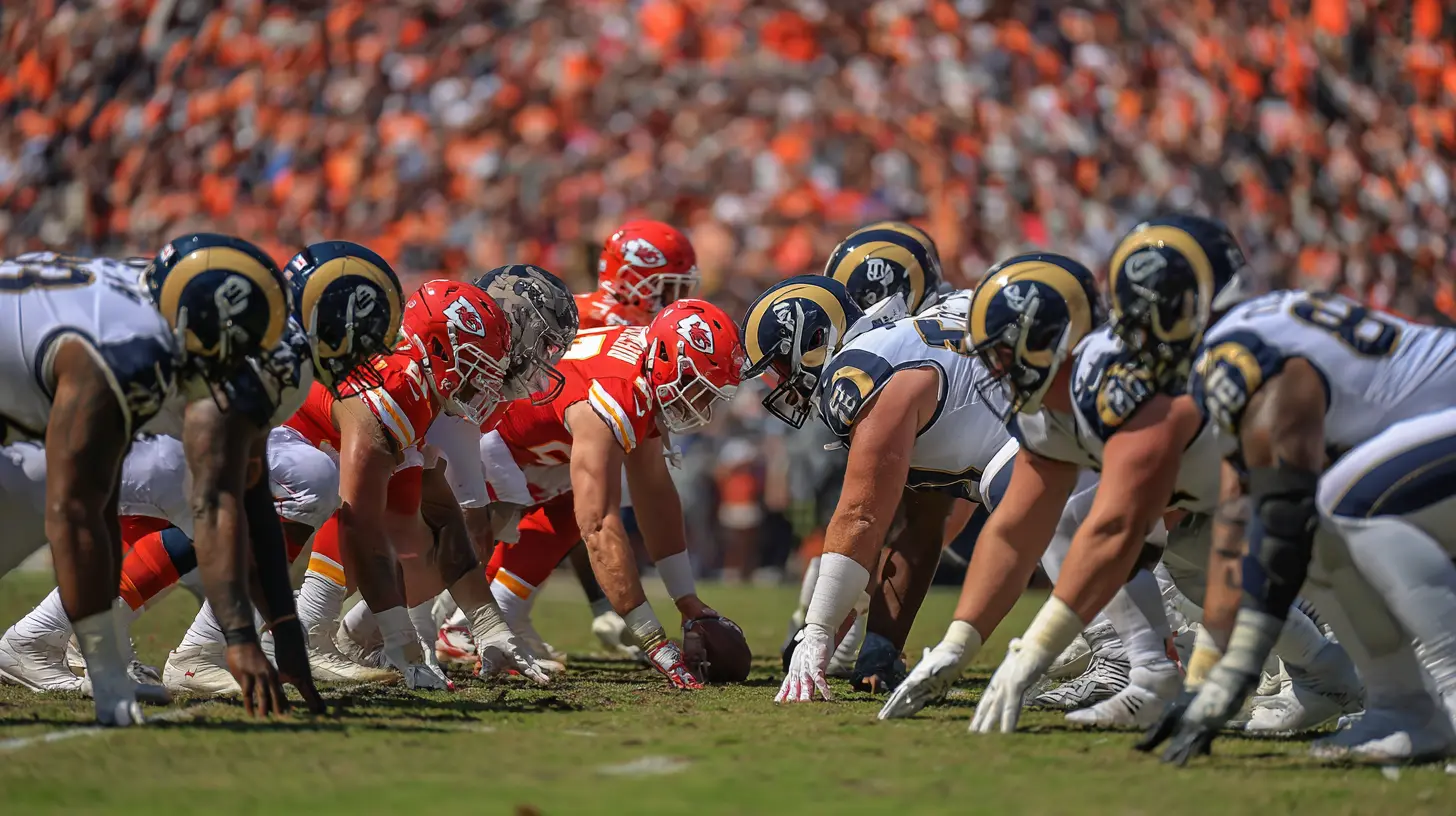
Wide Receiver Groups: More Than Just Speed
Wide receiver battles get a lot of attention because they are visible. Fans see drops and spectacular catches. But the real evaluation happens away from the ball.The X Receiver vs. The Slot Specialist
The X receiver lines up on the line of scrimmage and faces press coverage. He needs to win with release moves and physicality. The slot receiver works in the middle of the field and needs to be quick in short areas and fearless over the middle.Some teams have a genuine battle between a big-bodied outside receiver who can win contested catches and a quicker slot receiver who gets open underneath. This is not about who is the better player. It is about what the offense needs.
If the quarterback has a strong arm and likes to push the ball downfield, the X receiver is more valuable. If the quarterback excels at quick timing throws and reading coverage before the snap, the slot receiver might be the better weapon.
The mistake is thinking that the more talented receiver should always start. Football is about fit. A receiver who demands targets but cannot consistently win his matchups hurts the offense even if he makes a spectacular catch once a game.
The Route Runner vs. The Deep Threat
Another classic battle is between a receiver who runs precise routes and catches everything short and intermediate versus a burner who takes the top off the defense. The route runner is more reliable and will help sustain drives. The deep threat opens up space underneath for everyone else.This is a genuine trade-off. You cannot have both on every play. The coaching staff needs to decide what identity they want on first and second down. If they want to be efficient and control the clock, the route runner should be on the field. If they want to take shots and create explosive plays, the deep threat needs the opportunity.
The key is not to think of this as a permanent decision. Game plans can change week to week. The player who starts the season on the bench might be the focal point of the game plan by Week 6. Being adaptable is more important than being right in August.
Defensive Line and Edge Rushers: Setting the Tone
Defensive line battles are about more than sacks. They are about setting the tone against the run and creating pressure with four-man rushes so the coordinator does not have to blitz.The Run Stopper vs. The Pass Rusher
This is the oldest trade-off in football. A run-stopping defensive end is stout at the point of attack and sets the edge. He will not give you many sacks, but he will force running plays back inside where the linebackers can make tackles. A pass-rushing specialist is explosive off the edge but can be pushed around in the run game.The coaching staff has to decide what down and distance situations matter most. On first and second down, the run stopper is more valuable. On third and long, you want the pass rusher. The best teams rotate these players rather than forcing one to do everything.
The misconception is that a player who is not a great run defender cannot play on early downs. That is outdated thinking. If the pass rusher is elite at getting after the quarterback, you accept some run-game liability and scheme around it with linebacker fits.
The Interior Push
Battles at defensive tackle are about occupying blockers and creating disruption. A gap-penetrating tackle who shoots gaps and lives in the backfield is exciting, but he can leave running lanes open if he guesses wrong. A space-eating tackle who commands double teams frees up the linebackers but does not show up in the stat sheet.The best defensive lines have both. The question is who starts and who rotates in on passing downs. The answer depends on the offense you are facing. Against a zone-running team that wants to cut back, you need the penetrating tackle. Against a power-running team that wants to run downhill, you need the space eater.
Linebacker Corps: The Quarterback of the Defense
Linebackers are the quarterbacks of the defense. They make the calls, adjust the alignment, and have to be equally effective against the run and the pass. This is the hardest position group to evaluate because so much of the job is mental.The Thumper vs. The Coverage Linebacker
The thumper is a physical presence against the run. He fills gaps with violence and punishes ball carriers. But he can be a liability in coverage, especially against athletic tight ends or running backs in the passing game.The coverage linebacker is lighter and faster. He can run with receivers and make plays in space. But he might struggle to take on blocks from offensive linemen and get washed out of run plays.
The trend in recent years has favored the coverage linebacker because the passing game is so dominant. But that has created a vulnerability against physical run teams. The best defenses have both types and use them situationally.
The mistake is trying to make a thumper into a coverage linebacker by dropping him into zone and hoping he can read the quarterback. He cannot. Play to his strengths or find a different player.
The Middle Linebacker Communication Factor
Whoever wins the middle linebacker job has to be the vocal leader of the defense. He has to get everyone lined up correctly before the snap. If he cannot do that, the entire defense will be a step slow and vulnerable to explosive plays.This is why some middle linebacker battles are won by the less athletic player. The player who makes the calls correctly and gets everyone in the right position is more valuable than the one who makes spectacular tackles but lines up the defense wrong.
Special Teams: The Forgotten Battles
Special teams battles rarely get headlines, but they win and lose games. A kicker who is automatic from inside 50 yards is a weapon. A punter who can pin opponents inside the 10-yard line changes field position battles.Kicker Confidence
Kicker battles are psychological more than physical. Both players can make the kicks in practice. The question is who handles the pressure when the game is on the line.The best way to evaluate this is not just to look at practice stats but to simulate game pressure. The coaching staff should create high-stress situations in practice and see who responds. The kicker who makes the kick when the entire team is watching and the stakes are artificially high is the one you want.
Returner Roles
Returner battles are about decision-making as much as speed. A returner who takes a touchback out of the end zone and gets tackled at the 15-yard line is hurting the team. A returner who calls for a fair catch and saves the offense five yards of field position is helping.The coaching staff needs a returner who is fearless but also smart. That is a rare combination. Most returners are either too cautious and give up opportunities or too aggressive and make costly mistakes.
What Actually Wins These Battles
Beyond the physical talent and the scheme fit, there are a few factors that consistently separate the winners from the losers.Availability and Consistency
The best ability is availability. A player who is always hurt cannot help you win. The coaching staff has to weigh injury history heavily. A player who misses a third of the season every year is not reliable, no matter how talented he is.Consistency matters too. A player who has a great practice one day and a terrible practice the next is not ready. The winner of a position battle is usually the player who shows up every day and does his job without the coaching staff having to worry about him.
Mental Toughness
The NFL season is a grind. By Week 12, everyone is banged up and tired. The players who can push through that and still perform at a high level are the ones you want starting.This is hard to evaluate in training camp. You cannot simulate the fatigue of a full season. But you can look at how a player responds to adversity. Does he bounce back after a bad play? Does he get frustrated and make more mistakes? These are clues about how he will handle the inevitable ups and downs of a season.
The Coaching Staff's Agenda
Here is the uncomfortable truth. Sometimes the best player does not win the battle. The coaching staff might have a mandate from the front office to develop a young player, even if it costs some games in the short term. Or they might be loyal to a veteran who has been with the team for years.As a fan, you need to understand the context. If the general manager drafted a player in the first round, that player is going to get every opportunity to win the job. The coaching staff's job security is tied to the front office, and they know it.
Final Thoughts on the 2026 Battles
Position battles are not just about picking the best player. They are about building a cohesive unit that can execute a specific vision. The teams that win these battles are the ones that have a clear idea of who they want to be and choose players who fit that identity.The teams that lose these battles are the ones that make decisions based on emotion, loyalty, or a desire to please the fan base. They start the player with the bigger name instead of the player who makes the team better.
As you watch these competitions unfold, pay attention to the details. Watch how players respond to coaching. Watch how they interact with their teammates. Watch how they perform in situational drills, not just the highlight plays.
The 2026 season will be defined by these battles. The teams that make the right calls will be playing in January. The teams that make the wrong calls will be making excuses in December. It is that simple and that complicated.
all images in this post were generated using AI tools
Category:
Preseason AnalysisAuthor:

Everett Davis
Discussion
rate this article
1 comments
Finnian McDowney
As we approach 2026, these position battles will shape the team's future. It's crucial for coaches to evaluate talent rigorously and make tough choices. The right decisions now will lead to success on the field when it counts most.
September 9, 2026 at 11:01 PM
Everett Davis
Absolutely, getting these evaluations right will be key. The outcomes of these battles can define our team's trajectory. Let's hope the coaches are up for the challenge.