Breaking Down the Cross-Town Rivalry Clash
4 July 2026
Let’s face it—there’s nothing quite like a good ol' cross-town rivalry to get the adrenaline pumping. Whether it's under the Friday night lights, on pro-level turf, or even in a college-packed stadium, when two teams from the same city square off, you can forget about records, rankings, or recent form. For 90 gritty minutes (or four physical quarters), it’s all about pride, bragging rights, and that deep-rooted urge to be the kings of the town.
But what exactly makes a cross-town clash so intense? Why do these rivalries feel just a bit more personal, a tad more electrifying, and significantly more unpredictable than your average matchup?
Let’s pull this rivalry apart, piece by piece, and see what makes it tick.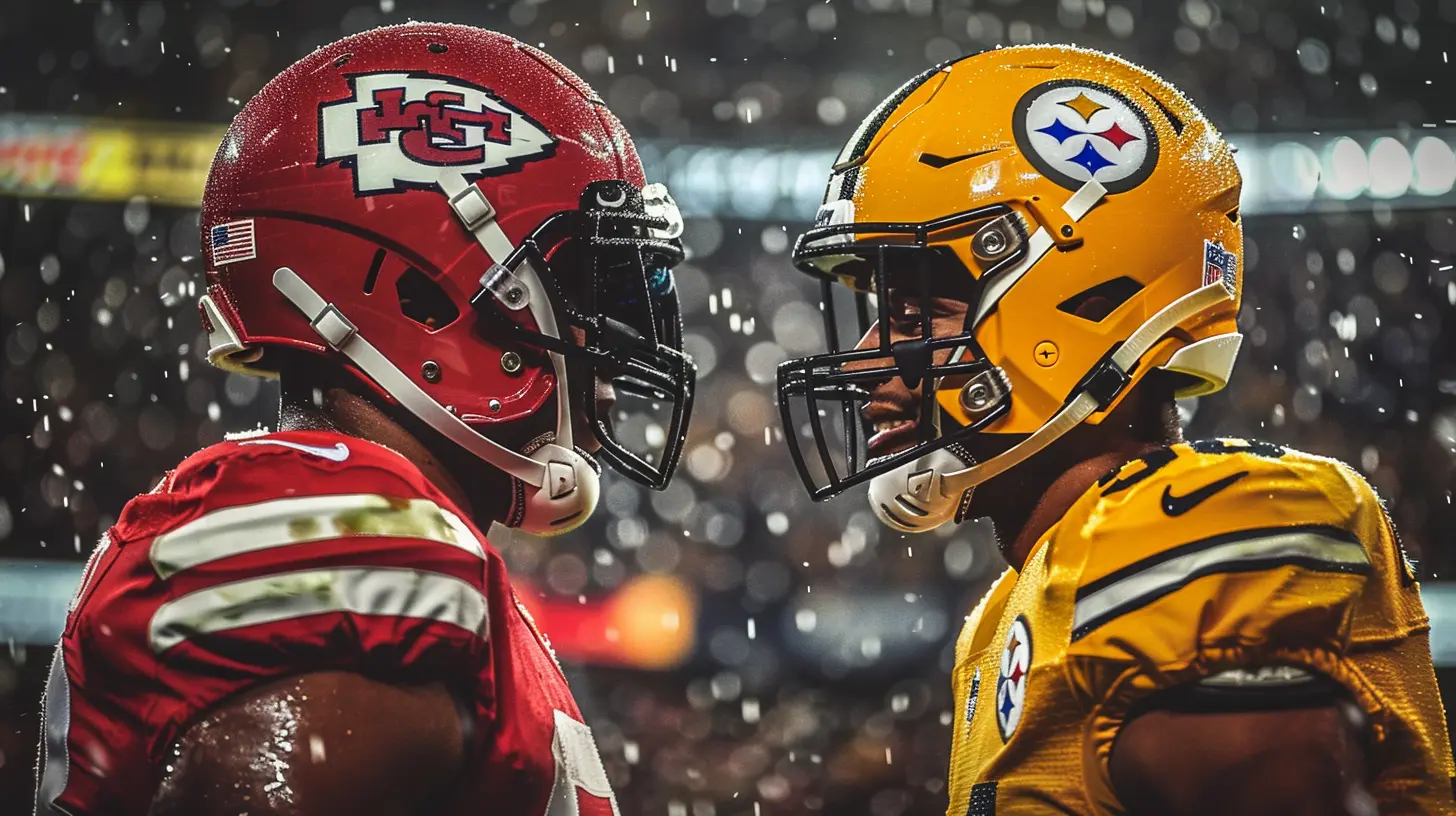
What Is A Cross-Town Rivalry?
At its core, a cross-town rivalry is when two teams from the same city—or even just the same region—go toe-to-toe. Think of the Yankees vs. Mets in baseball, AC Milan vs. Inter Milan in soccer (yes, same stadium too!), or the Lakers vs. Clippers in the NBA.These aren’t just games. They're battles laced with civic pride, long-standing grudges, and decades of history. With both fanbases sharing the same streets, restaurants, and sometimes even families (awkward, right?), these matches carry more weight than most.
The Soul of the Rivalry: History and Legacy
Let’s break this down further. The fuel behind these fiery matchups? History.Cross-town rivalries often date back generations. The roots of the rivalry could lie in political divisions, socioeconomic disparities, cultural differences, or even the simple fact that two clubs were founded within spitting distance of each other.
Take the Red Sox and Yankees—though not cross-town by geography, they carry that same venom. Now shrink the distance, toss both squads in one metro area, and you've basically weaponized the passion.
Generations of Loyalty
These rivalries aren’t forgotten the day after the match. They’re passed on like heirlooms. Grandpa’s still ranting about that dodgy call in ‘76. Your older sibling still won’t wear the other team’s color. It runs deep.
It's More Than Just a Game
Ask any athlete or coach involved, and they’ll tell you: these games are different.The Atmosphere Hits Different
It starts before kickoff. The buzz around town is electric. Bars fill up early, social media explodes, and ticket prices skyrocket. You see flags in windows, jerseys in coffee shops—you can literally feel the tension.During the game? Absolute madness. Every tackle gets a louder cheer. Every goal, dunk, or touchdown ignites the stadium like a rocket. Fans are on edge, players are pumped, and the stakes feel sky-high—even if it’s a mid-season fixture.
The Psychological Warfare
Cross-town rivalries test more than skill—they test mental strength. Players are hyped, sometimes downright nervous. Being sleep-deprived before a game like this? Totally normal. Some athletes mention they feel more pressure here than in playoff games. Why? Because you’re not just playing for the win—you’re playing to not lose face in your own backyard.Can you imagine having to walk through YOUR hometown in the opposing team’s shirt after a loss? Brutal.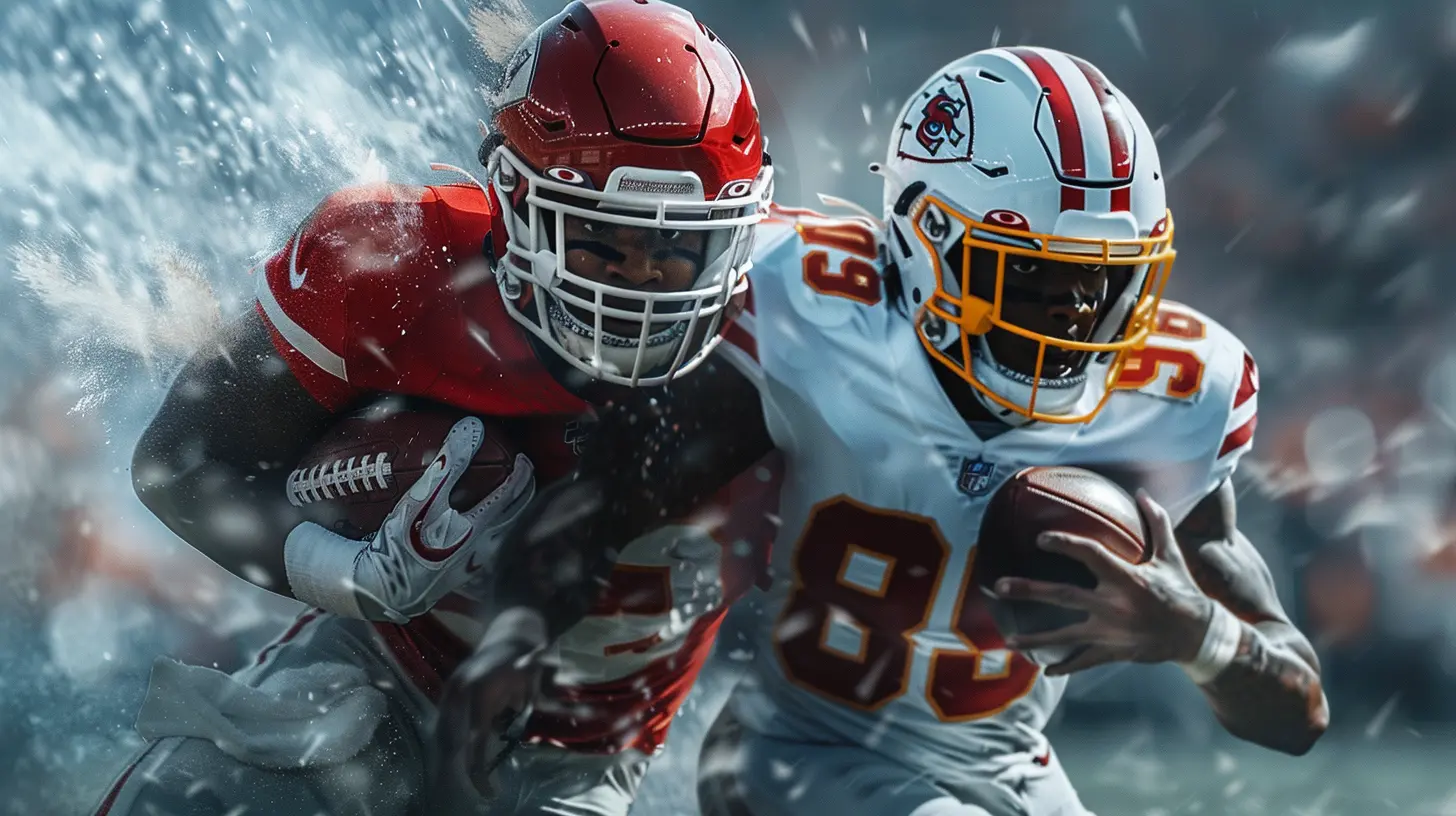
Fans: The True Fire Starters
Let’s not ignore the real MVPs here—the fans.Divided Cities, Unified Passion
What makes these rivalries so fascinating is how they divide a city right down the middle. It’s like civil war but with fewer casualties (hopefully). In some towns, your team allegiance might define your identity as much as your neighborhood or favorite pizza place.You might even marry into a household that supports “the other side.” Friendly dinner conversations? Yeah, good luck with that during rivalry week.
Social Media Smackdowns
Back in the day, trash talk was just face-to-face. Now? It’s a full-blown digital warzone. Memes, highlight reels, GIFs, Twitter rants, TikTok dances after wins—it’s rowdy, hilarious, and sometimes savage. But hey, that’s part of the fun.Breaking Down Legendary Rivalry Clashes
To really get a feel for how heated things can get, let’s unpack a few legendary matchups that have redefined "cross-town intensity."1. AC Milan vs. Inter Milan – The Derby della Madonnina
Same city. Same stadium. Different philosophies.This is more than Serie A—it’s about Milanese honor. AC Milan once stood for the working class; Inter was the club of the bourgeoisie. That identity clash only intensified the drama. Whenever these two collide at the San Siro, expect fireworks.
2. Dodgers vs. Angels – Freeway Series
Los Angeles fans have it good. Two major league baseball teams sharing the Southern California sun, and yet, there's enough bad blood to fill Dodger Stadium twice over. The Freeway Series isn't just about who's better—it's about locking down L.A.’s baseball soul.3. Manchester United vs. Manchester City
Though a bit more of a regional disparity at first, City’s rise in recent years has turned Manchester into a football battlefield. Every derby is a chance for United to remind City of their legacy—and for City to show how times have changed.The Tactics on Turf
Let’s not forget the tactical differences that emerge in these heated contests.Strategy vs. Emotion
It’s a delicate balance. Coaches know that players might act on emotion. Maybe take a risky shot. Go for the big hit. Sometimes that’s a blessing. Other times, it’s a recipe for disaster.The best teams? They turn that emotion into fuel without letting it cloud their game plan. Precise passing, structured defense, and cold-blooded finishing win rivalries. Not just yelling louder.
The Wild Cards
Here’s the thing: rivalries often produce unexpected heroes. The under-rated substitute who scores the winner. The veteran who pulls out a world-class save. It’s almost like these games have their own script—one written by passion, not punditry.The Aftermath: Win or Cry Trying
So what happens after the final whistle?Victory Feels Sweeter
Winning a rivalry game? Oh man, it hits different. You're not just taking home three points or climbing in the standings—you’re taking a city-wide victory lap. Fans party till sunrise, players drop iconic Instagram posts, and media coverage runs wild. It’s everything.Losing Stings More
Flip the coin? Yikes. Losing a regular game means regroup and move on. Losing a cross-town battle? Prepare for side-eyes at the grocery store, relentless memes, and awkward Mondays at work.Why We Love It So Much
Let’s be honest: these games are messy, noisy, emotional rollercoasters—and that’s exactly why we can’t get enough.Raw, Real, and Relatable
Rivalry games feel human. They’re about loyalty, jealousy, redemption, and pride—the very stuff that makes us tick. Whether we're watching from miles away or yelling from the bleachers, we feel connected to something bigger than the sport.You’re not just watching your team—you’re rooting for your side of the city.
The Future of Cross-Town Clashes
As cities grow and sports evolve, rivalries morph too. Expansion teams enter the mix, new stadiums rise, and players move more frequently. But the spirit of these clashes? That’s staying put.More Than Nostalgia
Yes, the old stories are epic. But even new rivalries are catching fire. Take LAFC vs. LA Galaxy in MLS. Barely a decade old, and already one of the most electric atmospheres in American soccer.The point? It’s not about age—it’s about identity. As long as teams, fans, and cities have something to fight for, rivalries will never go out of style.
Final Thoughts
Breaking down the cross-town rivalry clash is like tracing the veins of a beating heart. It’s chaotic, beautiful, a little irrational, and totally thrilling. These matchups aren’t just about the scoreboard—they’re about honor, tradition, and emotion.And whether you win or lose, you remember these games forever.
So next time your team squares off against city rivals, grab your jersey, scream louder, maybe even throw a playful jab on social—and soak in every single moment. Because rivalries? They're what sports are all about.
all images in this post were generated using AI tools
Category:
Game PreviewsAuthor:

Everett Davis
Discussion
rate this article
1 comments
Kira McDonough
This rivalry clash is always intense. Both teams bring their A game, and the atmosphere is electric. Fans can expect a hard-fought battle that could define the season for either side... Let the showdown begin!
August 1, 2026 at 4:57 AM
Everett Davis
Absolutely, this rivalry never disappoints. The energy is palpable, and every match feels crucial. Can't wait to see who comes out on top this time!