Emerging Treatments for Common Sports Injuries in 2027
17 October 2026
If you have spent any real time around sports, you know the drill. You tweak a hamstring, you ice it, you rest, you wait. Then you do it all over again six weeks later because the underlying problem never got fixed. That cycle has frustrated athletes and clinicians for decades. By 2027, the way we handle common sports injuries is shifting in ways that feel less like guesswork and more like actual engineering. Not everything labeled "emerging" deserves your money or your trust, though, and that is exactly what this article is here to sort out.
I have worked with and around athletes long enough to watch plenty of hype cycles come and go. PRP was going to cure everything. Then it was stem cells. Then it was cryotherapy chambers that cost more than a used car. Some of these tools stuck around because they earned it. Others quietly disappeared. The treatments below are the ones gaining real traction as we move through 2027, and I will tell you where they shine, where they fall short, and how to think about them without getting swept up in marketing.
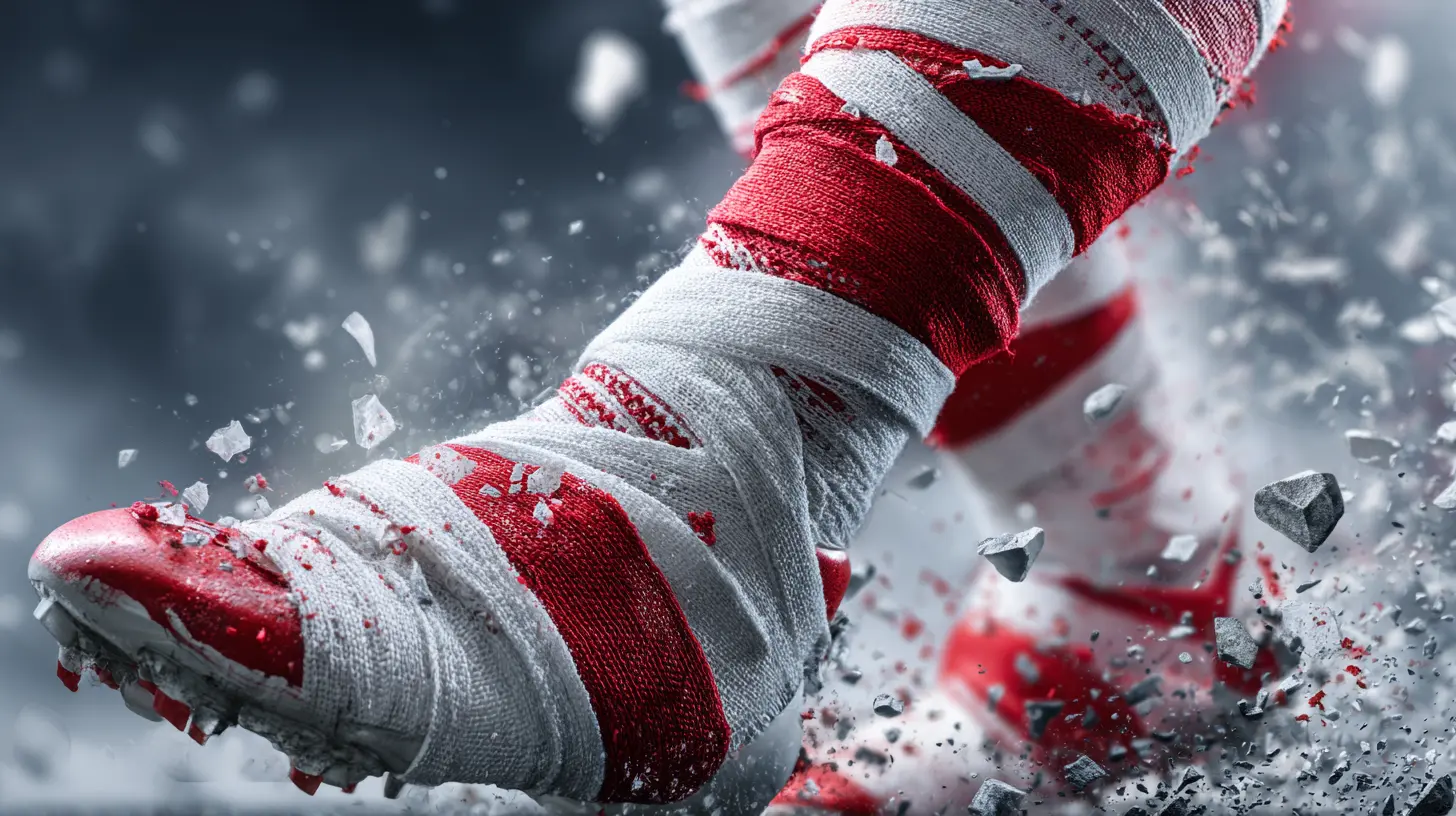
Why Injury Treatment Is Changing So Fast
Three forces are pushing sports medicine forward right now.First, imaging and diagnostics have gotten dramatically better at catching problems before they become catastrophic. Wearable sensors and portable ultrasound let clinicians see tissue stress in real time rather than waiting for an MRI weeks later.
Second, our understanding of healing has matured. We now know that inflammation is not the enemy. It is a necessary stage of repair. That single realization has reshaped how we treat sprains, strains, and tendon pain.
Third, athletes themselves are demanding faster, more durable fixes. A weekend warrior with a torn calf does not want to hear "rest for three months." A professional with a contract on the line wants to know exactly how many days until they can sprint again.
The result is a treatment landscape that is more personalized, more biological, and more data-driven than anything we had a decade ago.
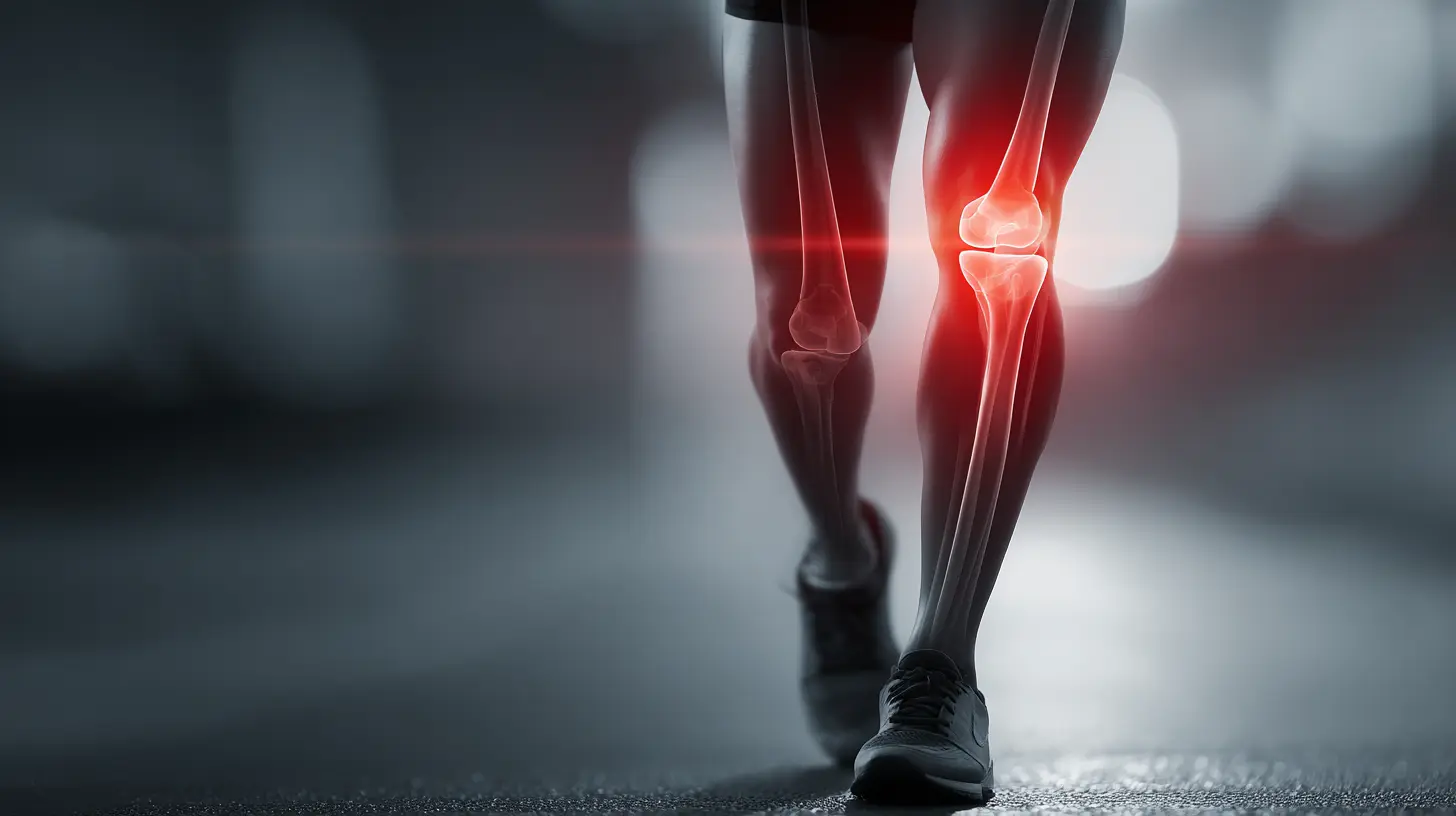
Biologic Injections: Smarter, Not Just Stronger
Biologic injections use your own tissue or blood products to nudge healing along. The category is broad, and the quality varies wildly. Here is the honest breakdown.Platelet-Rich Plasma, Refined
PRP has been around long enough that it is no longer truly "emerging," but the way it is prepared and used in 2027 is very different from the early days.Early PRP was a blunt instrument. You drew blood, spun it down, and injected whatever you got. Results were inconsistent, which is why some studies showed benefit and others showed nothing.
Today, clinics are far more precise about platelet concentration, leukocyte content, and injection timing. The key insight is that more platelets is not automatically better. Past a certain concentration, the growth factors can actually work against you. The sweet spot tends to sit in a moderate range, and getting there requires knowing your centrifuge and your protocol.
When it works: chronic tendon problems like tennis elbow, patellar tendinopathy, and Achilles issues that have stalled out after months of proper loading.
When it does not: acute muscle tears where the body is already healing efficiently on its own. Injecting PRP into a fresh hamstring strain rarely speeds things up meaningfully.
Common mistake: Getting a single injection and skipping rehab. PRP does not build tissue. It creates an environment where loading can build tissue. Without the loading, you have paid for nothing.
Bone Marrow Aspirate Concentrate
Bone marrow aspirate concentrate, usually shortened to BMAC, takes a sample from your hip and concentrates the cells and signaling molecules found there. It is more invasive than PRP and considerably more expensive.The appeal is that bone marrow contains a broader mix of cells and growth factors than blood does. For cartilage defects and certain ligament injuries, this broader cocktail may offer more than PRP alone.
The trade-off is real. You are paying for a procedure that involves drilling into bone, and the evidence base is still catching up to the enthusiasm. For a partial ACL tear in an athlete who wants to avoid surgery, BMAC plus a structured rehab program is a reasonable conversation to have with a qualified physician. For a routine ankle sprain, it is overkill.
What to Ask Before You Agree to Any Injection
- What is your specific protocol, and how many of these have you done?- What does the evidence say for my exact injury, not injuries in general?
- What does the rehab plan look like after the injection?
- What happens if this does not work, and does that change my options later?
- What is the total cost, including follow-up visits?
If a clinic cannot answer these clearly, walk away. Enthusiasm is not a substitute for a plan.
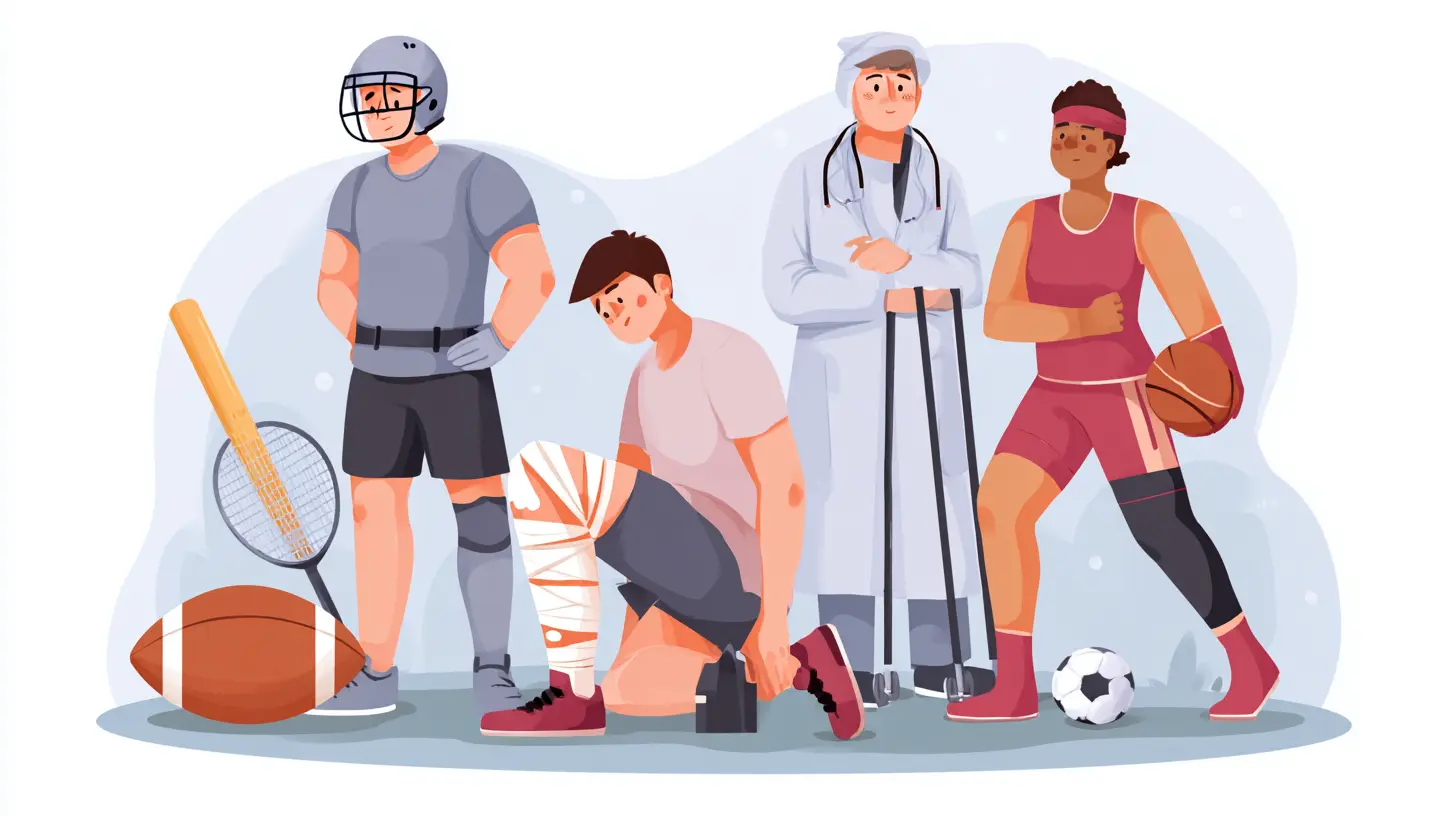
Regenerative Approaches Beyond Injections
Injections get the headlines, but some of the more interesting work in 2027 is happening in how we deliver energy and mechanical signals to healing tissue.Focused Shockwave Therapy
Shockwave therapy sends acoustic pulses into damaged tissue. The pulses create controlled micro-trauma that restarts a healing response in tissue that has gone quiet.This is genuinely useful for chronic tendinopathy, particularly in the heel and elbow. It is not comfortable. Most patients describe it as a deep, dull ache during treatment, and some feel sore for a day or two afterward.
Why it works: chronic tendon problems often involve tissue that has stopped responding to normal repair signals. Shockwave essentially wakes it up.
When to skip it: acute injuries, open wounds, and areas over major nerves or blood vessels. It is also not a stand-alone fix. You still need progressive loading.
Ultrasound-Guided Tenotomy and Needling
Using ultrasound to guide a needle precisely into damaged tendon tissue allows a clinician to break up scar tissue and stimulate a localized healing response. This is sometimes called tenotomy or percutaneous needling.The precision matters. Ten years ago, this was done somewhat blind. Now, real-time imaging means the needle goes exactly where it needs to go.
Best suited for: jumper's knee, rotator cuff tendinopathy, and chronic gluteal tendon issues.
Realistic expectation: this is not a one-and-done miracle. Most protocols involve several sessions spaced weeks apart, combined with a loading program.
The Rise of Personalized Rehab Protocols
Here is something that does not get enough attention. The biggest gains in 2027 are not coming from fancy technology. They are coming from the fact that rehab is finally being tailored to the individual rather than handed out like a generic pamphlet.Genetic and Biomarker Testing
Some clinics now use simple blood markers to gauge how an athlete's body handles inflammation and tissue repair. Someone with a strong inflammatory response might benefit from a different loading schedule than someone whose response is muted.I want to be careful here. This is not about telling you that your genes doom you to bad hamstrings. It is about adjusting timelines and intensities based on how your body actually behaves. The science is still developing, and I would treat any clinic promising genetic certainty with healthy skepticism.
Force Plate and Sensor-Driven Progressions
Force plates measure how much load you can put through a limb and how symmetrically you move. Wearable sensors track gait, jump height, and landing mechanics during real activity.The practical value is simple. Instead of guessing when you are ready to return to sprinting, you measure it. If your involved leg is producing 85 percent of the force of your healthy leg, you are not ready, no matter how good you feel.
This is one of the clearest examples of why 2027 rehab is better than 2017 rehab. We stopped relying on feel and started relying on numbers.
Blood Flow Restriction Training: Underrated and Misunderstood
Blood flow restriction training, or BFR, involves wrapping a cuff around a limb to partially restrict blood flow while you exercise with light weights.The magic is that it lets you build muscle and strength with loads that would normally be too light to do much. That matters enormously when you are recovering from surgery or a significant injury and cannot handle heavy weight.
Why it works: the restricted blood flow creates a metabolic environment similar to what heavy lifting produces, triggering muscle growth and strength adaptations without the joint stress.
Common mistakes:
- Using a cuff pressure that is too high, which makes the session needlessly painful and risky
- Treating it as a replacement for heavy training once you are cleared for it
- Skipping proper supervision, especially in the early stages
When to use it: post-surgical quad weakness, Achilles rehab, and any situation where you need to maintain muscle without loading the injured structure heavily.
When not to use it: if you have a history of blood clots, certain vascular conditions, or you are working with an untrained provider. This is not a DIY tool.
Recovery Technology That Actually Earns Its Place
The recovery market is packed with gadgets promising to speed healing. Most of them do far less than the marketing suggests. A few have earned a spot.Photobiomodulation
Also known as red light therapy, photobiomodulation uses specific wavelengths of light to influence cellular energy production and reduce pain.The evidence is mixed but not empty. For localized muscle soreness and some tendon issues, it may provide modest benefit. For serious structural damage, it is not going to rebuild anything.
Practical advice: if you use it, use it consistently and on a specific area. Sitting in a full-body light pod for ten minutes and expecting systemic recovery magic is not how this works.
Contrast Baths and Heat-Cold Cycling
Alternating hot and cold water is an old practice that still holds up for managing swelling and improving circulation in the later stages of healing.The nuance most people miss is timing. In the first 48 to 72 hours after an acute injury, you generally want to avoid aggressive heat because it can increase swelling. Once the acute phase passes, contrast therapy can help move fluid and reduce stiffness.
What to Ignore
Compression boots feel nice. They may help with perceived recovery and circulation. They will not heal a torn muscle faster. Cryotherapy chambers are expensive and the evidence for meaningful recovery benefit is thin. If you enjoy them and can afford them, fine, but do not build your rehab plan around them.Return to Sport: The Decision That Matters Most
Getting back to your sport is the goal. Getting back too soon is how you end up back in the clinic.The best practitioners in 2027 use a combination of criteria, not a calendar.
- Pain and swelling are controlled during daily activities
- Full range of motion is restored
- Strength is within 90 percent of the uninjured side
- You can perform sport-specific movements at full speed without compensation
- You have completed a progressive loading program that mimics the demands of your sport
Notice that none of these say "six weeks." Timelines are useful for planning, but they should never be the deciding factor.
A common misconception is that if you feel fine, you are fine. Pain is a poor guide in both directions. Some serious injuries do not hurt much once the initial swelling goes down. Some minor ones hurt for a long time. Trust the measurements, not the feeling.
How to Choose a Provider in 2027
The treatment matters, but the person delivering it matters more.Look for someone who:
- Asks about your goals, not just your injury
- Explains the reasoning behind a recommendation
- Has a clear plan for what happens if the first approach fails
- Uses objective testing to guide decisions
- Is honest about what the evidence does and does not support
Be wary of anyone who promises a fixed timeline, guarantees results, or pushes expensive interventions before you have tried basic loading and rehab.
Putting It All Together
The best injury treatment in 2027 is not a single injection or gadget. It is a sequence. Calm the acute problem, restore motion, rebuild strength, and then progressively expose the tissue to the demands of your sport.Biologics, shockwave, BFR, and sensor-driven rehab are tools in that sequence. They are not shortcuts around it.
If you take one thing from this, let it be this. The athletes who recover best are the ones who treat rehab as training, not as waiting. The technology helps, but the work is still yours to do.
all images in this post were generated using AI tools
Category:
Injury UpdatesAuthor:

Everett Davis