How a Rookie Stunned the World in the 2026 Finals
3 October 2026
The final buzzer had not even sounded when the arena fell into that strange, electric silence you only hear when something impossible is happening in real time. A 19-year-old rookie, barely a season removed from college, stood at the free-throw line with the championship hanging on his fingertips. Nobody in the building, and nobody watching at home, had predicted this moment belonged to him.
That is the thing about the 2026 Finals. It was not supposed to be a rookie's stage. It was supposed to be a coronation for the veterans, a chess match between coaches with decades of playoff scars, a series decided by the kind of cold, calculated execution that only comes with experience. Instead, it became a case study in why sports refuses to follow the script we write for it.
This article is not a recap. Plenty of those exist. What follows is a deeper look at how a first-year player ended up carrying a franchise on the biggest stage, what that tells us about modern player development, and what anyone building a team, a career, or a competitive edge can take from it.
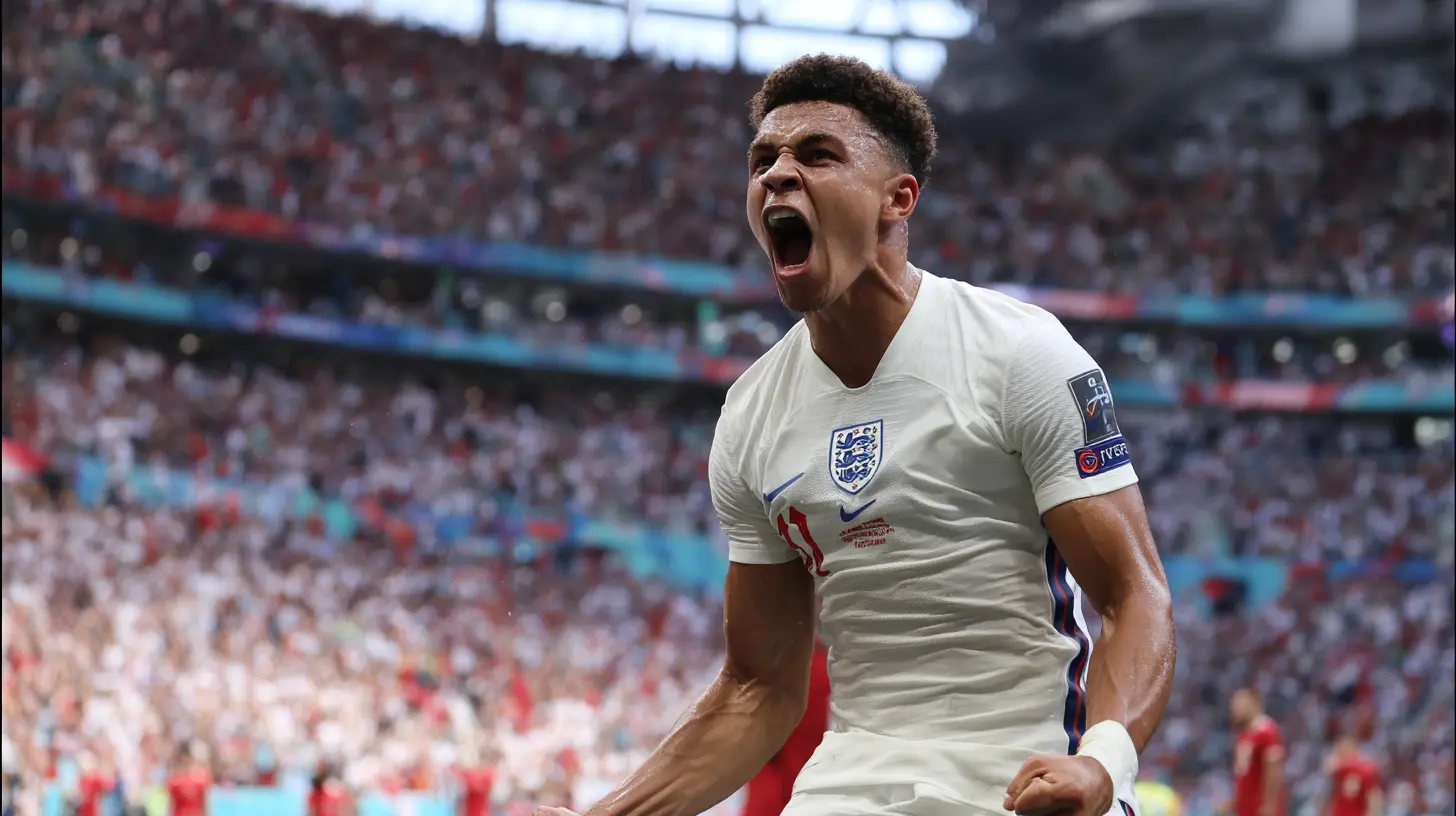
The Setup: Why Nobody Saw It Coming
To understand the shock, you have to understand the context. Rookies in the Finals are rare. Rookies who matter in the Finals are rarer still. Rookies who swing a championship are almost unheard of. The historical pattern is clear: playoff basketball punishes inexperience. Defenses get smarter, schemes get tighter, and every weakness you hid during the regular season gets exposed under a microscope.So when this rookie's team reached the Finals, the assumption was that he would be a role player at best. Maybe a spark off the bench. Maybe a decoy to draw attention away from the veteran stars. The smart money said his minutes would shrink as the series wore on, because that is what usually happens.
It did not happen. And the reasons why are more interesting than the highlight reel.
The Conventional Wisdom That Failed
Analysts leaned on a few familiar arguments:- Playoff defenses will hunt a rookie on every possession.
- A first-year player cannot handle the mental load of a seven-game series.
- Coaches will not trust a rookie in closing minutes.
- Fatigue and pressure compound, and young legs do not equal young nerves.
Every one of those points is reasonable. Most of the time, they are correct. The mistake was treating them as laws of physics rather than tendencies. Tendencies can be broken, and this rookie broke them in ways that were visible from Game 1.
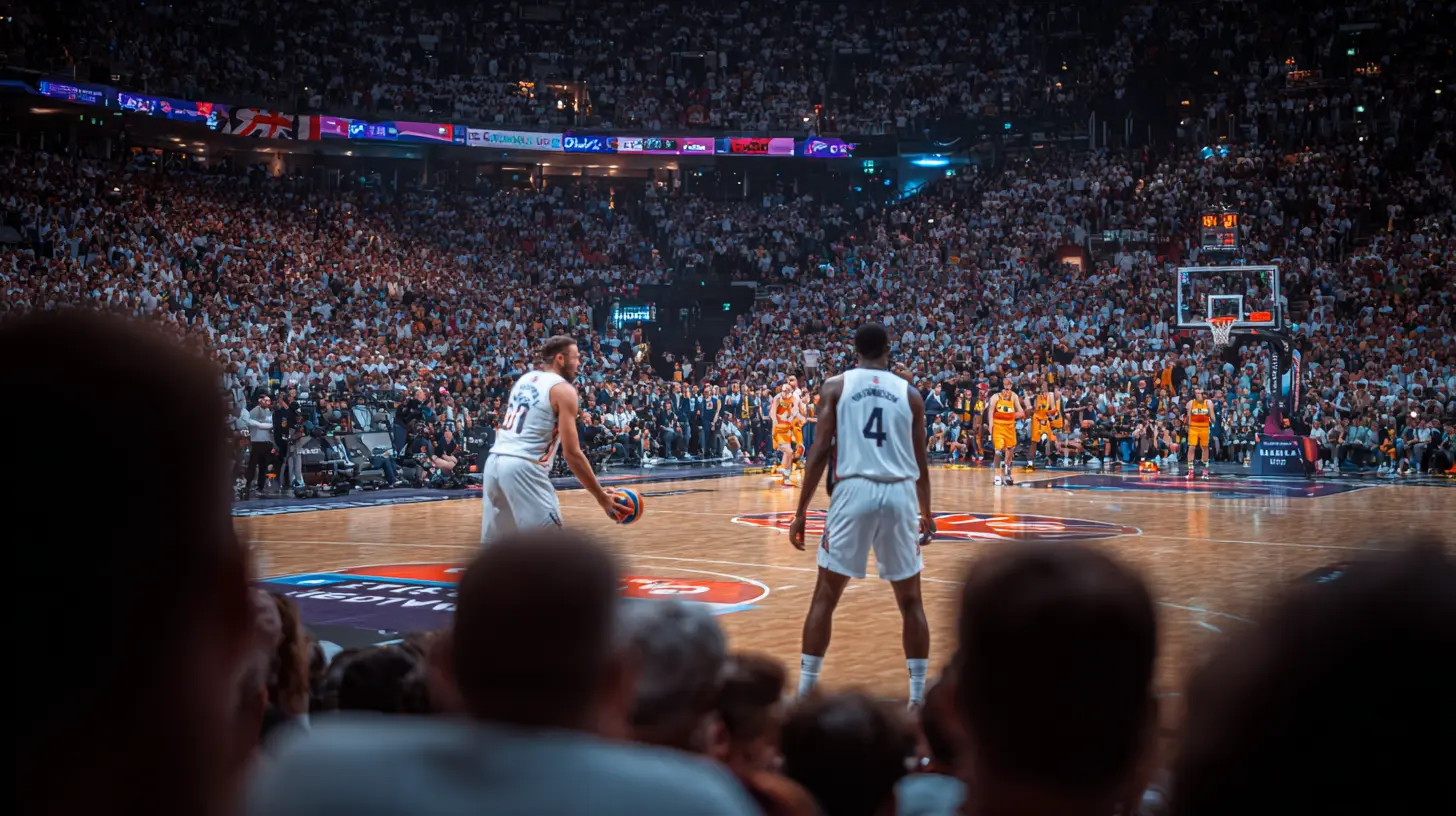
The Skills That Actually Mattered
When people talk about rookies, they usually talk about athleticism. Speed, vertical, wingspan. Those things matter, but they are not what decided this series. What decided it was something quieter and harder to measure: decision speed.Decision Speed Beats Raw Talent
Watch enough playoff basketball and you notice that the game slows down for some players and speeds up for others. The ones who struggle are not necessarily less talented. They are just processing too slowly. By the time they read the defense, the window has closed.This rookie played like the game was already in slow motion. He made the right pass a half-second before the help defender arrived. He attacked the closeout instead of settling. He recognized when a screen was a trap and when it was a genuine opportunity. None of that shows up in a box score, but it shows up in every possession.
Why does this matter for anyone trying to evaluate young players? Because decision speed is coachable, but only to a point. You can improve it with film study and repetition. You cannot manufacture it from nothing. When you are scouting or building a roster, prioritize players who make quick, correct reads over players who merely look explosive in workouts.
Defensive Versatility as a Foundation
Offense gets the headlines, but the rookie's defensive flexibility is what kept him on the floor in crunch time. He could switch onto guards without getting burned and hold his own against bigger wings. That versatility let his coach avoid the matchup hunting that normally forces rookies off the court.This is a broader lesson. In modern basketball, a player who can only do one thing on defense is a liability in the playoffs. A player who can guard multiple positions becomes a weapon, because he lets the coach stay in his preferred scheme instead of scrambling to hide a weakness.
The Mental Game Nobody Talks About
Here is the part that gets overlooked. The rookie did not just survive the pressure. He seemed to use it. In postgame comments, veterans on both teams described him as unusually calm, almost boring in his consistency. That is not an accident.Elite performers often describe pressure as a filter. It removes everything unnecessary. The rookie's approach reflected that. He did not try to win the series in one possession. He did not force shots to prove he belonged. He played the same way he had all season, which is exactly what coaches beg young players to do.
What the Coaching Staff Got Right
A rookie does not stun the world alone. The environment around him matters enormously. The coaching staff made several decisions that look obvious in hindsight but were genuinely risky at the time.Trusting Him Early
The easiest way to ruin a young player is to bench him after every mistake. It signals that his role is fragile and that one error will cost him minutes. That breeds hesitation, and hesitation is fatal in the playoffs.This staff did the opposite. They gave him a defined role in Game 1 and stuck with it, even after a rough stretch. That consistency gave him permission to play freely. It is a trade-off, of course. Trusting a rookie can cost you a game. But the alternative, a short leash, often costs you a player's development entirely.
Building the Scheme Around His Strengths
Rather than asking the rookie to fit into a system designed for veterans, the staff adjusted the system. They used more off-ball movement to get him open looks. They put the ball in his hands in specific actions where his decision speed gave him an edge. They avoided asking him to do things he was not ready for.This is a blueprint any organization can copy. Do not ask people to overcome their weaknesses in high-stakes moments. Put them in positions where their strengths are decisive.
Managing the Load
Fatigue is real, especially for a player who had never been through an NBA season, let alone a deep playoff run. The staff monitored his minutes carefully, used rest days strategically, and kept his workload sustainable. That is unglamorous work, but it is the difference between a rookie who fades in Game 6 and one who rises.
The Turning Point of the Series
Every championship run has a hinge. In this series, it came in Game 4.The rookie's team was down 2-1. The veterans were struggling. The opposing defense had adjusted and was daring him to beat them. For most of three quarters, it looked like the adjustment had worked.
Then something shifted. He stopped waiting for the game to come to him and started dictating. Not with reckless hero ball, but with a series of small, correct decisions that compounded. A skip pass here. A timely cut there. A defensive stop that turned into a fast break. By the time the fourth quarter ended, the series was tied, and the momentum had flipped for good.
What made this stretch remarkable was not the scoring. It was the control. He played like someone who had been in that situation a hundred times.
Common Misconceptions About Rookie Breakouts
Stories like this tend to get simplified into myths. Let us correct a few.Myth: Talent Always Wins Eventually
Talent is necessary but not sufficient. Plenty of talented rookies never break through because they land in bad situations, get injured, or never develop the mental side of the game. The 2026 story is about talent meeting preparation meeting opportunity.Myth: This Was a Fluke
Flukes happen in single games. They rarely happen across a seven-game series against elite competition. What looks like luck is usually the visible tip of years of invisible work.Myth: Any Team Can Replicate This
Not exactly. Replicating it requires a rare combination: a genuinely advanced rookie, a coaching staff willing to trust him, and a roster that can absorb the risk. If any of those pieces is missing, the same approach can fail badly.
Practical Lessons for Teams and Players
If you are building a team, coaching one, or trying to become the kind of player who rises in big moments, here is what actually transfers.For Coaches
- Define roles clearly, then defend them publicly.- Give young players a real chance to fail without permanent consequences.
- Design actions that highlight what a player does well, not what you wish he did.
- Watch decision speed, not just athletic testing numbers.
- Protect workloads. Development is a marathon, not a sprint.
For Players
- Study film for reads, not highlights.- Practice the boring stuff: footwork, passing angles, defensive positioning.
- Build routines that hold up under pressure.
- Accept that confidence comes from preparation, not from hype.
- Do not try to prove you belong. Just play the way you know how.
For Analysts and Fans
- Be careful with historical patterns. They describe averages, not individuals.- Look past the box score. The plays that matter often do not show up there.
- Give young players time before writing them off.
Why This Matters Beyond Basketball
The 2026 Finals will be remembered for the highlight. But the more useful takeaway is about how organizations handle uncertainty. Every team has a young player who might be ready for more than they are being given. Every workplace has someone whose ceiling is unclear.The temptation is always to default to experience. It feels safer. It is easier to justify. But experience is not the same as readiness, and readiness is not the same as opportunity. The teams that win over the long run are the ones that can tell the difference.
The Aftermath and What Comes Next
The rookie's life changed the moment that final buzzer sounded. Endorsements, expectations, and scrutiny arrived immediately. The harder challenge is what comes after the surprise. Defenses will adjust. Opponents will study him. The element of surprise is gone forever.History suggests that the second act is harder than the first. Players who break out unexpectedly often face a brutal adjustment period the following season, when the league has a full year of film and a clear plan to stop them. Whether he sustains this level depends on his ability to evolve, and on whether his team continues to build around his strengths instead of asking him to become something he is not.
That is the real story to watch. Not the trophy, but the trajectory.
Final Thoughts
A rookie stunning the world in the 2026 Finals was not magic. It was the collision of rare preparation, smart coaching, and a moment that demanded someone step forward. The shock came from our assumptions, not from the performance itself. When you look closely, the signs were there all along. Most of us just were not looking.
all images in this post were generated using AI tools
Category:
Historic MatchesAuthor:

Everett Davis