How College Athletes Overcome Injuries to Return to the Field
3 January 2026
Injuries. They’re the one thing every athlete dreads, yet they’re practically inevitable – especially in college sports. One wrong step, one unfortunate collision, and boom... you're sidelined. But here’s the kicker: it’s not just about the physical pain. The real battle? It’s mental.
So, how do college athletes pick themselves up, tape their bruised egos and battered limbs, and charge back onto the field like nothing ever happened? Grab your favorite sports drink and get comfy – we’re diving deep into the world of rehab, resilience, and raw determination.
The Brutal Reality of College Sports Injuries
Let’s set the stage. College athletes are not just students. They're warriors juggling textbooks and weekly workouts that’d make a Navy SEAL sweat. These young athletes are pushing their bodies to the absolute limit, sometimes on scholarships, often chasing dreams of going pro.The result? Injuries – and lots of them.
ACL tears, concussions, stress fractures, dislocated shoulders – it’s all part of the gig. According to NCAA reports, thousands of student-athletes suffer season-altering injuries annually. And for some of them, it’s career-ending.
But the inspiring part? Most of them come back stronger. And that’s exactly what we’re unpacking here.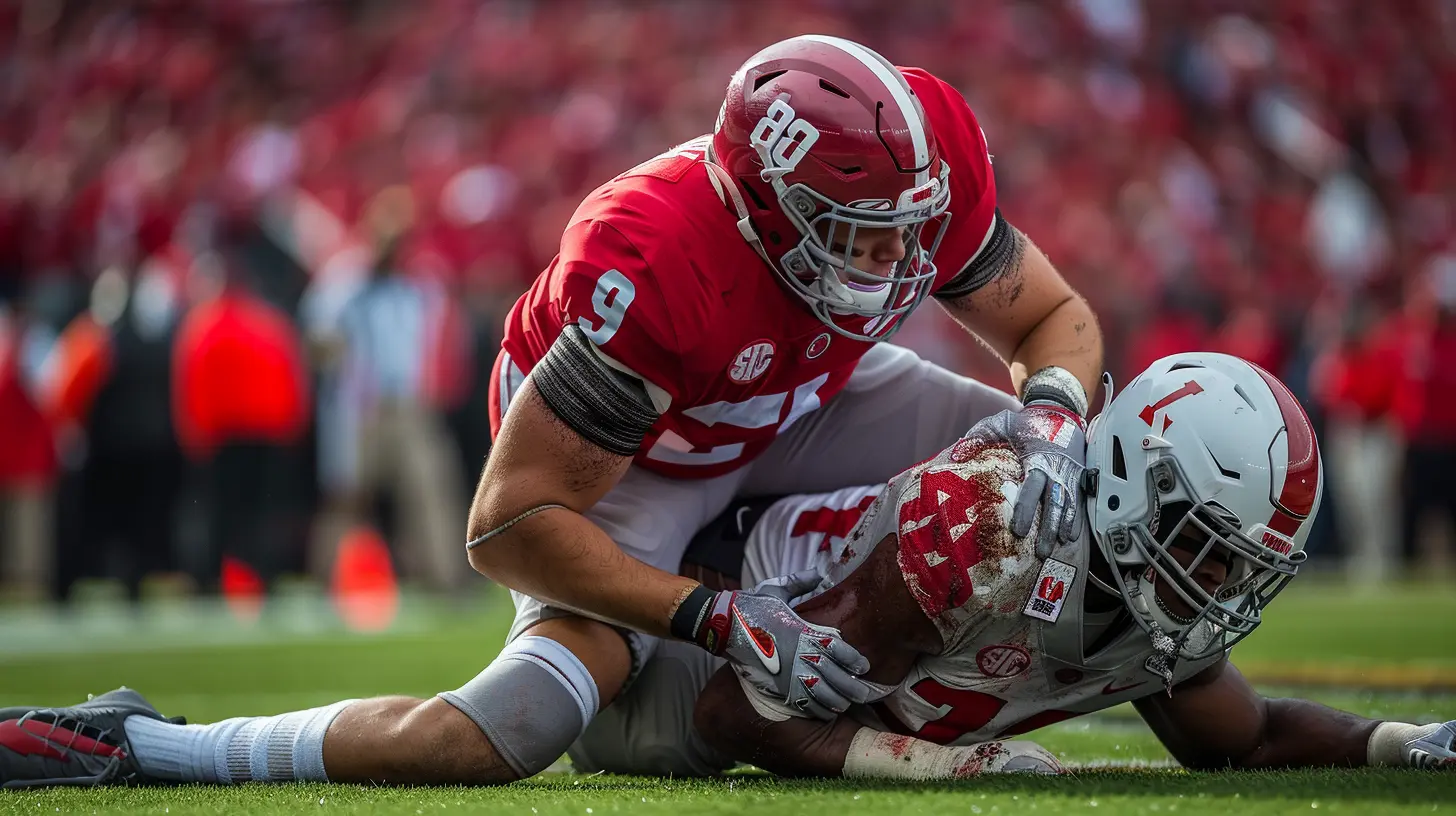
Step #1: Accepting the Injury (Even If It Sucks)
The first step? Yeah, it’s rough. It’s admitting you’re hurt. Not just sore. Not just “a little off.” Injured – the kind of hurt that benches you.This is where pride takes a hit. Some athletes try to power through, pretending nothing’s wrong – big mistake. The longer they ignore the injury, the worse it gets.
Acceptance isn’t weakness. It’s the first sign of resilience. Because you can’t begin to recover from something if you won’t admit it exists.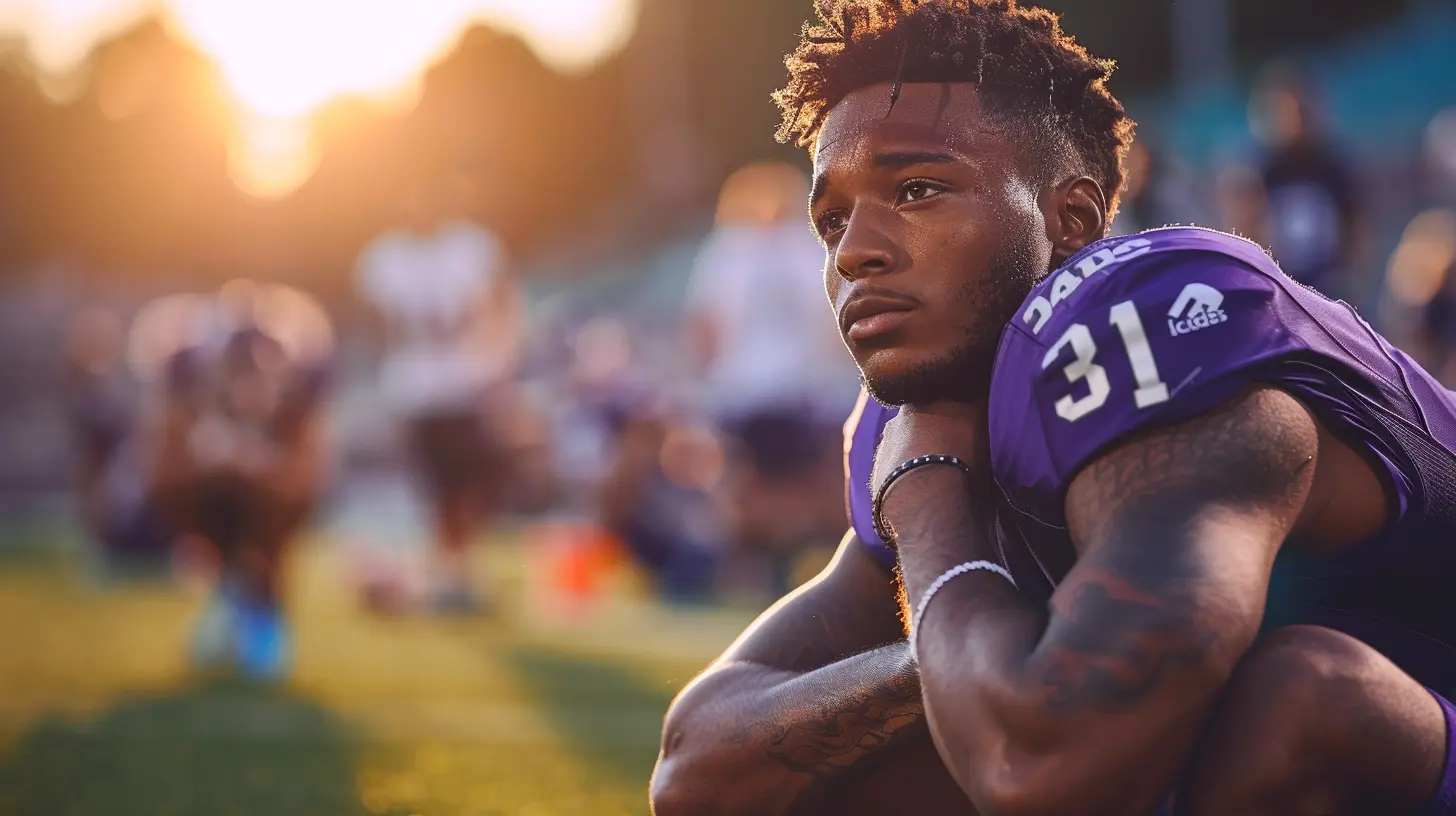
Step #2: Immediate Medical Attention – No Room for Tough Guy Acts
The moment the injury happens, it’s not time to “walk it off.” It’s time to get real.Trainers, athletic therapists, and team doctors are the first responders. These folks are legit lifesavers. Whether it’s a torn ligament or a concussion, quick diagnosis and treatment can make all the difference between a full recovery and a permanent seal on your athletic career.
Pro tip: The faster an athlete gets evaluated, the faster the road to recovery can start.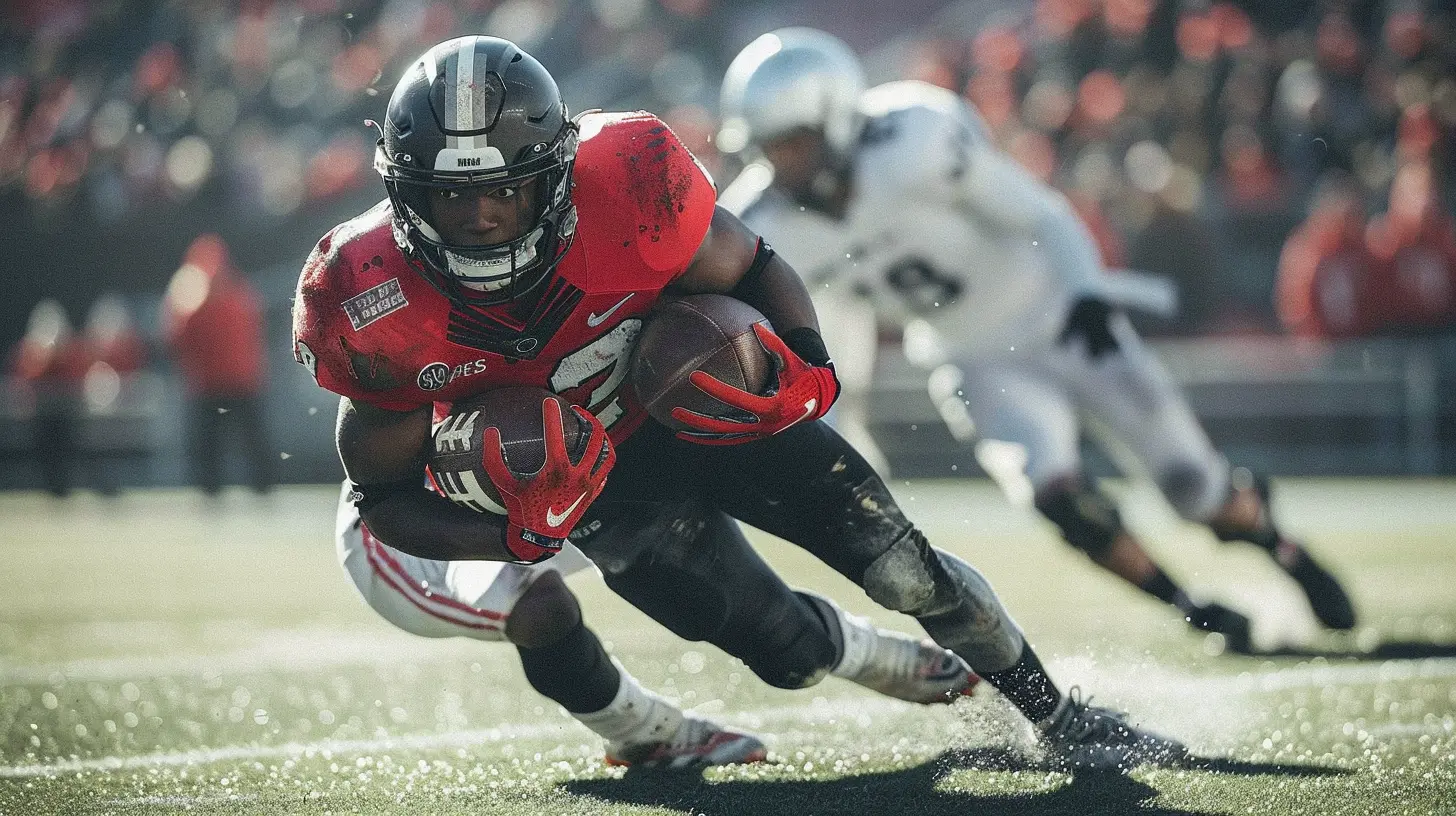
Step #3: Building a Customized Rehab Plan
Once diagnosis is done, it's grind time. Every injury is different, which means every recovery is deeply personal.Rehab isn't a “set it and forget it” process. It's strategic. For a torn ACL? You’re looking at months of physical therapy, strength training, and mobility work. A concussion? That’s a whole different beast – slower pace, more cognitive rest.
College athletic programs usually have in-house rehab facilities. Think of it as a rehab boot camp. These places are packed with physical therapists who know how to nurse athletes back to elite performance without compromising long-term health.
Step #4: Mental Toughness – The Real MVP
Let’s not sugarcoat it: the mental part of recovery? It’s vicious.Imagine watching your team crush it without you. The locker room camaraderie, the matchday adrenaline rush, the glory... all happening while you’re stuck doing resistance bands in a rehab room.
Depression, anxiety, identity loss – these are all very real things athletes go through. That’s why modern recovery programs don’t stop at physical therapy. They bring in sports psychologists, mindfulness coaches, and mental health professionals who help athletes stay mentally locked in.
Because here’s the truth: if your head’s not in the game, your body won’t be either.
Step #5: Trusting the Process (Even on the Bad Days)
Recovery isn’t linear. Some days, things click. Other days feel like you’ve gone ten steps backward. That’s normal. That’s part of the grind.The key? Trust the process.
Athletes who bounce back better than ever are the ones who stay consistent. They show up. They do the reps. They eat right. They sleep like it’s their job. And they keep the long-term vision clear.
You can’t fake recovery. You earn it.
Step #6: Gradual Return to Play – No Hero Moves
Once an athlete hits the final stages of rehab, the temptation is real: go full throttle. Prove you’re back and better than ever. But slow down, turbo.The final phase of injury recovery is reintroducing the body to the demands of the sport. This is where strength and conditioning coaches play a massive role. From non-contact drills to full scrimmages, athletes are monitored like hawks.
Many programs use return-to-play protocols that check off key milestones before an athlete is cleared. Skipping steps? Not an option. Re-injury rates are high for athletes who rush back.
Come back when you're 110%, or don’t come back at all.
Step #7: Preventing Re-injury – Staying Smart After Recovery
Once back on the field, it's not “job done.” It’s “job evolved.”Athletes who recover learn a valuable lesson: they’re not invincible. So, they start listening to their bodies more. They warm up with purpose, cool down religiously, stretch like yoga instructors, and invest in prehabilitation to make sure they never go through that hell again.
Injury prevention becomes the new game plan.
Real-Life Comeback Stories – Proof It Can Be Done
Still wondering if it’s all talk? Let’s throw in some real inspirational heat.- Tua Tagovailoa (Alabama) – After suffering a brutal hip injury in 2019, most folks thought Tua was done. Fast forward, and he’s leading an NFL offense.
- Breanna Stewart (UConn) – Tore her Achilles playing overseas. Came back with a vengeance, winning MVP awards and Olympic gold.
- Marcus Lattimore (South Carolina) – Though his NFL journey was cut short, his return to college football after two devastating knee injuries was nothing short of heroic.
These athletes prove that setbacks aren’t the end – they’re just reroutes with a killer comeback waiting on the other side.
Support Systems: Nobody Comes Back Alone
Behind every comeback story is a crew. Athletic trainers, physical therapists, coaches, teammates, family – these are the unsung heroes.Colleges now pour serious resources into athlete care. Mental health hotlines, dietitians, sleep coaches – you name it. Because recovery isn’t a solo mission. It’s a team sport.
The stronger the support system, the smoother the recovery.
Nutrition & Sleep – The Overlooked Recovery Weapons
Let’s talk fuel. You can rehab all day, but if you’re eating junk and sleeping four hours a night, your body’s recovery is going nowhere fast.Nutrition is huge. We're talking protein-packed meals, anti-inflammatory foods, hydration on point, supplements under guidance – all tailored to aid tissue repair and reduce recovery time.
And sleep? Absolute gold. That’s when the body regenerates. Successful college athletes protect their sleep like it’s the national championship.
Technology and Innovation: Recovery Just Got an Upgrade
We’re living in the golden age of sports recovery. We’re talking:- Cryotherapy
- Normatec compression boots
- Blood flow restriction training
- GPS load tracking
- Functional Movement Screens (FMS)
All these tools help athletes recover smarter, not harder. The best programs blend old-school grit with cutting-edge science.
Why It All Matters – It's Bigger Than Sports
Here’s the thing: college sports are temporary. But the lessons athletes learn through recovery – resilience, discipline, grit – they last a lifetime.Coming back from injury teaches athletes to fight when things get tough, to rebound when life hits hard, and to push through the setbacks. These athletes aren’t just training for their sport. They’re training for life.
Final Whistle: The Comeback Is Always Greater Than the Setback
Injuries suck. Period. But they’re also a test – a brutal, character-defining test.That’s why college athletes who stare down injury and claw their way back are some of the most inspiring humans on the planet. Not because they avoided pain, but because they faced it head-on and came out stronger.
So, the next time you watch a college athlete take the field, remember – they may have more scars than you can see. But every scar tells a story. And every return is a triumph.
all images in this post were generated using AI tools
Category:
College SportsAuthor:

Everett Davis
Discussion
rate this article
2 comments
Berenice Bailey
This article beautifully captures the resilience and determination of college athletes facing injuries. Their journey back to the field is a testament to their strength and commitment, not just to their sport but to themselves. It’s inspiring to see how passion fuels their recovery and drives them forward.
February 1, 2026 at 4:56 AM
Everett Davis
Thank you for your thoughtful comment! I'm glad you found the article inspiring; the resilience of these athletes truly is remarkable.
Nicole McCarron
This article highlights the resilience of college athletes, showcasing their mental toughness and determination. By embracing rehabilitation and support systems, they not only conquer physical setbacks but also emerge stronger, both on and off the field.
January 13, 2026 at 11:34 AM
Everett Davis
Thank you! I'm glad you found the article illuminating. The resilience of college athletes is truly inspiring, and their journeys highlight the importance of support systems in overcoming challenges.