How College Sports Are Shaping Future Olympians
25 May 2026
When you think of Olympic athletes, your mind probably goes to that grand moment on the podium—gold medal around the neck, national anthem playing, tears in the athlete’s eyes. But have you ever wondered what path leads these champions to that moment? For many American athletes, that journey starts long before the world ever watches. It begins in college.
Yep, college sports don't just serve as stepping stones to pro leagues—they're also forging Olympic legends. Let’s dive into how those early competitive years on campus are shaping the future of the Olympic Games.
College Athletics: A Launchpad to the World Stage
College sports are more than just school rivalries and weekend tailgates. For elite athletes, universities offer top-tier training facilities, coaching, and competition—all essential ingredients for Olympic readiness.Think of college sports as a pressure cooker. Athletes are pushed to their mental and physical limits while juggling schoolwork, social lives, and high-stakes games. But that’s exactly what makes it the perfect bootcamp for Olympians in the making.
NCAA Programs—Where It All Begins
The National Collegiate Athletic Association (NCAA) plays a pivotal role here. With more than 1,100 schools and over 500,000 athletes, the NCAA is basically a sprawling talent factory. And guess what? A significant number of Team USA Olympians are NCAA alum—especially in sports like swimming, track and field, gymnastics, and wrestling.Why? Because NCAA programs create a competitive and resource-rich environment that grooms athletes for the big leagues (and by big leagues, we mean the actual Olympics).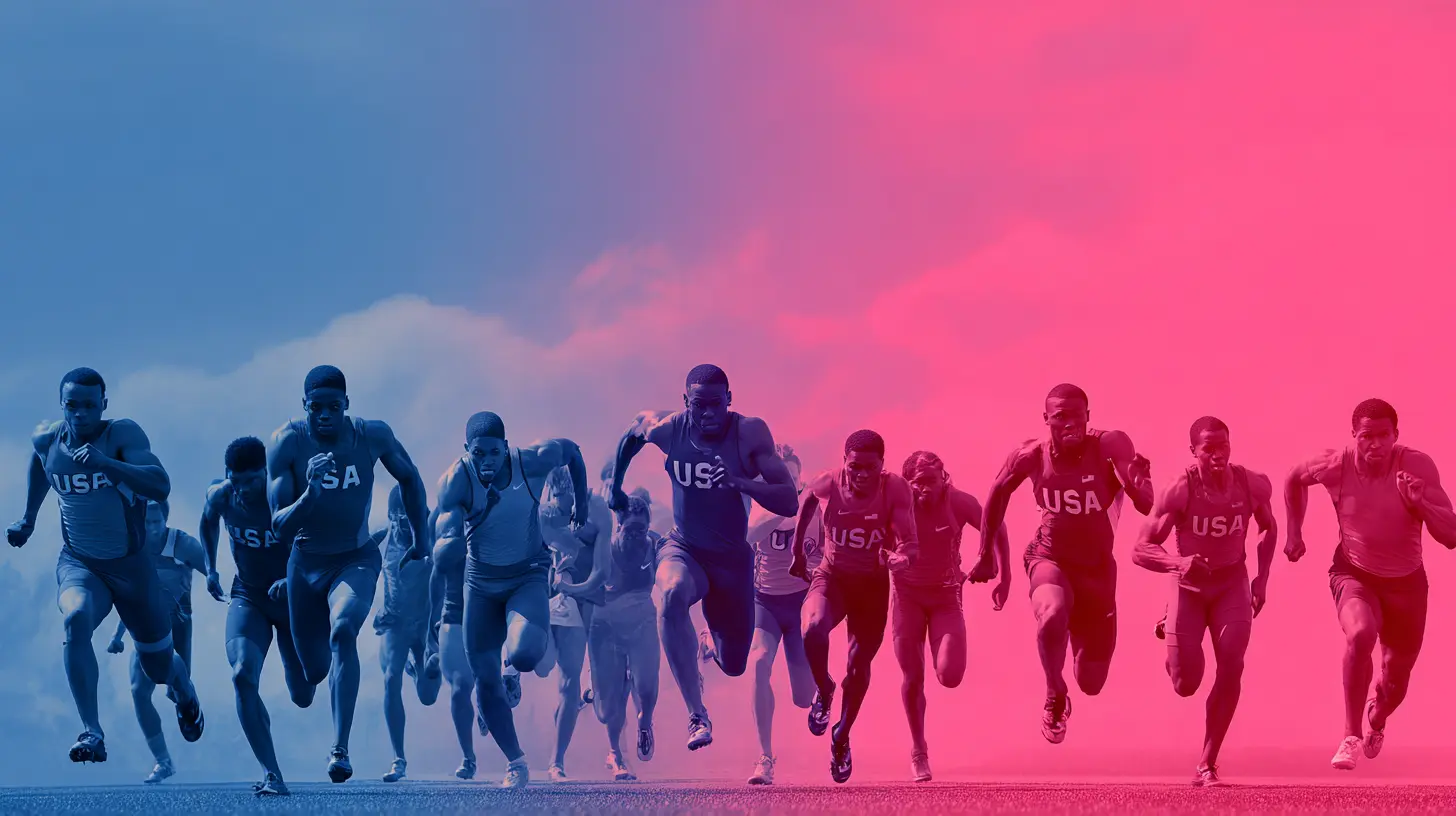
The Road to Paris (Or LA, Or Tokyo...) Often Runs Through Campus
You’ll find that many Olympic athletes are also college athletes, either before or during their Olympic career. And we're not just talking about the big names that make headlines—almost every Olympic year, you’ll hear commentators mention how many athletes came straight from universities.Let’s take swimming. College pools are basically prep grounds for Olympic gold. Swimmers like Katie Ledecky and Caeleb Dressel honed their skills while swimming for their college teams. Track and field? Same story. The intensity of the NCAA Championships rivals international meets, and the competition is fierce.
College Coaches Know What It Takes
Olympic-level coaching doesn’t come cheap—or easy—but college athletes often get that for free (or on scholarship). Many of the coaches working in NCAA programs have either competed at the international level or trained Olympians. Their experience isn’t just valuable—it’s priceless.These coaches build personalized training regimens, offer mental conditioning, and know how to spot and nurture Olympic potential early on.
A Built-In Support System That Fuels Success
Let’s be real: becoming an Olympian isn’t just about being fast or strong. It’s about being consistent, focused, and resilient. College sports systems offer something athletes don’t always get elsewhere—the right support.Academic Flexibility and Athletic Priorities
Most universities understand that their elite athletes are balancing more than most 20-somethings. Many colleges offer customized academic paths, flexible deadlines, and tutoring services, all tailored to ensure that students don’t have to compromise their Olympic ambitions for classroom grades.Nutrition, Rehab, and Sports Psychology
Top NCAA programs come equipped with nutritionists, physical therapists, and sports psychologists. Olympians in training need all three. Injury prevention, recovery, mental health—all the behind-the-scenes stuff that matters—is built into their college experience.
The Exposure Factor: Getting Spotted by the Right Eyes
You could be the fastest runner in the world, but if no one sees you run, does it really matter? College competitions are often televised, heavily scouted, and widely followed by national teams. For many athletes, this is where they first get noticed by Olympic selectors.National and International Meets
Top NCAA athletes often qualify for national teams while still in school. Whether it’s the U.S. Olympic Trials or international student competitions like the Universiade, college athletes get a taste of international pressure early on.They’re not just performing in front of classmates—they’re being evaluated by Olympic coaches and scouts from across the globe.
Scholarships: Fueling Dreams Without Breaking the Bank
Let’s not overlook one seriously important aspect—money. Olympic training is expensive. Travel, coaching, gear—it adds up fast. Scholarships give talented athletes the chance to pursue their dreams without drowning in debt.Athletic Scholarships as Investment
Colleges offering full or partial athletic scholarships are essentially investing in their students’ futures. These scholarships open doors for athletes who might otherwise never get a chance to shine on the Olympic stage due to financial limitations.Real-Life Examples: From College Star to Olympic Icon
Let’s talk about a few real-life success stories that started on a college campus.Sydney McLaughlin – University of Kentucky
Track and Field prodigy Sydney McLaughlin broke records as a college freshman before going on to shatter Olympic records. Her time in college helped refine her form, discipline, and race strategy.Simone Biles – University Affiliated, Not Active Competitor
While Simone didn’t compete in NCAA gymnastics, she trained alongside college-level athletes and used the university system for resources and support. Her success still highlights how tightly connected the college system is to Olympic greatness.Ryan Lochte – University of Florida
Before becoming a swimming legend with 12 Olympic medals, Lochte was tearing up lanes in college meets. The training and competition he got there paved the way for his Olympic dominance.It’s Not Just About the U.S.
While this model is most visible in the U.S., athletes from around the globe attend American universities for this very reason. International students come to the U.S. to take part in NCAA sports, then go on to compete for their home countries in the Olympics.It’s a global pipeline, and it runs straight through college campuses.
The Mental Game: College Life Builds Mental Toughness
Olympic competition is as much a mental grind as it is physical. Athletes need to handle stress, media attention, and the burden of national expectations. College life—especially for athletes—is a crucible for developing that grit.Think about it. Juggling early morning practices, travel, exams, and personal life? That takes resilience. It's like a battlefield without bullets.
By the time college athletes get to the Olympics, they’ve already endured years of high-pressure performances. They’re not just hopefuls—they’re seasoned competitors.
Looking Ahead: The Role of NIL and Future Implications
With the advent of NIL (Name, Image, Likeness) rights, college athletes can now monetize their success. This doesn't just help them financially—it also lets them build a public profile long before they ever step onto the Olympic podium.Athletes like Sunisa Lee, who won gold in Tokyo 2021 and then went on to compete in college gymnastics, are prime examples of how NCAA sports are evolving. The opportunities are bigger, and so are the futures of these athletes.
Final Thoughts: College Sports = Olympic Factory
So, how are college sports shaping future Olympians? In every imaginable way. They provide:- Elite coaching
- Top-notch facilities
- Competitive environments
- Educational support
- Financial aid
- Mental and physical conditioning
It's no surprise that so many Olympic rosters are packed with former (and sometimes current) college athletes. For many, college isn’t the end of the dream—it’s the beginning of greatness.
So next time you're watching a college game or meet, remember: you might just be watching the next gold medalist in action.
all images in this post were generated using AI tools
Category:
College SportsAuthor:

Everett Davis
Discussion
rate this article
2 comments
Hope McLanahan
College sports are a vital stepping stone for aspiring Olympians. The skills, teamwork, and resilience developed on campus set the foundation for future success. Keep pushing your limits, and remember that every practice brings you closer to your dreams.
September 6, 2026 at 11:30 AM
Imani Brooks
This article highlights an important connection between college sports and Olympic success. It's inspiring to see how these athletes develop their skills and teamwork in college, laying a strong foundation for future achievements. Excited to see how many will shine on the world stage.
May 29, 2026 at 4:03 AM
Everett Davis
Thank you for your thoughts! It's exciting to see the pathways college sports create for Olympic talent. Let's keep cheering on these athletes as they pursue their dreams!