How Fan-Created Content is Shaping the Sports World
27 December 2025
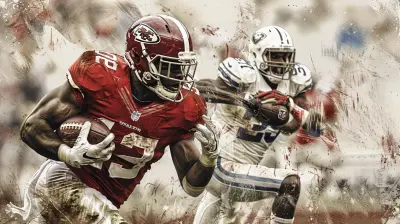
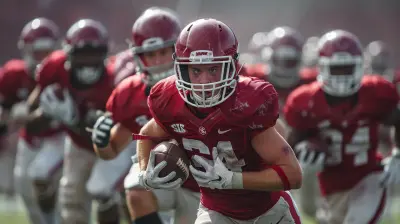
Once upon a time, sports fans were just spectators—cheering from the stands, yelling at their TVs, or discussing plays with friends. But in today's digital world, things have changed drastically. Fans are no longer just consuming sports content; they’re creating it. From viral memes to in-depth analysis, fan-generated content is shaping how we experience sports.
So, how exactly is this shift influencing the industry? Let’s dive into how passionate fans are revolutionizing the sports world with their creativity. 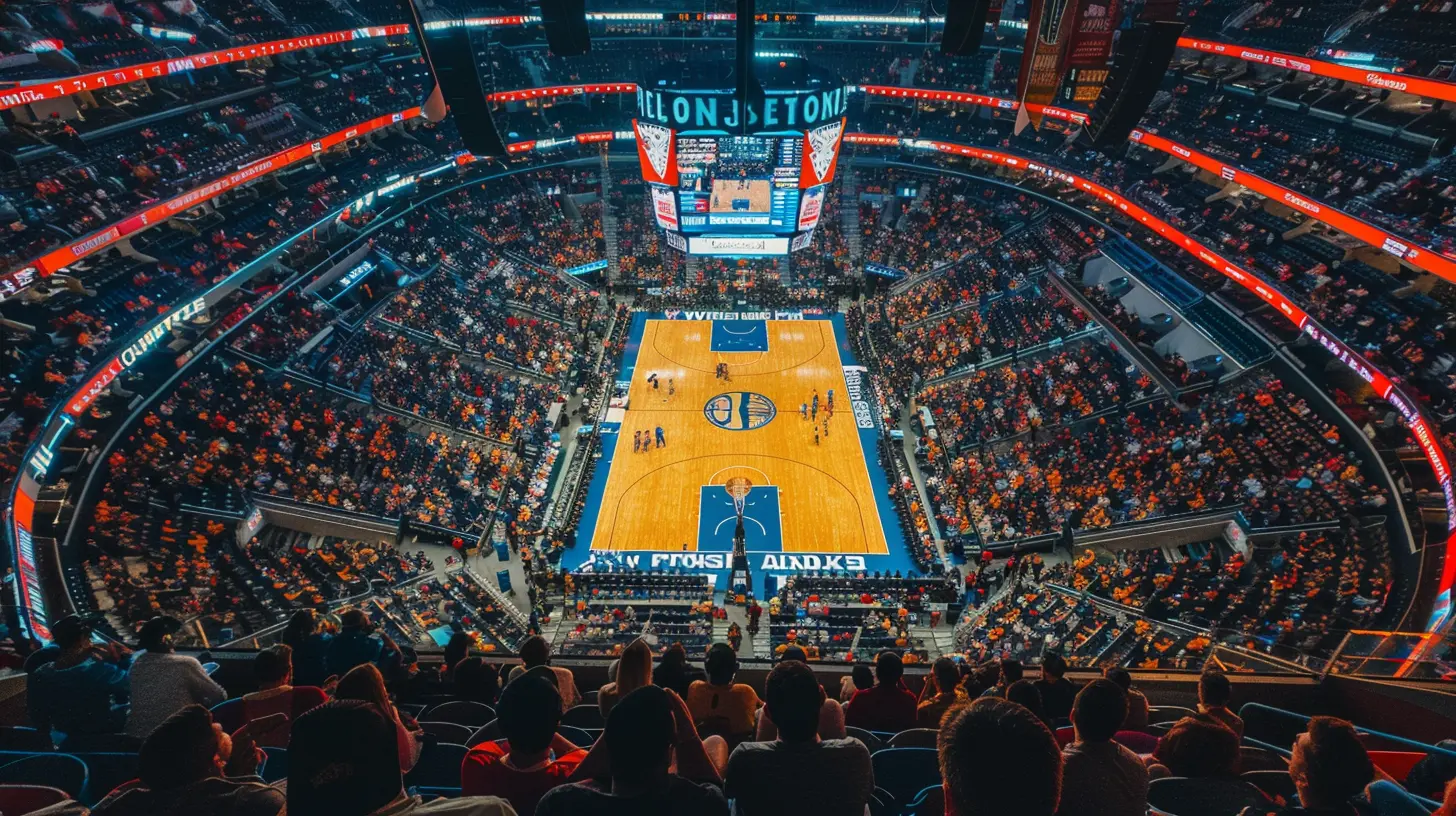
The Rise of Fan-Created Content
The internet has transformed how we interact with sports. With social media platforms like Twitter, TikTok, and YouTube, fans now have a direct way to express their opinions, share highlights, and even break news before traditional media outlets.Think about it—how often do you see a hilarious meme about a missed shot or an emotional tribute to a retiring player before you hear about it on TV? Fans are faster, funnier, and sometimes even more insightful than mainstream sports channels.
This shift isn’t just fun; it’s changing the game entirely. 
Social Media: The Ultimate Playground for Fans
1. Memes and Viral Moments Rule the Internet
Let’s be honest—sports wouldn’t be as fun without the memes. Whether it’s “Crying Jordan,” the latest NBA trade reactions, or a wild NFL play that gets turned into a GIF within minutes, memes allow fans to instantly connect through humor.These viral moments spread like wildfire, creating an entirely new layer of fan engagement. In some cases, memes even shape how players and teams are perceived. One great (or embarrassing) moment can turn into an internet sensation overnight.
2. Fan-Run Analysis and Commentary
You no longer need to be a professional analyst to have a voice in the sports world. Fans are running detailed breakdowns of games, analyzing player stats, and even predicting trades with remarkable accuracy.Podcasts, YouTube channels, and Twitter threads are filled with passionate fans who provide fresh perspectives, sometimes offering better insights than TV analysts. The best part? These creators are just as obsessed with the game as you are, making their content relatable and engaging.
3. Livestreaming and Real-Time Reactions
Platforms like Twitch, YouTube Live, and Twitter Spaces have given fans an outlet to react to games in real-time. Whether it’s a die-hard supporter analyzing every play or a casual fan freaking out over a last-second goal, these live interactions create a communal experience for sports lovers around the world.Some livestream reactions even go viral, further proving that fans have become just as influential as traditional broadcasters. 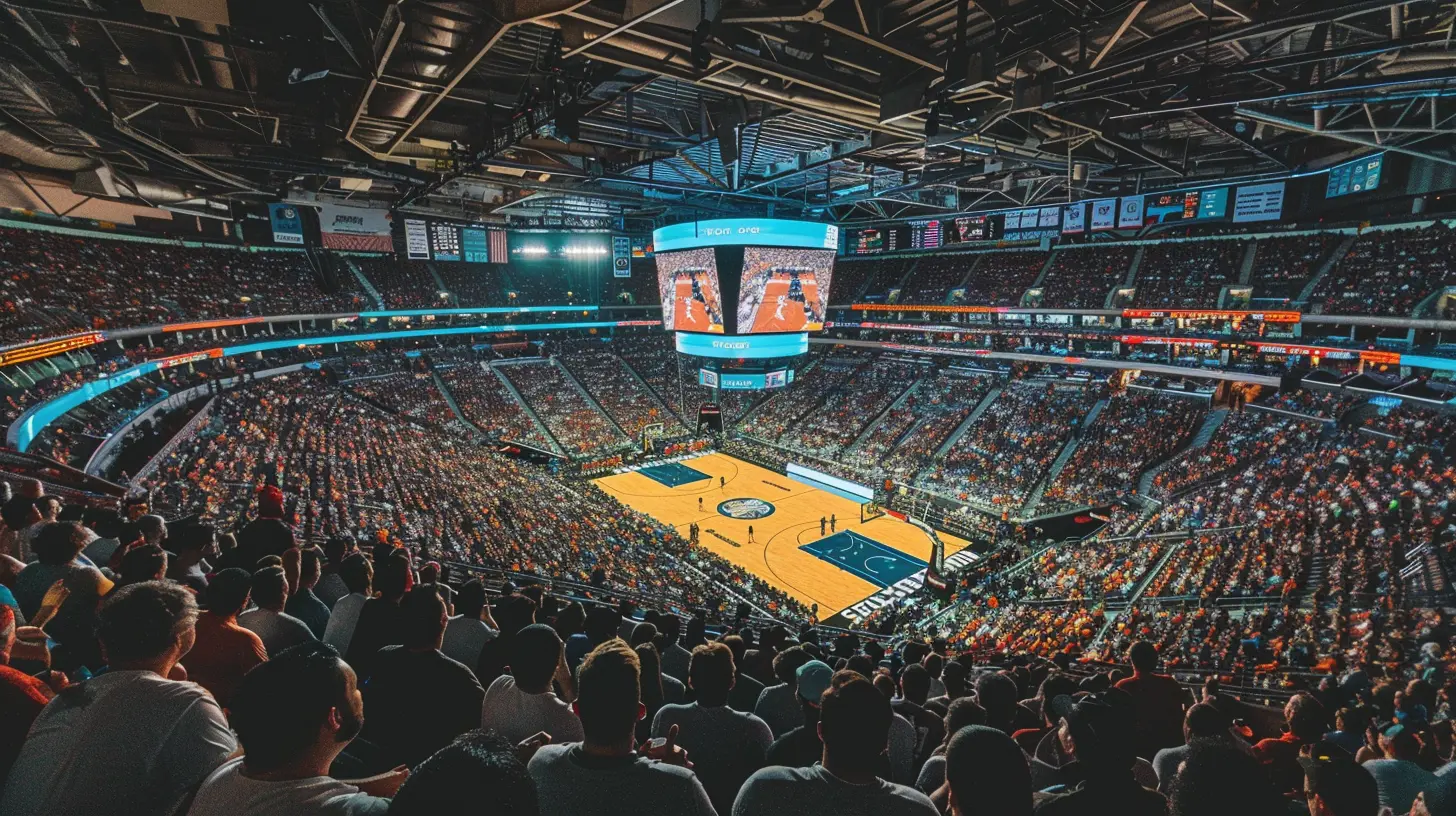
How Athletes and Teams Are Embracing Fan Content
It’s not just fans benefiting from this shift—athletes and teams are taking notice, too. Instead of shying away from fan-created content, many players and organizations are leaning into it.1. Athletes Engaging with Fans Online
From LeBron James tweeting about his favorite plays to Cristiano Ronaldo responding to fan tributes, athletes are more connected to their supporters than ever. Some players actively engage in online discussions, share behind-the-scenes content, and even react to fan-made videos.This level of interaction makes fans feel valued, strengthening their loyalty to both the player and the sport.
2. Teams Encouraging Fan Participation
Many professional teams have started incorporating fan-generated content into their official channels. Whether it’s reposting a creative TikTok, featuring fan art on their social pages, or hosting contests for the best game-day photos, teams understand that fan engagement is crucial for maintaining excitement around their brand.The NBA, for example, frequently highlights fan-made videos and memes on its social media accounts. This not only boosts visibility for the original creators but also fosters a stronger sense of community among fans. 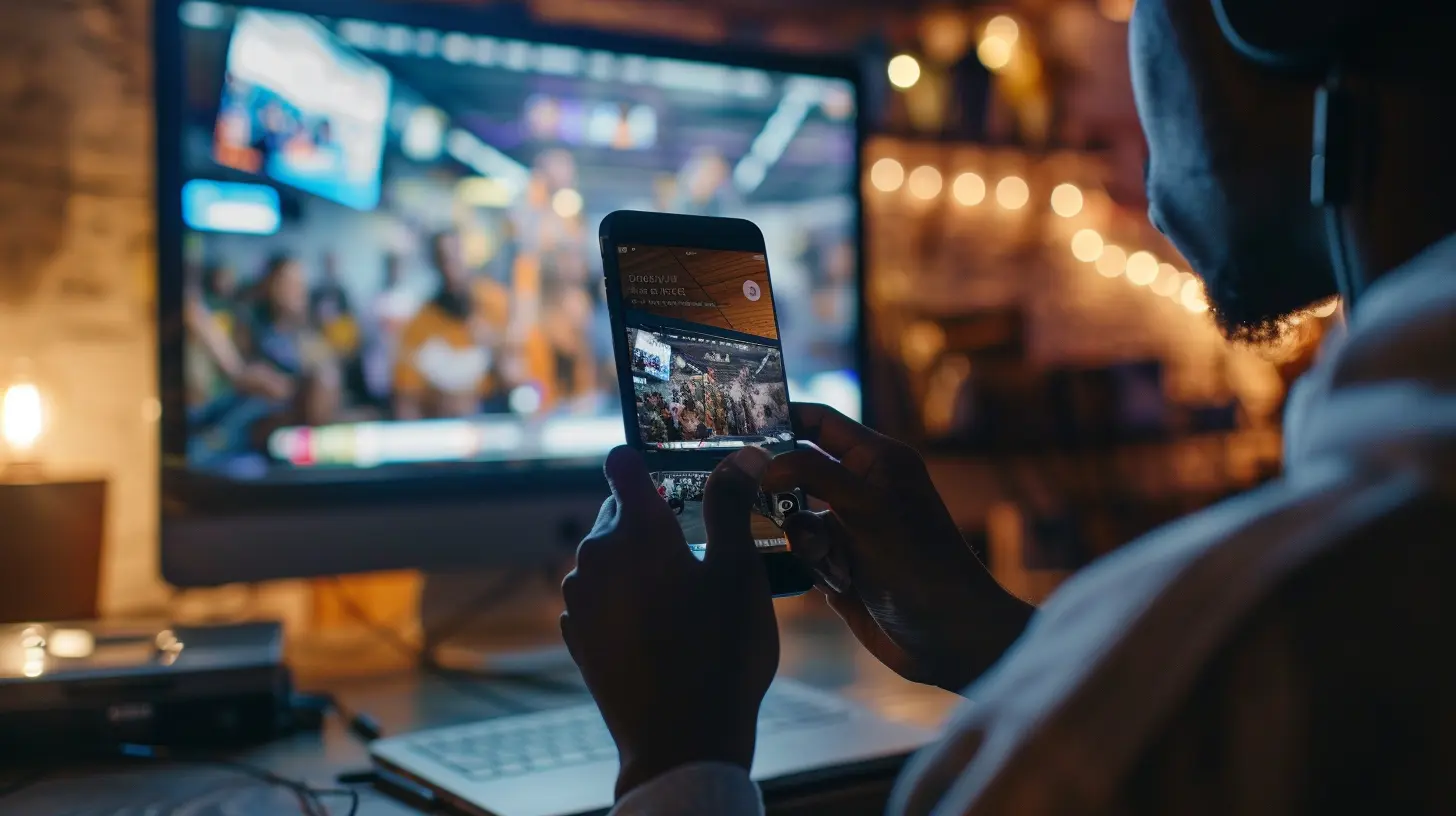
The Impact of Fan-Created Content on Sports Media
Traditional sports media has faced a major shake-up thanks to fan-driven content. Gone are the days when fans had to wait for sports radio or newspaper write-ups—now, they get instant reactions, hot takes, and deep dives at the click of a button.1. The Decline of Traditional Sports Journalism?
While traditional sports media will always have a place, independent fan-created content has undoubtedly changed the landscape. Many fans prefer listening to a passionate YouTuber break down a game rather than watching a rehearsed post-game analysis on TV.Major networks have even started recruiting fan content creators, recognizing the value of their authenticity and connection with audiences.
2. The Birth of New Sports Stars
Some fan creators have become influencers in their own right. Whether it’s a viral YouTuber breaking down football plays, a TikToker giving hilarious game reviews, or a podcaster landing interviews with sports legends, these fan-driven personalities are becoming household names.This shift proves that you don’t need to be a former athlete or a trained journalist to have a voice in the sports world—you just need passion and creativity.
The Future of Fan-Created Sports Content
This is just the beginning. With emerging technologies like virtual reality (VR) and artificial intelligence (AI), fan content will continue to evolve in exciting ways. Imagine watching a game with real-time AI-generated insights from your favorite fan analyst or experiencing crowd-sourced VR highlights created by fans in the stadium.Additionally, NFTs (non-fungible tokens) and blockchain technology are creating new opportunities for fan content creators to monetize their work, ensuring that their creativity gets the recognition—and financial reward—it deserves.
The possibilities are endless, and one thing is clear: fan-created content isn’t just a trend—it’s the future of sports media.
Final Thoughts
The way we experience sports has changed forever, thanks to fan-created content. Whether it’s memes, analysis, livestream reactions, or athlete interactions, fans have gone from passive viewers to active participants shaping the sports world.This shift proves one undeniable truth—sports aren’t just about the game on the field; they’re about the passionate community that surrounds it. And in that community, every fan has a voice.
So, whether you’re creating content or simply enjoying what others make, one thing is for sure—the fan revolution is here to stay.
all images in this post were generated using AI tools
Category:
Fan EngagementAuthor:

Everett Davis
Discussion
rate this article
2 comments
Soraya McClellan
Great article! It’s amazing how fan-created content is changing the game. It brings us all closer to our favorite teams and athletes. Thanks for sharing!
January 26, 2026 at 11:37 AM
Everett Davis
Thank you! I'm glad you enjoyed the article and appreciate the impact of fan-created content on sports!
Darby Hayes
Great insights! Fan engagement truly transforms the sports landscape.
January 6, 2026 at 5:22 AM
Everett Davis
Thank you! I'm glad you found the insights valuable. Fan engagement is indeed a game-changer in sports!