How Fighters Evolve After Their First Loss
29 January 2026
There’s something raw and real about watching a fighter take their first loss. Up until that moment, they’re seen as invincible—unbeaten records shimmering like armor. But then, boom. A punch slips through, a leg gives out, a mistake is made, and the zero in the win column disappears. The myth breaks, and we're left wondering: how do they come back from that?
Well, not all fighters respond the same way. Some stumble and never really recover. Others? They rise like phoenixes—smarter, tougher, and hungrier than ever. That first loss can be a turning point, a catalyst for greatness. So, let’s dig into how fighters evolve after that gut-punching, ego-checked, career-defining first loss.
The Invincibility Illusion: Why the First Loss Hits So Hard
Before diving into how fighters evolve, we’ve got to understand what that first loss actually means.In combat sports—whether it’s boxing, MMA, kickboxing, or even wrestling—a perfect record is gold. It's marketable. Promoters love it, fans worship it, and fighters cling to it. Undefeated champs are seen as next-level, almost superhuman.
But here’s the truth: nobody is truly unbeatable. Just like in life, winning streaks don’t last forever. The first loss? It’s a reality check—a slap in the face that says, “Hey, you bleed too.”
And man, it stings. But here’s where things get interesting. How a fighter responds to that first L says more about them than all their wins combined.
Mental Shift: Losing the Fear of Losing
Okay, picture this. A young fighter comes in with a 10-0 record. They're hyped. Everyone’s talking. They get in the cage, confident they’re gonna steamroll another opponent. But bam—three rounds later, they’re on the wrong side of a decision.That loss? It's like ripping off a Band-Aid. The fear of losing vanishes because it’s already happened. And oddly, that can be freeing.
Fighters who embrace that mindset shift often enter the next fight with more clarity and less pressure. Without the weight of perfection, they start fighting smarter, more creatively, and with a chip on their shoulder.
Examples? You Bet.
- Georges St-Pierre (GSP) — Lost to Matt Serra in a shocking upset. What did he do? He reinvented himself. Turned into a dominant, cerebral fighter. Came back stronger, stayed champion for years.- Israel Adesanya — Took his first MMA loss against Jan Blachowicz. Guess what? He didn’t panic. Went back to middleweight, sharpened his tools, and continued dominating.
See the pattern? The first loss cracked the illusion, but it also cracked open potential.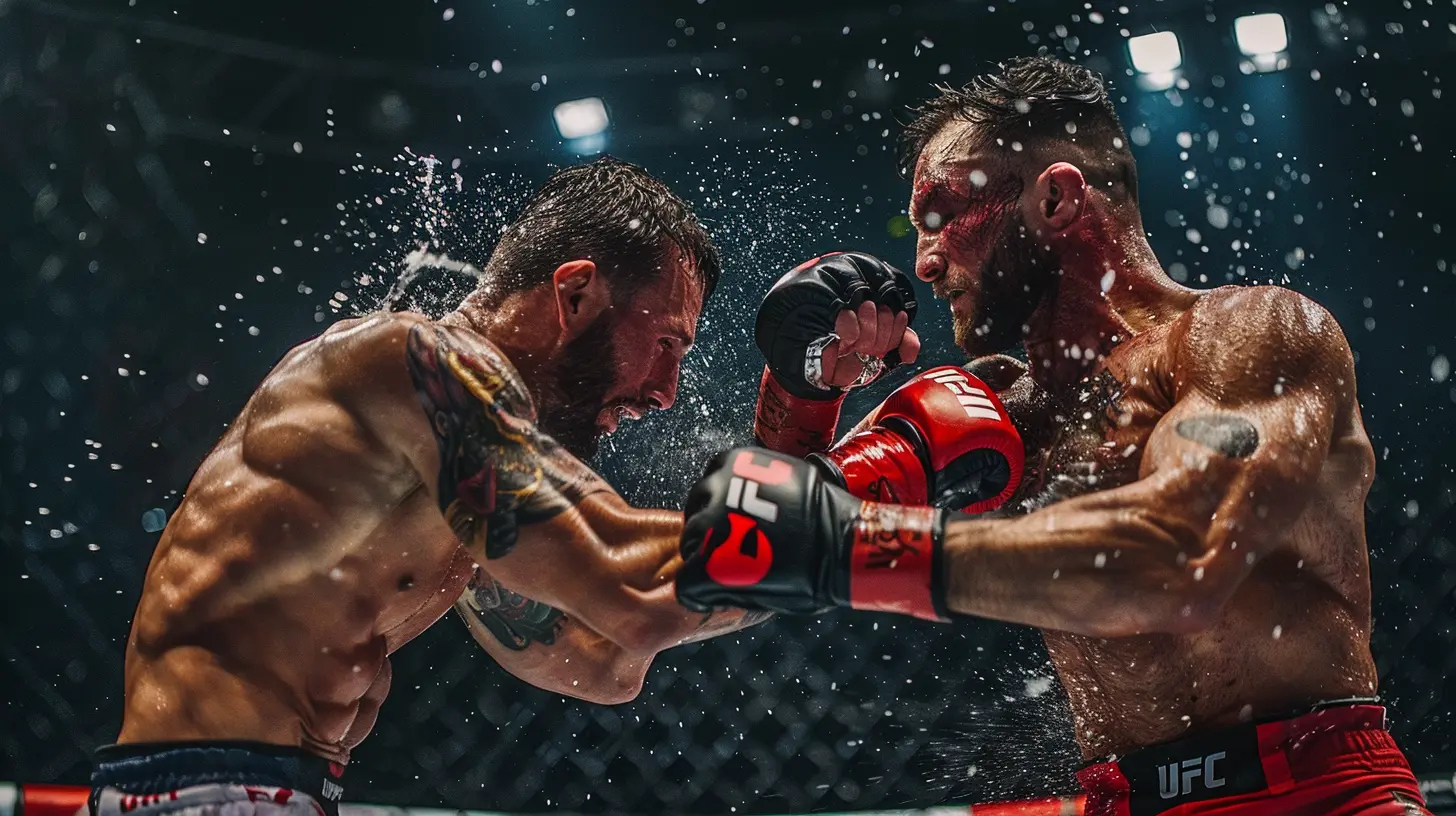
Technical Adjustments: The Devil’s in the Details
After a loss, fighters typically go back and watch the tape (sometimes painfully). Every mistake, every misstep, gets studied under a microscope.Here’s what they’re looking for:
- Striking defense: Did I drop my hands? Did I get countered too easily?
- Grappling holes: Did I gas out trying to stuff takedowns? Was my ground game exposed?
- Cardio: Was I fading after two rounds?
- Game plan: Did I follow my strategy? Or did I panic?
The best fighters use that data to tweak their game. It’s like a software update—patching bugs, upgrading tools, tightening up errors. And when they return, they often look like a whole new version of themselves.
Think of it like an artist who finally takes a critique seriously. They don’t just paint the same picture again—they come back with something deeper, more refined.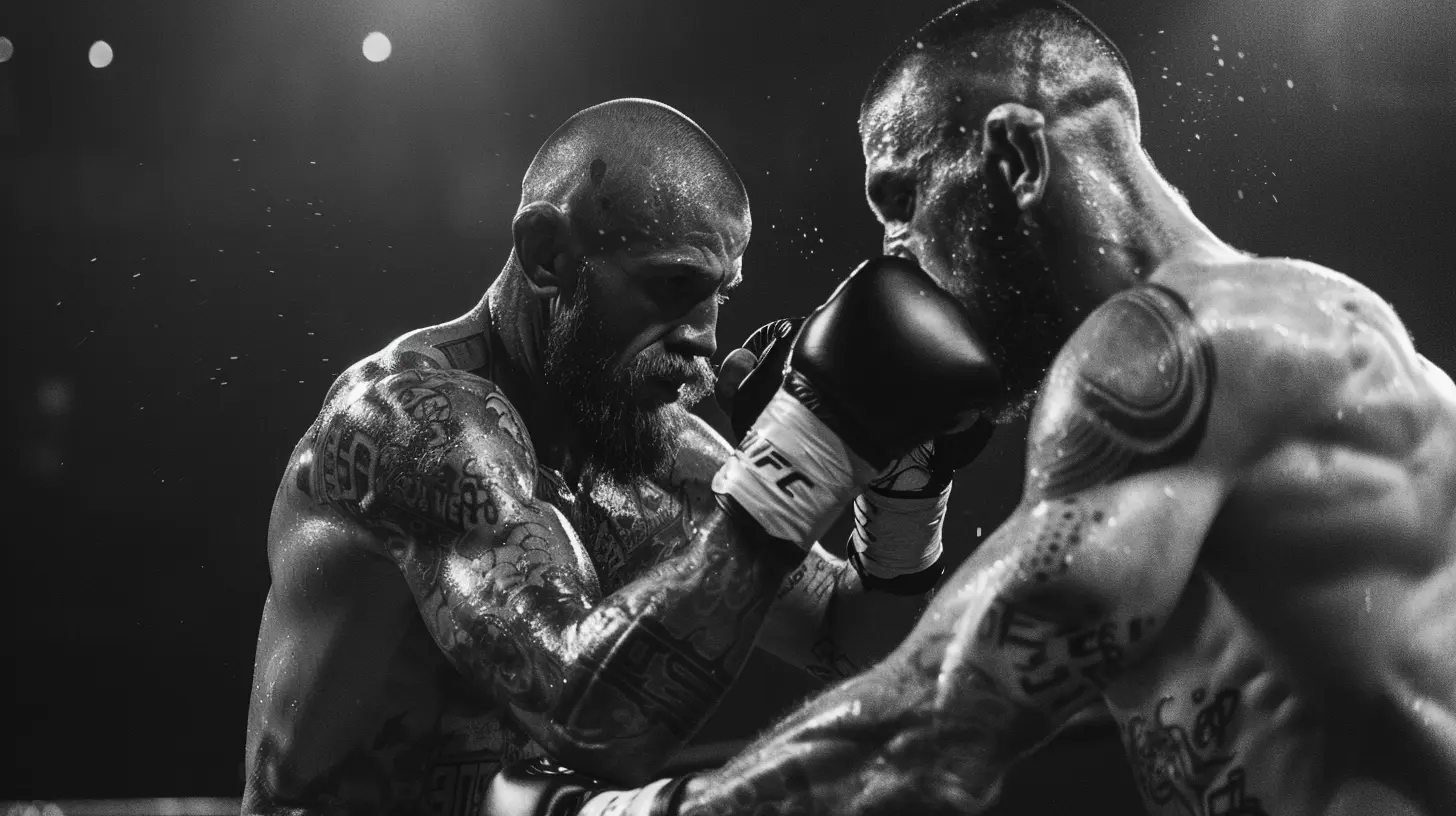
Coaching Shake-Ups: Sometimes You Need a New Voice
Let’s be real. Loyalty is huge in combat sports. Many fighters stay with the same coach from day one. But after a first loss? Some start questioning everything, including the corner they trust.And honestly? A coaching change can be a game-changer.
New coaches bring new perspectives. They spot flaws that were overlooked. They add tools to the arsenal—maybe a better jab, sharper footwork, or a stronger clinch game.
It’s not betrayal—it’s evolution.
Take Tyson Fury, for example. Different trainers helped refine different phases of his career, especially post-hiatus. Same with Conor McGregor—after his loss to Nate Diaz, he went back to the lab, adjusted his conditioning and strategy, and won the rematch.
Sometimes, stepping out of your comfort zone is the only way to truly grow.
Humility Check: Swapping Ego for Growth
This one hits hard. When you're undefeated, the ego can get bloated. Everyone calls you a killer, and it’s easy to believe your own hype.But a loss? It drops that ego like a left hook to the chin.
And that’s a good thing.
The greats learn humility and use it as fuel. They start listening more, training harder, and respecting the process again. They get hungrier. That fire that first got them into the sport? It comes roaring back.
Loss resets the focus.
Emotional Recovery: Rebuilding Confidence Brick by Brick
Let’s not gloss over this part. The emotional toll of a loss—especially the first one—is brutal. Public scrutiny. Online trolls. Doubting voices, both external and internal.It’s like heartbreak. And recovering from that requires some serious inner work.
The fighters who bounce back? They don’t just train harder. They dig into mindset work. Meditation. Mental coaching. Journaling. Some even see sports psychologists.
Why? Because confidence is key. And after a loss, you have to rebuild it from the ground up. One good sparring session at a time. One win at a time. Until you're back in that cage, smiling, knowing you’ve overcome the doubt.
The Comeback: When Loss Becomes Legend
Everyone loves a comeback story. And that first loss? It's often the opening chapter.Look at Amanda Nunes. Lost early in her UFC career. People wrote her off. Now? She's considered the GOAT in women's MMA.
Or Canelo Álvarez. Lost to Floyd Mayweather. Used it as a learning experience. Came back more polished, with improved defense and ring IQ—now a pound-for-pound great.
These fighters didn’t just recover from loss—they built their legacy on it.
Fighters Who Got Better After Losing
Let’s run through a few more names who turned that first L into a stepping stone:- Max Holloway – Lost to Conor McGregor early. Then went on a legendary featherweight run.
- Dustin Poirier – Lost to Cub Swanson, then McGregor. But evolved into one of the most well-rounded lightweights out there.
- Robert Whittaker – Had a couple bumps early on, but leveled up and became a middleweight champ.
It’s a reminder: loss isn’t the end of the road. It's a fork in it.
Not Everyone Bounces Back… And That's Real Too
We’ve focused a lot on fighters who rise after their first loss. But we’ve also got to face facts—some don’t.Why?
- They mentally break.
- They can't adapt.
- They stop believing they belong at the top.
It's harsh, but it’s the nature of the fight game. Not everyone is wired to evolve. Some crack under the pressure. Others fade into obscurity.
But even in that, there’s a story. A lesson. A reality check for those chasing glory in the most unforgiving sport on the planet.
What We Can Learn From It All
Fighting—at its core—is about dealing with adversity. The lights, the belts, the trash talk… that’s just noise. The journey of a fighter is about facing fear, failure, and pain—and deciding what to do with it.The first loss? It separates the hype from the heart. It exposes the pretenders and reveals the warriors.
For fans, it’s a reality check. For fighters, it’s a rebirth.
And for both? It’s what makes the sport so damn beautiful.
Final Thoughts: The Loss That Lights the Fire
So, how do fighters evolve after their first loss?They grow. They adapt. They dig deep.
That stumble forces them to confront their true selves in a way winning never could. And if they embrace it—really embrace it—they come back sharper, wiser, and often... more dangerous.
Because when a fighter has tasted defeat and still shows up?
That’s when you know they’re built different.
all images in this post were generated using AI tools
Category:
MmaAuthor:

Everett Davis
Discussion
rate this article
2 comments
Pandora McNeil
Great insights! It's fascinating to see how fighters grow stronger and more resilient after experiencing their first loss. Evolution in action!
February 20, 2026 at 1:02 PM
Everett Davis
Thank you! It truly highlights the transformative power of setbacks in a fighter's journey.
Rebecca Peterson
After their first loss, fighters evolve like Pokémon—just with more sweat, fewer berries, and a lot more punching!
January 30, 2026 at 1:51 PM
Everett Davis
Absolutely! Just like Pokémon, fighters often emerge from their losses stronger and more resilient, adapting their skills and strategies for future battles.