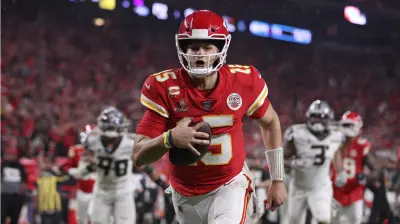
How Free Agency Impacts the Trade Market
1 February 2026
When it comes to professional sports, two off-season elements make fans, players, and front offices break into a sweat—free agency and trades. They're like the peanut butter and jelly of the sports world: different flavors, but oh boy, do they go together. You can’t fully understand one without bumping into the other.
So, let’s talk about free agency. It's the golden ticket for players to test the market and for teams to either land a star or lose one. But here’s the twist—free agency doesn’t just ripple through locker rooms; it throws waves across the trade market too.
In this post, we're gonna dive deep into how free agency reshapes trade strategies, alters team dynamics, and even sets off chain reactions that echo throughout an entire league. Buckle up—this one’s gonna be a ride.
What Do We Mean by Free Agency and Trade Market?
Before we start connecting the dots, let’s get on the same page.Free Agency: This is when a player’s contract ends and they’re free to sign with any team. It’s like being single again after a long relationship—you can talk to anyone, and the offers start rolling in. Depending on the league, free agency rules might change (like restricted vs. unrestricted free agents), but the principle stays the same.
Trade Market: On the flip side, trades involve teams swapping players, draft picks, or other assets. There’s no “freedom” here—players can be traded without their say, depending on their contracts. It’s all about teams trying to balance talent, salary caps, and future potential.
Now here’s where it gets spicy—what happens when they collide?
The Domino Effect: Free Agency Sets the Trade Market in Motion
Once free agency kicks off, the entire landscape changes overnight. Why?Because once a team signs a big-name free agent, it shifts the balance. Other teams start to panic. They missed out, and now they have to pivot… fast.
Let’s say a team was banking on signing a superstar shooting guard in the NBA free agency. They clear cap space, pass on trades, and plan everything around that signing. But the player signs elsewhere. Now? They’re scrambling, and the trade phone lines are blowing up.
Boom—welcome to the trade market chaos.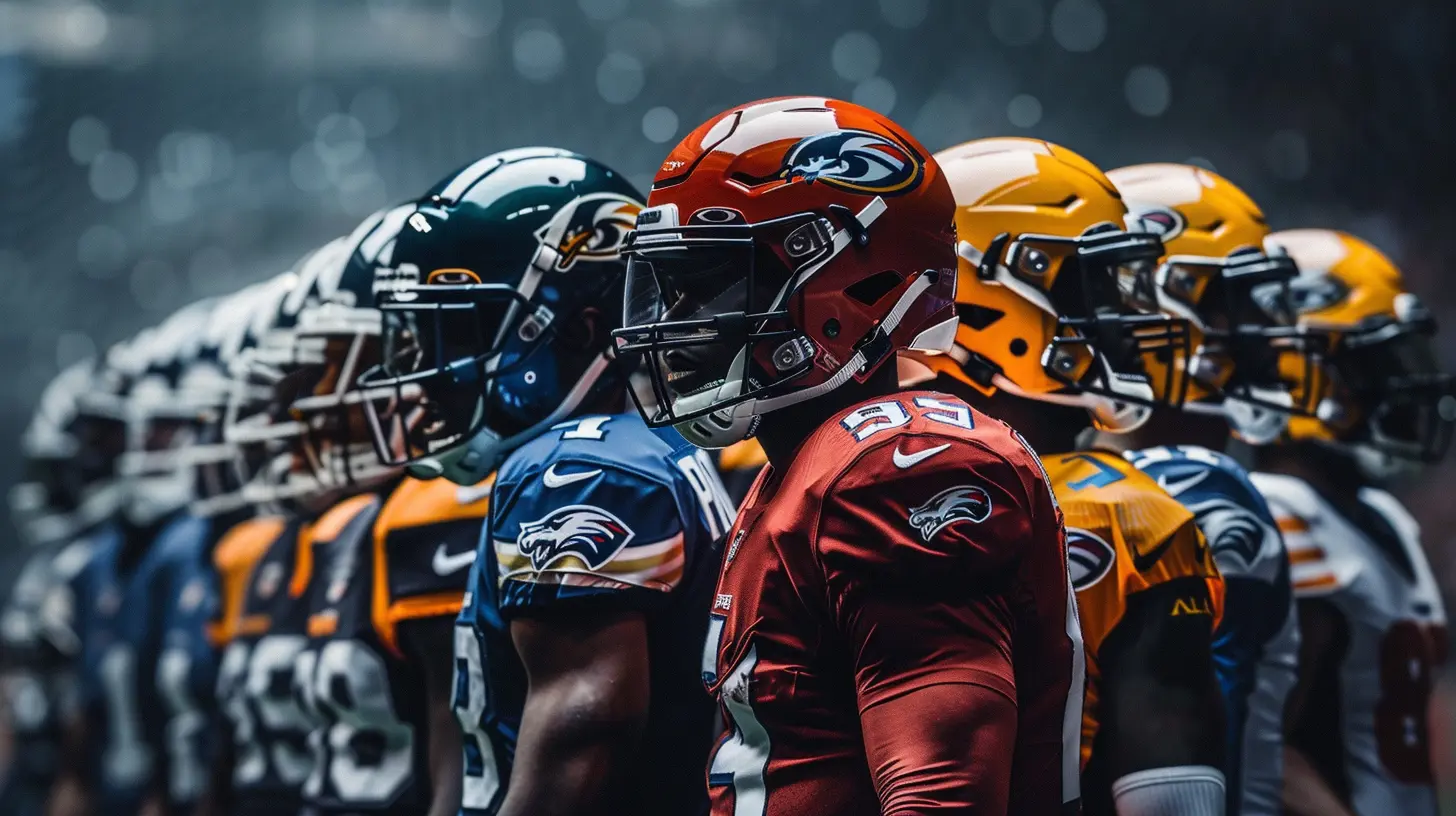
Shifting Supply and Demand
Free agency directly affects the supply and demand of players in the trade pool.Think about it: if a bunch of top-tier talent is snatched up in free agency, the number of available stars dwindles. So teams hungry for talent have no choice but to turn to trades.
It’s basic economics—high demand, low supply. And when that happens? Prices go up.
Suddenly, a player who might’ve been worth a second-round pick last month is now commanding a first-rounder and a young prospect. Teams know their leverage, and they press it hard.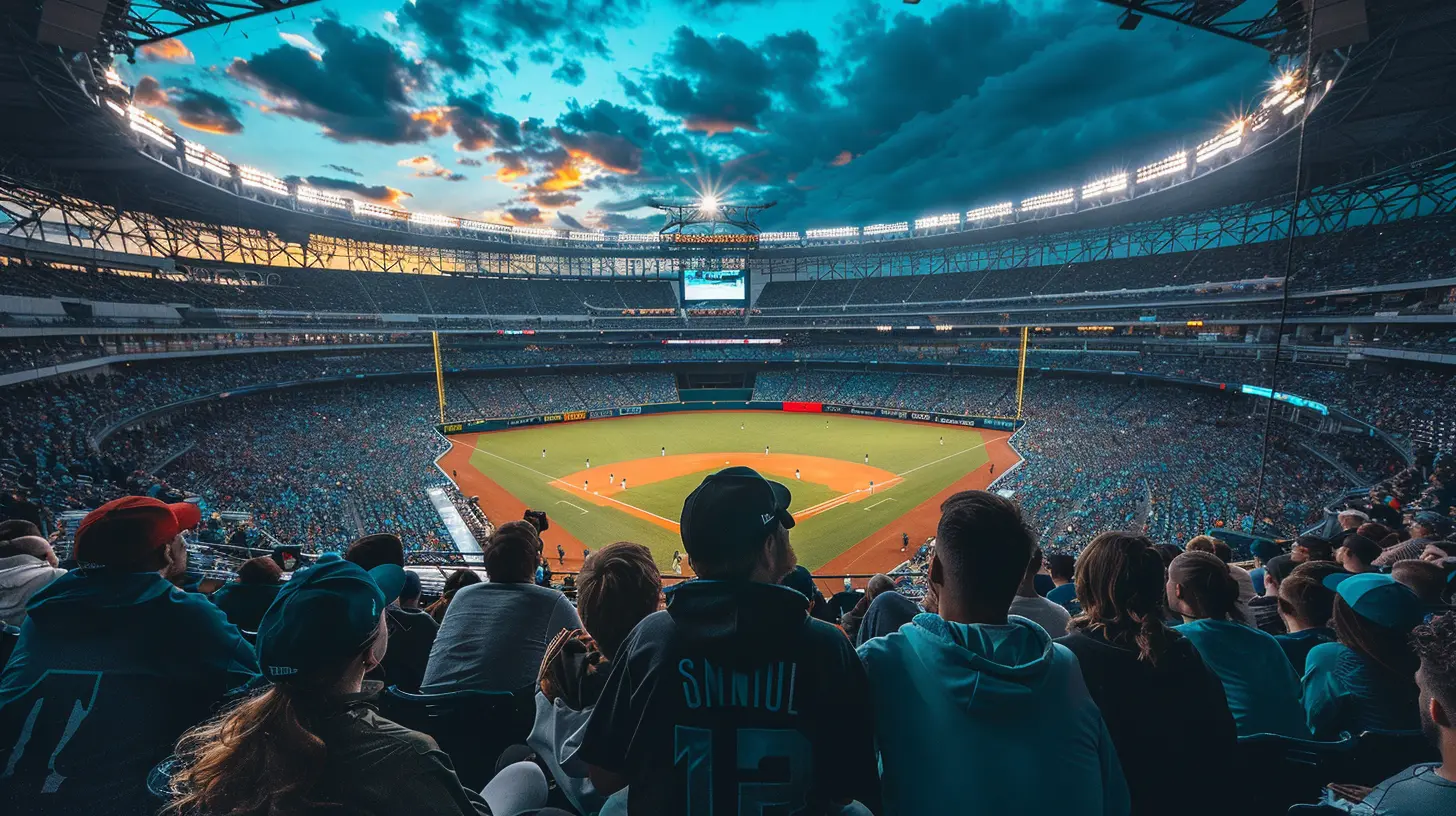
Leveraging Cap Space and Contracts
Money talks, especially in sports. Salary caps and contract structures can make or break deals. Free agency often involves huge contracts that reshape a team’s payroll flexibility.Let’s say a team signs a massive contract with a free agent. Now they’re over the cap or close to it. To make room for other moves or avoid luxury tax penalties, they might look to unload big salaries through trades.
So what happens? Players who were previously “off the table” become very available. Teams start offering stars they probably wouldn’t have moved otherwise.
Meanwhile, rebuilding squads with cap room become hot trade partners. They can absorb contracts in exchange for picks or future assets. Free agency creates this ripple effect that moves players around like chess pieces.
Free Agency Influences Team Direction
Some teams go all-in during free agency. They sign veterans, short-term deals, and aim to compete right away. If that plan backfires—or they miss their top targets—they may quickly pivot to rebuilding. And that’s when the trade market heats up.Think of it like a poker game. A team puts its chips in the middle, tries to land the ace. If they lose, they fold and sell off assets. That’s trade bait right there.
On the flip side, teams that land a big free agent might double down. They’ll look to trade for complementary pieces to build a contender around their new star.
Either way, free agency is the jumpstart to a team’s identity—are they buying in, cashing out, or sitting in the middle? The answer drives their trade moves.
Player Movement Sparks Other Moves
Player movement is contagious. When one domino falls, others follow.That’s especially true when free agents sign with contenders. Suddenly, rival teams feel pressure to match that firepower. They might not find answers in free agency—so they go shopping in the trade market.
Think of one major free-agent signing as lighting the match. Teams start scrambling to adjust.
This isn’t just speculation—it happens all the time. A few examples:
- When Kevin Durant signed with the Warriors, teams around the league re-evaluated their rosters.
- When Tom Brady joined the Buccaneers, contenders in the AFC made moves to beef up their defenses.
- When big-name MLB pitchers sign in free agency, teams that miss out often turn to trade for arms to stay competitive.
The lesson? Free agency isn’t just about who signs where—it’s about setting the pace.
Rent-a-Player Mentality and Trade Rentals
Sometimes missed free-agent opportunities force teams into “rental” trades—you know, when you trade for a player who’s about to be a free agent at the end of the season.Teams think: “We didn’t land our top guy… let's get someone for the stretch run, even if it’s short-term.”
These rentals can cost big-time in assets. But hey, desperate teams pay desperate prices.
Without the swing and miss in free agency, those trades might not happen. So in a way, free agency creates the pressure that fuels big trade-market decisions.
The Draft Picks Factor
Free agency often has a playoff-caliber team thinking short-term, while rebuilding teams think long-term. If a rebuilding team misses their top free-agent target, they might shift gears and hunt for draft capital via trades.Likewise, if a contending team lands a big fish in free agency, they might get aggressive with their picks and ship them for ready-now talent.
One set of events directly impacts the other. Free agency isn’t just about improving—it’s about adjusting the blueprint, and those adjustments ripple into the trades teams are willing to make.
Psychological Impact: Player Reactions and Locker Room Changes
This one’s sneaky, but real.When teams lose stars in free agency, the locker room feels it. Players notice. Morale shifts. Leaders leave. Uncertainty creeps in.
That can prompt front offices to make trades just to restore balance, bring in leadership, or shake things up.
At the same time, new free-agent signings can shift the locker room hierarchy. Teams might trade away players who suddenly seem expendable or who don’t fit the new direction.
So while it’s not always obvious, the emotional and psychological impact of free agency often sets the stage for trades that aren’t purely about stats.
Case Study: NBA’s Offseason Domino Dance
Let’s look at the NBA, because it’s the perfect illustration.In just one wild offseason:
- LeBron James signs with the Lakers.
- Other free agents flock there.
- Teams in the Western Conference start making trades—scrambling to stay competitive in a suddenly top-heavy conference.
Same thing when Kawhi Leonard hit free agency. The Clippers had to deal their future to get Paul George, creating a blockbuster trade just to seal the free-agent signing.
Free agency moves the needle, and the trade market follows like waves after a splash.
It’s All Connected: Free Agency and Trades in Sync
We like to treat free agency and the trade market as separate beasts, but let’s be honest—they’re dance partners. One doesn’t lead without the other following.Every team has a plan going into the off-season. Free agency either makes that plan, breaks it, or forces a rewrite. And when that happens, trades are the next chess move.
In simple terms?
- Nail free agency? Trade to complement.
- Strike out? Trade to recover.
- Caught in limbo? Use trades to buy time.
Front offices don’t live in a vacuum. They adjust on the fly. Free agency is just the first domino.
Final Thoughts
Free agency doesn’t just shape rosters—it sends shockwaves through the trade market. It creates winners, losers, and desperate teams in between. And those teams? They turn to trades to get back on track or stay ahead of the curve.If you’re a sports fan, pay close attention to free agency. Because if you want to predict the next big trade, that’s where the clues start.
And if you’re running a team (in real life or in fantasy), remember: free agency may be the opening move, but trades finish the story.
all images in this post were generated using AI tools
Category:
Free AgentsAuthor:

Everett Davis
Discussion
rate this article
2 comments
Zevran Franco
Free agency reshapes the trade landscape like a tidal wave, altering team dynamics and strategies overnight. Gone are the days of predictable moves; now, every decision ripples through the market. Teams must adapt or be left behind. Embrace the chaos, or prepare to watch from the sidelines.
February 23, 2026 at 1:55 PM
Everett Davis
Absolutely! Free agency injects unpredictability into trades, forcing teams to be agile and responsive to maintain competitiveness in a rapidly changing market.
Stella Clayton
Fascinating perspective! It’s intriguing how free agency shapes team strategies and influences trade dynamics. Can't wait to see more!
February 3, 2026 at 4:24 AM
Everett Davis
Thank you! I'm glad you found it intriguing. Free agency truly adds a unique layer to trade strategies. Stay tuned for more insights!