How Free Agents Can Help Rebuild Struggling Franchises
22 June 2026
Struggling sports franchises—yeah, they’re everywhere. You know the teams that just can’t seem to get it together? Year after year, fans hope for a turnaround, but all they get is heartbreak and highlight reels that feel more like blooper reels. Rebuilding one of these sinking ships into a competitive force isn’t easy, but there’s a pretty powerful way to speed up the process: free agents.
Free agency is like shopping for instant impact. Instead of waiting years for young talent to develop, a franchise can snag proven players who already know how to win. But is it really that simple? Let’s dive into how free agents can become the lifeline struggling franchises desperately need.
What Exactly Is a Free Agent?
Before we get into strategy-mode, let’s break it down. A free agent is a player whose contract with their previous team has expired. They’re free to sign with any team that wants them and offers the right deal. In essence, they’re on the job market—and if your team’s been scraping the bottom of the standings, these guys could be your golden ticket.There are two types:
- Unrestricted Free Agents (UFAs): They can sign with anyone, no strings attached.
- Restricted Free Agents (RFAs): Their previous team can match any offer or be compensated if they leave.
For rebuilding teams, it's usually the UFAs who matter the most.
Why Free Agents Matter to Rebuilding Teams
Here’s the thing—free agency isn’t just about filling gaps. It’s actually strategic leverage. A smart signing can do more than just win a few extra games. It can transform the culture, confidence, and trajectory of an entire franchise.Let’s break it down further.
1. Instant Talent Injection
There’s no sugarcoating it—most struggling teams are bad because they lack talent. Draft picks are great, but they’re long-term investments. What if you don’t have time to “wait and see”?That’s where free agents come in. These players have:
- Experience
- Proven production
- Professional work habits
They’re not just potential. They’re performance, right now.
Think about it like hiring an experienced chef for a failing restaurant. Sure, teaching a young cook might eventually work—but bringing in someone who’s already run five-star kitchens? Immediate impact.
2. Mentorship and Leadership
Young teams often lack veteran voices. A locker room full of rookies and second-year players needs a steady hand—someone who’s been there, done that, and more importantly, knows how to win.A seasoned free agent can:
- Set the tone in practice
- Keep younger players accountable
- Show what professionalism looks like
In sports, culture matters. You can’t rebuild the foundation if the players don’t buy in. Free agents can be those cornerstone leaders who start changing the vibe.
3. Attracting Other Talent
Success attracts success, right? If your franchise signs a respected veteran, it sends a message to the rest of the league: “We’re serious about turning this around.”Think about the NBA’s Miami Heat. When Jimmy Butler chose to go there, others followed. Same with Tom Brady and Tampa Bay in the NFL. One major free agent created a domino effect. The message is clear—players notice who’s going where and why.
4. Stabilizing the Franchise
Struggling franchises often suffer from constant turnover—coaches, GMs, rosters. It’s chaos. Signing a stable, consistent free agent can bring some much-needed order.Sure, their stat sheet helps. But their consistency might be even more valuable. Knowing you’ve got a guy who will give 100% every night brings peace to a chaotic system.
It’s like anchoring a storm-tossed boat—one steady hand can keep it from drifting farther into trouble.
5. Filling Strategic Holes
Sometimes a team isn’t terrible across the board. Maybe one or two key positions are holding them back. Injuries, lack of depth, or a weak spot in the lineup can cost games.That’s where targeted free agency shines. A steady defensive midfielder, an experienced left tackle, or a reliable closer—those types of guys can patch holes without a full rebuild.
It’s like fixing a leaky roof instead of tearing down the entire house. Find your weakest link and upgrade it—simple as that.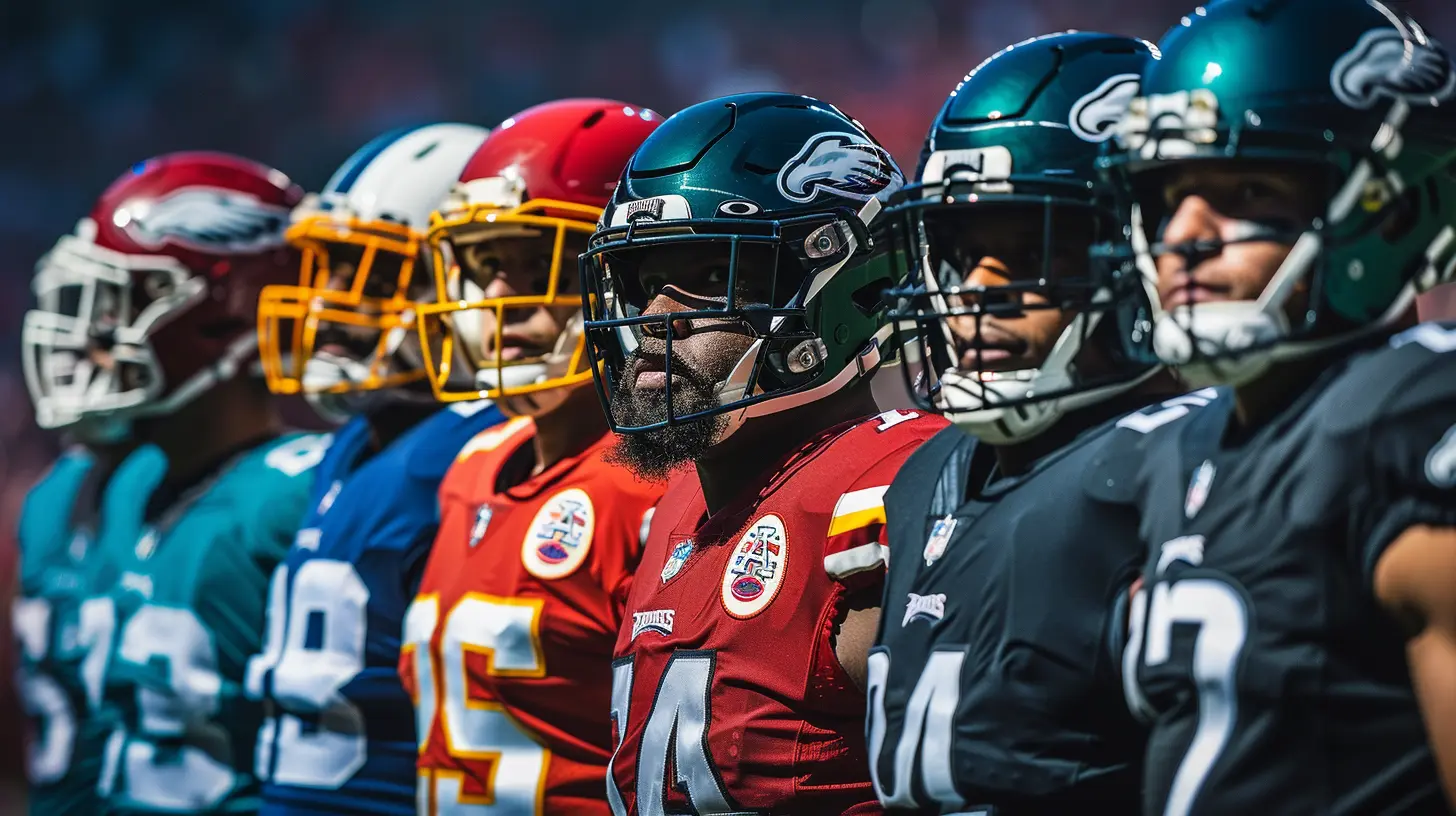
Real-World Examples of Free Agents Changing the Game
Let’s get real for a second. This isn’t all theory. There are plenty of real-life stories where free agents turned things around.NFL: Tom Brady and the Tampa Bay Buccaneers
Tampa was going nowhere fast. Then Brady showed up in 2020. Not only did the team get better, they won the Super Bowl that same season. His presence turned a perennial underachiever into a championship squad.That’s not just QB play—it’s leadership, belief, and attracting other top-tier talent like Rob Gronkowski and Leonard Fournette.
NBA: Chris Paul and the Phoenix Suns
Before CP3 landed in Phoenix, the Suns had missed the playoffs for a decade. Within one year, they were in the NBA Finals. Paul brought poise and leadership that changed everything.He didn’t just fit the puzzle—he was the missing piece.
MLB: Max Scherzer with the Washington Nationals
The Nationals were decent, but inconsistent. After signing Scherzer in 2015, the team made several playoff appearances and eventually won a World Series in 2019.One arm. One ace. A whole new era.
Challenges of Building Through Free Agents
Alright, let’s not go full fantasy land here—there are risks. Free agency isn’t a magic wand. In fact, if done wrong, it can cripple a rebuild. Here’s where it can go sideways:1. Overpaying for Past Performance
Some teams get starry-eyed and toss massive contracts at aging players past their prime. That’s a mistake. You're paying premium prices for your memories, not future value.Think of it like buying a used car at new car prices—you're setting yourself up for disappointment.
2. Blocking Young Talent
Bringing in veterans is great unless it stunts the growth of your young players. A rebuild means giving rookies minutes, reps, and room to grow.If your new free agent eats up all the space, development gets frozen.
3. Culture Fit Issues
Not all vets are locker room leaders. Some are just chasing a paycheck or can’t handle losing. Bringing in the wrong personality can poison the vibe.It’s like adding the wrong ingredient to a cake—it might look fine on the outside but taste horrible on the inside.
How Struggling Franchises Should Use Free Agency Wisely
So, how do you get it right? Here’s the blueprint:Target the Right Kind of Player
Look for:- Experienced winners
- Respected voices
- Players with a chip on their shoulder
You want someone hungry to prove themselves again—not just cashing in.
Balance Youth and Experience
Don’t go all-in on free agents. Blend them with your young core. Veterans should support, not replace, your future stars.Short-Term, Smart Contracts
Avoid long, bloated deals. Go for 1-3 year contracts that give flexibility. You’re not marrying these players—you’re hiring them to help build.Embrace a Culture-First Mentality
Talent is great, but character matters just as much. Prioritize free agents who will improve the locker room. It’s not just about points on the board—it’s about pride, work ethic, and professionalism.Free Agency in Different Leagues
Let’s not pretend all sports operate the same. Here’s how free agency plays out across the major leagues:NFL
- Cap-tight league, so smart deals are crucial.- Veterans often sign short-term deals to chase rings.
NBA
- Stars can make or break franchises.- Super teams often start in free agency.
MLB
- No salary cap, so the richest teams often dominate.- Can sign long-term megadeals.
NHL
- Culture and chemistry are everything.- Depth signings matter just as much as stars.
Each league requires a different approach, but the principle is the same: free agency done right can turn a dumpster fire into a dynasty.
Final Thoughts
Rebuilding a struggling franchise is never easy. Fans are tired, the pressure’s on, and nobody wants to wait through “another five years.” But free agency—when used smartly—can fast-track the process.The right players bring talent, leadership, and belief. They anchor the young stars, show the path forward, and sometimes, change the course of a franchise entirely.
So the next time your team signs a veteran free agent? Don’t scoff. That might be the turning point you’ve been waiting for.
all images in this post were generated using AI tools
Category:
Free AgentsAuthor:

Everett Davis
Discussion
rate this article
1 comments
Lauren Conrad
So you're telling me a team can just shop for talent like it's a grocery list? I hope they pick up some extra defense on aisle three because that team needs way more than just snacks!
July 1, 2026 at 11:35 AM
Everett Davis
It's all about making smart choices. Just like shopping, teams need to prioritize what they really need to build a solid foundation. A little extra defense would definitely help!