How Injuries Will Shape the NBA Playoff Race in 2026
19 October 2026
Every NBA season tells a story about health, and the 2025-26 campaign is already writing a dramatic chapter. The playoff race in 2026 is not just about talent, schemes, or star power. It is about who stays on the floor when the games start to matter. Injuries have always influenced the NBA, but the modern game has made availability the single most valuable skill a team can develop. This article breaks down how injuries will shape the playoff picture, which teams are most exposed, how front offices should think about risk, and what fans should watch for as the season moves toward April and beyond.
Why Availability Matters More Than Ever in 2026
The NBA has never been more demanding. Pace and space basketball stretches defenses across the full court, and players cover more ground per game than they did a generation ago. The schedule remains congested, with back-to-backs, travel across time zones, and the added pressure of the in-season tournament. The result is a league where the margin between a top-four seed and a play-in spot can come down to a handful of games, and those games are often decided by which team has its best players available.There is a second layer to this. The new collective bargaining agreement's apron rules make it harder to build deep rosters. Teams that spend big on stars have less flexibility to sign quality replacements. When a star goes down, the drop-off to the bench is steeper than it used to be. That means injuries do not just cost a team games in the short term. They can cascade into seeding problems, playoff matchup disadvantages, and even long-term cap headaches.
Consider the math. In a typical season, the difference between the fourth seed and the eighth seed is often three to five games. A single two-week absence from a top player can swing a team's record by several games. Multiply that across a conference, and you get a playoff race shaped as much by training staffs and load management decisions as by pick-and-roll coverage.
The Anatomy of Playoff-Changing Injuries
Not all injuries are created equal. A sprained ankle that costs a role player a week is very different from a soft-tissue injury that lingers for a star. When analysts talk about injuries shaping the playoff race, they are usually thinking about four categories.Soft-Tissue Injuries
Hamstring, calf, and groin strains are the most common and most frustrating injuries in the modern NBA. They are also the most predictive of recurrence. A player who suffers a hamstring strain early in the season is at elevated risk of re-injury, especially if he returns too quickly. Teams that manage these injuries conservatively often sacrifice regular-season games for playoff health. Teams that push their stars back early risk losing them in April.The trade-off is real. A team fighting for home-court advantage may feel pressure to bring a star back before he is fully ready. The best organizations resist that pressure, but not every front office has that luxury. Watch for teams near the play-in line to take more risks with soft-tissue injuries, and watch for those risks to backfire.
Joint and Ligament Injuries
Knee and ankle injuries carry a wider range of outcomes. A minor ankle sprain might cost a player three games. A more significant knee issue could cost a season. The key variable is uncertainty. Teams often do not know the full extent of a joint injury until swelling subsides and imaging is complete. That uncertainty can freeze a front office at the trade deadline, unsure whether to buy or sell.Load-Related and Chronic Issues
Some injuries are not single events but patterns. A player with tendinopathy in his knees or a history of stress reactions needs careful management. These are the injuries that shape playoff races quietly. A star who sits out one game of every back-to-back is not injured in the traditional sense, but his availability is still limited. Teams must plan around these constraints, and opponents must exploit them.Concussions and Illness
These are less predictable but no less impactful. A concussion can sideline a player for a week or more under the league's protocols. Illness can sweep through a locker room in days. In a tight playoff race, a single outbreak can cost a team three or four games.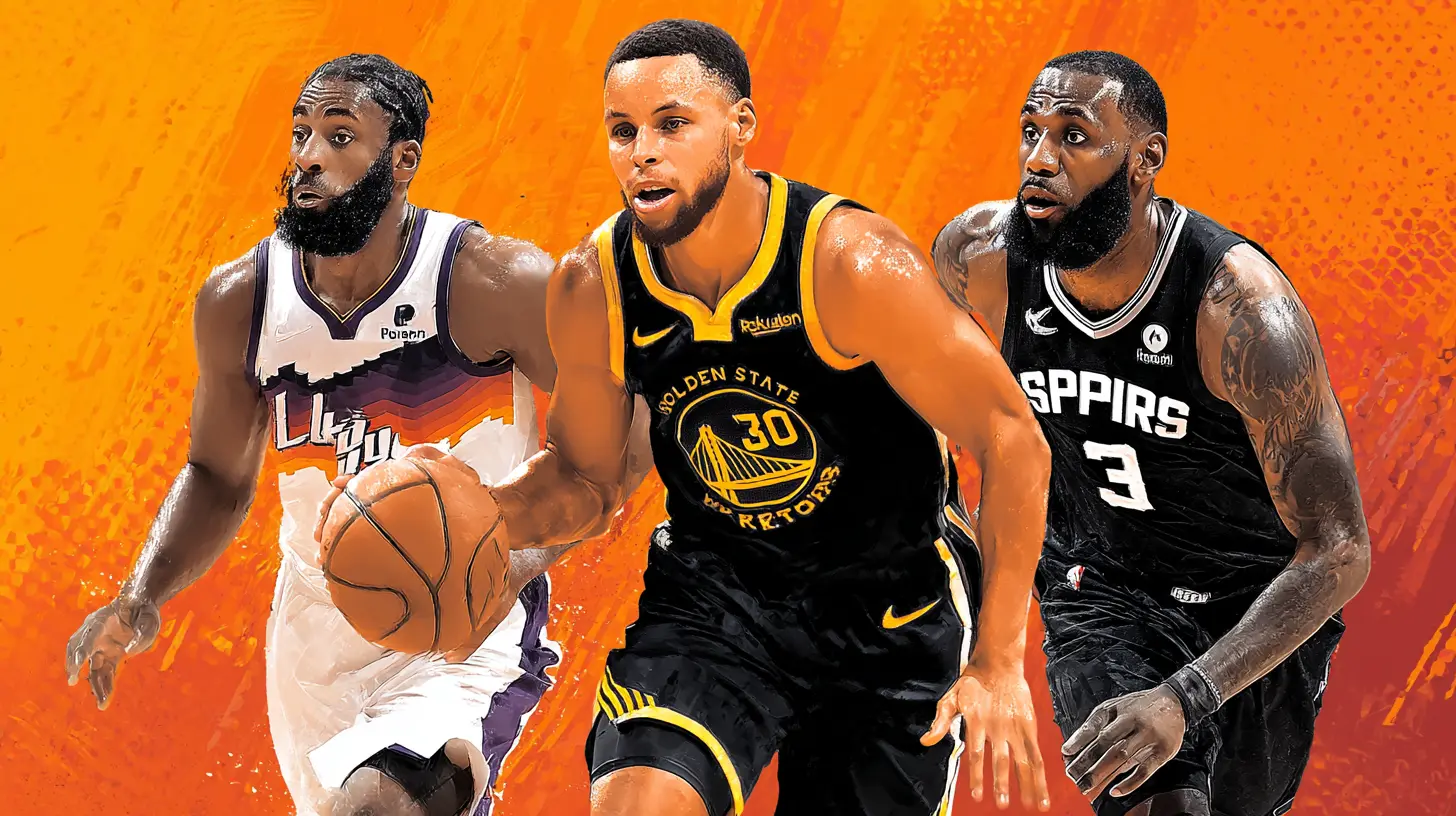
How Injuries Reshape the Standings
The playoff race is a zero-sum game. Every game a team loses to injury is a game another team gains in the standings. The teams that benefit most are not always the ones with the best rosters. They are the ones with the best health.The Ripple Effect on Seeding
Seeding matters more than casual fans realize. Home-court advantage in the playoffs is worth several points per game in expected win probability. A team that slips from the third seed to the sixth may face a tougher first-round opponent and lose home court. Injuries often decide these margins.Look at recent history. Teams that finished with the best records in their conference have often done so not because they were clearly the most talented, but because they avoided major absences. The correlation between games lost to injury and seeding is strong. In 2026, expect the same pattern.
The Play-In Tournament as a Safety Net and a Trap
The play-in tournament has changed how teams think about injuries. On one hand, it gives teams a second chance. A team that falls to seventh or eighth because of injuries can still make the playoffs. On the other hand, the play-in adds two high-stakes games that increase injury risk. A team that limps into the play-in with a banged-up roster may face a win-or-go-home game with players who are not fully healthy.The strategic question is whether to push for the sixth seed or accept the play-in. Some teams will choose the play-in to buy extra rest for injured players. Others will push hard to avoid it. Both approaches have merit, and the right choice depends on the specific injury situation.
The Trade Deadline as a Health Hedge
The trade deadline falls in early February, right in the middle of the season. Front offices must decide whether to add depth as insurance against injuries or hold pat. Teams with injury-prone stars should lean toward adding reliable rotation players, even at the cost of future assets. Teams with healthy rosters may prefer to preserve flexibility.The mistake many teams make is waiting until an injury happens to address depth. By then, the market has tightened and prices have risen. Smart teams anticipate injury risk and build rosters that can absorb it. This is not about hoarding talent. It is about having credible replacements for the players most likely to miss time.
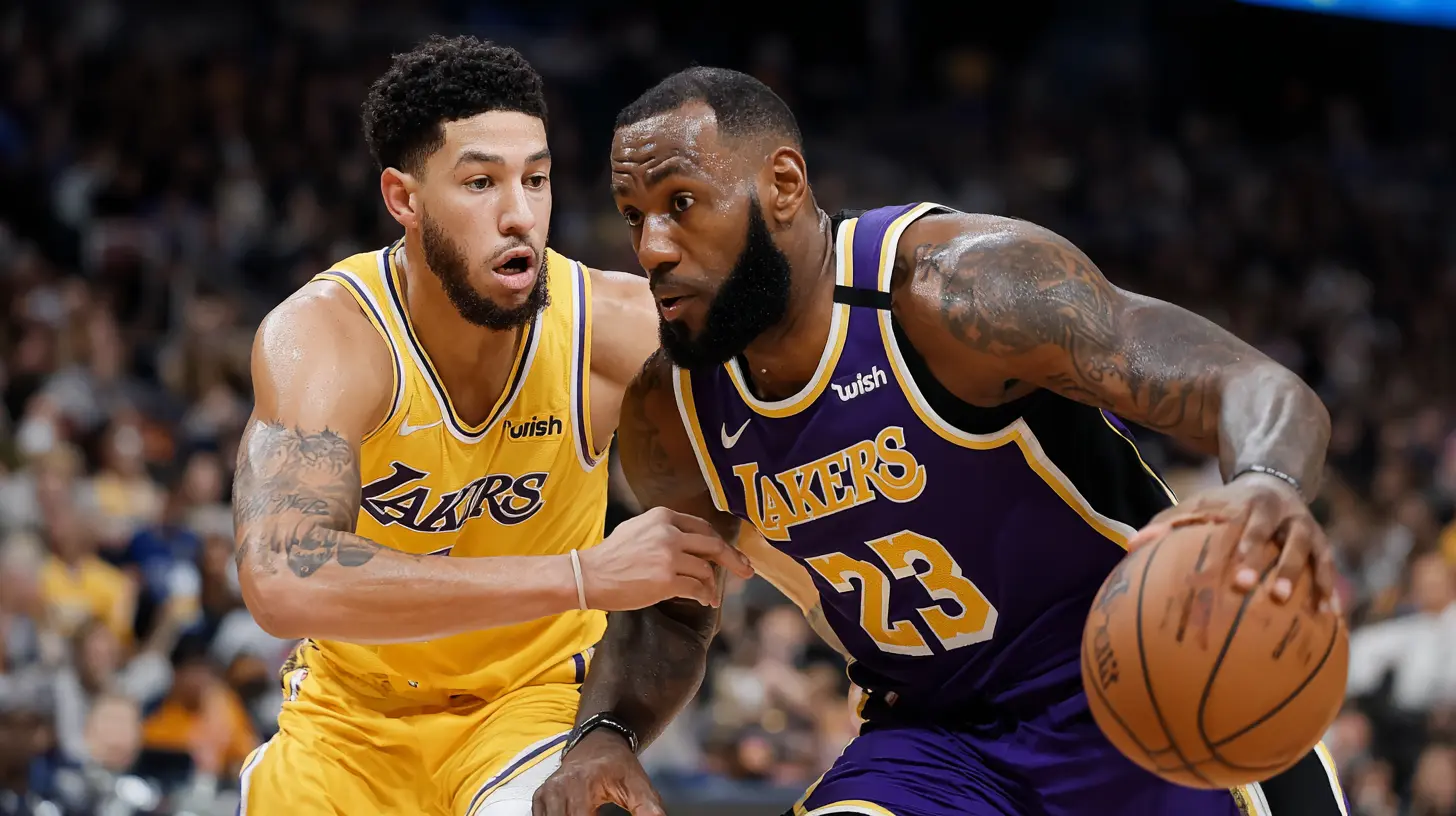
Which Teams Are Most Exposed
It is impossible to predict injuries with certainty, but it is possible to identify teams with elevated risk. The following factors matter most.Age and Mileage
Older teams face higher injury risk. Players in their mid-30s recover more slowly and are more susceptible to soft-tissue injuries. Teams built around veteran stars must manage minutes carefully and plan for absences. The trade-off is experience and skill versus availability.Injury History
Players with a history of major injuries are more likely to miss time again. This does not mean they are fragile. It means their bodies have been through trauma, and the risk of recurrence is real. Teams that sign injury-prone players must build in contingency plans.Playing Style
Players who rely on explosive athleticism and heavy minutes are at higher risk. High-usage stars who attack the rim and draw contact absorb more wear and tear. Teams that depend on one player for a huge share of their offense are more vulnerable to a single injury derailing their season.Roster Depth
Depth is the best insurance against injury. Teams with reliable eighth and ninth men can survive short-term absences. Teams with top-heavy rosters cannot. The apron rules make depth harder to build, which means teams must be creative in finding cheap, reliable contributors.Practical Advice for Teams and Fans
Injuries are unpredictable, but preparation is not. Here is how teams should think about injury risk, and how fans should interpret the news.For Front Offices
Build depth before you need it. The best time to add insurance is when your roster is healthy. Waiting until a star goes down means paying a premium for a replacement.Invest in sports science and load management. The teams with the best training staffs consistently lose fewer games to injury. This is not about luck. It is about monitoring workload, sleep, nutrition, and recovery.
Communicate honestly about injuries. Fans and media can handle uncertainty. What they cannot handle is vague timelines that shift every week. Clear communication builds trust and reduces speculation.
Plan for the worst case. Every team should have a contingency plan for losing its best player for a month. If the plan is "hope it does not happen," it is not a plan.
For Fans
Ignore the noise around minor injuries. A player listed as questionable is often fine. The real signal is when a team gives a timeline of weeks rather than days.Watch the schedule. A team with a soft stretch of games can afford to rest an injured player. A team with a brutal stretch may rush him back. The schedule context tells you a lot about intent.
Track the training staff. Some organizations have reputations for conservative management. Others have reputations for pushing players back quickly. These reputations are not always fair, but they are informative.
Common Mistakes and Misconceptions
Several myths about injuries persist in NBA discourse. Clearing them up helps fans and analysts think more clearly.Myth: Injuries Are Just Bad Luck
Luck plays a role, but injuries are not random. Training, load management, playing style, and roster construction all influence injury rates. Teams that invest in prevention lose fewer games.Myth: Resting Players Is Always the Right Call
Rest has costs. A team that rests stars too aggressively may lose games it could have won. The right approach is nuanced. Rest when the risk is high, play when the risk is manageable.Myth: A Healthy Team Is a Lock for the Playoffs
Health is necessary but not sufficient. A healthy team still needs talent, coaching, and chemistry. Injuries shape the race, but they do not determine it alone.Myth: The Play-In Tournament Rewards Injured Teams
The play-in gives teams a second chance, but it also adds risk. A team that limps into the play-in may face elimination games with players who are not fully healthy. The play-in is a safety net, not a guarantee.What to Watch in the Second Half
As the 2026 season moves toward the playoffs, several storylines will determine how injuries shape the race.First, watch the teams near the play-in line. These teams face the most pressure to rush players back. Their decisions will have ripple effects across the standings.
Second, watch the trade deadline. Teams that add depth will be better positioned to absorb injuries. Teams that stand pat will be more exposed.
Third, watch the load management decisions. Teams that rest stars in March are signaling that they value playoff health over seeding. That is often the right call, but it can cost home-court advantage.
Fourth, watch the training staffs. The teams with the best injury prevention programs will have an edge in April and May.
The Bottom Line
Injuries will shape the 2026 NBA playoff race in ways that are impossible to predict with certainty. But the broad patterns are clear. Teams that build depth, manage load carefully, and communicate honestly will be better positioned to survive the inevitable absences. Teams that rely on a few stars and hope for the best will be more vulnerable.The playoff race is not just a test of talent. It is a test of organizational discipline. The teams that treat availability as a competitive advantage will be the ones still standing when the games matter most. For fans, the lesson is simple. Pay attention to health, not just highlights. The quiet stories about training staffs and rest days often determine who lifts the trophy in June.
all images in this post were generated using AI tools
Category:
Game PredictionsAuthor:

Everett Davis
Discussion
rate this article
1 comments
Zedric Morgan
Exciting insights! Injuries always shake up the competition.
October 19, 2026 at 12:08 AM