How Quarterback Changes Will Affect Game Outcomes in Late 2026
15 November 2026
The quarterback position is often viewed as the most critical in football. As the leader of the offense, the quarterback's decisions and performance can heavily influence the game's outcome. As we approach late 2026, various factors will shape how quarterback changes affect both team dynamics and game results. This article delves into the intricate relationship between quarterback adjustments, team performance, and the broader implications for game outcomes.
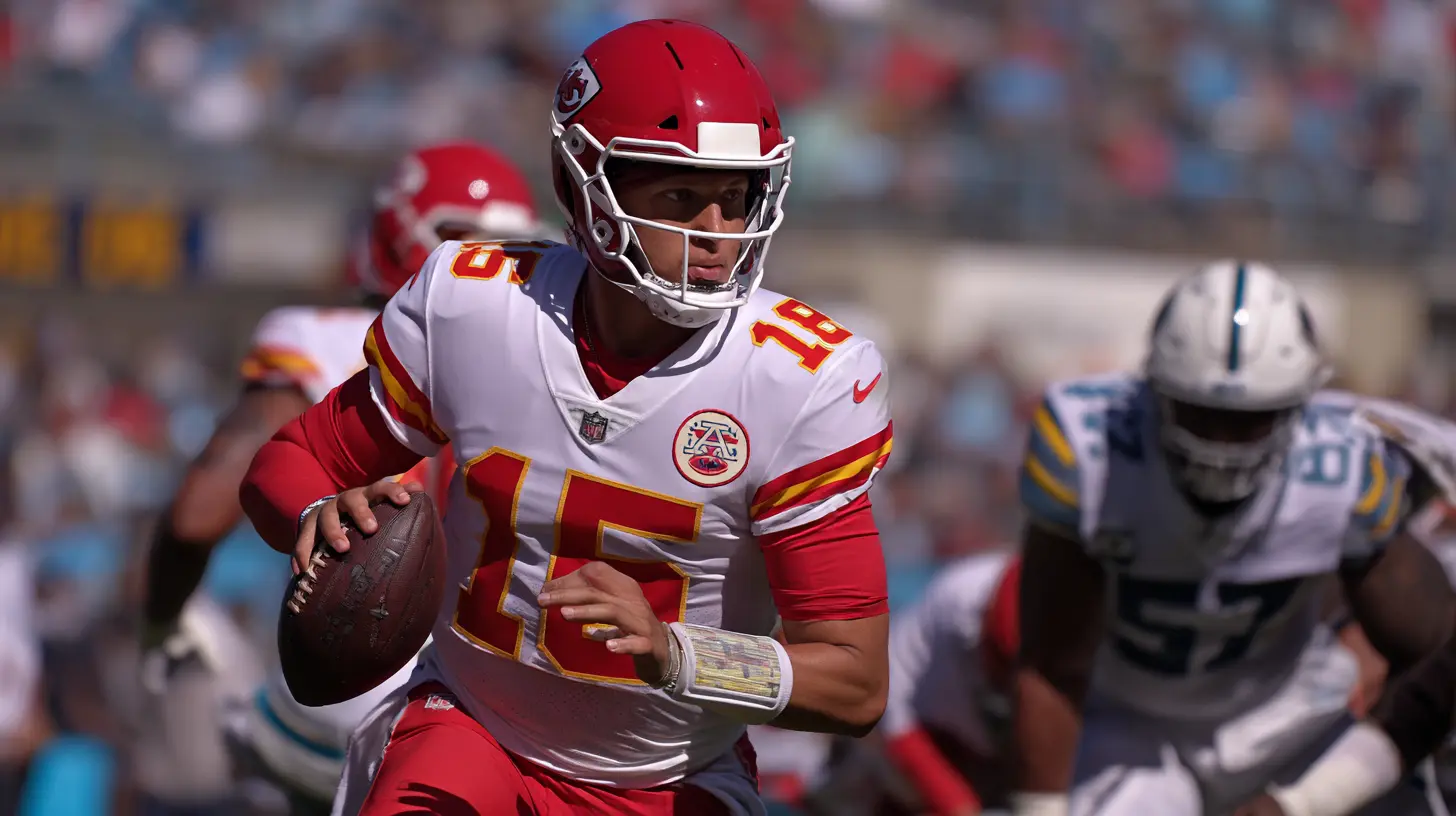
The Importance of the Quarterback Position
Leadership and Decision-Making
A quarterback is not merely a player who throws the ball. They are the on-field general, responsible for reading defenses, calling plays, and making split-second decisions. Leadership qualities are essential for instilling confidence in teammates. A quarterback who can maintain composure under pressure often leads to better overall team performance.Skill Set and Adaptability
The modern game demands a diverse skill set from quarterbacks. They must possess a strong arm, accurate passing ability, and quick decision-making skills. adaptability is crucial; the quarterback must adjust their play style based on the strengths and weaknesses of both their team and the opposing defense. For example, a quarterback accustomed to a pocket-passing style may need to develop mobility to evade rushers in a high-pressure scenario.The Impact of a Quarterback Change
Changing quarterbacks can stem from various reasons, including injuries, performance issues, or strategic shifts. Each scenario has a distinct impact on the team.Injuries
An injury to a starting quarterback often leads to a backup stepping in. This transition can disrupt team chemistry and offensive flow. For example, if a backup lacks the same level of rapport with the offensive line or wide receivers, it can lead to miscommunication and missed opportunities. Teams must ensure that the backup is prepared and has had sufficient practice with the starting unit.Performance-Based Decisions
Sometimes, a change is necessitated by underperformance. A struggling quarterback can negatively impact a team's morale. When a coach opts for a new starter, it can inject fresh energy into the squad. However, this switch must be managed carefully. If the new quarterback is unable to perform at an adequate level, it can exacerbate existing issues rather than resolve them.Strategic Changes
As game strategies evolve, teams might implement a quarterback change to fit a new offensive scheme. For instance, transitioning from a traditional pro-style offense to a more dynamic spread offense may necessitate bringing in a quarterback with different skill sets, like improved mobility and quick-release passing. This strategy requires careful consideration of how well the new quarterback can execute the offensive game plan.
Evaluating Quarterback Performance Metrics
Passing Statistics
Evaluating a quarterback's performance involves more than just looking at passing yards or touchdowns. Important metrics include:- Completion Percentage: This indicates accuracy and the ability to make precise throws.
- Yards per Attempt: A higher number suggests the quarterback is pushing the ball downfield effectively.
- Touchdown-to-Interception Ratio: This shows decision-making skills; a high ratio indicates a quarterback is making smart choices with the football.
Advanced Metrics
Advanced statistics, like QBR (Quarterback Rating) and EPA (Expected Points Added), provide deeper insights into a quarterback's impact on the game. While traditional stats are valuable, these metrics help illustrate how a quarterback's decisions translate into scoring opportunities.Game Film Analysis
Analyzing game film is essential for understanding a quarterback's performance. Coaches can assess decision-making under pressure, accuracy, and how well the quarterback reads defenses. This analysis can help determine whether a change is necessary and, if so, what kind of quarterback would best fit the team's needs.
The Ripple Effect of a Quarterback Change
A quarterback change does not only impact the player in question; it affects the entire team. Let's examine some key areas influenced by this transition.Offensive Line Dynamics
The offensive line plays a critical role in a quarterback's success. Each quarterback has different preferences regarding protection and timing. A sudden change can disrupt the offensive line's confidence if they must adjust their blocking schemes or timing to accommodate a new signal-caller.Skill Position Players
Wide receivers, tight ends, and running backs often develop a unique chemistry with the starting quarterback. A new quarterback may not have the same rapport with these players, leading to miscommunication and incomplete passes. Coaches should facilitate extra practice sessions to help build this chemistry.Coaching Staff Considerations
A quarterback change can shift the coaching staff's approach to play-calling. A coach might feel compelled to alter the offensive scheme to leverage the new quarterback's strengths, which can confuse players who are accustomed to the previous system. Implementing a seamless transition requires careful planning and communication.
Real-World Examples of Quarterback Changes
The 2021 Season: A Case Study
In the 2021 NFL season, several teams experienced quarterback changes due to injuries and performance issues. One notable example is the San Francisco 49ers, who switched from Jimmy Garoppolo to rookie Trey Lance. While Garoppolo had experience and led the team to the playoffs, Lance's dual-threat ability brought a new dynamic to the offense. The team struggled initially with the transition, but as Lance gained experience, the offensive potential became evident.The 2020 Tampa Bay Buccaneers
Tom Brady's arrival in Tampa Bay transformed the Buccaneers from a team with potential to Super Bowl champions. His leadership and experience brought a new level of confidence to the squad. The coaching staff adapted the playbook to fit Brady's strengths, demonstrating how a well-planned quarterback change can yield positive results.Common Mistakes in Managing Quarterback Changes
Rushing the Decision
One of the most significant mistakes teams make is rushing to change quarterbacks without proper evaluation. A knee-jerk reaction often leads to further instability. Coaches should thoroughly assess performance metrics, team chemistry, and the long-term vision before making such a pivotal decision.Neglecting the Backup's Development
If a team knows that a starting quarterback is injury-prone or struggling, it is crucial to invest in the backup's development. Neglecting this aspect can lead to a poorly-prepared player stepping into a crucial role, which could jeopardize the team's chances of success.Inconsistent Communication
Clear communication is vital during a quarterback change. Whether it's the coaching staff explaining the reasons behind the switch or the new quarterback engaging with his teammates, transparency fosters trust. A lack of communication can lead to confusion and discord within the locker room.
Best Practices for Implementing Quarterback Changes
Assess the Roster
Before making a quarterback change, evaluate the entire roster. Consider whether the current personnel can support a new quarterback's style of play. If the offensive line excels in pass protection but struggles in run blocking, a mobile quarterback might not be the best fit.Focus on Practice
Once a change is made, prioritize practice sessions that allow the new quarterback to build chemistry with the offensive unit. Organize extra workouts and walkthroughs to ensure everyone is on the same page.Monitor Performance Metrics
Continuously track performance metrics during and after the transition. This data will help assess whether the new quarterback is meeting expectations and contributing positively to the team's success.Foster an Inclusive Environment
Create an environment where all players feel comfortable expressing concerns or suggestions regarding the quarterback change. Encouraging open dialogue can help build team unity and ensure everyone is focused on the same goal.Possible Outcomes of Quarterback Changes in Late 2026
As we look ahead to late 2026, several outcomes could arise from quarterback changes:Increased Team Cohesion
If managed effectively, a quarterback change can lead to increased team cohesion. Players rally around a new leader, fostering a renewed sense of commitment and enthusiasm. This boost can enhance performance on the field.Strategic Innovations
Teams may leverage a new quarterback's skill set to develop innovative strategies. This evolution could change how the game is played, making it essential for opposing defenses to adapt quickly.Playoff Implications
The timing of a quarterback change can drastically affect playoff outcomes. A successful transition late in the season can propel a team into the playoffs, while a poorly timed change may lead to missed opportunities.Long-Term Development
If a young quarterback is given the opportunity to start, it can pay dividends in the long run. Developing talent through real-game experience can set a team up for sustained success beyond the current season.
Conclusion
Quarterback changes are among the most significant decisions a football coach can make. These transitions can influence team dynamics, game outcomes, and a team's overall trajectory. By understanding the implications of these changes, coaches and organizations can make informed decisions that impact their success in late 2026 and beyond.As the landscape of football evolves, so too must the approach to managing quarterbacks. With careful planning, effective communication, and a focus on team unity, the right changes can lead to victory on the field.
all images in this post were generated using AI tools
Category:
Game PredictionsAuthor:

Everett Davis