How Social Media is Influencing College Sports
26 March 2026
Social media has completely flipped the playbook on college sports. Just like how smartphones replaced flip phones, platforms like Instagram, TikTok, and Twitter are redefining the way athletes, fans, recruiters, and even universities interact with the game. It’s a different ballgame now, and if you're even remotely interested in college sports—or sports marketing—you'll want to stick around for this one.
Let’s break down the absolute game-changing impact of social media on college sports. Buckle up. It’s a wild ride!
📱 The New MVP: Social Media
Think back 10 to 15 years ago. Most student-athletes were just hoping to get seen by a scout or get mentioned in the local newspaper. These days? A viral TikTok video or a killer Instagram post can put a high school athlete on the radar of top college programs within hours.Social media isn't just a highlight reel anymore. It's a platform for branding, networking, and even making money (thanks to NIL deals—but more on that later!).
📈 Recruiting Reimagined: When Hashtags Meet Highlights
Back in the day, scouts had to physically attend high school games, sift through tapes, and rely on word-of-mouth. That’s like trying to send an email using carrier pigeons.Now? College coaches cruise through social platforms to discover talent. Recruits are showing out on Instagram with mixtapes, workouts, training drills, and even daily routines. Twitter threads have become scouting reports. Coaches can assess not just skill, but personality, discipline, and star potential—all from a smartphone.
Let me ask you this: if you're a high school athlete who posts regular updates, highlight reels, and demonstrates leadership online, who do you think is getting that D1 offer? You, or the kid with zero online presence?
Yep. Case closed.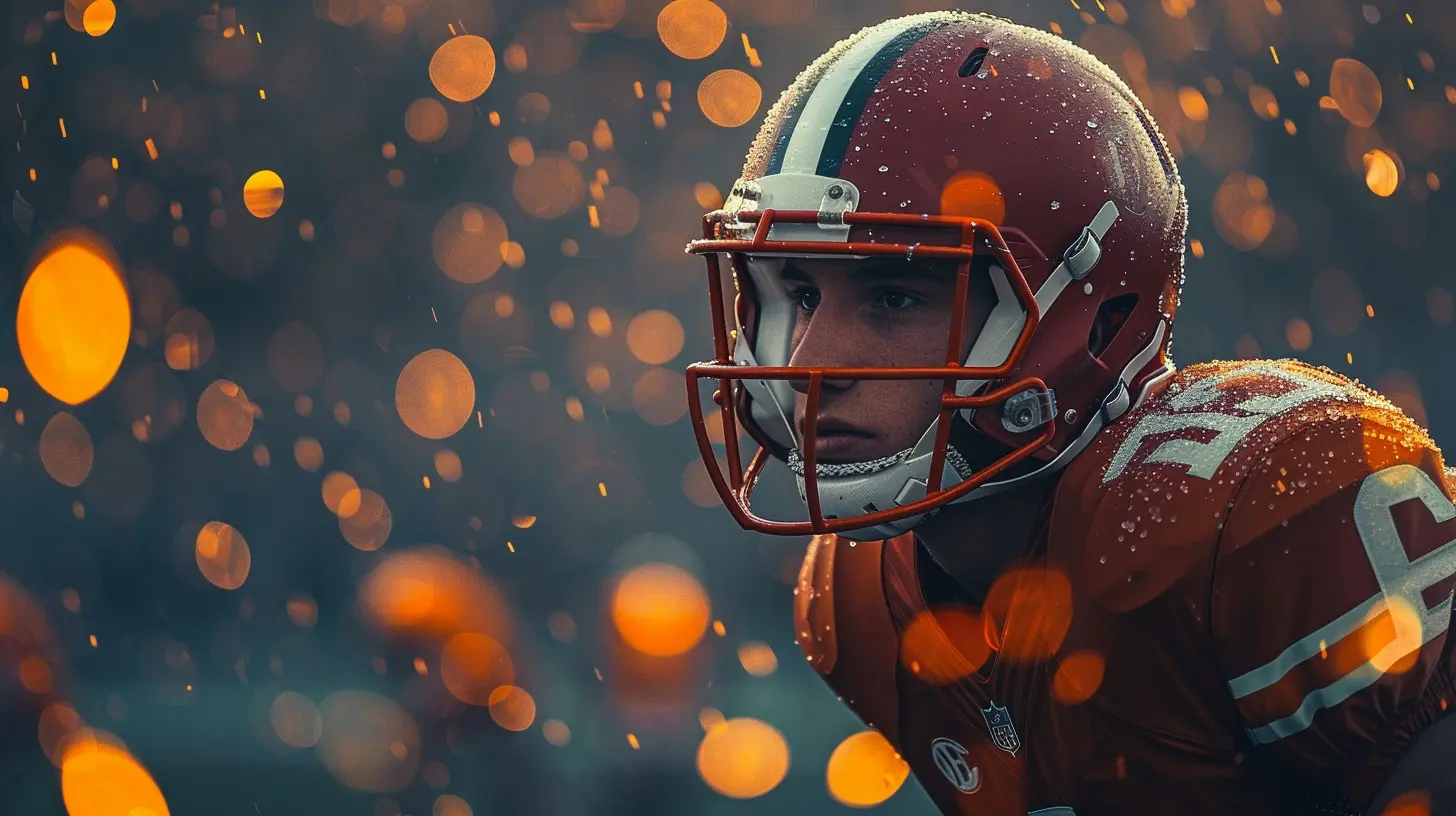
🤑 NIL Era: The Pay-to-Post Revolution
Let’s talk about the big elephant in the locker room: the Name, Image, and Likeness (NIL) rule.Since the NCAA allowed college athletes to profit from their NIL, social media has become a gold mine. Platforms turned into business hubs. Athletes are now influencers. A freshman with 100K Instagram followers can bring in serious cash—through sponsorships, partnerships, merch drops, and more.
Take LSU’s gymnast Olivia Dunne or Alabama’s quarterback Bryce Young. They’ve built empires—yes, empires—using just their phones and charisma. Brands are lining up because these athletes have built loyal fanbases online.
And let’s be real, who doesn't want to make bank while still getting a free education?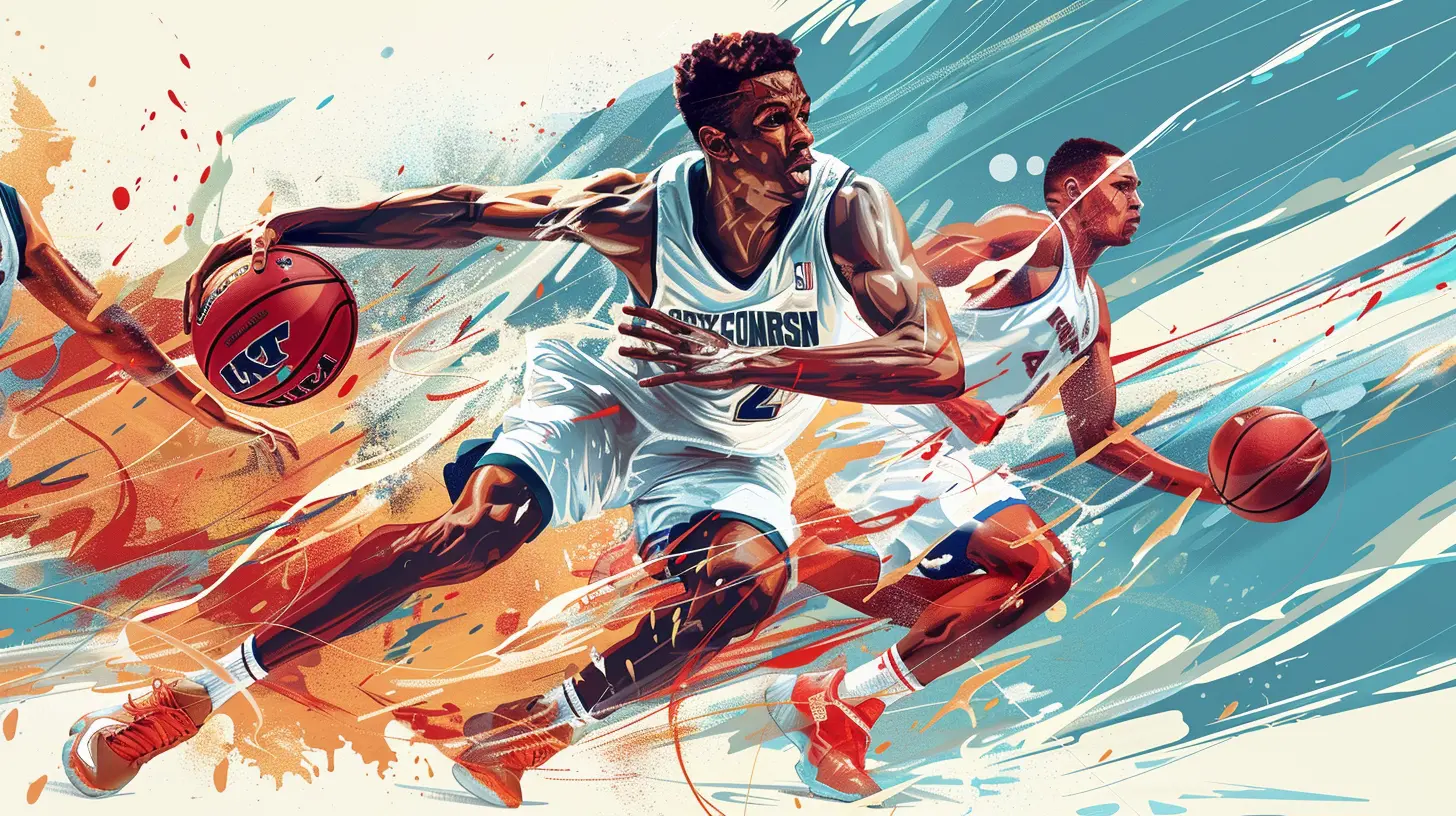
📣 Fan Engagement: From Bleachers to DMs
Fans have always been the heartbeat of college sports. But social media has cranked up the volume to eleven.Now fans can interact directly with athletes. They comment, repost, stitch, and even message their favorite players. This two-way interaction builds stronger connections, more loyalty, and way more emotional investment. Think of it like your favorite band giving you a shoutout during a concert. Chills, right?
Universities are also catching on. Athletic departments now have dedicated social media teams. They’re posting behind-the-scenes videos, team vlogs, game-day content, and everything in between to keep the hype alive year-round.
Social content = more fans = more ticket sales = more revenue. Simple math.
👀 The Pressure Is Real: Mental Health in the Digital Age
Let’s not pretend it’s all sunshine and sponsorships. The flip side of this 24/7 digital exposure? Constant scrutiny.Imagine being a 19-year-old student-athlete with thousands of followers. Every missed shot, every dropped pass, every unpopular opinion—you’re getting roasted in the comments by total strangers. That kind of pressure can be mentally draining.
Athletes are human, after all. The need to appear perfect online can take a toll on their mental health. Thankfully, we’re seeing more athletes speak out and more awareness campaigns from schools to support them both on and off the field.
Remember: behind every viral post is a real person just trying to hustle through college.
🧠 Building Personal Brands: More Than Just an Athlete
These days, athletes aren’t just training to improve their stats—they’re elevating their brands.Social media lets them showcase hobbies, interests, causes, and personalities. Whether it’s fashion, music, gaming, or activism, players are multidimensional online. This not only attracts fans but makes them more attractive to brands and future employers.
Being “just an athlete” is so last decade. Now it's about being a brand, a business, and sometimes, a movement.
LeBron may have said “I’m more than an athlete,” but college athletes are living it every day.
🧩 The Role of Content Creation: Lights, Camera, Go Viral
Let’s be real—sometimes, what happens off the field gets more attention than what happens on it.Short-form video content is dominating everything. TikTok trends, YouTube shorts, and Instagram reels are the new currency. Athletes who understand content creation—storytelling, editing, engaging—are gaining serious traction.
Some even run side businesses helping others grow their digital presence (yes, they’re CEOs in college!).
Social media is teaching athletes skills they never learned in the classroom—but ones they’ll use for life. Think digital branding, media literacy, communication, and even negotiation. That’s a full-blown education right there.
🪜 Leveling the Playing Field: Small Schools, Big Reach
Social media doesn’t care if you play for a Power Five conference or a small D3 school. If your content slaps, it slaps.This democratization means players from smaller programs can still go viral, get picked up by scouts, and build a following just as big as their big-school counterparts. It all depends on creativity, effort, and smart posting.
Remember that unknown guy from a tiny school who threw down a one-handed dunk on TikTok that hit 5 million views overnight? That’s the power of social—and it’s happening every day.
📊 Analytics & Strategy: It’s Not Just About Likes
Social media strategy in sports isn't just winging it anymore. Athletic departments use sophisticated analytics to determine what content works, which platforms reach different demographics, and how to maximize engagement.For players, understanding these insights means they can grow their platforms faster and smarter. It’s like having a coach for your digital game.
Want to be a top-tier athlete? You better learn the social game just like you learn the playbook.
🛡️ Reputation Management: One Tweet Away from Chaos
Here's the dark side: one bad post can blow up your entire career.A controversial tweet from high school, an insensitive Instagram story, or a bad-taste TikTok can cost athletes scholarships, endorsements, or worse. That's why digital literacy is now an essential part of being a student-athlete.
Most schools now provide training to help athletes understand how to communicate online, avoid pitfalls, and present themselves professionally.
Because in today’s world, your social media IS your first impression.
🏆 Championship-Winning Content: Social Media and Team Success
Let’s not forget how social media boosts team morale and recruitment. Winning teams often have winning social media strategies. It's a vibe, and everyone wants to be part of it.Recruits are watching. Fans are watching. Sponsors are watching. A viral locker room dance-off or mic’d-up practice video can make a program look hype, united, and attractive.
Social media isn’t just a mirror; it’s a magnet.
🚀 What’s Next? The Future of College Sports and Social Media
So, what does the next chapter look like?We’re already starting to see AI tools creating highlight clips, virtual reality training shared online, and even athlete-run YouTube channels documenting their entire college experience.
With Web3, NFTs, and the metaverse on the horizon, the way athletes engage with fans is about to get even more next-level.
The athletes who understand and embrace these technologies will be the ones who lead the next wave—not just in sports, but in culture.
💬 Final Thoughts
The days of just “playing the game” are long gone. College athletes today are content creators, entrepreneurs, public figures, and community leaders—all thanks to social media.Sure, it brings pressure and challenges. But it's also an unprecedented opportunity.
If you’re an athlete? Start building your brand now. If you’re a fan? Support your favorite players the right way. And if you’re in the industry? Understand this shift isn’t temporary—it’s the new normal.
Social media is influencing college sports in ways we’ve never seen before. And honestly? We’re just getting started.
all images in this post were generated using AI tools
Category:
College SportsAuthor:

Everett Davis
Discussion
rate this article
2 comments
Noelle Edwards
Tweets > Trophies, right?!
April 2, 2026 at 3:15 AM
Everett Davis
Absolutely, social media is changing the game for athletes and giving them a platform that's just as valuable as trophies.
Sorin Hurst
Social media dominates athletics!
March 26, 2026 at 4:10 AM
Everett Davis
Absolutely! Social media significantly shapes athletes' visibility, recruitment, and fan engagement in college sports today.