How to Balance Strength and Cardio for Optimal Fitness
18 January 2026
Finding the right balance between strength training and cardio can feel like trying to juggle flaming dumbbells—exciting, but slightly nerve-wracking. You want to be strong, but you also want to be fast. You want sculpted muscles, but you also want a heart that doesn’t give up halfway up the stairs. So how do you strike that perfect balance without overtraining, burning out, or just spinning your wheels?
Good news—you don’t have to choose one over the other. In fact, blending strength and cardio workouts is the secret sauce to building a well-rounded, healthy, and sustainable fitness lifestyle. Let’s dive in and break down the strategy to help you crush your goals and feel amazing doing it.
Why Should You Balance Strength and Cardio?
Before we jump into the how, let’s talk about the why.Strength training builds muscle, boosts your metabolism, enhances your bone density, and gives you that sculpted look. Cardio, on the other hand, improves your heart health, increases endurance, helps burn calories, and reduces stress.
Each brings something unique to the table. You wouldn't make spaghetti without the sauce, right? Same goes here. Strength and cardio are like peanut butter and jelly—better together.
Benefits of Strength Training
- Builds lean muscle mass- Increases resting metabolic rate (burn more calories at rest!)
- Reduces risk of injury
- Supports better posture and joint stability
- Enhances everyday physical function
Benefits of Cardio Training
- Strengthens your heart and lungs- Improves circulation
- Burns calories quickly
- Reduces anxiety and boosts mood (thank you, endorphins!)
- Improves stamina and endurance
Working only on cardio might leave you with endurance but not enough strength. Focusing solely on lifting weights? Your heart might not keep up during intense physical activity. Combine ‘em and now you’re firing on all cylinders.
How Much of Each Should You Do?
Here's the million-dollar question: how much cardio and strength training should you be doing per week?Honestly, it depends on your goals. Are you training for a marathon? Looking to bulk up? Or just trying to stay fit and healthy?
But as a general rule of thumb:
- For Overall Fitness: Aim for 3–4 strength sessions and 2–3 cardio sessions per week.
- For Weight Loss: 3 days of strength training + 4 days of cardio (mix of steady-state and high intensity)
- For Muscle Gain: 4–5 days of strength training + 1–2 shorter cardio sessions
- For Endurance: 2–3 strength workouts + 4+ days of cardio
And no, you don’t need to work out 7 days a week. Throw in at least one rest or active recovery day to let your body recharge.
Building a Weekly Workout Plan That Mixes Both
Let’s get practical now. Here’s how to spread things out so you're hitting all the right notes.Example Weekly Schedule
| Day | Workout Focus ||-----|---------------|
| Monday | Strength Training (Upper Body) |
| Tuesday | Cardio (HIIT, Running, Cycling) |
| Wednesday | Strength Training (Lower Body) |
| Thursday | Active Recovery or Light Cardio (Walking, Yoga) |
| Friday | Full-Body Strength + Core |
| Saturday | Cardio (Longer Duration or HIIT) |
| Sunday | Rest or Gentle Stretching |
Feel free to swap days depending on your schedule. The key is to be consistent without overloading.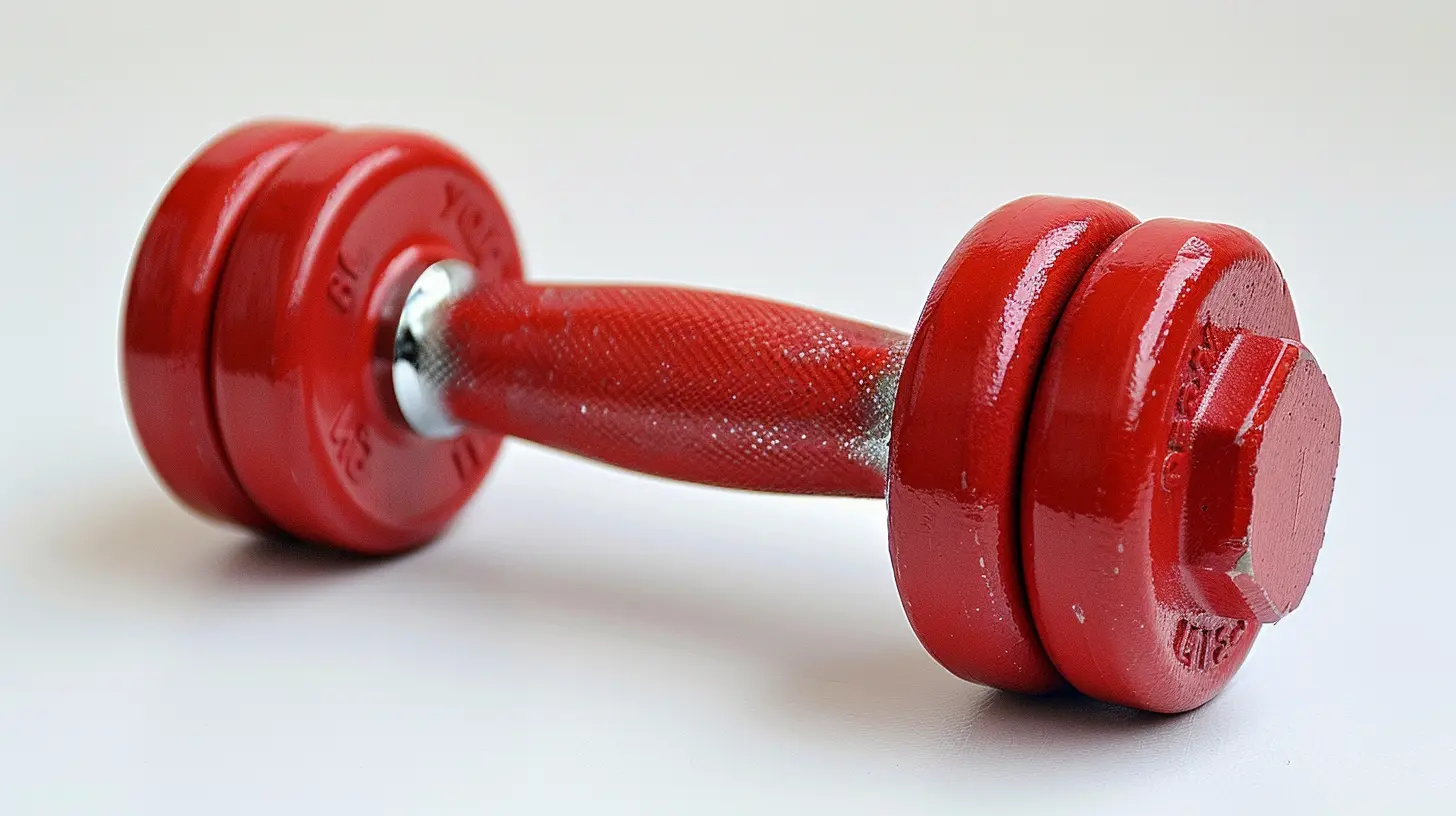
Can You Combine Strength and Cardio in One Session?
Yes, and it’s actually super effective—if done right.This approach saves time and keeps workouts exciting. You can do circuits or interval-based workouts that alternate between strength and cardio moves. Think kettlebell swings followed by jumping jacks, or squats followed by a 400m sprint.
Tips for Hybrid Workouts
- Do compound strength movements (like deadlifts, squats, or push-ups) to maximize muscle use.- Add in short bursts of cardio (like jump rope, mountain climbers, or burpees) between sets.
- Keep rest short to maintain an elevated heart rate and torch more calories.
Just be mindful of your form. If you're too gassed from cardio, your strength performance might suffer. Know when to push and when to pace yourself.
Timing Matters: When to Do Cardio vs. Strength
A common question is, “Should I do cardio or strength first?”The answer: it depends on the priority.
- If building muscle is your goal, do your strength training first while your muscles are fresh.
- If endurance is your goal, start with cardio.
- If you’re just staying healthy, mix it up. Try alternating which comes first in your workouts every few weeks.
What About Doing Them on Separate Days?
Totally fine—and often even better. This allows you to give full energy to each type of training. Just make sure there's enough recovery time built in, especially after heavy lifting days or long cardio sessions.Avoiding Overtraining
Here’s the truth: more isn't always better. Overtraining is real, and it can sneak up on you.Signs You Might Be Overdoing It
- Persistent fatigue- Trouble sleeping
- Slower recovery
- Decreased performance
- Irritability or mood swings
If you’re hitting the gym hard six times a week and feeling worse instead of better, your body’s waving a red flag. Listen to it. Recovery, sleep, and nutrition are just as important as the workouts themselves.
Nutrition: Fueling Both Worlds
Balancing strength and cardio also means fueling for both. Your muscles need protein to repair and grow. Your endurance needs carbs for energy. And fat? Yes, your body needs healthy fats to stay balanced.Quick Nutrition Tips
- Pre-workout: Go for a small carb + protein combo (banana + peanut butter, for example)- Post-workout: Replenish with protein (chicken, eggs, protein shakes) and carbs (sweet potatoes, rice, fruits) to rebuild and restore energy
- Stay hydrated—especially after sweaty cardio sessions
Don’t overthink it, but also don’t starve yourself. Think of food as fuel, not the enemy.
Rest & Recovery: The Unsung Hero
Let’s not gloss over this—recovery is where the magic happens. You don’t build strength or endurance during your workouts; it’s during the downtime that your body rebuilds, adapts, and gets better.How to Maximize Recovery
- Get 7–9 hours of sleep each night- Stretch after workouts to prevent tightness
- Use foam rollers or massage tools for sore muscles
- Consider active recovery days with light movement
- Eat enough to repair and rebuild
If you’re working out hard but not recovering well, you’re just spinning your wheels.
Making It Sustainable
Last but not least, let’s talk about sustainability. You don’t need to train like a pro athlete to be healthy and fit. What you do need is a routine you can actually stick with.Tips for Long-Term Success
- Find types of cardio and strength workouts you enjoy. Hate running? Try swimming or biking. Not into heavy weights? Bodyweight workouts can get the job done.- Track your progress—it’s super motivating.
- Mix it up every few weeks to avoid burnout.
- Don’t beat yourself up for missing a day or eating a cookie. Life happens.
- Focus on how you feel, not just how you look.
Remember—fitness is a marathon, not a sprint. Balancing strength and cardio isn’t about perfection, it’s about progress.
Final Thoughts
Balancing strength and cardio doesn’t have to be complicated. Think of it like building a meal—protein and veggies are great on their own, but together, they make something amazing. Your cardio keeps your heart and lungs strong, while strength training keeps your muscles and bones solid. Combine the two, stir in some good nutrition and rest, and you’ve got a recipe for peak fitness.So whether you’re just starting out or looking to level up your current routine, remember this: It’s not about choosing one or the other. It’s about creating a fitness life that works for you—and helps you feel like a rockstar both inside and out.
Now go out there, lift some weights, break a sweat, and most importantly—have fun doing it!
all images in this post were generated using AI tools
Category:
FitnessAuthor:

Everett Davis
Discussion
rate this article
2 comments
Mercy McGowan
Like a well-balanced breakfast, fitness needs its eggs and bacon! Strength training is the eggs—solid and filling—while cardio adds that crispy bacon crunch. Together, they create a delightful dish for your health. Let’s serve up the gains!" 🥚🏋️♂️🥓🏃♀️
February 8, 2026 at 2:04 PM
Everett Davis
Absolutely! Just like a nutritious breakfast, balancing strength and cardio is key to a well-rounded fitness routine. Both elements complement each other for optimal health and performance. Let's keep serving up those gains! 💪🥚🏃♀️
Zevan Butler
Balancing strength and cardio is crucial for overall fitness. Focus on integrating both in your routine to enhance endurance, build muscle, and prevent injuries.
January 18, 2026 at 3:44 AM
Everett Davis
Absolutely! Integrating both strength and cardio is key to achieving a well-rounded fitness level. It enhances endurance, builds muscle, and helps prevent injuries. Thanks for your insight!