How to Create a Balanced Weekly Workout Plan
12 May 2026
We all know working out is great for our body and mind, right? But here’s the thing—just hitting the gym willy-nilly or going full beast mode on Cardio Monday and then ghosting the rest of the week isn't going to get you the results you want. That’s where a balanced weekly workout plan steps in like a superhero with a clipboard.
It’s not just about how much you move, but how you move throughout the week that makes all the difference. Whether your goal is to shed pounds, build muscle, or just stay active and healthy, having a structured plan helps you stay on track without burning out or getting bored.
So, let’s break it down. Here’s your ultimate guide to creating a balanced weekly workout plan that works for YOU.
? Why a Balanced Workout Plan Matters
Ever head to the gym thinking, “I’ll just figure it out when I get there,” and end up wandering around like you’re looking for your lost motivation?Yeah, we’ve all been there.
A solid workout plan eliminates the guesswork, helps prevent injuries, ensures you're hitting all muscle groups, and keeps things fun and fresh. Plus, it maximizes your progress.
Think of it like a recipe—you need the right ingredients (exercise types), in the right amounts (frequency), at the right time (schedule), to cook up your fitness goals.
?️ The Building Blocks of a Weekly Workout Plan
Let's get into the meat and potatoes of this thing. A balanced workout plan mixes different types of training to hit every angle of fitness. Here's the breakdown:1. Cardio (2-4 times a week)
Cardio isn’t just for treadmill warriors or spin class fanatics. It’s any movement that gets your heart pumping and burns calories. Think running, biking, brisk walking, jump rope, dance—you name it.Why it matters: Improves heart health, burns fat, boosts endurance, and clears your mind.
Tip: Mix it up! Do moderate-intensity workouts like jogging, and sprinkle in some high-intensity interval training (HIIT) once or twice a week to keep things spicy.
2. Strength Training (2-4 times a week)
Don't skip the weights! Strength training isn’t just for bodybuilders.Why it matters: Builds muscle, strengthens bones, boosts metabolism (hello, fat burn even while sitting), and improves posture.
Alternate “push” and “pull” days, or try a full-body workout if you’re tight on time.
Here’s an example:
- Day 1: Upper body (chest, shoulders, triceps)
- Day 2: Lower body (quads, hamstrings, glutes)
- Day 3: Back and biceps
- Day 4: Core and full-body functional training
You can mix and match based on your schedule.
3. Flexibility & Mobility (2-3 times a week)
This is the most underrated part of any workout. Stretching and mobility work reduces your risk of injury and helps you move like a well-oiled machine.Why it matters: Increases range of motion, reduces stiffness, and aids in recovery.
Consider yoga, dynamic stretching, or simple foam rolling sessions a couple of times a week.
4. Rest & Recovery (1-2 days a week)
Yes, rest is part of the plan! Your muscles need time to repair and grow stronger.Why it matters: Prevents burnout and overtraining, helps avoid injury, and keeps motivation high.
Rest doesn’t mean being a couch potato (unless that’s what you need). You could go for a walk, swim leisurely, or do some light yoga—active recovery is still a win.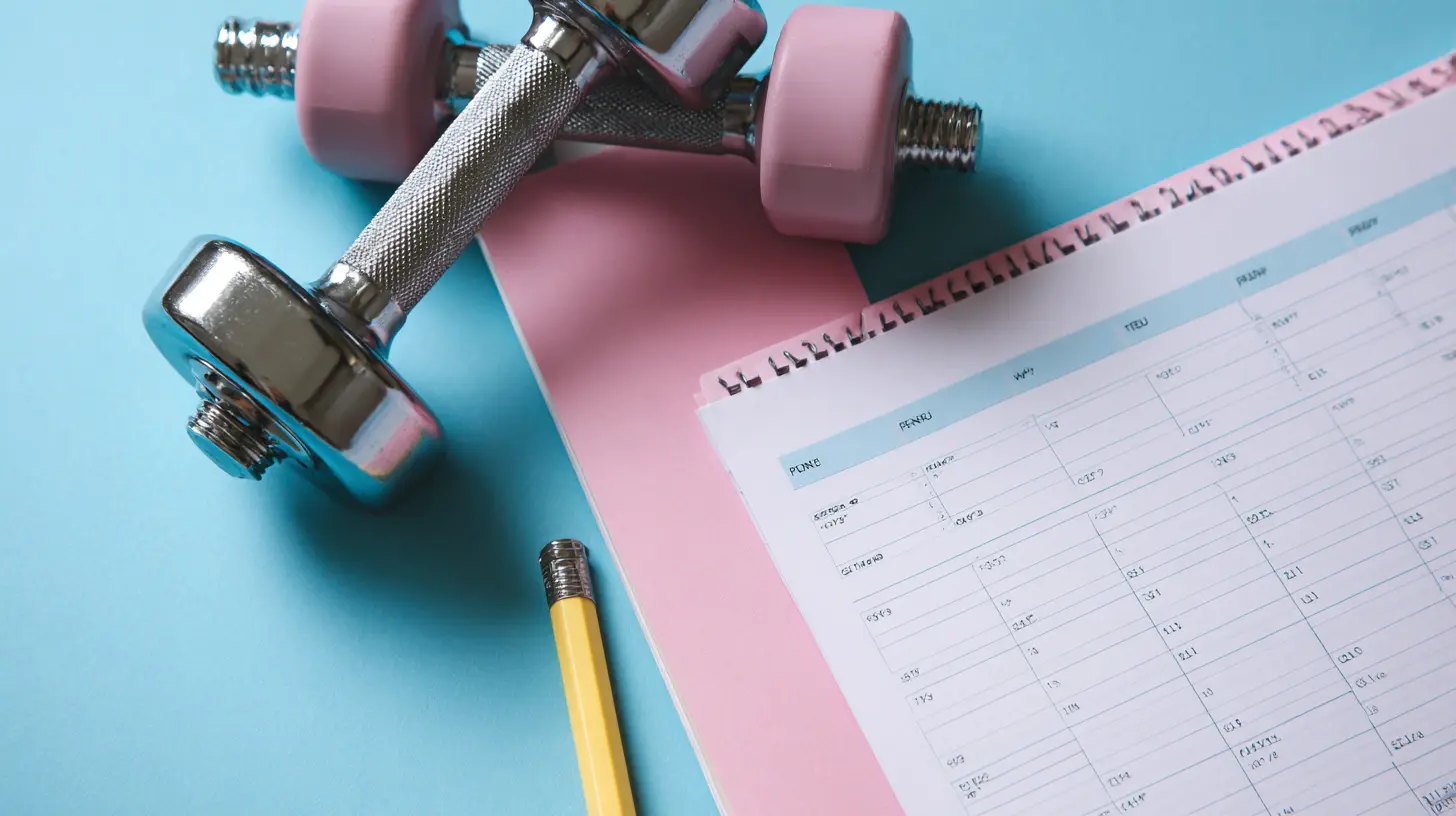
? Sample Weekly Workout Plan
Okay, now let’s put it all together. Here's a sample layout you can tweak to your lifestyle:| Day | Focus | Details |
|-----|-------|---------|
| Monday | Strength Training | Full-body workout (squats, push-ups, rows, planks) |
| Tuesday | Cardio + Mobility | 30-min run + 15-min stretching |
| Wednesday | Strength Training | Upper body (dumbbells or bodyweight circuits) |
| Thursday | Active Recovery | Light yoga or 20-min walk |
| Friday | Strength Training | Lower body (lunges, deadlifts, bridges) |
| Saturday | Cardio (HIIT) | 20-min interval training (sprints, jump rope) |
| Sunday | Rest | Full rest or gentle stretching |
Modify it. Swap days. Add in a hike or a dance class. The goal? Keep it balanced and keep moving.
⚖️ How to Keep It Balanced
Finding the right mix for your body and goals is key. Here’s how you make sure things stay even:✅ Vary Your Intensity
Don’t go hard every single day. That’s a fast track to Burnoutville. Mix heavy lifting days with lighter mobility work or easier cardio sessions.Think of your fitness like playing a musical instrument—sometimes you drum hard; sometimes, you play the soft background notes.
✅ Hit All Muscle Groups
Avoid the classic gym mistake—chest and biceps every day. Your legs, back, core, and smaller stabilizer muscles also need love. A good plan pays equal attention to upper and lower body.✅ Listen to Your Body
Sore? Tired? Run down? Rest or go light. Energized? Push harder. Your body is always talking—tune in.? Tips for Sticking to Your Plan
Even the best plan is useless if it gathers dust. So how do you actually stick with it?1. Set Realistic Goals
Start with manageable workouts and build consistency. Rome wasn’t built in a day—and neither is your six-pack.2. Schedule It Like an Appointment
Treat your workouts like meetings. Slot them into your calendar and commit.3. Track Your Progress
Use a journal, app, or even a whiteboard to track your workouts. Seeing your progress builds momentum!4. Plan Rest Days Guilt-Free
Rest days are not “cheat” days. They’re part of the plan. ?5. Have a Backup Plan
Can’t make it to the gym? Have a quick bodyweight routine you can do at home. Something is better than nothing.?️ Tools & Resources to Help You Succeed
- Workout Planner Apps: Try apps like MyFitnessPal, JEFIT, or Strong.- YouTube Channels: FitnessBlender, Athlean-X, and MadFit offer awesome free content.
- Journal/Template: Create a Google Sheet or write it out—it helps to see it laid out.
? Don’t Forget Nutrition and Sleep
Yes, this article's about workouts, but here’s the truth bomb: if your nutrition and sleep are out of whack, your workout plan will only take you so far.Fuel your body with real foods, stay hydrated, and aim for 7–9 hours of sleep each night.
It’s all part of the big picture—your total wellness puzzle.
? Customize Your Plan to Fit YOU
No two people are the same. Your workout plan should reflect your goals, fitness level, schedule, and even your mood.Are you:
- A morning person? Workout before breakfast.
- A gym rat? Structure around your favorite equipment.
- Tight on time? Opt for 20-min HIIT sessions.
What works for your friend may not work for you. That’s okay. Fitness is personal.
? Final Thoughts
A balanced weekly workout plan isn’t just for athletes or hardcore fitness buffs. It’s for anyone who wants to feel good, look good, and move well in their everyday life.By including a mix of cardio, strength, flexibility, and rest, you’re giving your body everything it needs to thrive—not just survive.
So, grab a pen, a planner, or your favorite app, and start mapping it out. Your body will thank you, your mind will thank you, and hey—your future self will high-five you.
Let’s do this
all images in this post were generated using AI tools
Category:
FitnessAuthor:

Everett Davis
Discussion
rate this article
2 comments
Nicholas McKittrick
A balanced workout plan is essential for maximizing performance and achieving fitness goals.
August 23, 2026 at 2:56 AM
Ranger Lynch
Great insights on creating a balanced workout plan! Finding the right mix of strength, cardio, and rest can make all the difference. Looking forward to putting these tips into action!
May 12, 2026 at 4:57 AM
Everett Davis
Thanks for your feedback! I'm glad you found the tips helpful. Enjoy your workouts!