How to Master the Perfect First Touch in Soccer
23 December 2025
If you've ever watched a professional soccer game and caught yourself whispering "how did they do that?" after a silky first touch, you're not alone. A clean, confident first touch can make the difference between a crisp pass and a frustrating turnover. Whether you're a weekend warrior or training five days a week, improving your first touch is one of the most important moves you can make to level up your game.
In this article, we'll break down the nuts and bolts of the perfect first touch in soccer. From technique to mindset, drills to mistakes, we’ve got everything you need to start bossing the ball right from the first touch.
Why the First Touch is a Game-Changer
Let’s start here—why does the first touch matter so much in soccer?Well, think of it like this: the first touch is your opening line in a conversation. Nail it, and the rest flows. Mess it up, and you're in recovery mode. A great first touch gives you time, space, and options. A poor touch gives the other team a chance to jump in and ruin your day.
Whether you're receiving a bullet pass from a teammate or controlling a loose ball under pressure, your first touch sets the tone. It dictates your next move—and in today’s fast-paced game, hesitating even for a second can be the difference between magic and mayhem.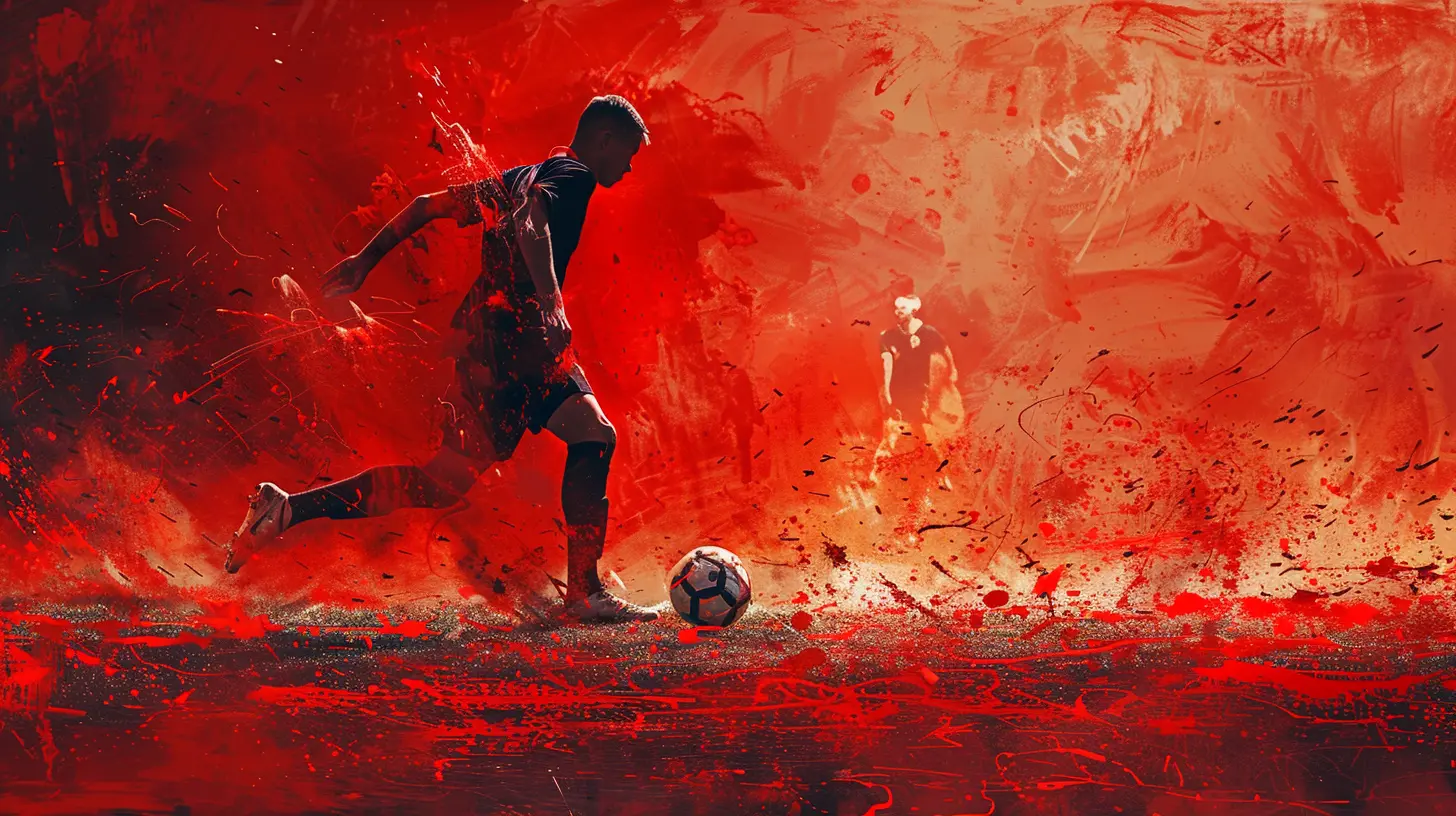
The Key Elements of a Great First Touch
Let’s dissect what makes a first touch go from decent to world-class.1. Body Positioning
Before the ball even reaches you, your body's got to be ready. Are you on your toes? Are you side-on to the play? Are you scanning the field for your next move?Positioning yourself well helps you absorb the ball easier and gives you more control. Stay light on your feet, knees bent, and eyes up. Think of yourself like a spring—poised and ready to snap into action.
2. Foot Surface
You’ve got plenty of tools in your soccer toolbox—sole, inside, outside, thigh, chest. The surface you choose depends on the type of pass and the situation.- Inside of the foot: Great for short, soft touches.
- Outside of the foot: Ideal for sudden direction changes.
- Sole: Best for stopping the ball dead under pressure.
- Thigh or chest: Used when the ball’s coming in from the air.
Using the right surface for the right moment is half the battle. It’s like choosing the right utensil at a buffet—you wouldn’t eat soup with a fork, right?
3. Touch Direction
The best players don’t just stop the ball—they move it where they want. Your first touch should set up your next move, not leave you scrambling.Try to guide the ball into space, away from pressure, or closer to goal. Whether you're looking to dribble, pass, or shoot, your touch should always work toward that goal.
Common Mistakes Players Make with Their First Touch
Let’s face it—we’ve all messed up a first touch. Here are some of the usual suspects:1. Over-Touching the Ball
Hitting it too hard? The ball bounces away like it owes you money. A heavy touch can kill an opportunity before it even starts. The key is finesse, not force.2. Freezing Under Pressure
You see the ball coming, defenders closing in—and you panic. Suddenly, it feels like the ball’s a ticking time bomb. Staying calm and confident goes a long way.3. Staring at the Ball
When you stare down at the ball like it’s a cheat sheet, you miss everything else around you. Keep your head on a swivel. Awareness is just as important as technique.
Drills to Sharpen Your First Touch
Now, let’s get into the fun stuff—drills that actually work. You don't need a fancy setup, just a ball, a bit of space, and maybe a wall or a partner.1. Wall Pass Drill
A classic for a reason. Stand a few feet away from a wall and pass the ball against it. When it comes back, control it with your preferred surface and pass it again.- Aim for clean, soft touches.
- Use both feet to keep things balanced.
- Try inside, outside, and sole touches.
This drill is simple but incredibly effective.
2. Cone Control Drill
Set up five to six cones in a straight line. Dribble through them, then stop and receive a pass from a partner (or kick it against the wall). Control it, then move through the cones again.This helps work on close control and combining your first touch with movement.
3. Tennis Ball Touch Drill
Want to get fancy? Use a small ball like a tennis ball to improve your touch. If you can control that, a soccer ball will feel like a pillow. Seriously.The smaller ball forces you to be more precise and sharpens your reflexes like nothing else.
4. First Touch Under Pressure
Have a friend act as a defender. The goal is to receive a pass, control it with one touch, then shield the ball or move it away from the pressure. It’s chaotic and real—and that’s exactly why it works.First Touch in Different Positions
Not all first touches are created equal. Where you play on the field influences how you need to approach it.For Midfielders
Your job is to keep the flow going. You’re the glue. A soft, directional touch that sets up your pass is gold. You often have players around you, so controlling the ball quickly and smartly is a must.For Forwards
You might get fewer touches, but they need to count. A good first touch here helps you create space for a shot or spin away from a defender. Think sharp, purposeful touches.For Defenders
You’re the last line of defense before the goalkeeper. A bad first touch can be costly. Keep it simple and clean—control the ball and move it out of danger.Mental Aspects: Confidence is Key
Let’s not underestimate the mental side of the game. Nervousness ruins first touches more than technical flaws do. When you second-guess yourself, your touch usually suffers.Repeat this to yourself: “I’ve got this.” Because if you believe it, your body will follow. Practice breeds confidence, and confidence makes everything flow smoother.
First Touch Training Tips from the Pros
Want to know how the pros do it? Here are a few tips inspired by top-level players:- Always be moving: Standing still is a killer. Stay on your toes.
- Scan the field: Know what’s happening before the ball gets to you.
- Keep it simple: Flashy is fun, but effective is better.
- Don’t be afraid to mess up: Every pro was once the kid who kept losing the ball.
How Long Does It Take to Master the First Touch?
Ah, the golden question. The truth? It depends.With consistent practice (we’re talking 15-30 minutes a day), you can start seeing improvements in just a few weeks. Mastery, though, takes months—sometimes years. But every rep brings you one step closer.
Remember, even Lionel Messi works on his basics. Mastery is a journey, not a destination.
First Touch Workouts You Can Do At Home
No field? No problem. Here's a quick home workout:1. Wall Touch (10 minutes)
Pass and receive using inside foot, alternate legs.
2. Solo Juggles (5 minutes)
Work on improving control using thighs and both feet.
3. Static Control (5 minutes)
Drop the ball from waist height and control it using various surfaces (inside foot, outside foot, sole, thigh). Focus on a soft touch.
4. One-Touch Passing Drill (10 minutes)
Kick the ball at a wall and control or pass it instantly without stopping the ball.
Final Thoughts
Mastering the perfect first touch in soccer isn’t rocket science—but it does take dedication. It's all about mixing the right technique with sharp awareness and tons of repetition. The more you practice, the more natural it feels. Next thing you know, you’ll be pulling off first touches that would make Iniesta raise an eyebrow.So grab your ball, find a bit of space, and get to work. Your future self (and your teammates) will thank you.
all images in this post were generated using AI tools
Category:
SoccerAuthor:

Everett Davis
Discussion
rate this article
2 comments
Angie Reese
Focus, practice, and patience.
January 26, 2026 at 4:37 AM
Everett Davis
Thank you! Those are key elements for mastering the perfect first touch.
Odessa Stone
Great insights! Mastering the first touch can truly elevate a player's confidence and overall game performance.
January 5, 2026 at 8:27 PM
Everett Davis
Thank you! I'm glad you found the insights valuable. Mastering the first touch is indeed a game-changer for any player!