How to Sharpen Your Race Starts and Improve Your Reaction Time
12 December 2025
Let’s be real for a second — races can be won or lost in the blink of an eye. That means your start and how fast you react once the gun goes off could be the difference between a personal best and a “better luck next time.” Whether you’re a sprinter on the track, a swimmer on the blocks, or a motocross racer revving at the gate, that crucial moment when everything begins needs to be razor-sharp.
So if you’ve ever had one of those starts where everyone seemed to leave you behind like you were stuck in slow motion, don’t sweat it. You’re not alone, and you’re definitely not doomed. Improving your reaction time and race starts is possible — and honestly, it’s not rocket science. It just takes the right mindset, the right drills, and the right routines.
Ready to dive in? Let’s break this down step by step.
Why Race Starts Matter More Than You Think
You train hard. You eat right. You study your sport. But if your start is slow, you're already playing catch-up. And in many sports, especially the short-distance ones, there's just no catching up once the gap opens.Think about it — the 100m dash can be done in under 10 seconds. That means a 0.2-second delay at the start isn’t just a hiccup — it’s a deal-breaker.
Your start sets the tone for your entire race, both physically and mentally. Nail it, and you’re suddenly in control. Fall behind, and you're spending the whole race playing defense. That’s not where you want to be.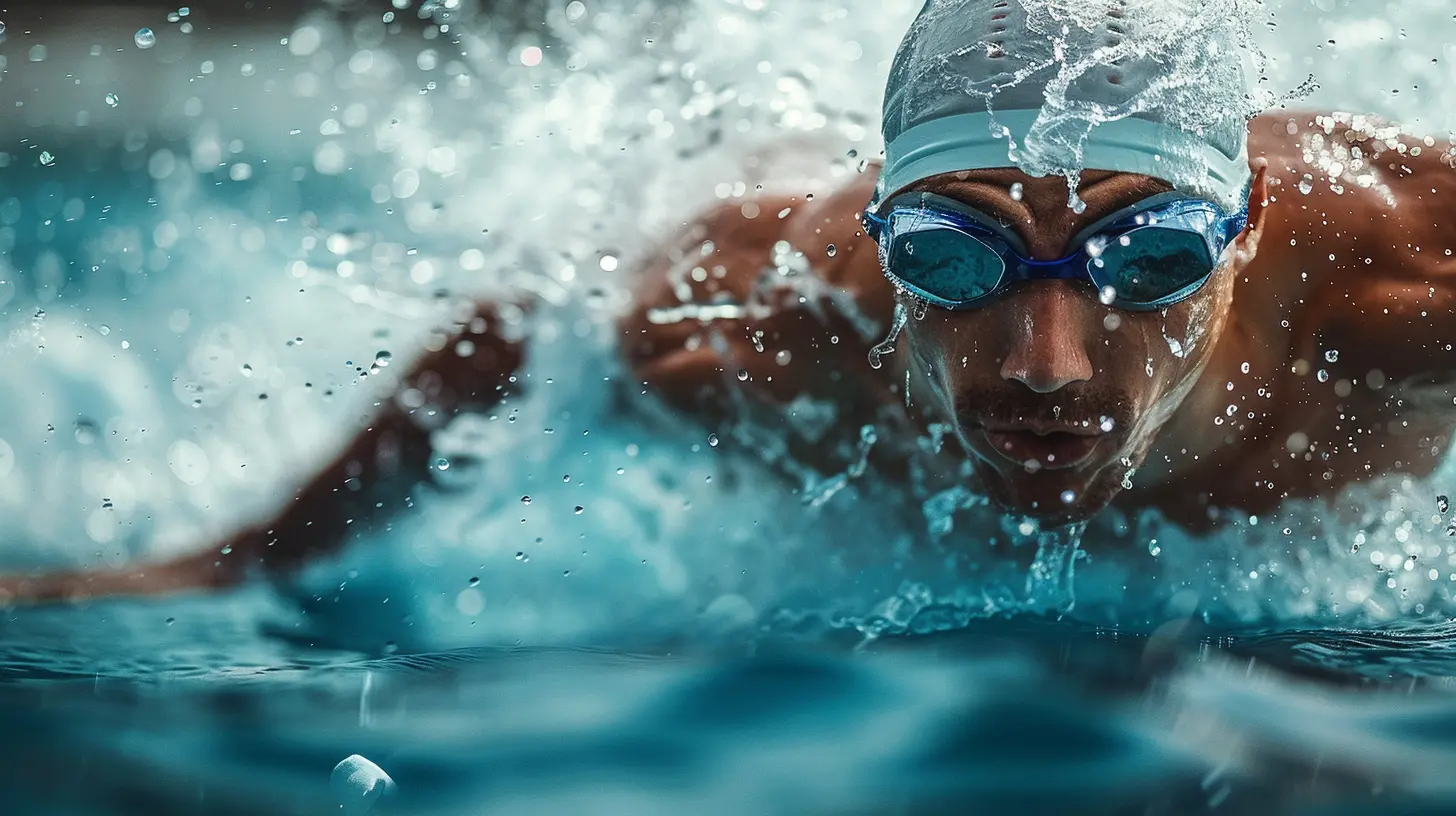
The Science of Reaction Time
Your reaction time is the period between when a stimulus (like the start gun) is presented and when you respond to it. It's basically your brain and body saying, "Hey! Go!" and then actually going.Several things affect this:
- Your nervous system — How fast your brain processes and sends signals
- Focus and alertness — Are you dialed in, or daydreaming at the blocks?
- Fatigue — A tired brain is a slow brain
- Practice — Like anything, the more you train it, the better it gets
It’s worth mentioning that reaction time is different from movement time. Reaction time is purely how quickly you respond. Movement time is how fast you perform the action (like exploding out of the blocks once you’ve started moving).
To improve your start, you’ve got to sharpen both.
Step 1: Dial in Your Mindset
You might be surprised how much of your reaction starts in the mind. Before we even get to drills and strength training, we’ve got to talk about mental prep.Stay in the Moment
The biggest mistake athletes make before a race? Thinking too far ahead. You’re already picturing the finish line, your place on the podium, or even what you’re eating later. Stop. Breathe. Get present.Before every start, anchor yourself. Focus only on that first moment. That first move. One cue. One goal: explode.
Try Visualization
Picture yourself having the perfect start. Feel the tension in your muscles, hear the sound of the starting gun, and see yourself react instantly. Do this regularly. It wires your brain to expect and execute the movement.Don’t skip this — elite athletes swear by it, and the mental rep counts just as much as the physical one.
Step 2: Perfect Your Setup
Body Position is Everything
Let’s use track and field as an example. If your hands are too far forward or your hips are too low, you’re not in a position to explode. You might as well be trying to jump out of a beanbag chair.Work with your coach or record yourself to check form. Here are a few general tips:
- Keep the spine neutral — don’t arch or slump
- Place hands shoulder-width apart on the line
- Hips should be slightly above the shoulders
- Head neutral — don't look around
Minimize Movement Before the Start
Fidgeting burns mental energy and can mess up timing. Once you're in position, stay still, focused, and ready to fire.Step 3: Train Your Brain to React Faster
Alright, time for some practical drills.1. Reaction Drills With a Start Gun or Sound Stimulus
Have someone else use a starting gun sound (there are apps for this) while you’re in position. Don’t jump the gun — react only when it goes off. Repeat this until it becomes second nature.The key? Randomize the timing. If the sound always comes after exactly three seconds, you’ll anticipate it — not actually react to it.
2. Ball Drop Drill
This one’s simple but gold. Have a partner hold a tennis ball shoulder height. You're in a stand-ready position. When they drop it without warning, you sprint toward it and try to catch it before it hits the ground.This improves:
- Hand-eye coordination
- Explosive reaction to visual stimuli
- Decision-making under pressure
3. Light Stimulus Reaction
Use a reaction light system, or even an app with flashing lights. When a light turns green or a specific color, you must go. This simulates real race conditions more than you’d think.You can even wear weighted vests to add resistance and combine speed + strength.
Step 4: Build Explosive Power
Reaction time isn’t just how fast you move — it’s how fast and powerfully you get moving.Plyometric Exercises
Plyos are your best friend when it comes to explosive starts. Think:- Box jumps
- Depth jumps
- Sprint drills with resistance bands
- Broad jumps
These train fast-twitch muscle fibers — the ones responsible for quick, powerful movements.
Strength Training
You don’t need to be a bodybuilder, but strong legs and core = better starts. Focus on compound lifts like:- Squats
- Deadlifts
- Bulgarian split squats
- Power cleans (if you’re experienced)
Make sure your sessions include both heavy, low-rep strength work and lighter, high-velocity power movements. You want that perfect combo of strength and speed.
Step 5: Practice Starts — A Lot
No amount of reaction drills can replace actual race-start practice. That’s your bread and butter.Reps, Reps, Reps
Start from your sport-specific position and go through realistic race start scenarios. Start from different cues — gun, clap, whistle, light — and vary the timing so you don’t anticipate.Record your starts and look for patterns. Are you leaning back? Delayed by hesitation? Too tense?
Quality Over Quantity
Don’t just go through the motions. Every start should be as close to race-intensity as possible. Focus on that explosive push, the first 5-10 steps, and how quickly you settle into form.Step 6: Recover Like a Champion
Reaction time plummets when you're tired. No matter how fast you are at your best, the real question is — how fast are you when it counts?Sleep = Secret Sauce
Your brain’s ability to process cues and send signals is directly linked to how rested you are. Aim for 8+ hours nightly and don’t skimp out right before a big meet.Active Recovery and Nutrition
Keep your muscles fresh and your nervous system happy with:- Foam rolling
- Mobility work
- Proper hydration
- Balanced nutrition (don’t skip those healthy fats and proteins!)
Remember: a burnout body = a burnout brain.
Step 7: Trust the Process
Here’s the truth: nobody becomes lightning-fast overnight. Improving your race starts and reaction time takes consistency, commitment, and a whole lot of trial and error. You’ll mess up, false start, and get frustrated during this journey. Totally normal.But every single time you practice the right way, you’re rewiring your nervous system to respond better, faster, stronger.
You don’t have to be perfect. Just a little better each week.
Final Thoughts
Sharpening your race starts and dialing in your reaction time isn’t reserved for elite athletes on million-dollar sponsorships. It’s for anyone who wants to get better — maybe even just beat their personal best.Start with the brain, train with intent, fuel your recovery, and practice with purpose. That edge you’re chasing? It’s within reach. One start at a time.
Now get out there and fire off that line like your life depends on it.
all images in this post were generated using AI tools
Category:
SwimmingAuthor:

Everett Davis
Discussion
rate this article
2 comments
Astralis Rodriguez
In the dance of the starting gun, Swift feet poised, ready to run, With breath held tight and focus clear, Each second counts, the thrill is near. Race ahead, ignite the cheer!
December 27, 2025 at 12:31 PM
Everett Davis
Thank you for capturing the excitement of race starts! Your poetic take perfectly highlights the importance of focus and urgency in improving reaction time.
Zara McWilliams
Great insights! Mastering race starts is crucial. Excited to apply these tips and enhance my reaction time. Thanks!
December 21, 2025 at 4:39 AM
Everett Davis
Thank you! I'm glad you found the tips helpful—best of luck with your practice!