How to Swim Smarter, Not Harder: Efficiency in the Water
16 January 2026
Swimming is one of those sports that look graceful and effortless when done right. But let’s be real—most of us get in the pool and end up flailing around like we’re fighting invisible sea monsters. If you've ever felt totally gassed after just a few laps, you’re not alone. The secret isn’t just to push harder—it's to swim smarter.
Whether you’re a beginner trying to improve your technique or an experienced swimmer looking to shave seconds off your time, mastering efficiency in the water can totally change the game for you.
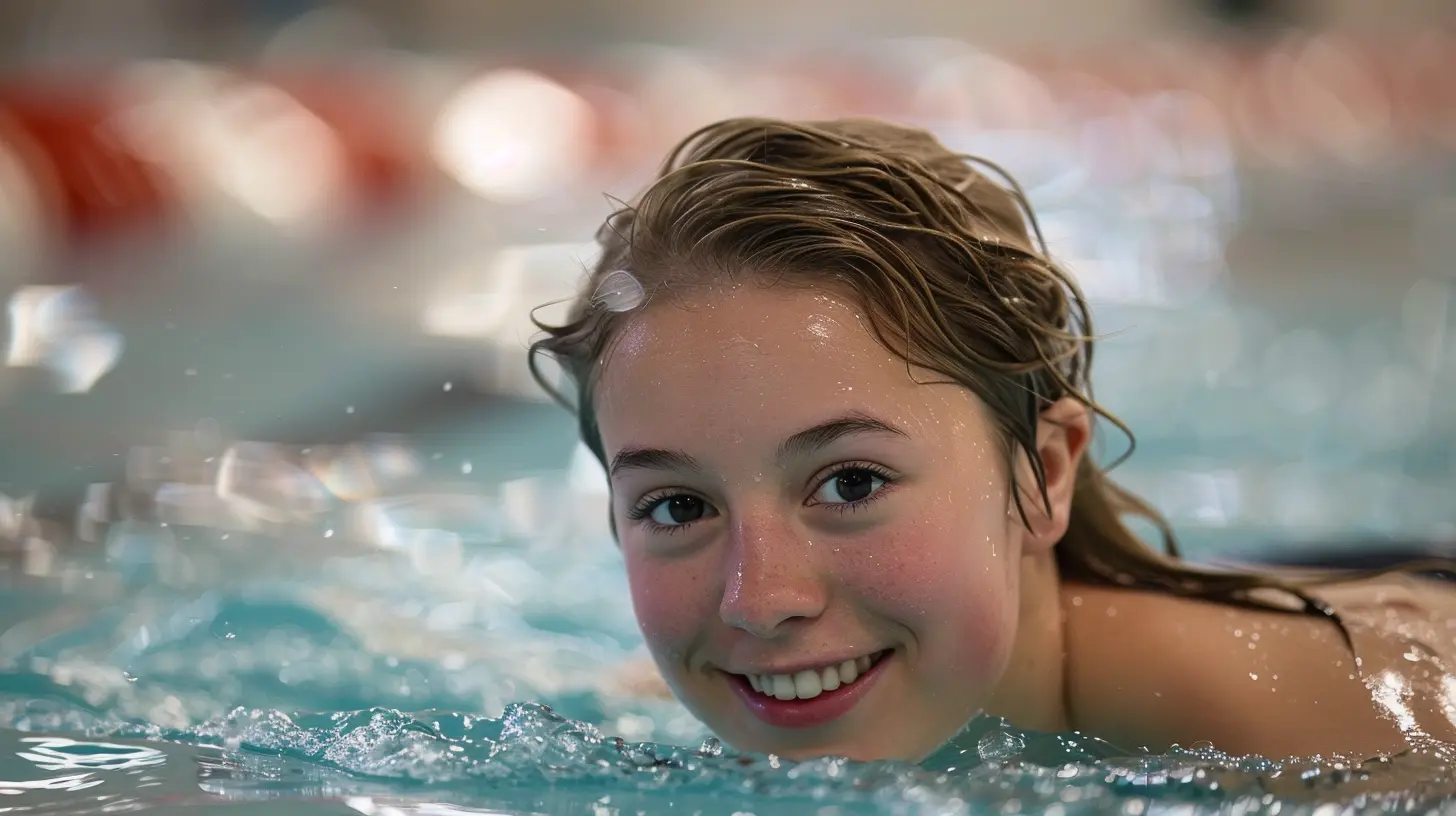
Why Swimming Smarter Matters More Than Swimming Harder
First things first: swimming is not about brute strength. It’s about technique, rhythm, and minimizing resistance. Ever seen a lean, quiet swimmer glide past a muscular guy who's splashing all over the place? That’s the difference right there—smarts over strength.Swimming harder without proper form is like trying to drive a car with the parking brake on. You’re burning energy, but not getting very far.
Swimming smarter helps you:
- Conserve energy
- Swim longer and faster
- Reduce the risk of injury
- Actually enjoy being in the water
So let’s dive into how you can become more efficient in the pool and get more out of every stroke.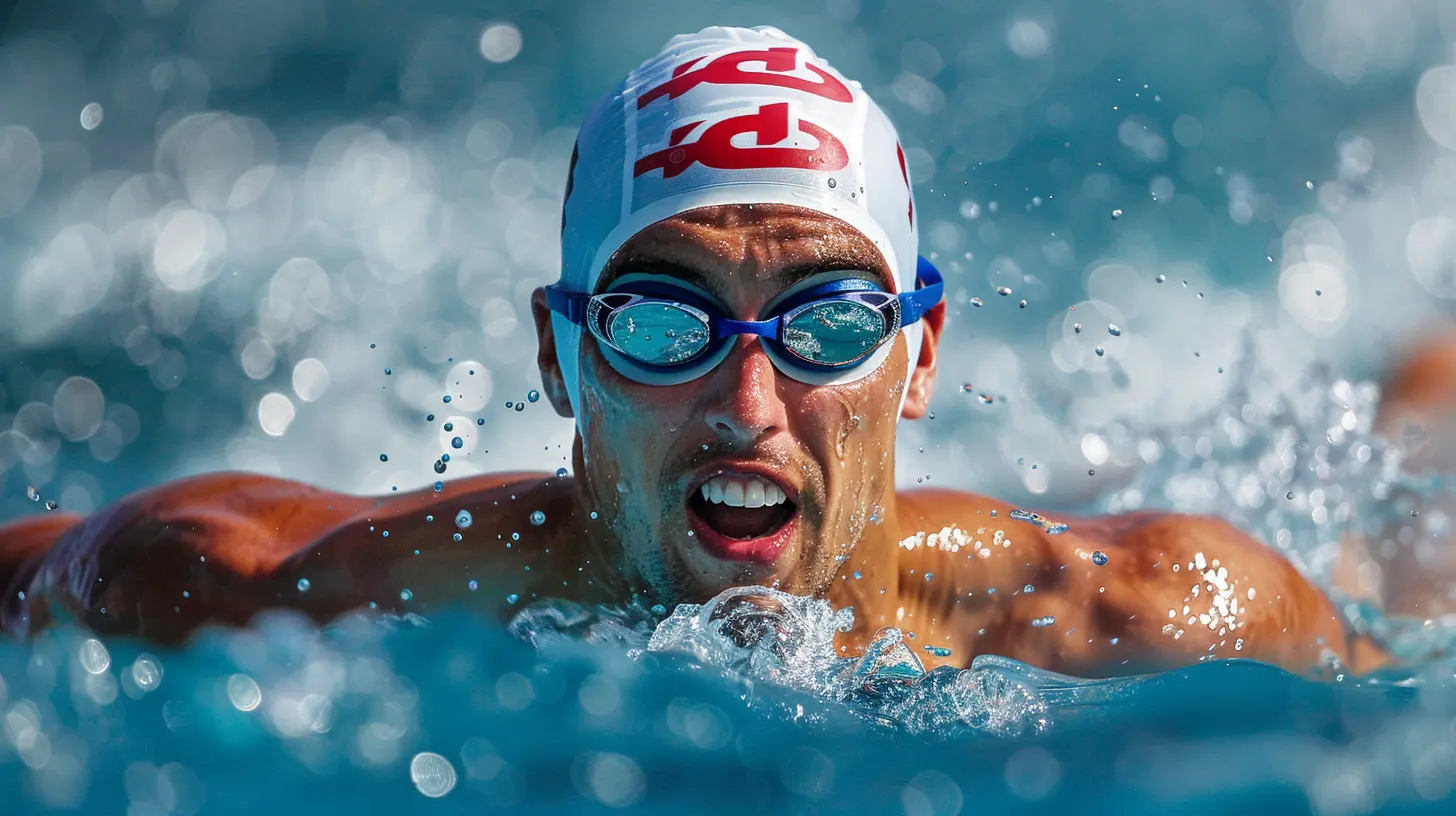
1. Master Your Body Position First
Think of your body as a boat. If it's tilted, it's going to drag. If it's streamlined, it slices through the water beautifully.What You Want: A horizontal, flat position with your head, hips, and heels in line.
What Most People Do Wrong: They lift their heads too often, which causes their hips and legs to sink. That creates drag, and then you end up working twice as hard to stay afloat.
Quick Fix:
- Keep your eyes looking down, not forward.- Engage your core to support your hips and legs.
- Think of swimming “through” the water, not “on top” of it.
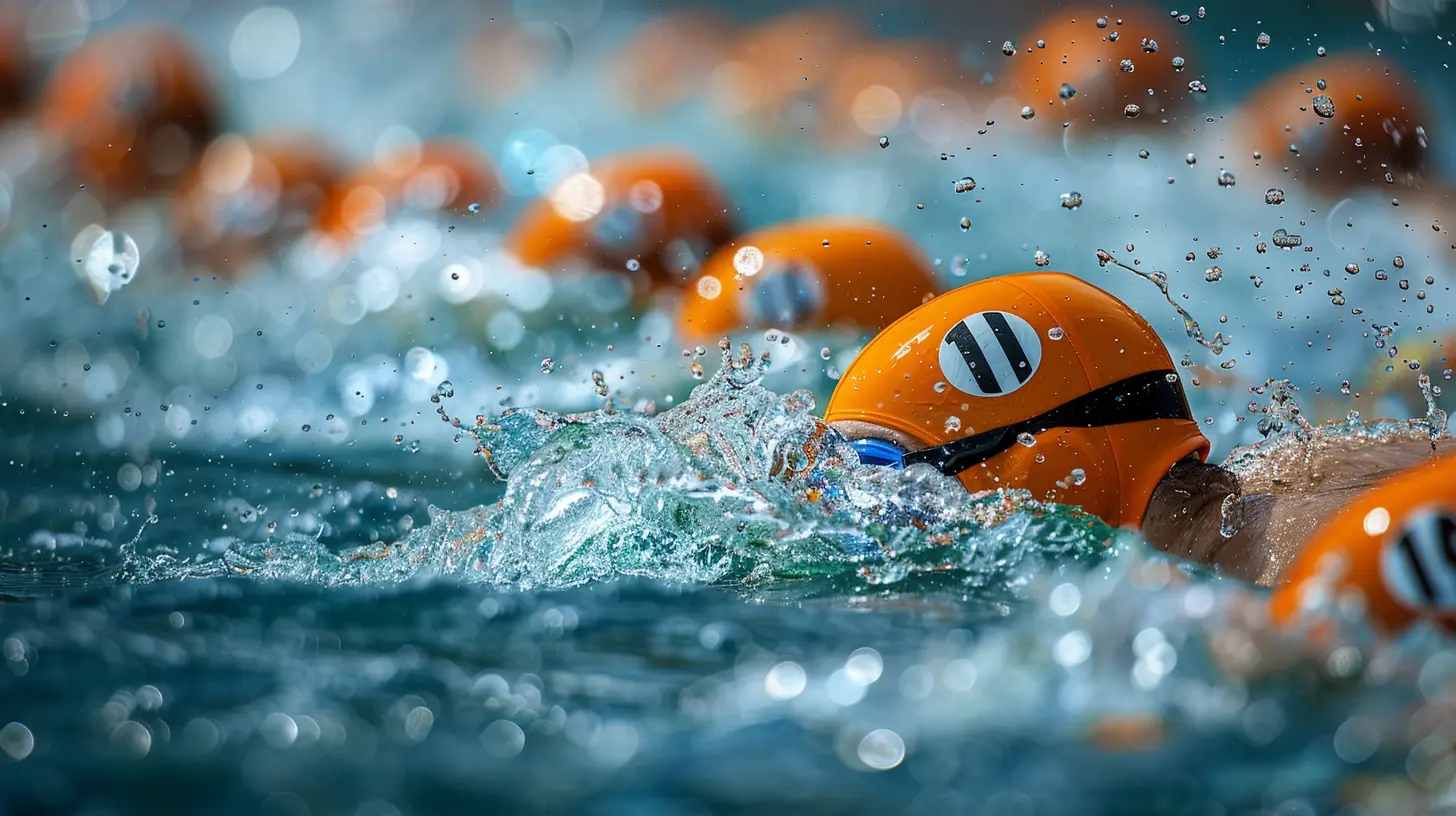
2. Kick Less, Glide More
This one surprises a lot of folks. You don’t need to kick like a wild dolphin to move fast. Over-kicking wastes energy and can actually slow you down.Here’s What to Do Instead:
- Use a gentle, flutter kick from the hips—quick and narrow.- Focus more on your stroke and rotation to propel you forward.
- Let your kick be a stabilizer, not your main source of speed.
When you get your kick under control, you free up energy for better breathing and stronger strokes. It's like switching from sprinting in sneakers to cruising on a bike.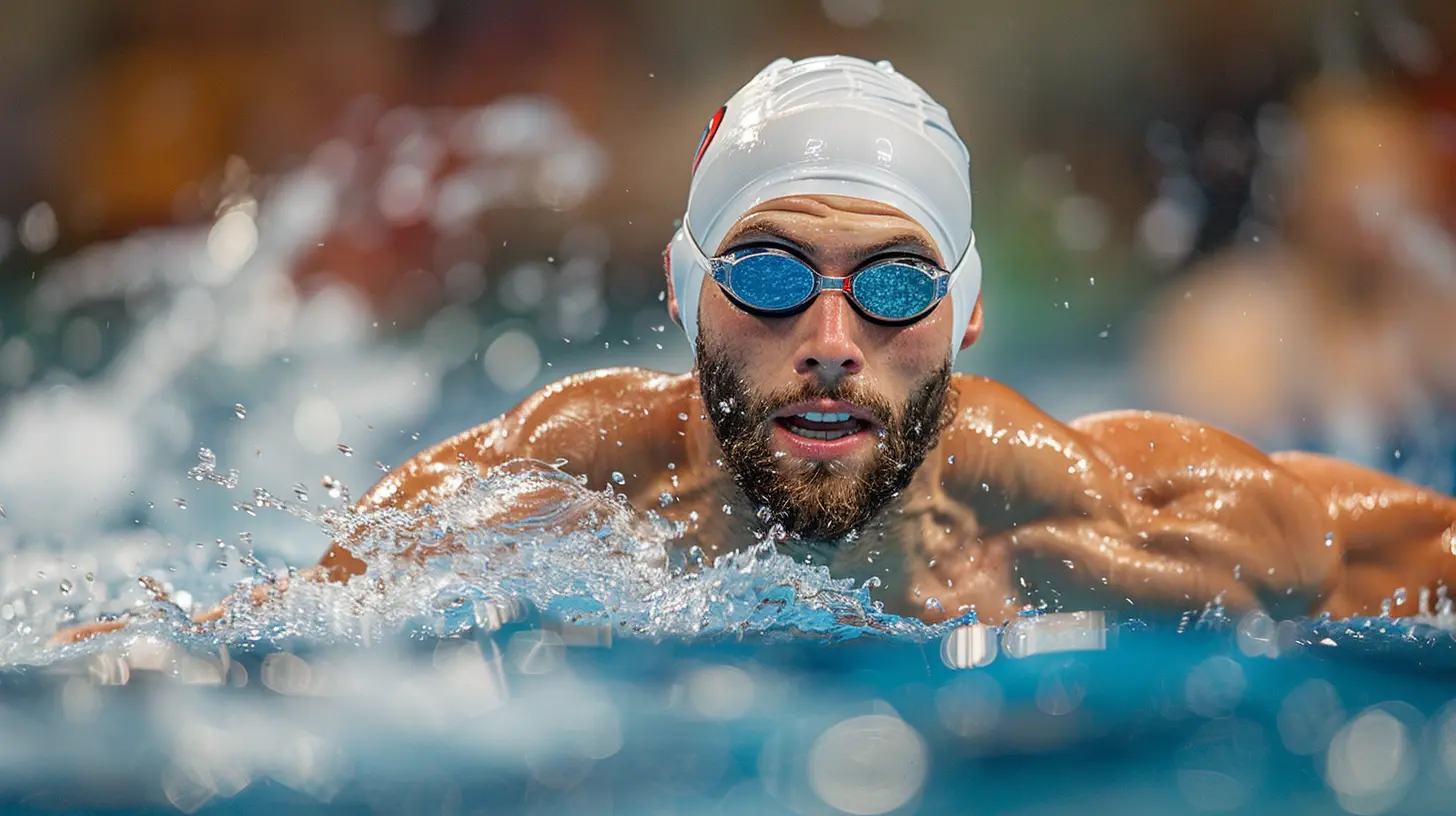
3. Dial In Your Breathing Rhythm
Not breathing right is one of the fastest ways to tire yourself out and feel like you're drowning. Let’s fix that.Tips to Breathe Smarter:
- Exhale underwater, so you’re not wasting stroke time on both inhale and exhale.- Inhale quickly and smoothly when you turn your head.
- Try bilateral breathing (breathing on both sides) to balance out strokes.
Breathing should feel like part of your swim, not a panicked gasp for air. It’s a rhythm, like the beat to your favorite song—smooth and consistent.
4. Perfect That Stroke Technique
This is where swimming efficiently really shines. Each stroke should be long, smooth, and purposeful.Key Points for a Smarter Stroke:
- High Elbow Catch: Enter the water with fingertips first, then bend your elbow and pull water straight back.- Finish the Stroke: Don't quit halfway—extend your arm back fully before bringing it out.
- Rotate Your Body: Don’t just use your arms. Rotate your torso to engage your core and back muscles.
Remember, it’s not about flailing your arms faster—it’s about using them effectively. Think of each stroke as a paddle stroke in a kayak. The right technique gets you further with less effort.
5. Use the Right Gear (Wisely)
Sure, gear won’t replace good technique, but it can help you train smarter. Here’s what might help:- Pull Buoys: Focus on your upper body and stroke mechanics.
- Fins: Help improve your ankle flexibility and body position.
- Paddles: Increase resistance to build strength and highlight flaws in your stroke.
Use these tools like training wheels—not crutches. They should help you build awareness and strength, not become a shortcut.
6. Pay Attention to Your Turns and Push-Offs
This one's often overlooked, but super important. Each push-off and turn is a golden opportunity to gain speed without using energy.Turn Smarter:
- Make your turns smooth and quick—no hesitation.- Push off in a streamlined position (arms out, head tucked).
- Use a few strong dolphin kicks before surfacing to maintain speed.
In short races, efficient turns can be the difference between first and fifth. In long sessions, they save you loads of energy.
7. Train Your Technique, Not Just Your Fitness
Swimming laps blindly won’t improve your technique. Instead of just logging miles, focus on quality over quantity.Smarter Workouts Might Include:
- Drill Sets: Like catch-up drills, fingertip drag, or one-arm swimming to fine-tune stroke elements.- Video Feedback: Record yourself or ask a coach to help you spot inefficiencies.
- Interval Training: Push yourself in short bursts, then rest. It’s more efficient than slow slogging through endless lengths.
It’s like shooting hoops in basketball—just playing games won’t make you better. You’ve gotta practice your form on purpose.
8. Cool Down and Listen to Your Body
Even smart swimming takes effort. Giving your body a proper cool-down helps prevent injury and sets you up for your next swim.Cool Down Smarter:
- Swim a few slow, easy laps.- Stretch your shoulders, back, and legs after you get out.
- Stay hydrated (yes, even while swimming).
The smarter you recover, the more progress you'll make in the long run.
9. Set Realistic, Trackable Goals
Swimming smarter also means being strategic with your training goals. If you’re just hopping in and swimming until you’re tired, you’re flying blind.Try This:
- Pick one thing to improve each session—maybe body position, breathing, or stroke count.- Track your progress over time with a swim journal or app.
- Give yourself small victories—like holding good form for 25m, then 50m, then 100m.
Efficiency isn’t flashy, but it’s powerful. Small tweaks lead to major wins over time.
Efficiency is the Name of the Game
Let’s wrap it up with this simple truth: the water rewards efficiency. You’ll get more out of every stroke, every breath, and every lap when you focus on technique over brute power.Instead of trying to swim through the water, start learning to swim with it. Like dancing with a partner—you don’t force it, you move in sync.
So next time you’re in the pool, remember: swim smarter, not harder. Your lungs, shoulders, and stopwatch will thank you.
Frequently Asked Questions
Q: Can I swim faster by just improving technique without getting fitter?
Absolutely. Good technique instantly makes you faster and more efficient. Of course, fitness helps too—but technique is the foundation.Q: How often should I work on drills instead of full-on sets?
Try dedicating at least 20–30% of your swim workouts to drills. It keeps your technique sharp and builds muscle memory.Q: Is it better to breathe every two strokes or three?
It depends! Beginners often start with every two strokes. Breathing every three (bilateral) helps balance your stroke and gives you flexibility during races or long-distance swims.Final Thoughts
Swimming smarter isn't just about performance—it’s about enjoying your time in the water and protecting your body for the long haul. Trust me, once things start to click and your strokes feel smooth and effortless, you’ll wonder why you ever swam any other way.So put these tips to work, stay consistent, and keep your eyes on the (pool) lane ahead. Whether you're chasing a new PR or just want to stop feeling winded after 50 meters, efficient swimming is your golden ticket. Ready to glide?
all images in this post were generated using AI tools
Category:
SwimmingAuthor:

Everett Davis
Discussion
rate this article
2 comments
Alana McElhinney
This article brilliantly highlights the importance of maximizing efficiency in swimming. It's a game-changer for both beginners and seasoned swimmers alike. Embracing smarter techniques can truly elevate our performance and enjoyment in the water. Thank you for sharing these insights!
February 10, 2026 at 11:49 AM
Everett Davis
I'm glad you found the article helpful! Smarter techniques can really transform the way we swim. Thanks for your thoughts!
Pandora Sharpe
Why swim like a frantic goldfish when you can glide like a sleek dolphin? Embrace the art of floating efficiency—because the only thing we should be breaking a sweat over is deciding which snack to enjoy post-swim!
January 16, 2026 at 4:16 AM
Everett Davis
Great analogy! Embracing a smooth, efficient swim not only conserves energy but also enhances enjoyment. Let's save our effort for choosing the perfect post-swim snack!