How Weather Could Impact NFL Game Outcomes in Late 2026
7 October 2026
Weather has always been part of pro football's DNA. It shapes play calls, tests depth, and turns routine kicks into adventures. But late 2026 presents a specific puzzle. The league's calendar is drifting deeper into winter, international and warm-weather venues keep multiplying, and rule changes around kickoffs and clock management have already altered how teams manage risk. All of that means weather's influence is not static. It is shifting, and the teams that adapt fastest will bank wins that others give away.
This article looks at how weather could realistically affect NFL outcomes in late 2026, not in vague terms but through the mechanisms that actually decide games. You will get the physics, the strategy, the trade-offs, and the practical decision frameworks that coaches, bettors, and analysts should be using.
Why Late 2026 Is Different
The calendar is the first variable
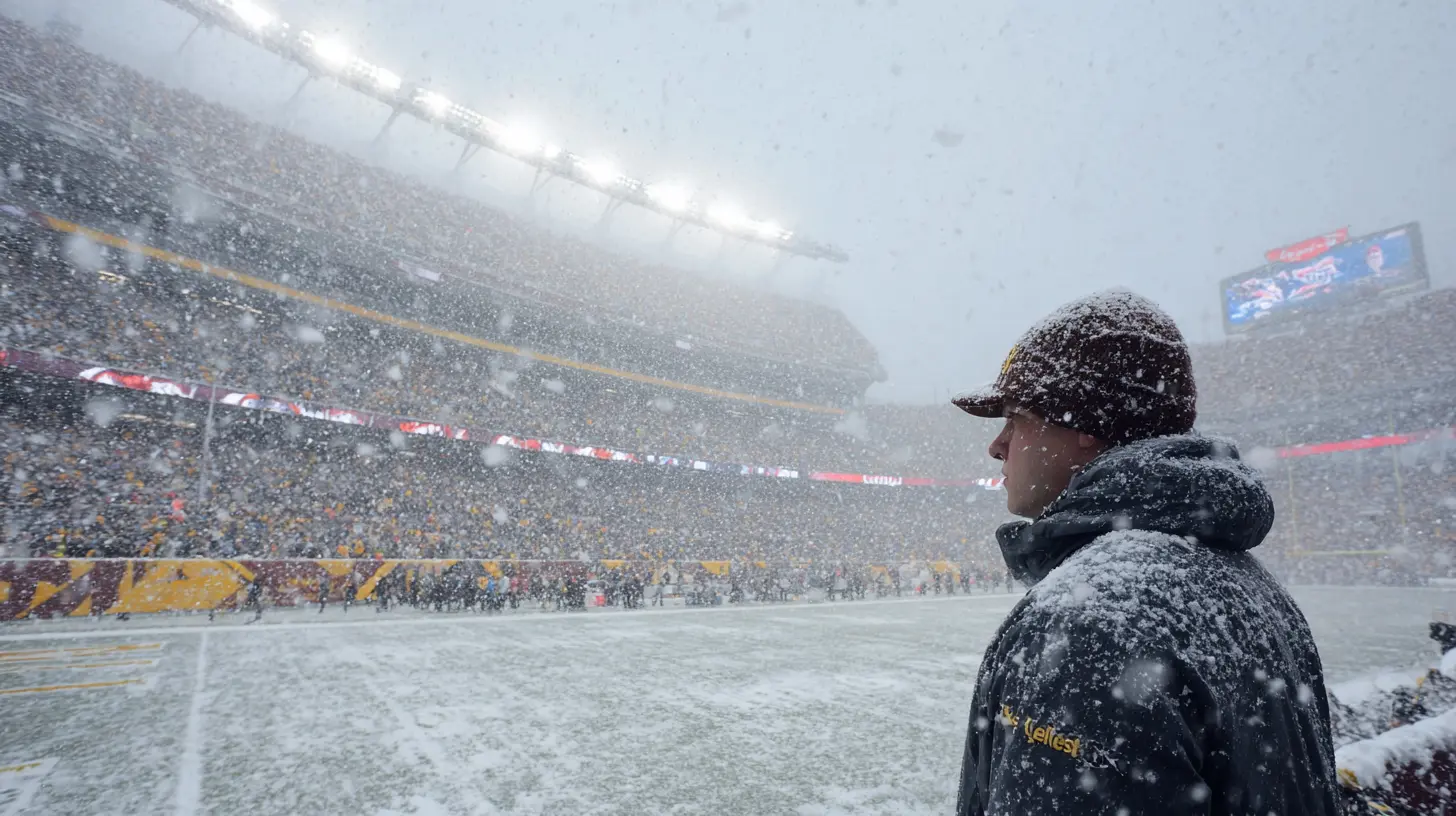
Late in the season, the league schedules division games and playoff-relevant matchups. Cold-weather cities host critical contests, and warm-weather or dome teams travel north. That is nothing new. What is new is the compression of the schedule. With more Thursday and international games, teams have less recovery time and fewer practice reps to prepare for extreme conditions. A team that practiced in 65-degree weather all week and then plays in 25-degree wind is not just cold. It is under-rehearsed in the specific skills that cold weather demands, like ball security, plant-and-drive route running, and kick trajectory.Rule changes interact with weather
The modern kickoff rules have increased the value of field position and reduced the number of high-speed collisions in the open field. In bad weather, that cuts both ways. Fewer chaotic returns mean fewer fluky touchdowns, but it also means a muffed catch or a short kick can be more punishing because offenses are less likely to convert long fields. Similarly, clock rules that keep the game moving reduce the number of plays, which shrinks the sample size and makes each weather-induced mistake more decisive.Venue mix
By late 2026, the league will have an even wider mix of environments. Open-air stadiums in cold climates, open-air stadiums in mild climates, retractable-roof venues where the decision to open the roof is itself a strategic choice, and international venues with their own microclimates. That variety means there is no single "weather strategy." There are many, and the best teams will tailor them weekly.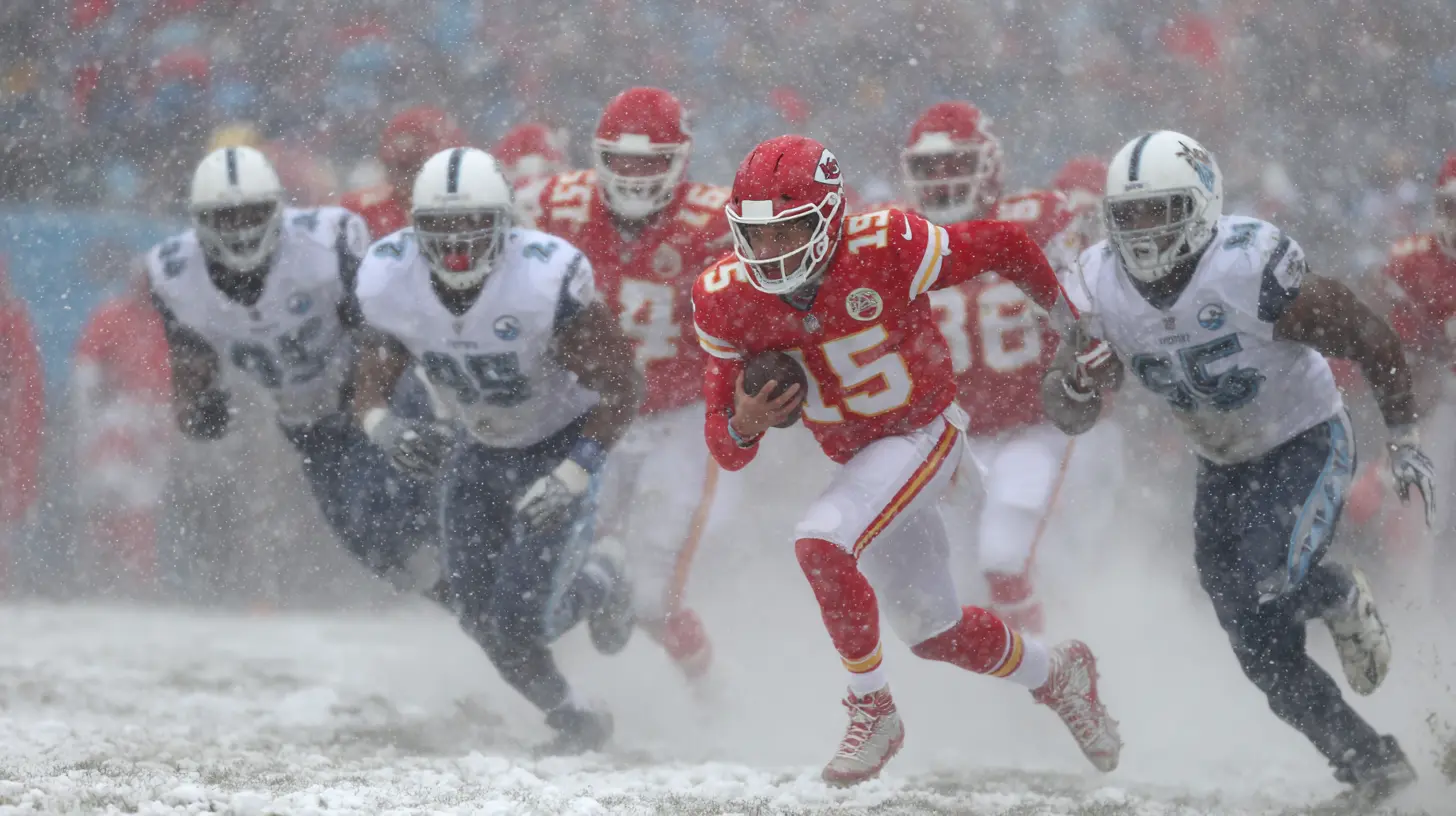
The Core Mechanisms: How Weather Actually Changes a Game
Weather does not win or lose games by itself. It changes probabilities. Here is how.1. Ball flight and grip
Cold air is denser. Denser air increases drag on a thrown ball and reduces distance. A quarterback who can normally throw 55 yards in the air may max out at 50 in freezing temperatures. That compresses the field, which forces offenses into tighter windows and gives safeties more time to react. It also affects punts and field goals, sometimes dramatically.Grip is the bigger issue. Cold, dry air makes the ball slick. Rain and snow make it heavier and harder to handle. Fumbles and dropped passes rise. The mechanism is simple physics and human physiology: numb fingers lose fine motor control, and a wet ball slips.
2. Wind
Wind is the most underrated factor in football. It does not just affect deep passes. It affects every throw, every punt, every kick, and even the trajectory of a running back's cut. A 15 mph crosswind can turn a well-thrown out route into a contested catch or an interception. A 20 mph headwind can take three points off the board on a 45-yard field goal attempt.Wind also changes play calling. Offensive coordinators avoid deep drops and slow-developing routes. Defensive coordinators load the box because they know the offense wants to run. That creates a feedback loop: the game becomes more physical, more run-heavy, and more dependent on line play.
3. Temperature and precipitation
Rain is often more disruptive than snow. Snow is visible and players adjust. Rain is subtle. It changes footing, makes cuts less sharp, and turns the ball into a bar of soap. Heavy rain also affects the snap exchange, which is why centers and quarterbacks spend extra time on wet-ball drills.Extreme cold affects more than hands. It stiffens muscles, increases injury risk, and changes how players breathe. It also affects the kicking game disproportionately because kickers need clean contact and full leg speed.
4. Field condition
Natural grass in late-season cold can become hard and slippery. Frozen turf reduces traction, which hurts speed-based teams and helps power teams. Turf fields can become slick when wet, but they drain better. The trade-off is that turf can be unforgiving on joints in cold weather, and players may wear different cleats, which changes acceleration and cutting.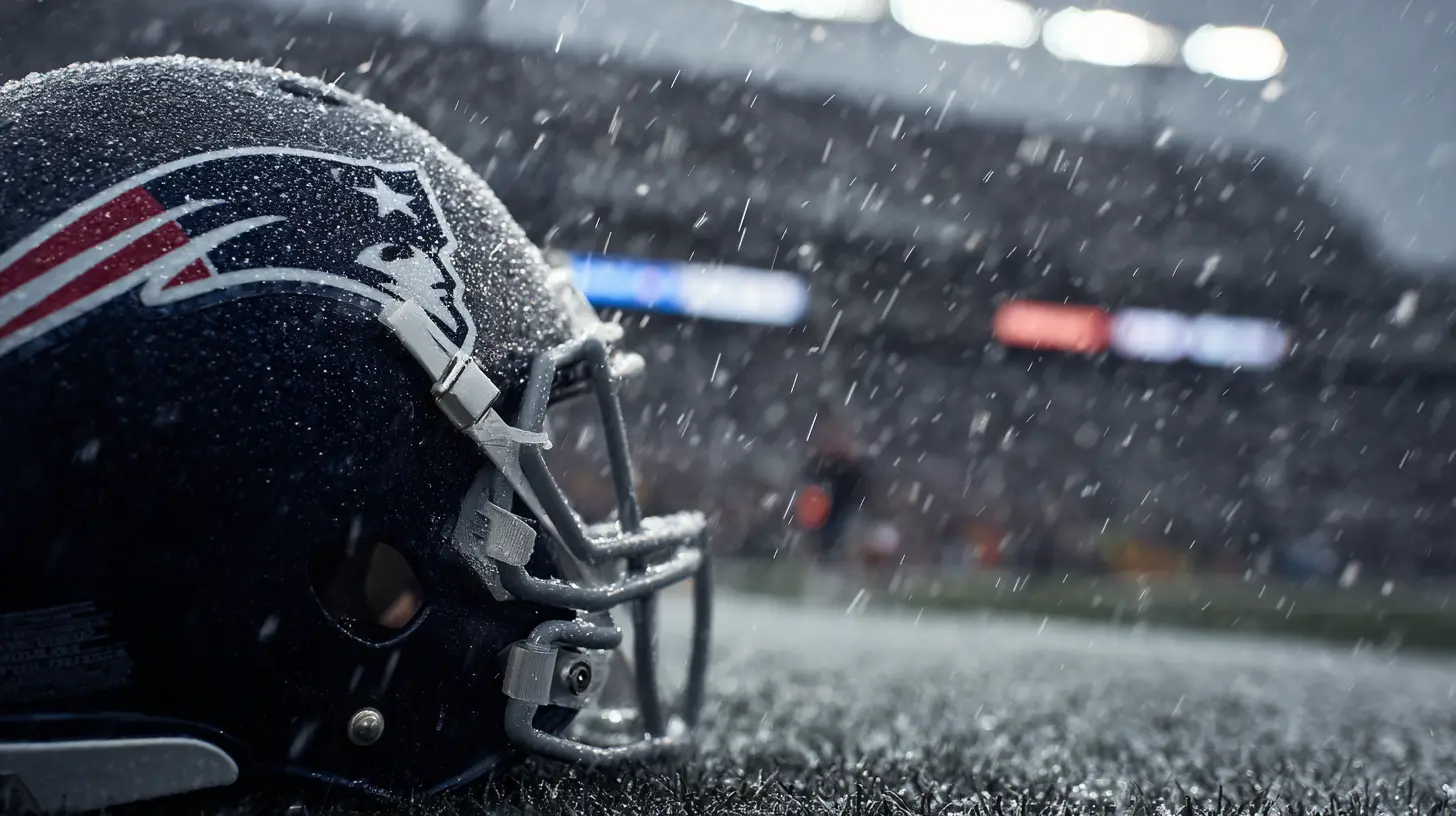
Offensive Strategy Adjustments That Actually Matter
Passing game
In bad weather, the smartest offenses do not abandon the pass. They simplify it. They use quicker drops, shorter routes, and more play-action because the run game forces linebackers to step up. They also use more screens and rub routes because those plays require less air time and less precision.What does not work: long developing vertical concepts, back-shoulder throws that require fine touch, and deep outs to the sideline in a crosswind. Those are low-percentage plays in perfect conditions and near-zero plays in bad ones.
A common mistake is assuming a strong-armed quarterback has an advantage in cold weather. Arm strength helps, but accuracy and decision-making matter more. A quarterback who throws a tight spiral and makes fast reads beats a stronger arm who holds the ball.
Running game
Bad weather rewards patience and physicality. Zone runs with one cut work if the field is firm. Power runs and gap schemes work if the field is soft because defenders cannot anchor. The key is to match the scheme to the surface, not to the weather report alone.Ball security becomes paramount. Running backs should keep the ball high and tight, and coaches should consider benching players who fumble in practice. In wet conditions, the team that wins the turnover battle usually wins the game.
Kicking game
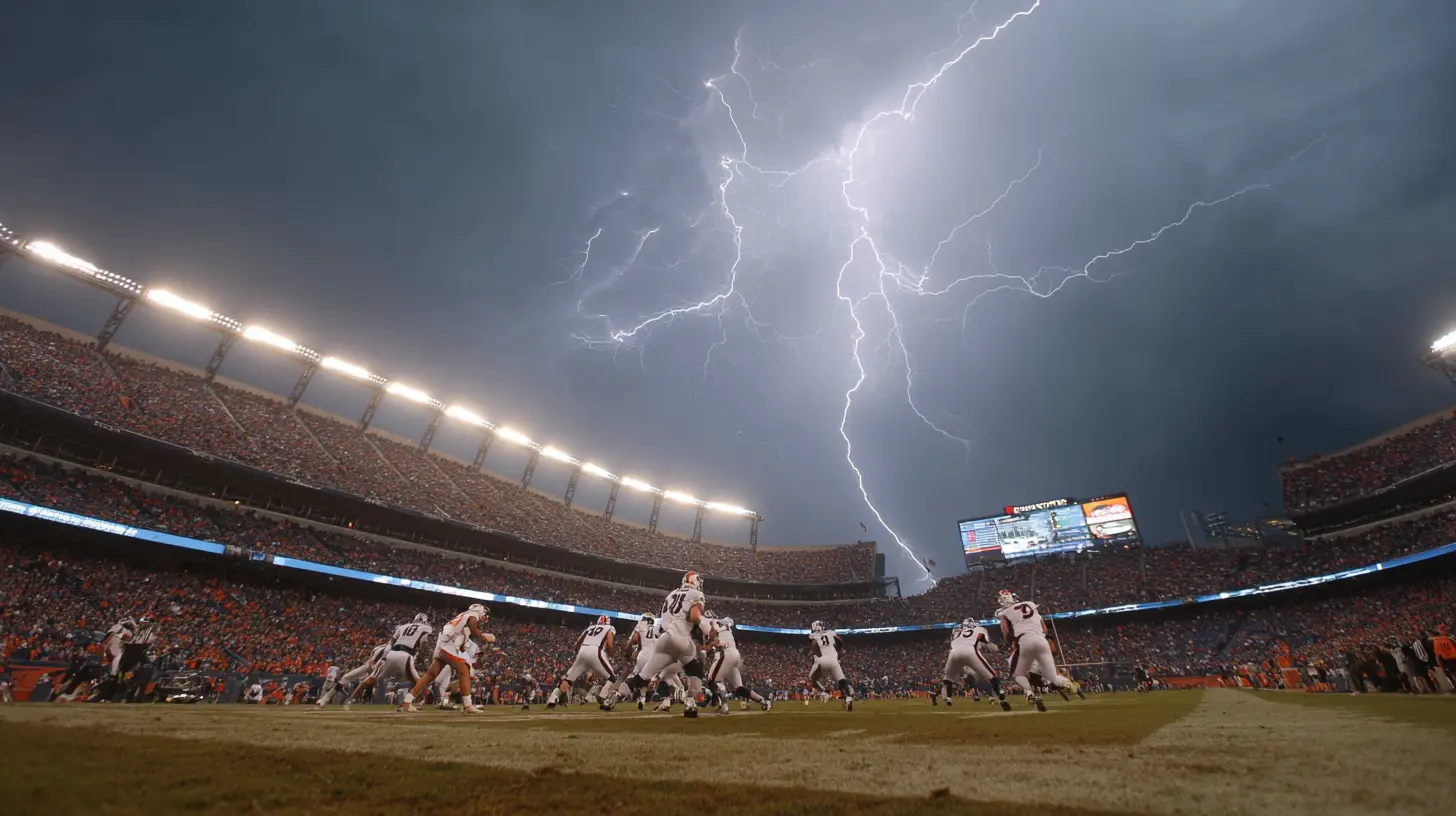
This is where weather has the most direct scoreboard impact. A 50-yard field goal in ideal conditions is a coin flip. In a 20 mph wind, it may be a 35-yard attempt at best. Coaches must adjust their "fourth down decision" models. Punting into the wind can flip field position by 20 yards or more, which changes the value of a possession.The best practice is to have a clear wind-adjusted chart before the game. Do not guess. Use the kicker's warmup and the actual wind readings at the stadium.
Defensive Strategy Adjustments
Pressure and coverage
In bad weather, pressure becomes more valuable because it forces quick throws and increases the chance of a strip sack or an errant pass. But blitzing also leaves the secondary exposed. The trade-off is real. Against a run-heavy offense in the wind, a defense may choose to blitz less and play more base personnel to stop the run.Coverage should be simpler. Pattern-match and zone coverages are safer than pure man because they keep eyes on the quarterback and the ball. Man coverage requires defensive backs to turn their backs to the ball, which is risky when the ball is wet and the receiver may slip.
Turnover hunting
Defenses should emphasize punching the ball out, not just tackling. In cold or wet conditions, the ball is looser. A defense that forces three fumbles has a much higher chance of winning than one that relies on interceptions alone.Special Teams: The Hidden Leverage
Special teams are often overlooked in weather analysis, but they can decide games. A punter who can consistently flip the field in a headwind is a weapon. A kicker who can hit from 55 in a dome may be unreliable from 45 in the wind. Coaches should consider using a "wind kicker" and a "calm kicker" if the roster allows it.Returners should be coached to fair catch more often in bad weather. The risk of a muffed punt or a fumble on a kickoff return outweighs the potential gain, especially when the offense is struggling to move the ball.
Real-World Examples and What They Teach
The Ice Bowl and the Freezer Bowl
The 1967 NFL Championship, known as the Ice Bowl, was played in temperatures well below zero. The field was frozen, and the Packers won on a quarterback sneak. The lesson is not that cold always favors the home team. The lesson is that cold amplifies execution. The team that handles the snap, the handoff, and the block wins.The 1981 AFC Championship, the Freezer Bowl, was played in extreme wind chill. The Bengals won by running the ball and avoiding mistakes. The Chargers, a pass-first team, struggled. That is a classic example of weather neutralizing a stylistic advantage.
The Fog Bowl
The 1988 Fog Bowl between the Bears and Eagles was played in dense fog. Visibility was so poor that players could not see the sideline. The game became a ground-and-pound affair. The lesson: when visibility is compromised, the team that simplifies its offense and relies on running and defense has the edge.Modern examples
More recently, games in Buffalo, Chicago, and Green Bay in December and January have shown that wind is often more decisive than cold. A 20 mph wind can turn a shootout into a slog. Teams that can run the ball and stop the run win those games.Common Misconceptions
"Cold weather favors the cold-weather team"
Not automatically. A cold-weather team may be more accustomed to the conditions, but if its roster is built for speed and passing, the cold may hurt it as much as the visitor. The advantage comes from preparation and scheme, not geography."Rain helps the underdog"
Sometimes. Rain increases variance, which can help an underdog. But if the underdog is a passing team and the favorite is a running team, rain helps the favorite. The key is to match the weather to the team's identity."Domes eliminate weather"
Domes eliminate precipitation and wind, but they do not eliminate weather entirely. The decision to open a retractable roof can be strategic. A team with a strong running game may want the roof open in cold weather to slow down a fast opponent. A team with a great kicker may want it closed. That is a coaching decision, not a weather accident.
Practical Decision Frameworks
For coaches
1. Build a weather-adjusted game plan on Monday, not Sunday.2. Practice with wet balls and in cold conditions if possible.
3. Have a clear wind chart for kicking decisions.
4. Simplify the passing game and emphasize ball security.
5. Use timeouts to manage the clock and the elements.
For bettors and analysts
1. Check the forecast, but also check the wind direction relative to the stadium.2. Look at team tendencies in bad weather, not just overall stats.
3. Adjust totals and spreads for wind more than for cold.
4. Consider the kicking game and special teams.
5. Avoid overreacting to a single weather game. Variance is high.
For fans
1. Dress in layers and bring hand warmers.2. Arrive early because weather can slow entry.
3. Understand that the game may be ugly. That is part of the appeal.
What to Watch in Late 2026
International games
If the league schedules late-season games in Europe or other international venues, the weather may be milder than expected, but the travel and time zone changes add a different kind of stress. Teams may not have the same recovery routines. That could amplify weather effects if the game is played in an open-air stadium with wind or rain.Retractable roofs
More teams may choose to open roofs in cold weather to gain a competitive advantage. That is a trend worth watching. It turns a weather decision into a coaching decision, which is a fascinating development.Rule changes
If the league adjusts kickoff or clock rules again, the value of field position and ball security may rise further. That would make weather even more important.
Final Thoughts
Weather does not decide games by itself. It changes the probability of outcomes. It punishes teams that cannot run the ball, protect the ball, or kick in the wind. It rewards teams that prepare, simplify, and adapt. In late 2026, the teams that treat weather as a strategic variable rather than an excuse will have a real edge. The ones that ignore it will wonder why they lost a game they should have won.
all images in this post were generated using AI tools
Category:
Game PredictionsAuthor:

Everett Davis