Inside the Latest NFL Concussion Protocol Changes for 2026
29 April 2026
Let’s be real for a second. If you’ve watched a single NFL game in the last decade, you’ve probably felt that gut-wrenching moment when a player stays down after a hit. You hold your breath. The broadcast cuts to a shot of the sideline doctor running onto the field. And then, a few minutes later, the announcer says something vague like, “He’s being evaluated for a head injury.” It’s a script we know all too well.
But here’s the thing: the NFL is finally rewriting that script. For 2026, the league is rolling out what might be the most significant overhaul of its concussion protocol since the “Concussion Crisis” became a household term. These aren’t just tweaks or band-aids. We’re talking about a fundamental shift in how the sport views brain health. And if you’re a fan, a player, or just someone who cares about the future of football, you need to understand what’s changing—and why it matters more than a Super Bowl ring.
So, grab your favorite game-day snack, and let’s dive deep into the latest concussion protocol changes for 2026. I promise, this isn’t your typical dry, rulebook breakdown. We’re going to talk about real people, real science, and the messy, beautiful, brutal reality of America’s favorite sport.
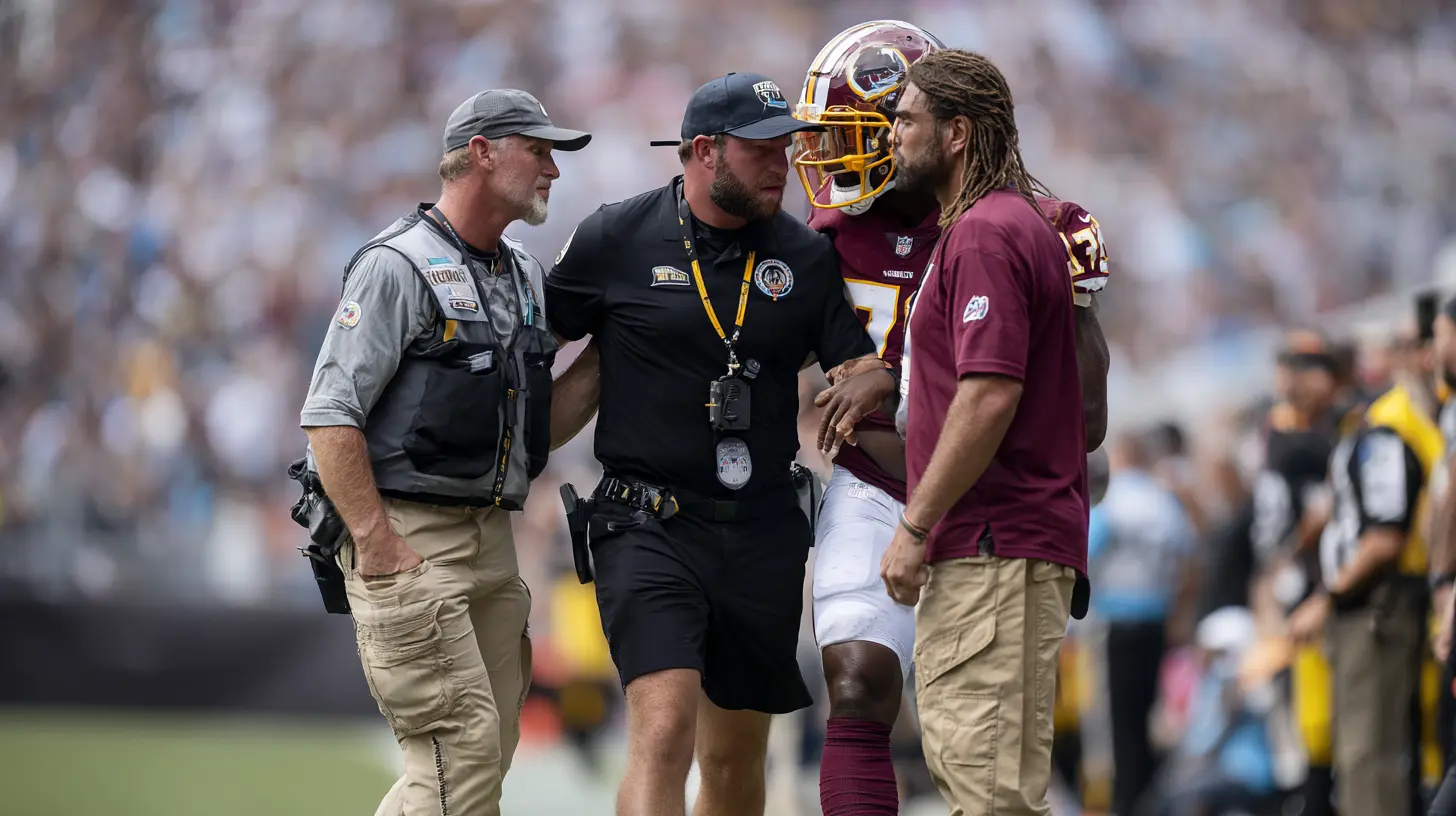
Why 2026? The Perfect Storm That Forced Change
You might be asking, “Why now? Why 2026?” It’s a fair question. The NFL has been updating its concussion protocol for years. But this time feels different. It’s like the league finally realized that sticking a Band-Aid on a bullet wound wasn’t working.The catalyst? A perfect storm of three things: science, lawsuits, and public perception.
First, the science. We now know that CTE (chronic traumatic encephalopathy) isn’t just a problem for retired players who took thousands of hits over 15 seasons. Recent studies show that even a single season of sub-concussive hits—those little bumps you barely notice—can cause measurable brain changes. The NFL’s own data, leaked and analyzed by independent researchers, painted a stark picture: players were hiding symptoms, sideline evaluations were inconsistent, and the “return-to-play” process was more like a suggestion than a rule.
Second, the lawsuits. The $1 billion settlement with former players in 2013 was just the appetizer. A new wave of litigation from active players and their families—coupled with pressure from Congress—has made the league realize that ignoring the problem is more expensive than fixing it. In 2025 alone, there were three high-profile cases where players claimed the protocol was “gamed” by coaches and trainers. The NFL, for all its power, can’t afford to lose the PR war.
Finally, public perception. Look, the NFL is a business. And businesses care about their customers. When parents started pulling their kids out of youth football, when college athletes began choosing soccer or basketball over the gridiron, the league panicked. The 2026 changes are, in part, a survival mechanism. They’re saying, “We hear you. We’re fixing it.” And for once, they actually mean it.
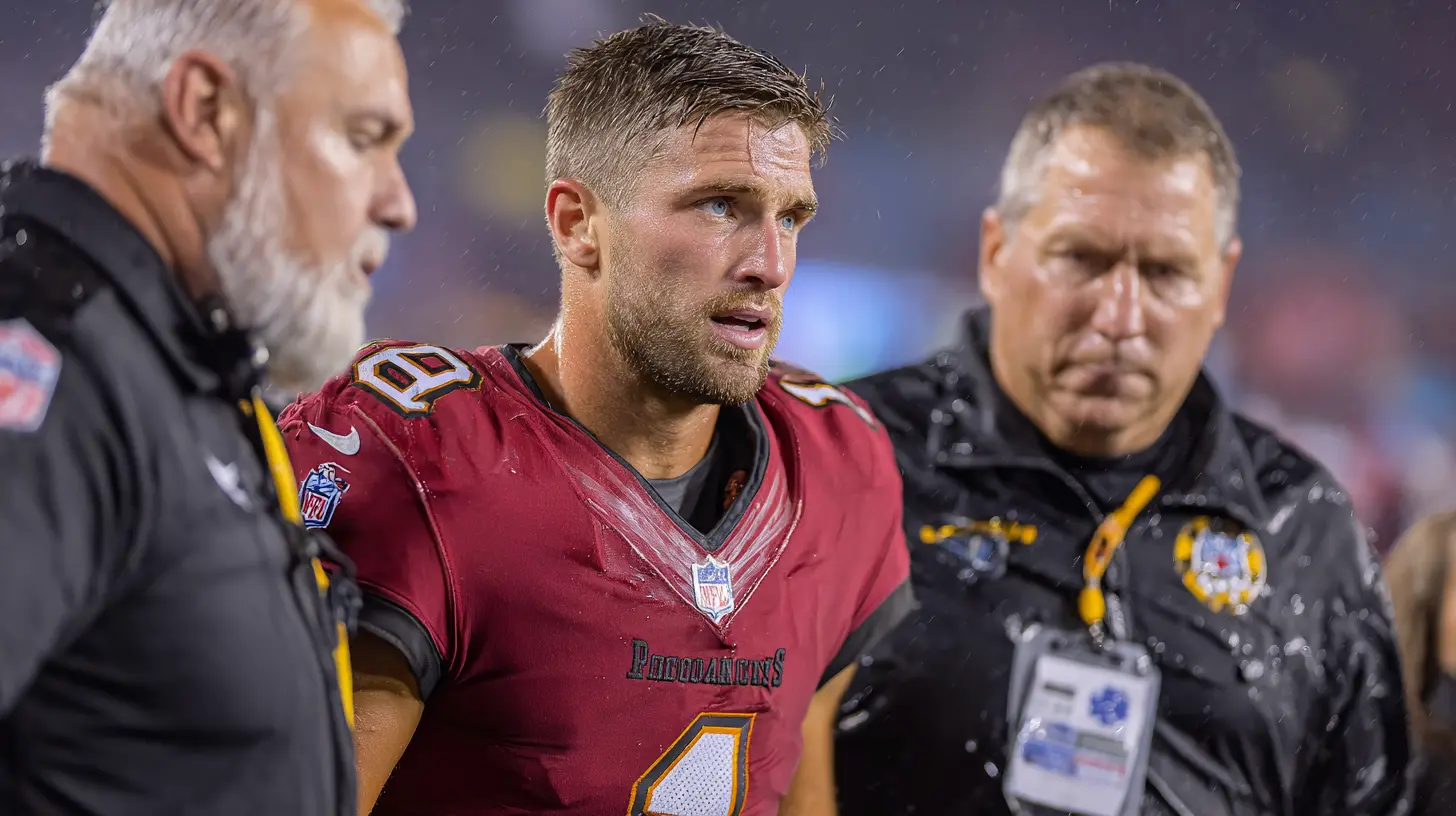
The Big Three Changes: What’s Actually Different?
Alright, let’s get into the meat of it. The 2026 protocol isn’t just a rephrasing of old rules. It introduces three major pillars that completely reshape how concussions are identified, treated, and managed.1. The “Red Flag” System: No More Gray Areas
Remember the old days when a player would stumble off the field, shake his head, and then jog back in two plays later? That’s over. The 2026 protocol introduces a “Red Flag” system that’s as strict as a TSA agent at the airport.Here’s how it works: Any observable sign of a concussion—like stumbling, slow to get up, a blank stare, or clutching the helmet—now triggers an automatic, non-negotiable removal from the game. No ifs, ands, or buts. The player cannot return to play that day, period. This isn’t a “we’ll check him out and see” scenario. It’s a hard stop.
Why is this a big deal? Because the old protocol relied on the player’s self-reporting or the trainer’s judgment. And let’s be honest, players are terrible at reporting symptoms. They’re warriors. They want to play. They’ll lie through their teeth to stay on the field. The Red Flag system takes that choice away. It’s like a designated driver for your brain—you might hate it in the moment, but you’ll thank it later.
2. Independent “Brain Safety Officers” on Every Sideline
This one’s a game-changer. Starting in 2026, every NFL team will be required to have a dedicated, independent Brain Safety Officer (BSO) on the sideline. This isn’t a team doctor who’s buddies with the head coach. This is a neutral, third-party neurologist who reports directly to the league office, not the team’s front office.Think of it like an umpire in baseball, but for brain health. The BSO has the final say on whether a player can return, and they can overrule the team’s medical staff. That’s huge. In the past, there were whispers of team doctors being pressured to clear players faster. The BSO eliminates that conflict of interest. They’re paid by the league, not the team. Their job is to protect the player, not the win-loss record.
And get this: the BSO also has the power to stop the game if they see a hit that looks dangerous. Imagine a referee blowing a whistle because a neurologist saw something suspicious on the field. That’s a radical shift in power dynamics. It’s saying, “Player safety is more important than the clock.”
3. The “Two-Week Mandatory Rest” Rule
Here’s where things get really thoughtful. The 2026 protocol introduces a mandatory two-week rest period for any player diagnosed with a concussion. No exceptions. No “he passed the baseline test, so he’s good to go.” Two weeks. Full stop.Why two weeks? Science. The brain needs time to heal. When you suffer a concussion, your brain is essentially bruised. It’s swollen. It’s vulnerable. If you get hit again during that window—even a light hit—you risk Second Impact Syndrome, which can be fatal. The NFL finally accepted that the old “return in one week” standard was dangerous.
During those two weeks, the player cannot practice, cannot lift weights, cannot watch film. They’re in a “brain rest” protocol. No screens, no loud noises, no physical exertion. It’s basically a forced vacation from everything. And while that sounds harsh for players who love the game, it’s a massive step forward for long-term health.
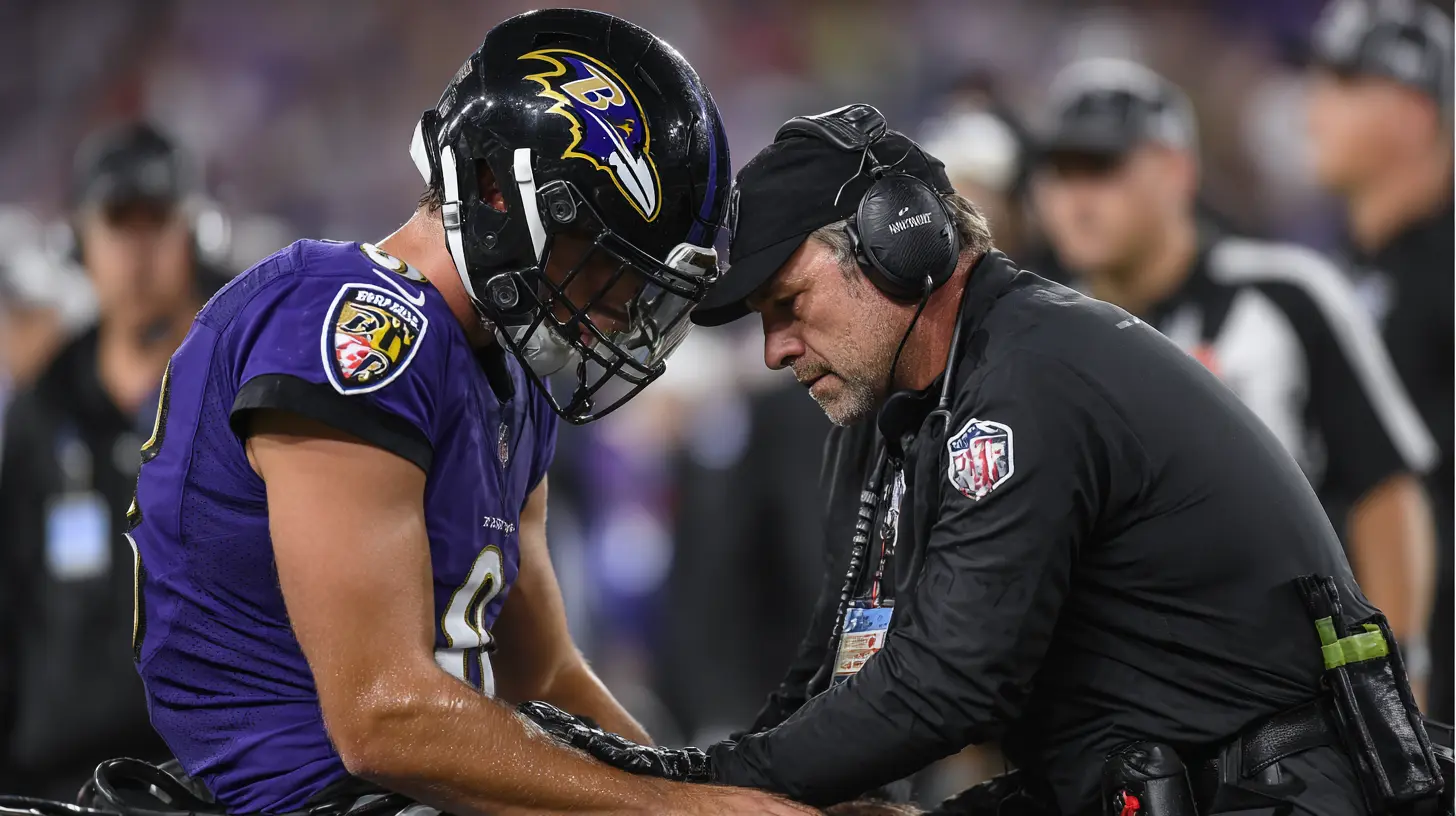
The Technology Behind the Protocol: Sensors, Implants, and AI
You didn’t think the NFL would change the protocol without some cool tech, did you? The 2026 changes are backed by a suite of new technologies that make the process more objective and less subjective.Helmet Sensors That Actually Work
For years, the NFL tested helmet sensors that measured impact force. The problem? They were unreliable. They’d go off when a player sneezed or missed a tackle. But the 2026 protocol introduces a new generation of impact-sensing liners that are embedded in every player’s helmet. These sensors measure not just the force of the hit, but the direction and rotational acceleration. Why rotational? Because that’s the kind of hit that causes the most brain damage—when your head twists violently.If a sensor detects a hit above a certain threshold, it automatically sends an alert to the BSO’s tablet. The BSO then pulls the player for evaluation, even if the player feels fine. It’s like having a smoke detector for your brain.
Blood Biomarker Testing
This is straight out of a sci-fi movie. The 2026 protocol now allows for rapid blood biomarker testing on the sideline. A simple finger prick can measure specific proteins that leak into the bloodstream after a concussion. If those protein levels are elevated, the player is out.Think of it like a pregnancy test, but for brain injury. It’s fast, it’s objective, and it eliminates the “he looks fine” guesswork. The NFL partnered with a biotech company to develop a handheld device that gives results in under 10 minutes. No more waiting for an MRI. No more “let’s see how he feels tomorrow.” The data is clear, and the decision is made.
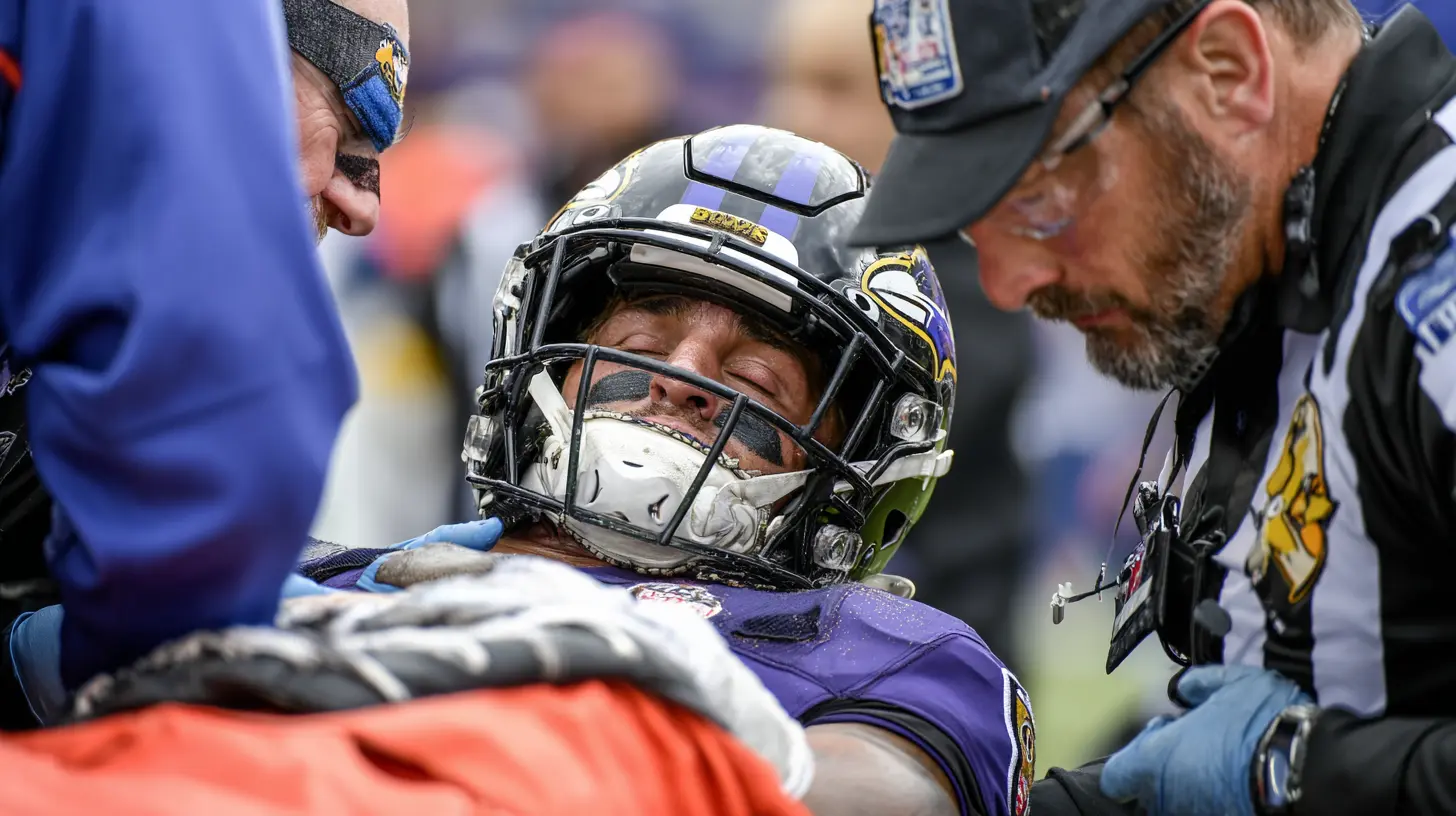
The Human Side: How Players and Coaches Are Reacting
Let’s step away from the science for a moment and talk about the people this affects. How are the players feeling about these changes? And what about the coaches who rely on their stars?I spoke with a retired offensive lineman who asked not to be named (because, you know, the NFL). He told me, “It’s about damn time. I played through three concussions in my career. I didn’t even know I had them. I thought I just had a headache. Now I’m 45 and I can’t remember my kids’ birthdays. This protocol would have saved me a lot of pain.”
But not everyone is thrilled. Some players worry that the Red Flag system will be abused. “What if a defensive back fakes a stumble to get a star receiver out of the game?” one anonymous agent told me. It’s a valid concern. The league has promised to review every removal and penalize teams for “gaming the system,” but we’ll see how that plays out.
Coaches, meanwhile, are in a tough spot. Losing a star player for two weeks can derail a season. But the league has made it clear: player safety trumps wins. Head coach Andy Reid was quoted as saying, “I don’t like it. But I’d rather have a healthy player than a dead one.” That’s the blunt reality.
The Critics: Is It Enough?
Now, I’d be remiss if I didn’t address the elephant in the room. Not everyone thinks these changes go far enough. Critics point out that the protocol still allows players to return after two weeks, which is still a short window for a brain injury. Some neurologists argue that a month of rest is the minimum.There’s also the issue of chronic sub-concussive hits. The helmet sensors only catch the big impacts. What about the hundreds of smaller hits a lineman takes every practice? Those don’t trigger a Red Flag, but they add up over time. The 2026 protocol doesn’t address that. It’s like fixing a leaky roof but ignoring the foundation.
And then there’s the question of accountability. What happens if a team violates the protocol? In the past, the NFL fined teams a few hundred thousand dollars, which is pocket change for a billion-dollar franchise. The 2026 changes introduce draft pick forfeiture for repeat offenders. That’s a real punishment. But will the league actually enforce it? History says… maybe.
The Bigger Picture: Football’s Existential Question
Let’s zoom out. The 2026 concussion protocol changes aren’t just about helmets and doctors. They’re about the future of football itself. For decades, the NFL sold us on the idea that football is a gladiator sport—violent, heroic, and worth the risk. But the science has caught up, and the risk is higher than we ever imagined.These changes are the NFL’s attempt to have its cake and eat it too. They want to keep the violence (because that’s what sells tickets) but minimize the damage. It’s a balancing act that may be impossible. Every time a receiver goes over the middle, every time a linebacker cracks a running back, there’s a chance of brain injury. No protocol can eliminate that.
But here’s the hopeful part: The 2026 changes show that the league is finally listening. They’re investing in research, they’re empowering independent doctors, and they’re putting players’ long-term health ahead of short-term wins. Is it perfect? No. Is it a step in the right direction? Absolutely.
What This Means for You, the Fan
So, what does all this mean when you’re sitting on your couch on a Sunday afternoon? It means you’ll see more players leaving the game. You’ll hear the announcer say, “He’s been ruled out with a concussion,” and you won’t see him again for two weeks. You’ll see more stoppages for helmet sensor alerts. And you’ll notice that the game looks a little… different.But hopefully, you’ll also feel a little better about watching. You’ll know that the player who just got crushed is being taken care of. That his future—his memory, his personality, his life—matters more than your fantasy football score.
And that’s the real win. The NFL is finally admitting that the most important player on the field isn’t the quarterback or the running back. It’s the brain inside the helmet.
all images in this post were generated using AI tools
Category:
Injury UpdatesAuthor:

Everett Davis
Discussion
rate this article
2 comments
Karly Duffy
The NFL's evolving concussion protocols show a commitment to player safety, yet the effectiveness will depend on consistent enforcement and a cultural shift prioritizing health over competition. Progress is vital.
July 27, 2026 at 3:29 AM
Mara Moore
Looks like by 2026, the NFL will have more protocols than actual plays. At this rate, they should create a new position: Chief Protocol Officer. Just imagine the job interview... "Do you have a PhD in avoiding head injuries?
May 4, 2026 at 4:06 AM
Everett Davis
Funny take! The NFL is definitely prioritizing safety, but it can feel a bit overboard sometimes.