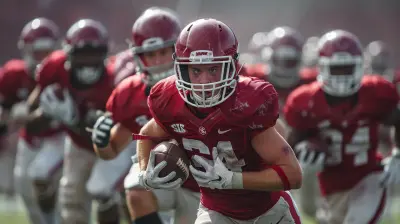
Interactive Halftime Shows: Keeping Fans Entertained Beyond the Game
25 June 2026
Let’s be honest—halftime at sporting events used to be your cue to hit the bathroom, grab a hot dog, or take a scroll through your phone. But not anymore. Stadiums and franchises are flipping the script, and halftime is turning into one of the most exciting parts of the entire game day experience. Welcome to the bold new world of interactive halftime shows.
These aren’t your traditional marching bands or mid-field pass-the-ball contests. We’re talking full-blown spectacles that pull fans out of their seats and into the spotlight. From augmented reality experiences to live fan competitions, halftime has become a playground for tech, creativity, and fan engagement.
So why does this matter? Because in the ultra-competitive world of sports entertainment, keeping fans hooked from the opening whistle to the final buzzer is everything.
Let’s dive in.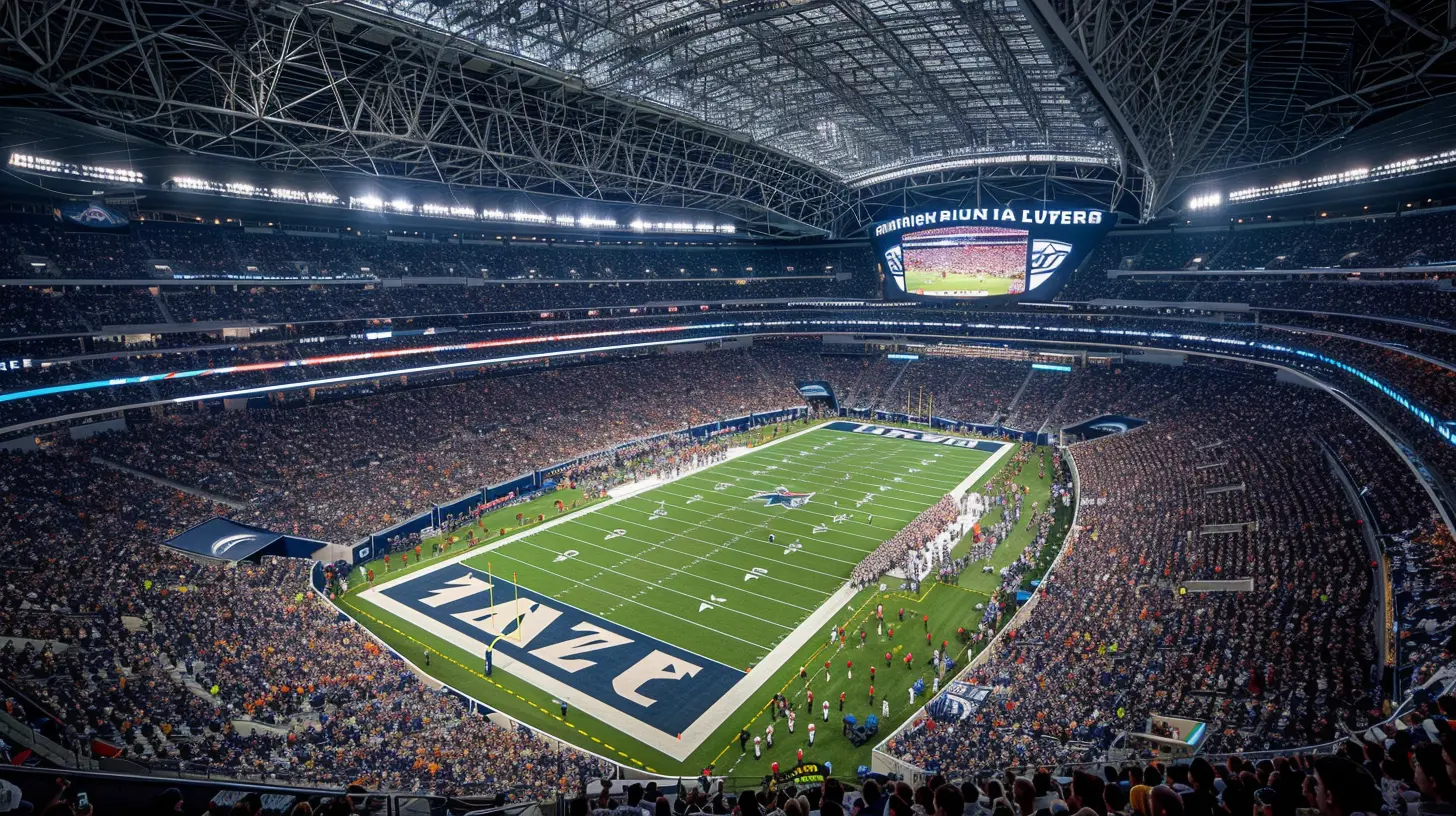
Why Halftime Matters More Than Ever
Thirty years ago, halftime was downtime. Fast-forward to today, and the fan experience extends far beyond the scoreboard. Teams aren’t just competing on the field—they’re battling for attention in an era of constant digital distractions.Think of it this way: a game is a movie, and halftime is the intermission. But in today’s world, nobody wants a boring break. Theaters now serve gourmet popcorn, offer trivia on screen, or even live-stream behind-the-scenes footage. Sports events? They’re doing the same kind of thing—just bigger, louder, and more interactive.
The goal? To keep fans invested during every minute they’re in the arena or tuned in on TV.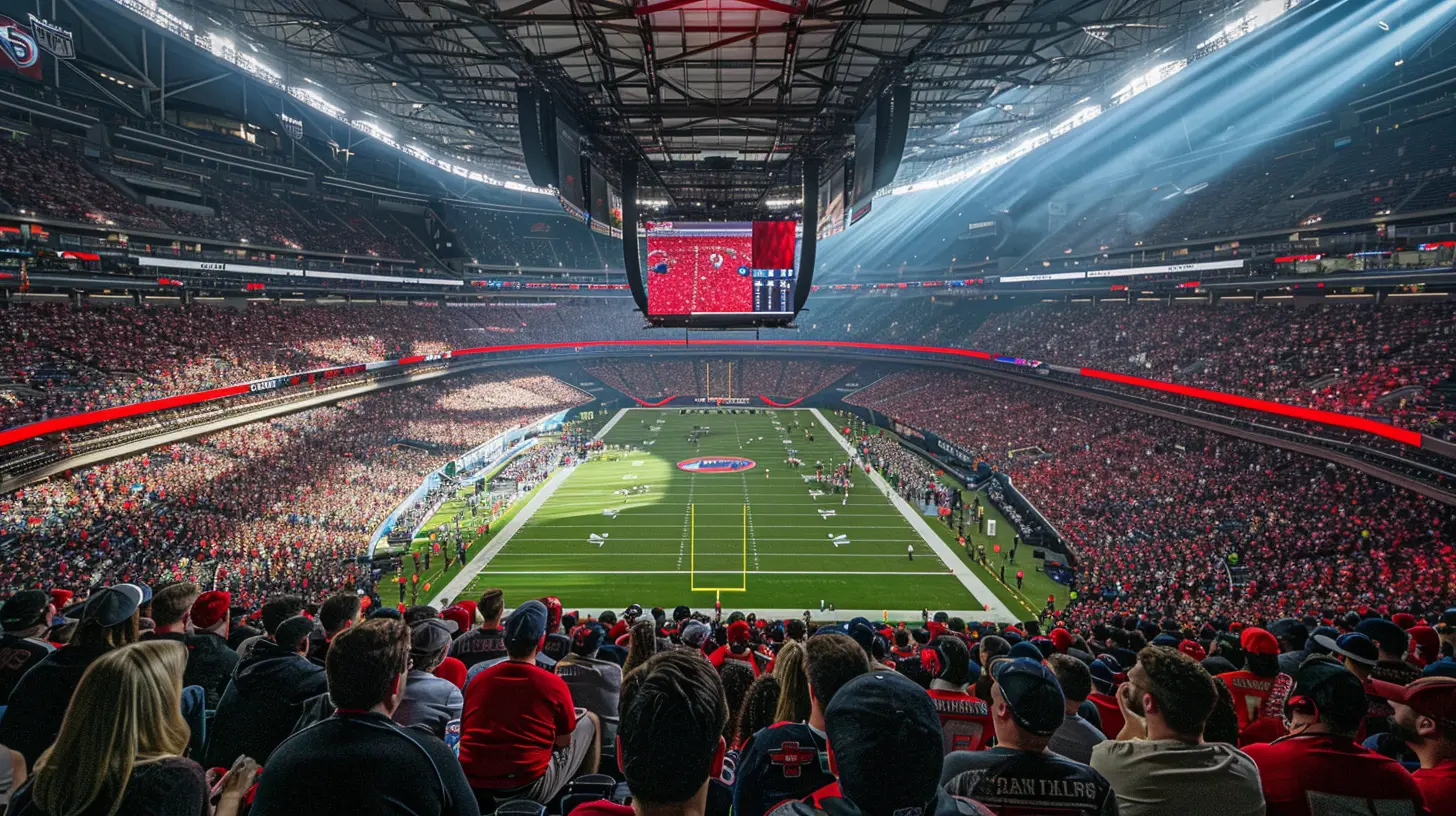
The Rise of Audience Engagement in Sports
Gone are the days when fans were just spectators. Now they’re part of the show.This shift didn’t happen overnight. It’s the result of several trends colliding:
- Advances in technology (like virtual reality, mobile apps, and live streaming)
- Changing audience expectations, especially from younger fans who crave immersive experiences
- The influence of social media, where fans expect to be seen, heard, and involved
Today’s fans don’t just want to watch—they want to do. And that’s exactly what interactive halftime shows deliver.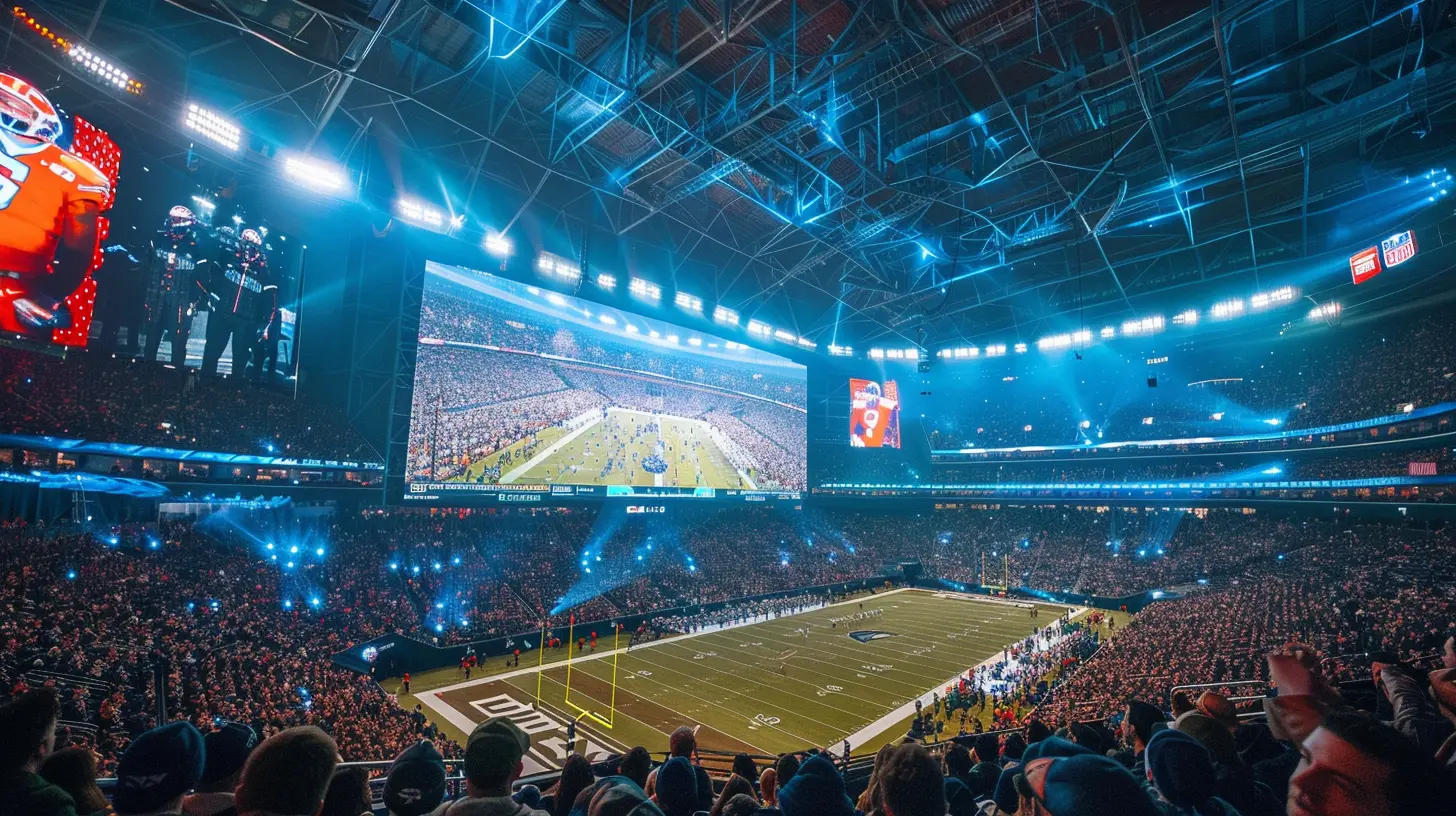
What Makes a Halftime Show “Interactive”?
Let’s break it down. A traditional halftime show is something you watch. An interactive one? That’s something you experience.1. Fan Participation
Fans aren’t just in the stands—they’re in the spotlight.You’ve seen it: people selected live to compete in dance-offs, skill challenges, or trivia games shown on the big screen. Some events even let fans control on-screen elements via mobile apps.
And the stakes? How about free season tickets, cash prizes, or VIP experiences. This isn’t your average kiss cam anymore.
2. Augmented and Virtual Reality
Imagine pointing your phone at the field and seeing dragons fly during halftime at a football game. Sounds insane, right? But it’s happening.Teams use AR and VR to create mind-blowing visuals that blend digital and physical realities. It’s about making halftime feel like a Hollywood production—on steroids.
Even better? Fans at home can join in too, using apps or livestreams to get a piece of the action.
3. Social Media Integration
Hashtags, photo contests, live polls—interactive shows now live online as much as they do in the stadium.Some teams encourage fans to tweet using a specific hashtag, and then feature the best posts during the show. Others let fans vote on what happens next: Who sings the next song? What challenge does the mascot complete?
It’s a choose-your-own-adventure halftime show.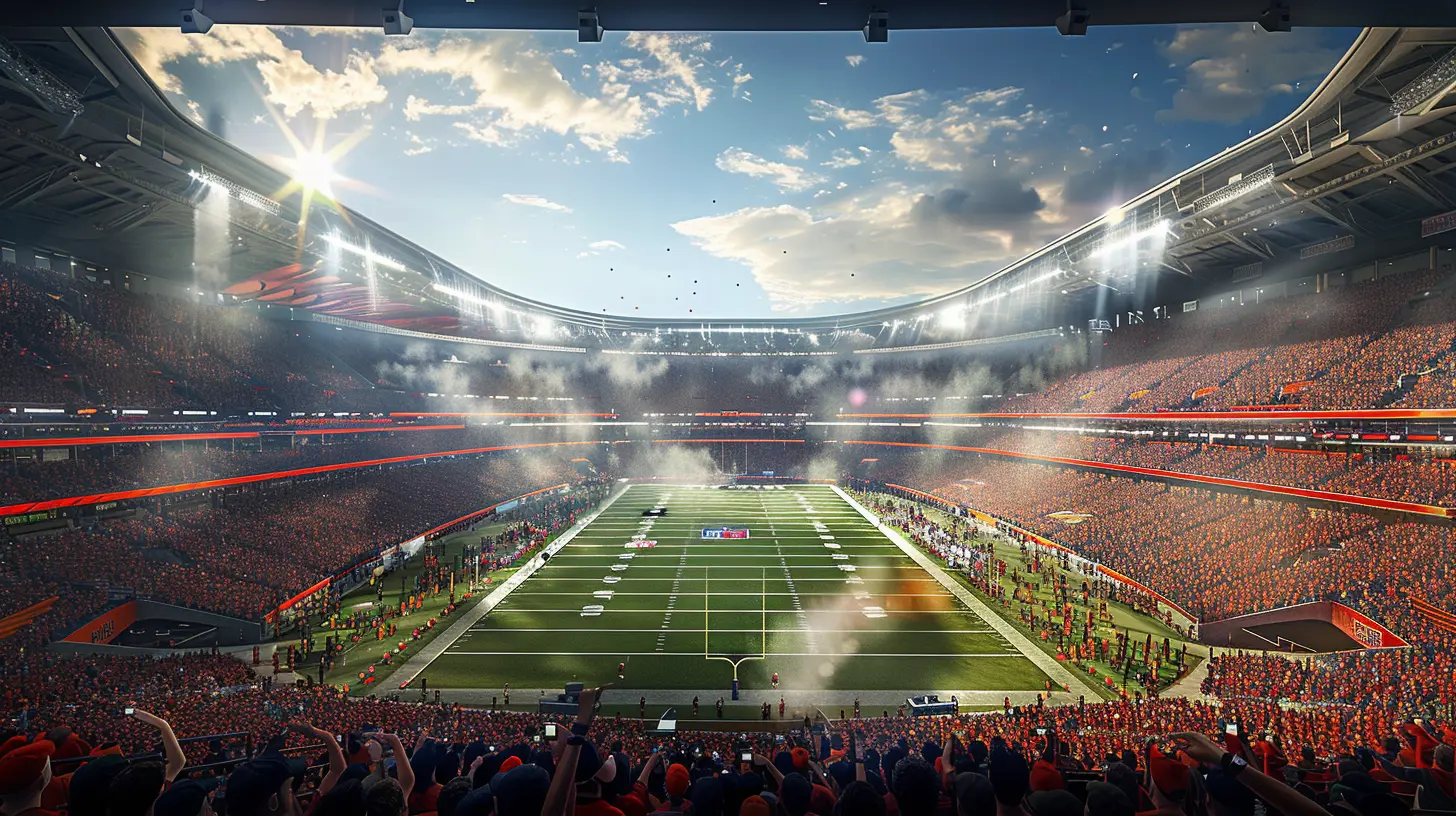
Examples That Score Big
Let’s shine a spotlight on a few teams and events that have nailed the interactive halftime formula.NBA All-Star Weekend
Nobody does fan-centric entertainment quite like the NBA, and their All-Star halftime shows are legendary. From celebrity shootouts to live dunk contests judged by fans on social media, it’s a master class in engagement.Super Bowl Halftime App Experience
The Super Bowl? It’s basically the Beyoncé of sporting events. But recently, they’ve added interactivity to the mix with second-screen experiences.Fans can use apps to access camera angles, participate in live chats, and play along with trivia during the halftime show. It turns everyone’s phone into a backstage pass.
Minor League, Major Innovation
Don’t sleep on smaller leagues either. Minor league baseball teams often lead the way in creativity. Think live karaoke battles, on-field mini-games, or fan vs. mascot challenges.Sometimes, the underdogs innovate the most.
Why Teams and Brands Love It
It’s not just about fun. Interactive halftime shows are a marketing goldmine.1. Deeper Fan Loyalty
When fans feel like a part of the action, they’re more likely to come back (and bring their friends). That connection? It’s priceless.2. Data Collection with Consent
Every app download, social post, or game participation gives teams data—with permission. That means better fan insights, more targeted marketing, and stronger strategies.3. Sponsor Integration
Interactive shows are a perfect platform for brand partnerships. A halftime contest sponsored by a major soft drink brand? That’s exposure with energy.And when fans actually participate in branded content, the impact is way deeper than a static ad.
Challenges and How Teams Navigate Them
No path to innovation is smooth. So what hurdles do teams face when rolling out interactive halftime shows?Technology Glitches
When tech fails, it fails hard. Imagine a half-filled stadium staring at a frozen screen—yikes.To avoid this, teams run rehearsals, stress-test systems, and keep backups in place. It’s a Broadway-level production behind the scenes.
Costs and ROI
High-tech shows aren’t cheap. But here’s where smart budgeting and sponsorships come in. By demonstrating value through fan growth, engagement metrics, and brand partnerships, teams justify the investment.Inclusivity
Not every fan owns a smartphone or wants to be on camera. Successful teams offer multiple ways to engage, from live chants to physical activities on the field.The key? Make it fun for everyone, not just the tech-savvy.
The Future: Where Halftime Is Heading
So where is this all going?Imagine a halftime where every seat comes with an AR headset. Or where fans use NFTs to vote on halftime entertainment. Maybe you’ll even put on a VR headset and play a mini-game with your favorite athlete—in real time.
Sound far-fetched? Not really. Teams are already testing these concepts behind closed doors. The future of halftime is personalized, immersive, and global.
Final Thoughts: It's Not Just a Break—It's a Moment
Halftime used to be the silent pause between moments. Now? It’s a canvas.Interactive halftime shows are changing the way we think about sports entertainment. They’re blurring lines between fan and performer, reality and digital, show and game.
And guess what? The fans are loving it.
So next time you hear that halftime buzzer, don’t take a break. Stay in your seat, open your phone, and get ready to play your part. Because the next great sports moment might not happen during the game—it might happen right in the middle of it.
all images in this post were generated using AI tools
Category:
Fan EngagementAuthor:

Everett Davis
Discussion
rate this article
1 comments
Wade Hurst
What a fantastic way to enhance the game day experience! Interactive halftime shows are like a breath of fresh air, bringing fans together and adding excitement. Can't wait to see what creative surprises are in store for us next!
June 25, 2026 at 11:06 AM
Everett Davis
I completely agree! Interactive halftime shows really do elevate the experience and keep the energy high. Excited for what's next too!