Key Substitutions That Could Turn the Tide in the Big Game
22 March 2026
In the high-stakes world of sports, sometimes it’s not the starting lineup but the key substitutions that make all the difference. You know, those game-changing moments when a coach reaches into their playbook, pulls out a wild card, and suddenly shifts the momentum of the entire match. Substitutions aren’t just about giving tired legs a rest; they’re strategic moves designed to outwit the opposition, inject fresh energy, or even change the entire dynamic of the game.
So, if you're gearing up for the big game and wondering which players might come off the bench and turn the tide, you’re in the right place. We’re going to break down how key substitutions could play a pivotal role, and why coaches' decisions in these scenarios are often the difference between glory and defeat.

Why Substitutions Matter More Than Ever
In today’s fast-paced sports environment, every second counts. Modern athletes are pushed to their limits, and even the best players can run out of gas. But it’s not just about fatigue. Opposing teams adapt throughout a match, and sometimes the initial game plan just isn’t working. That’s where substitutions come in.Think of a substitution as changing gears in a race car. You don’t need to change the car, just the gear, to adjust to the track. A fresh player can bring new speed, energy, and sometimes a whole new approach to the game. It’s like giving your team a second wind when they need it most.
But let’s dig deeper into what makes a substitution a game-changer.

Injecting Fresh Energy
One of the most obvious reasons for a substitution is simple: tired legs. You’ve seen it a hundred times—players slowing down after giving their all for 60, 70, or 80 minutes. Substituting in a fresh player can be like throwing a stick of dynamite into a stagnant pond. Suddenly, the tempo picks up, defenders who had started to relax a bit now find themselves chasing a player with fresh legs.In soccer, for example, we often see late-game substitutions made to bring in a winger or forward with blistering speed. These fresh players can terrorize tired defenders, stretching the game and creating opportunities where there were none before. In basketball, bringing in an athletic guard or forward can immediately change the pace, forcing the opposition to adjust to an entirely new rhythm.
But it’s not just about speed. A well-timed substitution can also bring fresh energy mentally. Players coming off the bench are often hungry to prove themselves, and that hunger can be contagious. A fired-up substitute might just be what the team needs to regain momentum.
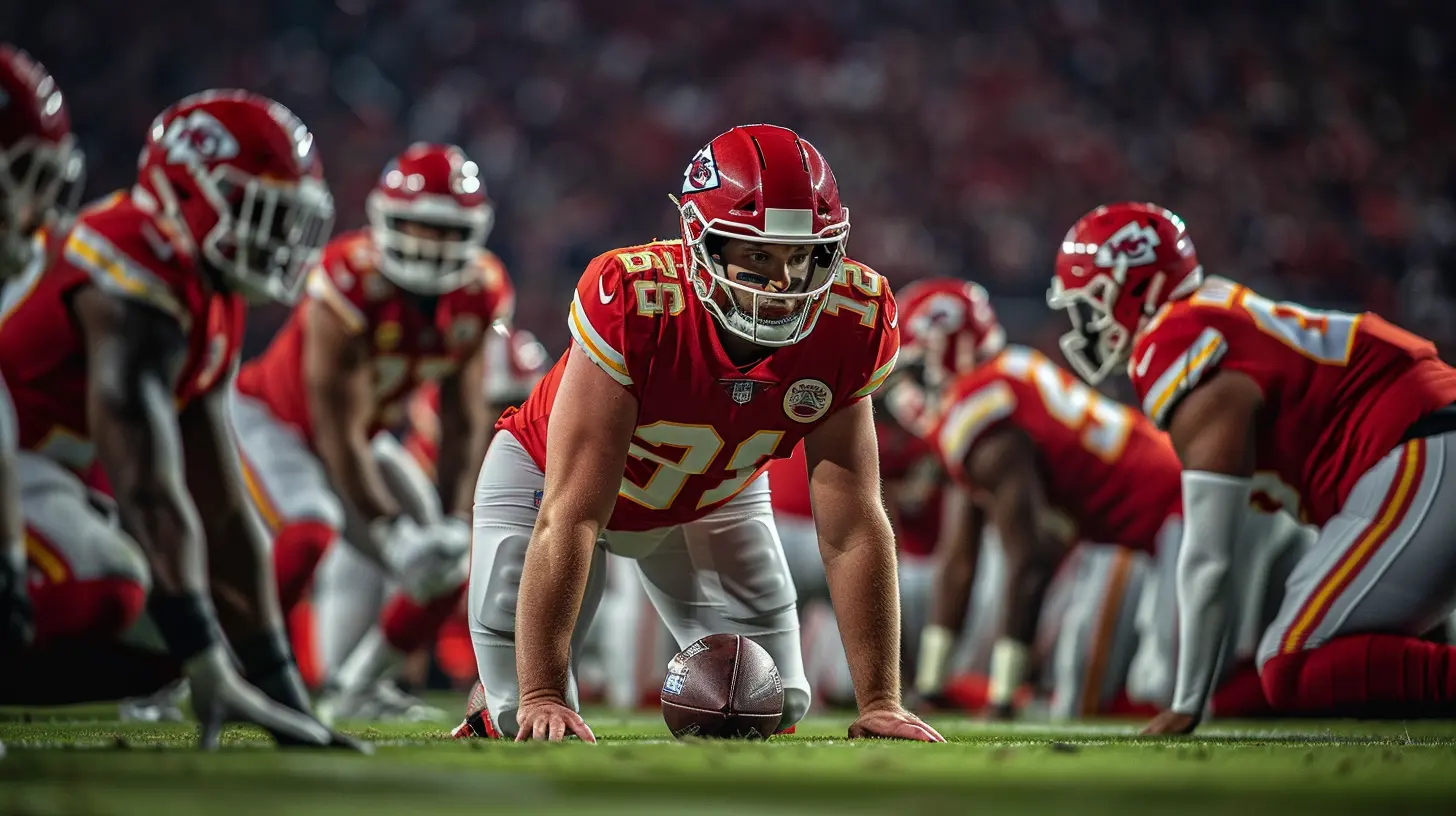
Tactical Masterstroke
Substitutions aren’t only about bringing in fresh legs—they’re also about tactics. Sometimes, the substitution is a chess move made by the coach to counteract specific threats or exploit weaknesses in the opposition.For instance, let’s say your team is getting overrun in midfield. The coach might pull off an attacking player and bring on an extra midfielder to shore things up. This change could shift the game’s momentum by making it harder for the opposition to press forward, giving your team more control over possession.
In basketball, we often see coaches bring in a defensive specialist late in the game to lock down the opposition’s star player. It’s like throwing a wrench into the other team’s well-oiled machine. Suddenly, their go-to guy is being smothered, and they have to scramble to find another way to score.
A substitution can also be a way to change the entire structure of the team. For example, a coach might switch from a traditional 4-4-2 formation in soccer to a more aggressive 3-5-2, adding an extra attacking player and pushing for a late goal. These tactical shifts can catch the opposition off guard, forcing them to adapt on the fly.
The Element of Surprise
Another reason substitutions can be so powerful is their element of surprise. Opposing teams spend hours preparing for the starting lineup, watching film, and analyzing tendencies. But when you bring in a substitute, especially one who plays a different style, it can throw all that preparation out the window.Imagine you’re a defender who’s been marking a tall, physical striker for 70 minutes. You’ve gotten used to his style, and you’re feeling pretty comfortable. Then, the coach substitutes him for a smaller, quicker forward who runs at you with blistering pace. Suddenly, all the work you’ve put in goes out the door, and you have to adapt to an entirely new challenge.
This unpredictability can create confusion and disarray, especially late in a game when players are tired both physically and mentally. A well-timed substitution can exploit these moments of vulnerability and lead to a game-changing play.
Impact Substitutes
We can’t talk about substitutions without mentioning the term “impact substitute.” These are players who aren’t just there to fill in or play out the clock—they’re brought on with the expectation of making something happen.Think of players like Ole Gunnar Solskjaer, the "super sub" who famously came off the bench to score crucial goals for Manchester United. These players thrive on the role of coming in late when the game is tight and delivering in the clutch. They’re often fearless, knowing they don’t have to conserve energy for the full 90 minutes (or however long is left in the game).
In basketball, players like Lou Williams have built entire careers on being the guy who comes off the bench to provide a scoring spark. These impact substitutes can change the course of a game with a single play—whether it’s a buzzer-beating three-pointer, a clutch free throw, or a game-saving block.
Defensive vs. Offensive Substitutions
Substitutions aren’t always about offense. In fact, some of the most important substitutions can be defensive.Let’s say your team is up by one goal or a few points with 10 minutes left to play. The opposition is throwing everything forward, and you’re under pressure. This is where a defensive substitution can be key. A coach might bring on an extra defender to solidify the backline, or a midfielder known for their ability to break up play and disrupt the opposition's rhythm.
Defensive substitutions are often understated, but they can be just as crucial as offensive ones. It’s like boarding up the windows before a storm hits. Sure, you’re not going to score any points, but you’re making sure the other team doesn’t either.
On the flip side, offensive substitutions are all about taking risks. If you’re down a goal or a few points, you might throw caution to the wind and bring on an extra attacker or shooter in a last-ditch effort to salvage the game. These are the substitutions that get fans on their feet, hoping for some late-game heroics.
When Substitutions Go Wrong
Of course, not every substitution works out. Sometimes coaches gamble and lose. Maybe they bring on an attacking player, hoping to chase the game, only to leave their defense exposed and concede another goal. Or perhaps they make a defensive substitution too early, and the team loses its attacking edge, inviting more pressure from the opposition.Substitutions are a delicate balance. Coaches have to consider not just the individual player coming on but how the substitution will affect the overall team dynamic. It’s a high-risk, high-reward situation, and when it goes wrong, it can be catastrophic.
But when it goes right? Well, that’s when legends are made.
Timing is Everything
One of the most important aspects of a substitution is timing. Too early, and the substitute might not have the impact you’re hoping for. Too late, and they might not have enough time to change the outcome.Some coaches prefer to wait until the last 10 minutes to make their substitutions, hoping for a burst of energy or a moment of magic. Others make their changes around the 60th-minute mark, giving the substitutes enough time to settle into the game and make their mark.
Good coaches know when their team needs a change. They can sense when the momentum is shifting and act before it’s too late. It’s almost like a sixth sense—a feel for the game that separates the great coaches from the good ones.

Conclusion: The Game-Changer You Didn’t See Coming
So, what’s the takeaway? Substitutions are far more than just a formality or a way to rest tired players. They’re a crucial part of strategy, an opportunity to inject fresh energy, shift tactics, or even completely change the rhythm of the game.In the big game, the right substitution at the right time can be the difference between winning and losing. It’s like the final hand in a poker game—one wrong move, and it’s all over, but play your cards right, and you could walk away with all the glory.
As fans, we often focus on the star players and the starting lineups, but don’t sleep on the substitutes. They could very well be the ones who turn the tide and write their names in the history books.
all images in this post were generated using AI tools
Category:
Game PreviewsAuthor:

Everett Davis
Discussion
rate this article
2 comments
Thomas Kelly
Absolutely love this analysis! Substitutions can make all the difference. Excited to see how these strategic changes will impact the game! Let’s go, team! 🎉🏆
March 28, 2026 at 1:59 PM
Everett Davis
Thanks for your enthusiasm! Substitutions are definitely pivotal. Can't wait to see how they play out too!
Scarlett Moore
Substitutions can make or break a game. Let’s hope the coach isn’t just playing chess with checkers. Time to bring the heat!
March 22, 2026 at 3:44 AM
Everett Davis
Absolutely! Strategic substitutions can be game-changers. Here’s hoping the coach makes the right moves to ignite the team's performance!