MLB Pitchers Returning from Tommy John Surgery in 2027
20 April 2026
Let’s talk about one of the most nerve-wracking phrases in baseball: Tommy John surgery. It’s the phrase that makes fans wince, front offices recalculate their budgets, and pitchers embark on a grueling, lonely journey back to the mound. For a generation of baseball lovers, it’s become as much a part of the game’s lexicon as “bullpen” or “clean-up hitter.” But what happens when we fast-forward the calendar? What does the landscape look like for the brave arms aiming to return in 2027?
That’s our destination today. We’re not just looking at a medical procedure; we’re exploring stories of resilience, technological evolution, and high-stakes baseball drama. The pitchers targeting a 2027 comeback are in the thick of their rehab right now. Their success or failure will reshape rotations, alter playoff races, and redefine careers. So, grab your virtual sunflower seeds and settle in. We’re diving deep into the future of pitching comebacks.
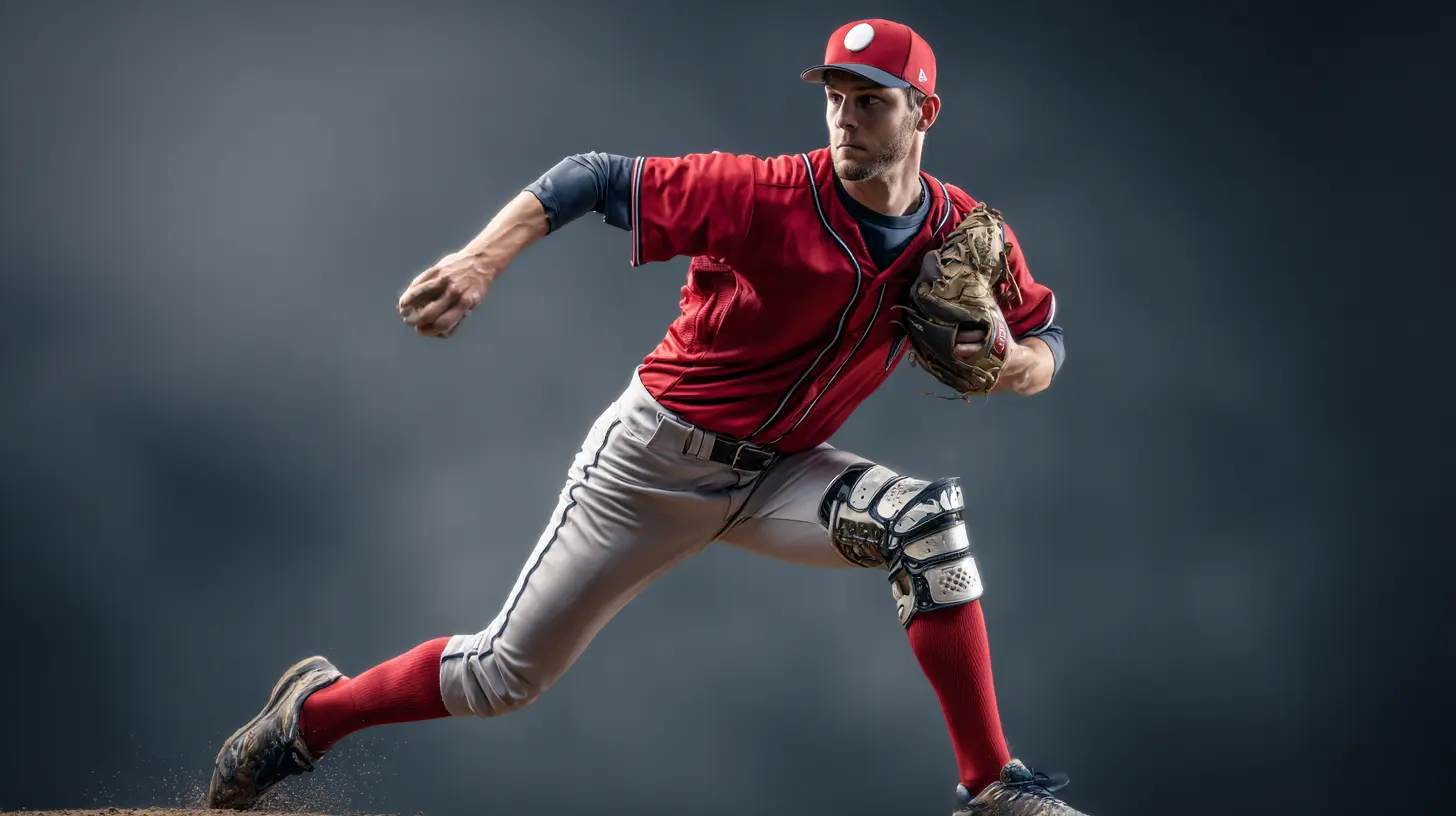
The Tommy John Odyssey: More Than Just a Surgery
First, a quick primer for the uninitiated. Tommy John surgery—officially known as ulnar collateral ligament (UCL) reconstruction—isn't a simple fix. It’s a total rebuild. A surgeon replaces a torn ligament in the elbow with a tendon harvested from elsewhere in the pitcher’s body (often the forearm, leg, or even a deceased donor). Think of it not as patching a tire, but as installing a brand-new, custom-made suspension system in a high-performance race car.The standard timeline? 12 to 18 months for a return to a big-league mound, but that’s just the opening act. The real story is the “second-year back” phase. That’s when pitchers often rediscover—or sometimes reinvent—their true selves. By targeting 2027, we’re looking at athletes who will have that crucial second season under their belts. They’re past the initial “thank God I’m back” phase and into the “who am I now?” chapter. This is where careers are truly relaunched.
The 2027 Comeback Class: Names to Watch
While crystal balls are notoriously unreliable in sports, we can make some educated projections based on current injuries and the typical timeline. The 2027 MLB season will likely be the showcase for pitchers who went under the knife in the 2025-2026 offseason or during the 2025 campaign. Who might be in this group?It’s a speculative list, but it could include today’s young aces who suffer a setback, promising rookies whose debut is delayed, or veteran workhorses making one last run. Imagine a scenario where a current Cy Young contender has a procedure late in 2025. His entire 2026 season might be a write-off, a slow build through the minors. His eyes, and the eyes of his team, would be firmly set on a dominant, full-strength return in Spring Training 2027.
The psychological makeup of this class will be fascinating. They’ll have rehabbed through an era of unprecedented data and biometrics. Their comebacks will be monitored by AI-driven pitch-tracking systems and personalized recovery protocols we’re only beginning to understand today. They won’t just be following a doctor’s note; they’ll be analyzing their own biomechanics in real-time, trying to walk the finest of lines between pushing limits and preventing re-injury.
The Evolution of Rehab: How 2027’s Recovery Differs
Here’s where it gets really interesting. The Tommy John rehab of 2027 isn’t the same as it was in 2007 or even 2017. It’s smarter, more personalized, and arguably more intense.* The Data Revolution: Pitchers returning in 2027 will have grown up in a lab. Their rehab will be guided by a constant stream of data from motion-capture technology, wearable sensors, and force plates. Therapists won’t just ask, “How does it feel?” They’ll point to a graph and say, “See this 3-degree drop in your shoulder abduction at release? Let’s fix that before you throw another bullpen.”
The Arsenal Rebuild: It’s not just about getting healthy; it’s about coming back better*. Many pitchers use the downtime to re-tool their pitch mix. A pitcher who relied heavily on a four-seam fastball might return with a newfound sinker or a devastating split-finger changeup learned while his elbow healed. The 2027 returnee might have a completely new “out pitch” that scouts never saw coming.
* The Mental Game: We can’t overlook this. Spending over a year away from competition, facing the daily grind of monotonous rehab exercises, and dealing with the fear of re-injury is a monumental psychological challenge. The successful 2027 returnees will likely have worked with sports psychologists as diligently as they worked with their physical therapists. Their mental toughness will be as much a weapon as their fastball.
The Front Office Gamble: Betting Millions on a Repaired Arm
From a team’s perspective, a pitcher returning from Tommy John is both a huge risk and a potential steal. Imagine you’re a General Manager looking at the 2027 free-agent market or considering a trade. A pitcher two years post-surgery presents a unique valuation puzzle.On one hand, you have a player with proven talent but a major red flag on his medical chart. Do you offer a long-term deal, betting that the new ligament is as good as gold? Or do you structure a short-term, incentive-laden “prove-it” contract? For small-market teams, a post-Tommy John pitcher can be a cost-effective way to add high-ceiling talent. For contenders, he could be the final piece of a championship puzzle—or an expensive bust.
Furthermore, teams will have advanced predictive models by 2027 that attempt to quantify “re-injury risk” and “post-surgery performance curves.” These models will influence contract offers, insurance premiums, and even playoff roster construction. The decision to start a Game 7 with a pitcher 24 months removed from surgery will be backed by terabytes of data, yet it will still feel like a gut-wrenching roll of the dice.
The Fan’s Perspective: Hope, Anxiety, and Patience
For us, the fans, the journey of a pitcher returning in 2027 will be an emotional rollercoaster. We’ll follow his rehab starts in the minors via grainy online streams. We’ll dissect every tweet from team beat reporters about his velocity. When he finally takes the mound at the big-league park, the atmosphere will be electric—a mix of hope and held breath.Every wince after a pitch will send a jolt of anxiety through the crowd. Every 1-2-3 inning will feel like a triumph. We’ll celebrate his successes with a deeper appreciation, knowing the mountain he climbed to get there. In an era of constant player movement, the story of a player battling back to help our team creates a powerful, personal connection. He becomes more than a player on a roster; he becomes a symbol of perseverance.
Beyond 2027: The Future of the Tommy John Epidemic
This leads us to the million-dollar question: Will we even be having this conversation in 2037? Is Tommy John surgery an inevitable rite of passage for modern pitchers, or can the tide be turned?The hope for 2027 and beyond lies in prevention. Teams are investing millions in pre-hab—identifying mechanical flaws and physical imbalances in teenage prospects long before they become professional injuries. Pitch-count limits and rest protocols are becoming more sophisticated (and more strictly enforced, hopefully). The goal is to build more resilient arms from the ground up.
Yet, as velocities continue to climb and the emphasis on spin rate reaches a fever pitch, the stress on the human elbow may simply outpace our preventive measures. The pitchers returning in 2027 might be part of a last generation that accepts UCL reconstruction as a common occupational hazard, or they might be the bridge to a new era of durability. Only time, and science, will tell.
Conclusion: The Ultimate Test of Will
The story of MLB pitchers returning from Tommy John surgery in 2027 is, at its heart, a human story. It’s about the intersection of cutting-edge science and old-fashioned grit. These athletes are modern-day gladiators, armed with biomechanical data and surgical scars, stepping back into the coliseum.Their 2027 season will be a testament to their patience, their work ethic, and their love for the game. For every successful comeback that solidifies a legacy, there will be heartbreaking stories of setbacks and struggles. That’s the brutal, beautiful balance of baseball.
So, when you see a pitcher take the mound in 2027, firing fastballs with a ligament that wasn’t originally his, remember the journey. It’s a journey of silence in training rooms, of doubt in the middle of the night, and of relentless belief. He’s not just playing a game; he’s completing an odyssey. And we, as fans, are privileged to have a seat for the show.
all images in this post were generated using AI tools
Category:
Injury UpdatesAuthor:

Everett Davis
Discussion
rate this article
2 comments
Kara Franklin
It's inspiring to see these pitchers making their way back after such a challenging recovery. Tommy John surgery can be a daunting hurdle, but their determination showcases the resilience of athletes. Here’s to hoping they return stronger than ever and continue to show us the power of perseverance in sports!
April 25, 2026 at 12:01 PM
Everett Davis
Absolutely. Their journey back proves just how tough these athletes can be. Here's to their comeback!
Clementine McGee
2027 is shaping up to be the year of the comeback! Who knew Tommy John had a secret training camp for pitchers? If only they could also teach my golf swing to come back after a bad day! Here’s to throwing fastballs and dodging ice packs like pros!
April 22, 2026 at 10:51 AM
Everett Davis
Thanks for your comment! Here's to hoping for big comebacks both on the mound and on the golf course in 2027!