MMA Judges: What Goes Into Scoring a Fight?
8 January 2026
Ever watched a UFC fight and thought, “Wait, how did that guy win?” Yeah, us too. Judging in MMA can often feel like a mystery. Sometimes the fans scream robbery, fighters raise their hands with confusion, and commentators are left scratching their heads. So, let’s peel back the curtain. What actually goes into scoring a fight? What are judges looking for? And why do they sometimes see things so differently?
Let’s break it all down — nice and easy.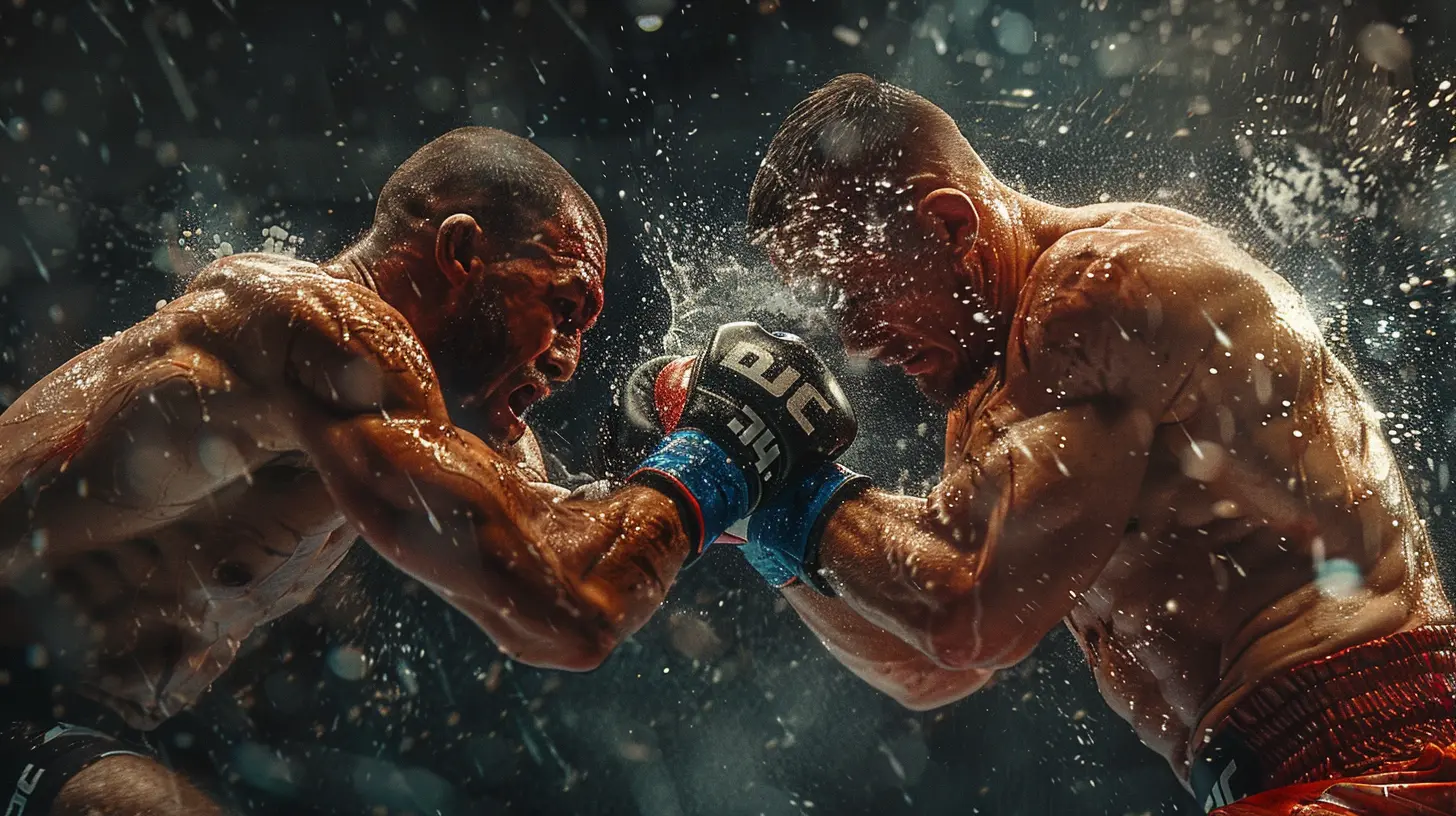
The Role Of MMA Judges: More Than Just Watching a Fight
Let’s get one thing clear: MMA judges aren’t just fans with front-row seats. These folks carry a heavy responsibility. A single decision can make or break a fighter’s career. Imagine training for months, shedding blood, sweat, and tears... only to lose because someone didn’t notice your takedown or thought your opponent threw "prettier" punches. Ouch.So, what do these judges actually do? They sit cage-side, typically three of them per fight, and score each round based on a set of criteria (which we’ll dive into shortly). Their view isn’t the same as what we see on TV, and yep, that sometimes affects their calls.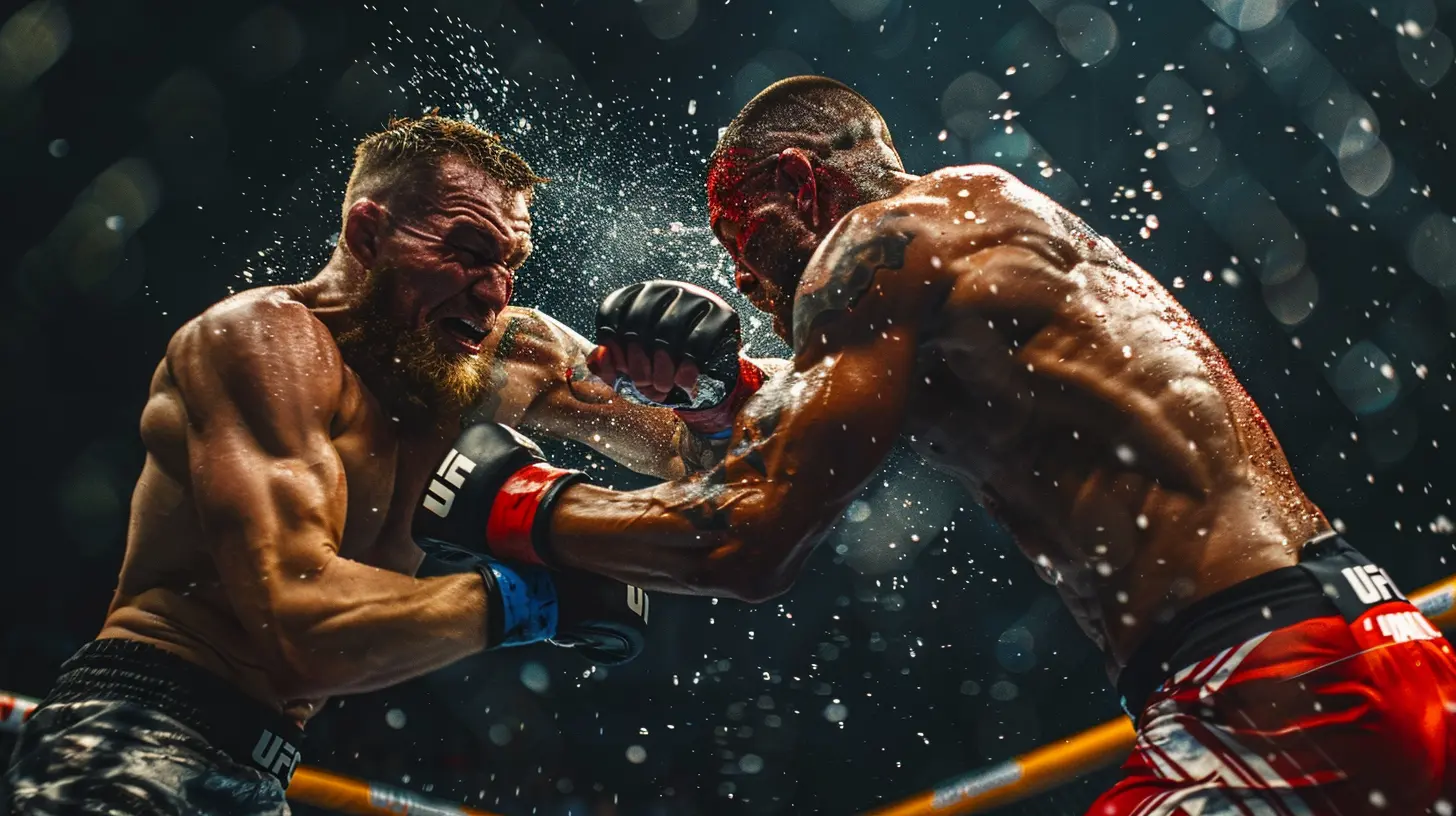
Who Are These Judges Anyway?
MMA judges are usually appointed by athletic commissions. They’re supposed to be trained, certified, and experienced in combat sports. Some come from boxing backgrounds, others from martial arts, and a few are former fighters. But here’s the kicker — not all of them have hands-on MMA experience. That’s where things can get a little dicey.Ever wonder why some decisions seem way off? It could be because the judge didn’t fully grasp the nuances of jiu-jitsu or clinch control. It’s like asking a basketball ref to officiate a soccer match — similar vibe, but totally different rules.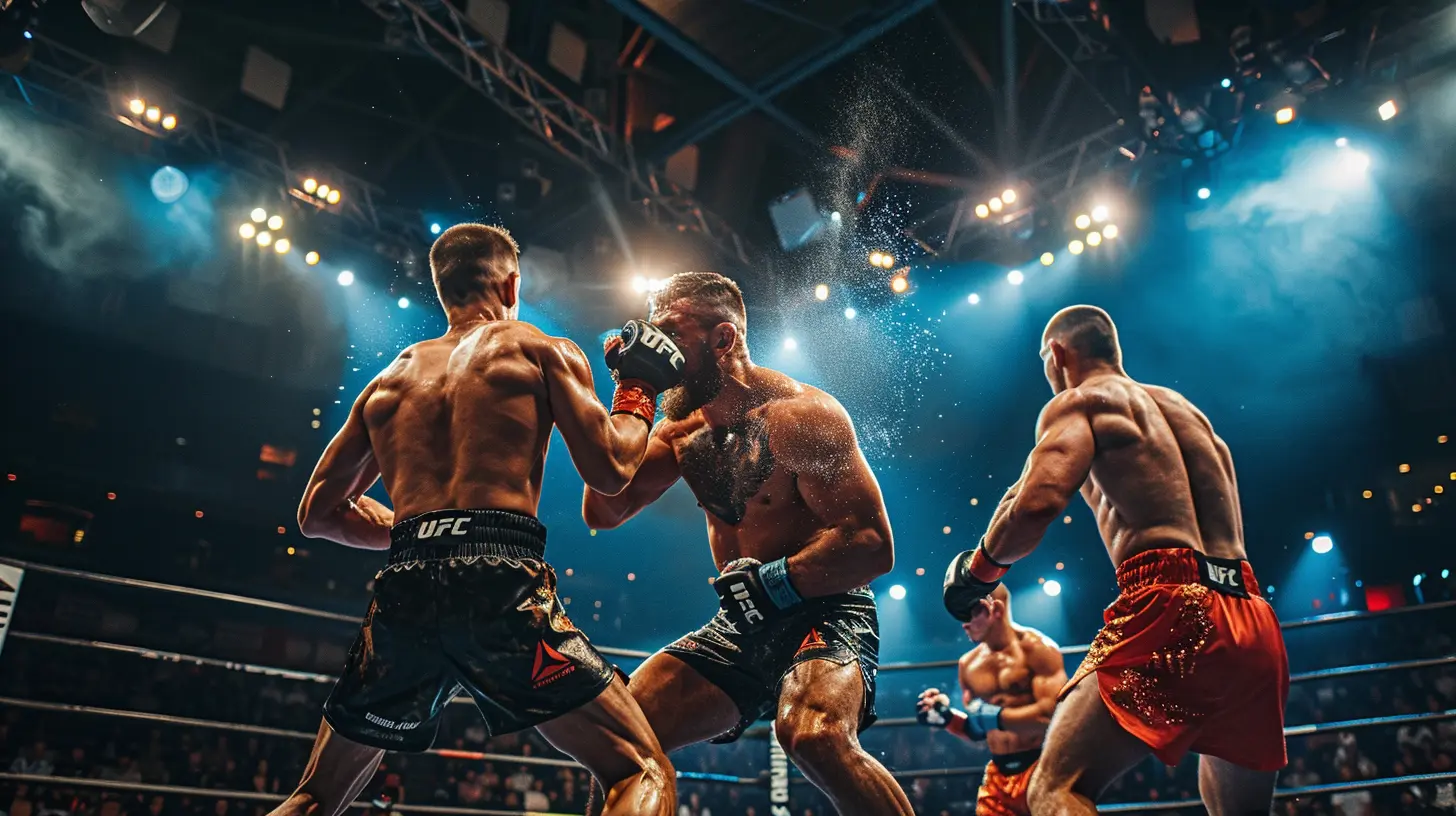
Scoring System in MMA: The 10-Point Must System
Alright, let’s talk numbers.MMA uses the 10-point must system, borrowed from boxing. Sounds fancy, but it’s pretty straightforward:
- The winner of the round gets 10 points.
- The loser gets 9 — or less if they really got their butt kicked.
Here’s how it usually plays out:
- 10-9: Close round, but one fighter did a bit more.
- 10-8: Dominant round, one fighter seriously outclassed the other.
- 10-7: Super rare, total destruction.
Simple, right? Not always. Sometimes a round can be close in damage but one fighter had more control. Or maybe someone got rocked but recovered quickly and ended strong. This is where that subjectivity — and controversy — comes into play.
The Four Key Scoring Criteria
Judges don’t just go with their gut. They’re trained to evaluate each round based on four main categories — in this order of importance:1. Effective Striking and Grappling
This is the meat of it. Who’s causing the most damage or getting the most significant grappling outcomes? If Fighter A lands a clean head kick and Fighter B scores a takedown but just lays on top, the advantage likely goes to Fighter A. It’s not about volume—it’s about impact.Think of it like this: Would you rather land 10 jabs or one punch that almost ends the fight?
Effective grappling also counts — but only if it’s doing something. Passing guard, threatening submissions, or landing elbows from top position? Yep, that’s scoring. Just holding someone down? Not so much.
2. Effective Aggression
This one gets tricky. It's not about charging forward blindly like a bull. It's about smart aggression—pressuring your opponent while landing effective strikes or setting up takedowns. If you’re plodding forward without landing anything meaningful, don’t expect points here.3. Cage Control (Octagon Control)
Ever hear commentators say, “He’s controlling the center of the cage”? That’s what this refers to. It's basically who’s dictating where the fight takes place, especially when the first two criteria are even.But let’s be real—it’s the least important of the four. If someone’s backing up but landing harder shots, they’ll still win the round.
4. Defense
Here’s a surprise: good defense doesn’t score points. Nope. You can bob, weave, and block all day—it won’t win you a round unless you follow it up with offense.What Makes A Round Close Or Dominant?
You’ve probably heard the term “swing round” before. These are the close ones that could go either way. Maybe both fighters landed solid shots, had moments of control, and there was no clear damage edge. Judges split decisions on rounds like these all the time.Now compare that to dominant rounds — the ones where a fighter gets dropped, mounted, or nearly finished. That’s when the judges might break out the 10-8 or even (rarely) 10-7 score.
So, if you want to win a round definitively? Make it unmistakable.
Why Do Judges Disagree?
Three judges. Same fight. Three different perspectives. How?- Different angles: One judge might see an elbow land clean; another might miss it entirely behind the ref’s back.
- Cage positioning: TV cameras give us multiple views—judges have just one.
- Bias or inexperience: Sometimes it really comes down to how well a judge understands fight dynamics.
And yes, human error is always a factor. This sport isn’t judged by robots (yet).
What About Draws?
Draws happen when:- Two rounds go to one fighter, one goes to the other 10-8.
- All rounds are too close to call.
- A point is deducted for a foul (like eye pokes or low blows).
Draws are rare, but they’re part of the game. Sometimes, it’s the fairest outcome.
Common Fan Misconceptions
Let’s clear up a few things fans often get wrong:- “He had more takedowns, so he won.” Not necessarily. If those takedowns didn’t lead to damage or control, they don’t mean much.
- “But he landed more strikes!” Quantity isn’t everything. Judges look for quality—clean, hard, damaging shots.
- “He walked forward the whole time!” Forward pressure only matters if it’s effective. Walking into punches? That’s not scoring.
The Controversies: When Judging Goes Wrong
Yep, we’ve had our fair share of head-scratchers.- Leonard Garcia vs. Nam Phan – Still debated today. Phan outlanded and outsmarted Garcia, but Garcia got the W.
- Diego Sanchez vs. Ross Pearson – Most fans and media scored it for Pearson. Judges awarded Sanchez the split decision.
These decisions spark fury among fans and fighters alike. And they push for judging reforms, more transparency, and better training.
Should Fights Be Judged As A Whole?
A popular idea is judging the fight as a whole, like in PRIDE FC back in the day. Under that system, a fighter who finishes strong or goes for broke gets rewarded—even if they started slow. The current round-by-round system can sometimes favor point fighting or "cruise control" after winning two rounds.It’s a hot debate in MMA circles. What do you think?
How Can Judging Improve?
The sport is still young, and judging is evolving. Some ideas being floated around?- Open scoring: Show judges’ scores after each round. More transparency, less shock at the end.
- More judges: Instead of three, maybe add two more to get a broader perspective.
- Better judge education: Mandatory MMA-specific training so every judge understands BJJ, wrestling, striking, and cage control thoroughly.
At the end of the day, fighters want fairness, and fans want credibility.
Final Thoughts: Judging Ain’t Easy
Let’s be honest—judging an MMA fight is tough. There’s blood, chaos, movement, styles clashing, and adrenaline pumping. Judges have to process all that in real-time, from one angle.Sure, they don’t always get it right. But most are doing their best with a tough task. That said, there’s still lots of room for growth. As the sport grows, so should the way we judge it.
So, next time you see a controversial call, remember: it’s not always corruption. Sometimes, it’s just the challenge of interpreting a beautifully brutal and insanely complex sport.
all images in this post were generated using AI tools
Category:
MmaAuthor:

Everett Davis
Discussion
rate this article
2 comments
Eleanor Clarke
In the shadowy realm of MMA, where sweat and strategy collide, judges wield unseen power. Their cryptic decisions shape destinies, yet the criteria remain an enigma. What secrets linger behind the scorecards, waiting to be unraveled? Dive into the mystery.
February 4, 2026 at 4:22 AM
Everett Davis
Thank you for your intriguing perspective! The scoring of MMA fights indeed holds many complexities, and unraveling the judges' criteria can provide greater clarity for fans and fighters alike.
Diana Young
Subjective yet critical evaluations.
January 17, 2026 at 12:18 PM
Everett Davis
Thank you for your comment! Indeed, judging MMA fights involves a balance of subjective interpretations and critical analysis of performance.