Navigating the Challenges of Mid-Season Transfers
20 December 2025
Mid-season transfers in football (soccer) are like changing tires on a moving car—possible, necessary at times, but wildly unpredictable. For fans, the winter transfer window is thrilling: new names, last-minute drama, and jaw-dropping fees. But for clubs, managers, and especially the players involved, it’s a whirlwind of uncertainty. In the world of professional football, timing is everything. When a player moves clubs in the middle of the season, the stakes are high, and the room for error is minimal.
So, what really goes into a successful mid-season transfer? What are the biggest hurdles, and how do clubs and players overcome them? Let’s dive deep into the behind-the-scenes chaos, drama, and tactics of navigating the tricky terrain of mid-season movement.
The Winter Window: A Double-Edged Sword
The January transfer window is arguably the most chaotic period in football. Teams panic-buy, rush negotiations, and sometimes throw strategy out the window just to fill gaps or boost short-term performance. Why? Because every point counts, and the pressure only intensifies post-Christmas.Opportunities Galore… But at What Cost?
Think about it: a striker who's not getting playtime in La Liga could suddenly be a game-changer for a struggling Premier League side. That’s the opportunity side. Now, add in a new playing style, language barrier, climate change, fan expectations, and only a few months to prove their worth—that’s the cost.
The Player’s Perspective: Sink or Swim
Imagine being dropped into a new locker room mid-season. Everyone already has their routines, chemistry, and inside jokes. You’re the new face, expected to fit in, deliver results, and justify your price tag—all while adjusting to a different culture. No pressure, right?Adapting On and Off the Pitch
For many footballers, the toughest challenge isn’t tactical—it’s psychological. They need to:- Build chemistry with new teammates instantly
- Adapt to a different manager’s tactics and expectations
- Relocate their family, sometimes across continents
- Perform under the microscope of media and fans
And let’s not forget that form is fleeting. A player in rhythm can quickly fall off if they’re not handled properly.
The Manager’s Dilemma: Fix or Fool?
Managers often approach mid-season transfers with a blend of hope and desperation. Their team might lack depth, suffer from injuries, or struggle with consistency. A new signing could be the spark they need—or another misstep in a rocky campaign.Balancing Short-Term Needs with Long-Term Vision
Here’s the catch: while some transfers are band-aids, others are investments. Managers must decide whether to go for a short-term fix or a player who fits the bigger picture. But making that call mid-season, when every loss feels like a crisis, isn’t easy.Plus, integrating a new player takes time—something managers don’t have a lot of when the league table starts to tighten.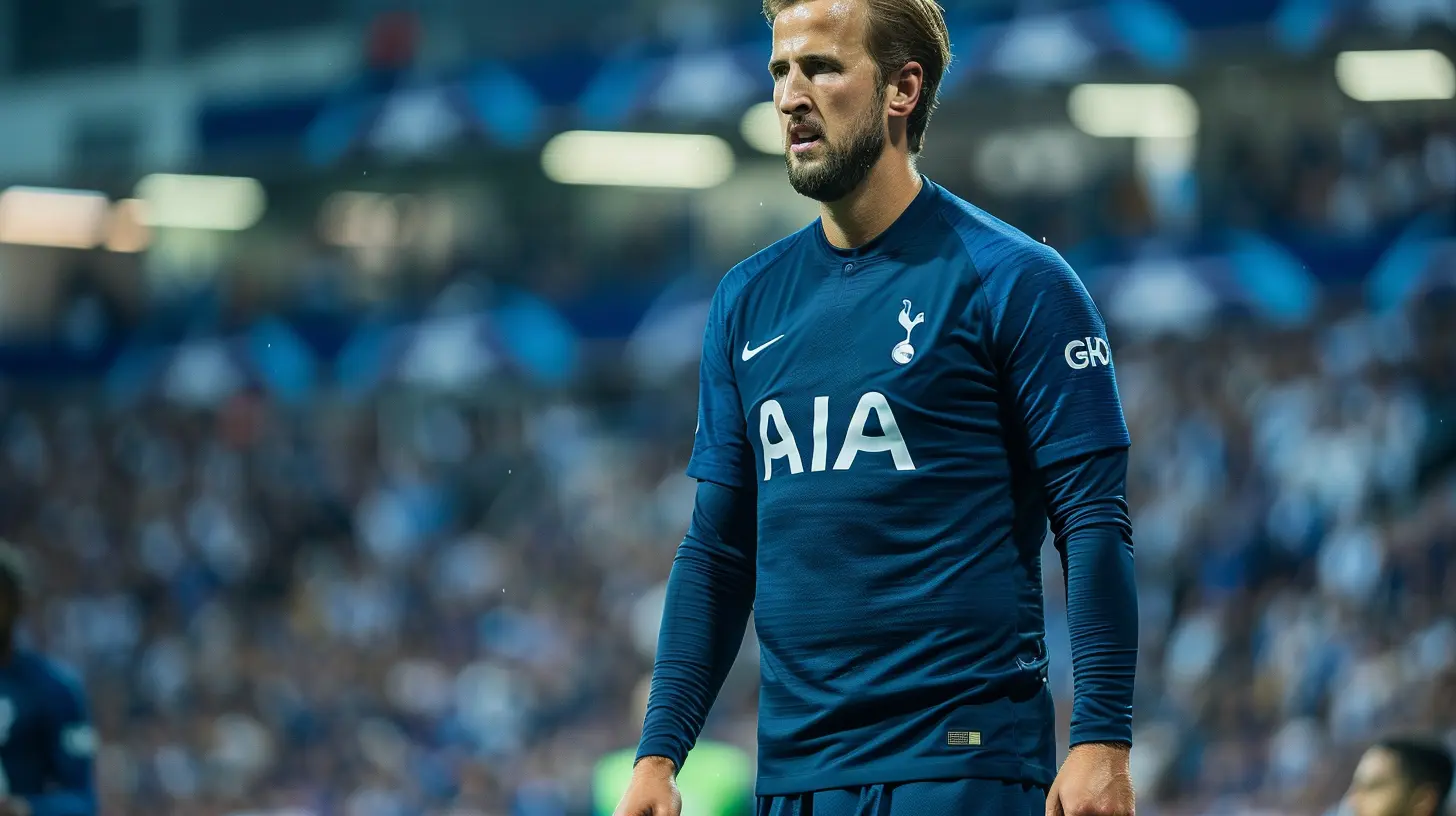
The Club’s Gamble: Business Meets Football
Football clubs aren’t just teams—they’re businesses. Every transfer involves agents, negotiations, PR, sponsors, and tons of paperwork. Rushed deals increase the gamble.Overpaying and Underperforming
Mid-season deals are notorious for inflated prices. Sellers know buyers are desperate, and they milk it. The result? Clubs often overpay for players who don’t deliver.Remember Alexis Sánchez’s move to Manchester United? Or Fernando Torres to Chelsea? These big-name signings looked great on paper but failed to live up to the hype in real time.
Chemistry and Cohesion: Team Dynamics Get Shaken
Football’s not just about individual brilliance—it’s about synergy. A new player, no matter how talented, can disrupt the flow.The Domino Effect
When a new signing enters the mix:- Existing players may feel threatened—especially if their spot is at risk.
- Dressing room hierarchy may shift.
- Tactics might need adjusting, affecting team balance.
This isn’t just theory. Many managers hesitate to sign players mid-season exactly for this reason—it’s a risk to team chemistry that could backfire spectacularly.
When It Works: Stories of Smart Mid-Season Moves
Let’s not paint it all doom and gloom. Mid-season transfers can be game-changers if executed smartly. Some classic examples:- Bruno Fernandes to Manchester United (2020): Arguably one of the most impactful January signings in Premier League history. His arrival transformed United’s season.
- Virgil van Dijk to Liverpool (2018): Turned Liverpool’s leaky defense into a fortress and laid the foundation for their Champions League and Premier League victories.
What made these moves successful? A clear fit in the system, thorough scouting, and strong integration processes.
The Role of Agents: Matchmakers or Mercenaries?
Agents often get a bad rap, but mid-season transfers wouldn’t happen without them. They’re the behind-the-scenes negotiators, smoothing out deals under immense time pressure.The Fine Line Between Help and Hype
Good agents manage expectations and ensure smooth transitions. Bad ones chase commissions and push moves that aren’t in the player’s best interest. In high-pressure environments like the January window, it’s easy to cross that line.Fans and Media: Pressure Mounts
Let’s face it—fans want results. Media loves a good story. A high-profile transfer brings attention, but with that comes pressure. Some players thrive. Others crumble.Instant Impact or Instant Criticism
Fans expect a new signing to come in and perform immediately. No grace period. One bad game? Cue memes, harsh headlines, and questions about the player’s value.This pressure can often derail a player’s settling-in process. Think of media like wind—it can either fan flames or blow out the spark.
Youth vs. Experience: Who Handles the Move Better?
Younger players often have fewer responsibilities—no kids, no deep ties to a city. They’re more adaptable. But they lack experience, which can be critical when thrown into a pressure cooker like a relegation battle.On the flip side, seasoned veterans bring leadership and skill—but may struggle more with change.
It’s a Toss-Up
There’s no perfect archetype for a successful mid-season move. Clubs must assess each player's personality, background, and ability to adapt—not just their stats and skillset.The Clock Is Ticking: Time Is Not a Friend
The difference between a summer transfer and a winter transfer? Time. In the summer, there’s pre-season, training camps, and friendlies. In the winter? There’s chaos, cup games, travel, and maybe a couple of practice sessions.Little Time, Big Expectations
New signings sometimes hit the ground running. But more often than not, they need time—which managers, fans, and club boards rarely have in the second half of the season.Tech and Data: The Modern Scouting Lifeline
Thankfully, clubs today aren’t working blindly. Analytics, GPS tracking, and AI-driven scouting platforms help clubs make smarter decisions—even on short notice.Data-Driven Decisions Make a Difference
Instead of rolling the dice, smart clubs use data to evaluate how well a player fits into their system, how adaptable they are, and how they’ve performed in high-pressure situations. It’s not foolproof—but it's radically better than scouting from highlight reels.The Mental Game: Sports Psychology Is Crucial
Mid-season transfers are emotionally draining. Players deal with homesickness, media pressure, self-doubt, and sometimes culture shock.Mental Resilience Is a Game-Changer
Top clubs now employ sports psychologists to help players adjust. Because let’s face it—if your head’s not in the game, your feet won’t be either.Final Whistle: Is It Worth It?
Mid-season transfers are a high-stakes gamble. When they work, they can reshape seasons and even win titles. When they flop, they’re expensive, messy, and morale-crushing.Here’s the takeaway: Success in the January window comes down to preparation, psychology, budget control, and a bit of luck. It’s not just about signing a “good player”—it’s about signing the right player at the right time for the right reasons.
So next time your club snags a new face in January, take a moment. It's not just a name on a jersey—it’s someone diving headfirst into a storm, hoping to become a legend or, at the very least, not a forgotten footnote in a messy chapter.
all images in this post were generated using AI tools
Category:
Team ManagementAuthor:

Everett Davis
Discussion
rate this article
2 comments
Paris Sullivan
Mid-season transfers can reshape team dynamics.
January 23, 2026 at 3:43 AM
Everett Davis
Absolutely, mid-season transfers can significantly impact team chemistry and performance, providing fresh talent while also challenging existing dynamics.
Elle Evans
Mid-season transfers are like trying to change a tire on a moving car—exciting, risky, and you might end up with a flat ego! With the drama of late-night negotiations and last-minute signings, it’s the transfer window's version of ‘Survivor: Football Edition!’
December 25, 2025 at 4:49 AM
Everett Davis
Absolutely! Mid-season transfers indeed bring a thrilling yet unpredictable edge to football, making every decision crucial and full of drama.