Predicting the Most Valuable Player for the 2027 Season
19 September 2026
Predicting an MVP two or three years before the votes are counted is a strange exercise. It is not fortune telling, and it is not a parlor trick. It is a structured way of thinking about how value gets created in professional sports, how award voters interpret that value, and which players are positioned to sit at the intersection of both when the 2027 season ends.
Most MVP forecasts fail for the same reason. They simply take today's best players and assume the hierarchy will hold. Sometimes it does. Often it does not. Between now and 2027, a rookie contract will expire, a coaching change will reshape an offense, a 30-year-old superstar will lose half a step, and a 23-year-old will make a leap nobody saw coming. Any honest prediction has to account for that churn rather than ignore it.
This article breaks down how to build a defensible MVP prediction for 2027. It covers the criteria that actually drive voting, the archetypes most likely to win, the specific players who fit those archetypes across major leagues, the traps that derail forecasts, and a practical framework you can apply yourself. The goal is not to hand you a single name and call it insight. The goal is to show you the reasoning so you can judge the conclusion, or reach a better one.

Why Predicting an MVP Years in Advance Is So Difficult
The Difference Between Being Great and Being Most Valuable
Greatness and value are related but not identical. A player can be the best in the league at his position and still finish fifth in MVP voting because his team won 35 games. Voters, whether they admit it or not, weigh team success heavily. The MVP award has almost always been a story about a great player on a great team, with a handful of exceptions that prove the rule.This matters for prediction because it means you cannot evaluate a candidate in isolation. You have to evaluate the player, the roster around him, the coaching staff, the conference, and the timeline. A generational talent on a rebuilding team is a poor MVP bet for 2027. A very good player on a loaded contender might be a better one.
The Problem With Extrapolating From Today
Linear projection is the most common mistake in long-range forecasting. If a player averaged 28 points this year, the lazy projection is 30 next year and 32 the year after. Real careers do not work that way. Development curves flatten. Injuries accumulate. Roles change. Defenses adjust.The better approach is to think in terms of probability ranges rather than point estimates. Instead of asking "how good will this player be in 2027," ask "what is the realistic range of outcomes for this player, and how many of those outcomes end in an MVP?" That reframing forces you to consider both the ceiling and the risk.
Award Voting Is a Human Process
MVP voting is not a formula. It is a group of journalists, broadcasters, or panelists applying a mix of statistics, narrative, and eye test. That means certain things matter more than raw production:- Team record and seeding
- Availability, meaning games played
- A compelling narrative, such as a first-time winner or a comeback
- Positional bias, which varies by sport
- Voter fatigue with repeat winners
Anyone who ignores these factors is not really predicting the award. They are predicting a statistical leaderboard and hoping the two align.
The Criteria That Actually Decide MVP Races
Production at an Elite Level
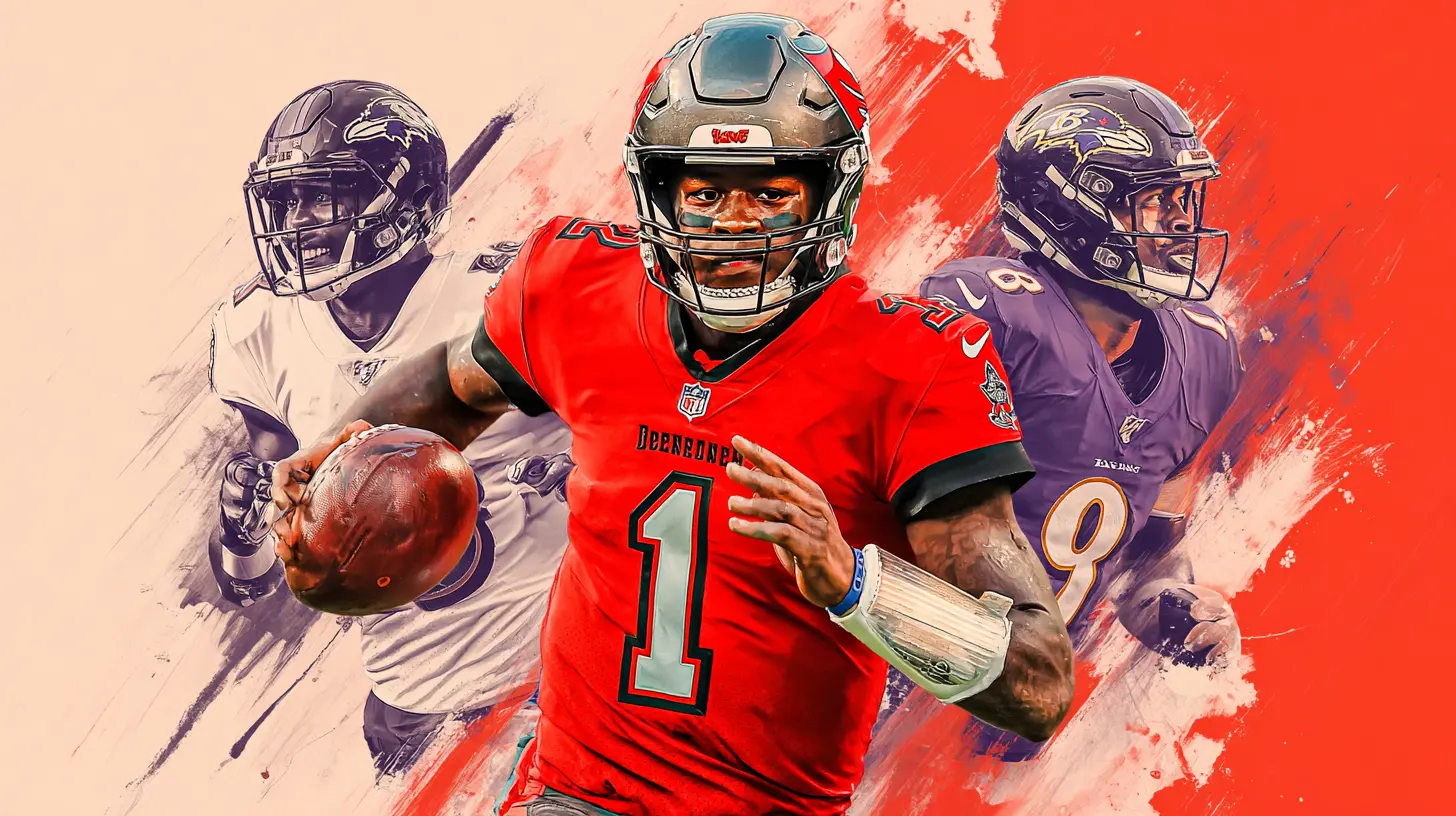
Every MVP winner is elite in raw output. This is the entry fee, not the differentiator. In the NBA, that usually means something like 27 points, 7 rebounds, and 7 assists with high efficiency. In the NFL, it means either a quarterback with 40-plus touchdowns and few interceptions or a running back with a historic workload and yardage total. In the NHL, it means a point-per-game pace well above one and often a goal-scoring title chase. In MLB, it means a slash line that leads the league in multiple categories.Team Success
This is where most predictions go wrong. A player can post MVP-caliber numbers and still lose because his team finished under .500. Voters consistently reward players whose teams are in contention. The threshold varies by sport and by year, but the pattern is stable. If you are forecasting an MVP for 2027, you are also forecasting that his team will be good.Availability and Durability
An MVP almost never misses significant time. The award rewards players who are on the field, on the court, or on the ice night after night. When you evaluate a candidate, durability is not a footnote. It is a core input. A player with a history of soft tissue injuries or a heavy workload at a young age carries more risk than his talent alone suggests.Narrative and Timing
Narrative is not a dirty word. It is how voters make sense of a season. A player who leads a surprise contender, returns from a serious injury, or finally breaks through after years of near misses has an edge over a similar player without that story. This is why "best player on the best team" often beats "best player overall."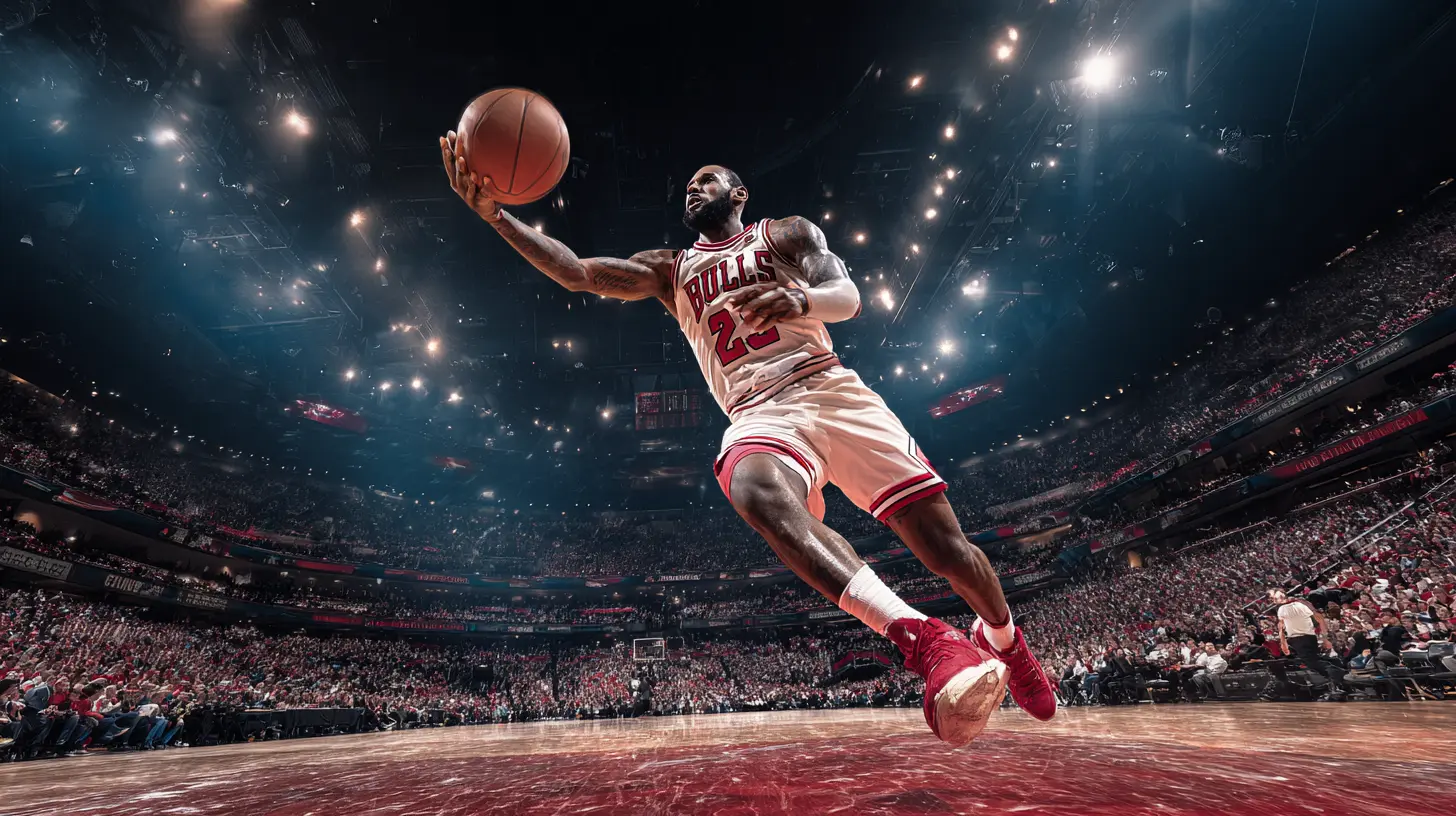
The Archetypes Most Likely to Win MVP in 2027
The Ascending Superstar
This is the most common MVP profile. A player who is already very good, still improving, and entering his prime as his team matures around him. Think of a 24 to 27 year old who has made an All-Star or All-Pro team but has not yet won the award. The 2027 timeline fits this archetype almost perfectly for players drafted in the early 2020s.Why it works: development curves and team-building timelines tend to align in this window. The player is old enough to be trusted with a heavy role and young enough to avoid decline.
When it fails: if the team's roster construction stalls, or if the player's game does not scale as defenses adjust.
The Established Champion Seeking Another
A two-time winner in his late twenties can absolutely win again in 2027. Voter fatigue is real, but it is often overstated. If the player is clearly the best and his team is clearly the best, fatigue rarely overrides that. The risk here is decline, not bias.The Post-Injury Comeback
A player who misses most of a season and returns to an elite level often gets a narrative boost. Voters love a comeback story. The catch is that the injury has to be fully behind him, and the team has to be good. This archetype is high variance. It can produce a runaway winner or a fifth-place finish.The Positional Breakthrough
Sometimes the award goes to a player who redefines what is possible at his position. A quarterback who runs for 1,000 yards. A big man who shoots 40 percent from three. A defenseman who scores like a forward. These players win because they force voters to reconsider their assumptions. Predicting this archetype is hard, but you can spot the candidates by looking for players whose skill sets are unusual for their position.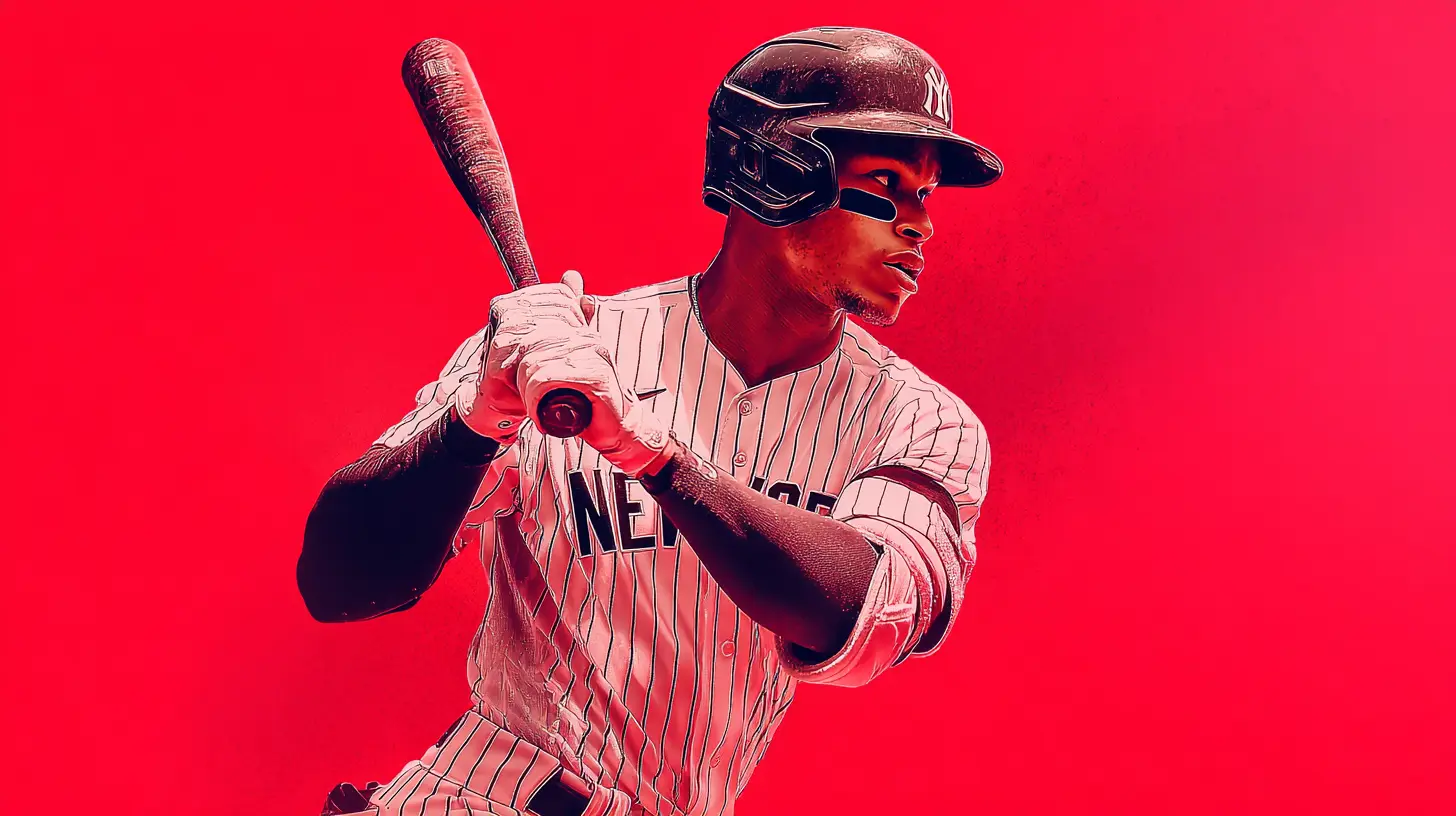
Candidates by League: A Realistic 2027 Shortlist
The following sections name players who fit the archetypes above. These are reasoned possibilities, not certainties. Rosters change, injuries happen, and no forecast is guaranteed.NBA
The NBA MVP race in 2027 will likely be shaped by the generation that entered the league between 2018 and 2023. Several of those players will be in their prime, and several teams have assembled rosters specifically to compete in that window.The strongest archetype match is a wing or guard who can score at all three levels, create for others, and defend multiple positions. That profile has dominated recent voting. Big men can win, but they usually need either elite playmaking or elite rim protection plus a top-two seed.
What to watch: contract situations. A player entering free agency in 2026 could change teams and change his MVP odds overnight. Team context matters more than talent alone.
NFL
The NFL MVP award has become a quarterback award. Since the turn of the century, non-quarterbacks have won it only a handful of times, and those wins required historic rushing seasons. Any realistic 2027 prediction starts with quarterbacks.The most likely profile is a quarterback on a rookie contract or a recently extended young quarterback whose team has built a strong supporting cast. The reason is salary cap mechanics. A quarterback on a cheap deal allows a team to spend elsewhere, which raises the team's ceiling. By 2027, several quarterbacks drafted in the early 2020s will be in that sweet spot or just past it.
Running backs and receivers can win, but the bar is extremely high. A running back needs something like 2,000 yards and a top seed. A receiver needs a historic triple crown season. Both are possible, but neither is the base case.
NHL
The Hart Trophy tends to go to the best player on a playoff team, with a strong preference for centers and a growing openness to elite defensemen and wingers. Recent winners have combined high point totals with two-way play or a dominant goal-scoring season.By 2027, the players drafted in the mid to late 2010s will be in their late twenties, and the early 2020s draftees will be entering their primes. The most likely winner is a center who drives play at both ends and whose team is a top seed. A winger with a 60-goal season is a strong alternative.
MLB
MVP voting in baseball is split between traditional production, like home runs and RBI, and advanced metrics, like WAR and OPS-plus. Modern voters increasingly favor the latter, but team success still matters.The 2027 race will likely feature players who are currently in their early to mid twenties and have already shown elite plate discipline and power. Two-way players remain a wild card because their value is so unusual that voters struggle to compare it to anyone else.
A Framework for Building Your Own Prediction
Step 1: Define the Award in That League
Before naming anyone, write down what the award actually rewards in that sport. In the NFL, it is quarterback play plus team seeding. In the NBA, it is elite scoring plus team success plus availability. In the NHL, it is point production plus two-way reputation plus playoffs. In MLB, it is a blend of traditional and advanced stats plus team relevance. This step prevents you from projecting the wrong kind of player.Step 2: Identify the Prime Window
Most MVP winners are between 24 and 29 years old. There are exceptions, but they are rare. List the players who will be in that range in 2027. This is your candidate pool.Step 3: Assess Team Trajectory
For each candidate, ask three questions:- Is the team likely to be a top-four seed?
- Is the roster built to complement this player?
- Is the coaching staff stable and competent?
A "no" on any of these lowers the probability significantly.
Step 4: Weigh Durability
Look at games played over the last three seasons. A player who consistently misses 15 to 20 games is a poor MVP bet, regardless of talent. Availability is a skill, and voters treat it as one.Step 5: Consider Narrative
Is there a story that would make this player's case compelling? A first-time winner, a comeback, a record chase, a small-market breakthrough. Narrative is not decisive, but it is a tiebreaker.Step 6: Assign Probabilities, Not Certainties
Instead of picking one name, assign rough probabilities to a handful of candidates. Something like: Player A 20 percent, Player B 15 percent, Player C 12 percent, and a long tail of others. This is more honest and more useful than a single prediction.
Common Mistakes and Misconceptions
Mistake: Assuming the Best Player Today Will Win
The best player in 2025 is not automatically the best player in 2027. Age curves, injuries, and roster changes all intervene. This is the single most common error in long-range MVP forecasting.Mistake: Ignoring Team Context
Talent alone does not win MVP. A player on a 30-win team in the NBA or a four-win team in the NFL will not win, no matter how good he is. Team success is a prerequisite, not a bonus.Mistake: Overweighting Rookies and Sophomores
Rookies almost never win MVP. The jump in competition, the learning curve, and the physical toll are too great. A player drafted in 2026 is unlikely to win MVP in 2027. The realistic window starts a few years after entry.Misconception: Voter Fatigue Always Matters
Voter fatigue is real but often exaggerated. If a player is clearly the best on a clearly great team, he usually wins again. Fatigue tends to matter only when the race is close.Misconception: Advanced Stats Have Replaced Traditional Ones
In some leagues, advanced metrics have gained significant influence. In others, traditional stats and narrative still dominate. Know which sport you are analyzing before you decide what matters.Practical Advice for Making Better Predictions
- Track contract situations. A player's MVP odds can shift dramatically with a trade or free agency move.- Follow coaching changes. A new offensive system can unlock a player or suppress him.
- Watch for workload trends. A young player with heavy usage may be more injury-prone later.
- Read local beat reporters. They often surface role changes and scheme shifts before national coverage.
- Revisit your predictions annually. A 2027 forecast made in 2025 should be updated in 2026 based on new information.
The Case for Patience Over Certainty
The most valuable takeaway from this exercise is not a name. It is a method. Predicting an MVP three years out requires you to think about talent, team construction, health, narrative, and timing all at once. That is a useful skill far beyond sports. It is how you evaluate any high-stakes decision with an uncertain future.If you want a single, defensible pick for 2027, the safest bet is an ascending superstar in his mid-twenties on a team that is already contending and will still be contending in two years. That profile has produced more MVP winners than any other, and it is the one most likely to produce the 2027 winner as well.
But hold it loosely. The beauty of sports is that the future is not written. The 2027 MVP might be a player nobody is talking about today. The framework above will help you spot him when he starts to emerge.
all images in this post were generated using AI tools
Category:
Game PredictionsAuthor:

Everett Davis
Discussion
rate this article
1 comments
Remington Wallace
As we look ahead to the 2027 season, players like Ja Morant and Luka Doncic stand out as top MVP candidates. Their combination of skill, leadership, and potential for team success makes them strong contenders for the award.
September 19, 2026 at 5:02 AM