Soccer’s Forgotten Legends: Players Who Changed the Game Forever
15 February 2026
When you think of soccer legends, who pops into your mind? Probably names like Pelé, Maradona, Messi, and Ronaldo, right? Well, those guys deserve all the praise—they’re icons. But what if I told you there’s a hidden layer to soccer history? A layer made up of titans who rewrote the rules, shaped the strategies, and inspired generations…but somehow fell through the cracks of the mainstream spotlight?
Yeah, we’re about to go there.
Welcome to the shadowy, awe-inspiring world of soccer’s forgotten legends—the magicians, warriors, and masterminds that time tried to erase. Buckle up, because once you start peeling back the layers, you’ll never see the beautiful game the same way again.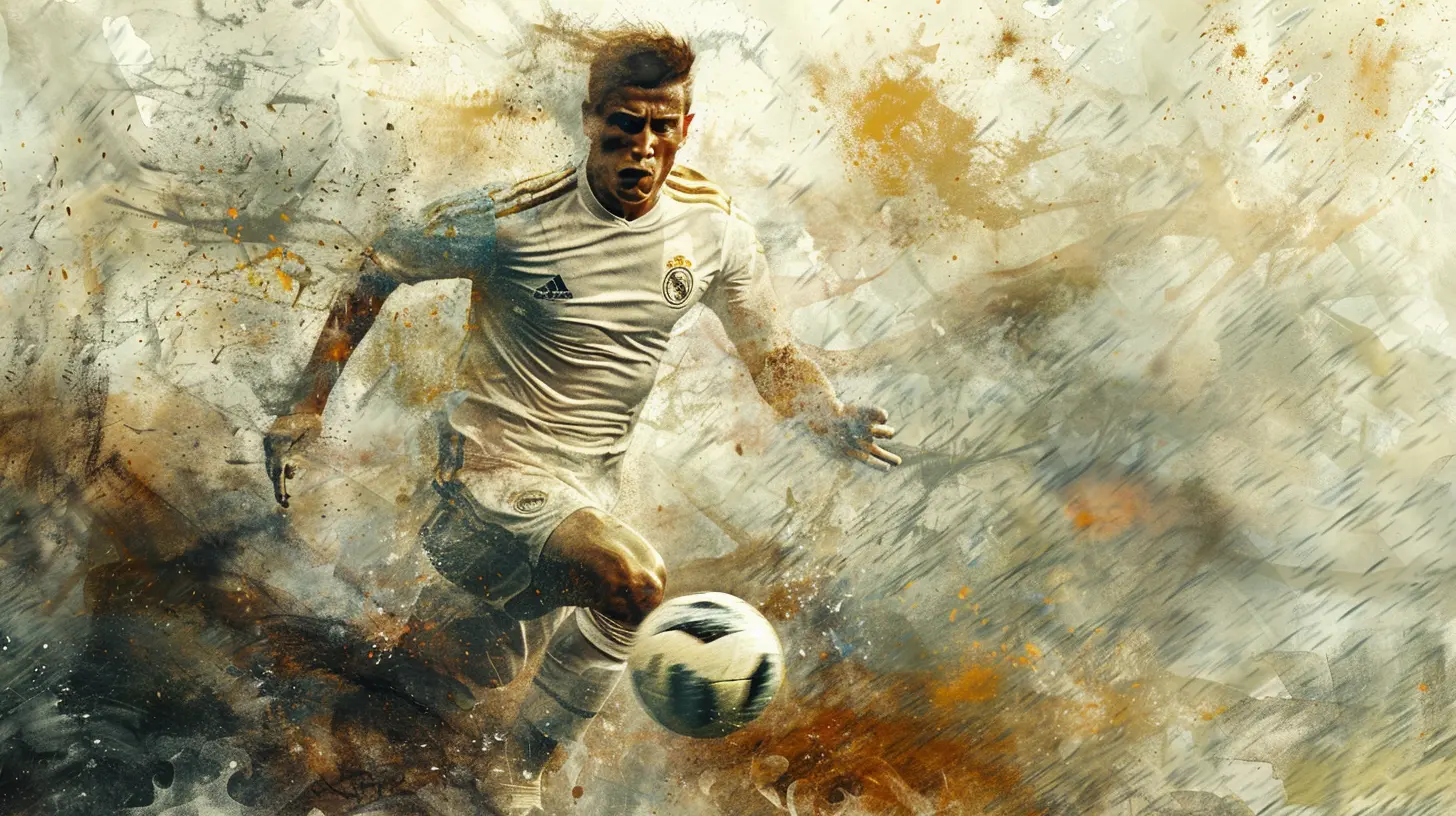
The Phantom Midfield Genius: Matthias Sindelar
Ever heard of Austria’s “Paper Man”? Nope? Neither have most casual fans, yet Matthias Sindelar was once seen as the best player in Europe during the 1930s.Nicknamed the “Mozart of football,” Sindelar had this ghost-like presence on the pitch. He was elegant, sly, impossible to pin down. Watching him play was like watching ballet with a soccer ball. And get this—he led Austria’s “Wunderteam” that absolutely dominated European football before World War II.
But what makes Sindelar’s story even more intriguing is the way he defied the Nazis. When Germany annexed Austria and tried to force him to join their team, he refused. Some say he faked an injury; others claim he was just that bold.
Soon after, he died under suspicious circumstances. Poisoning? Foul play? No one knows for sure. The legend lives, even if history tried to bury him.
The Man Who Changed Defense: José Nasazzi
Let’s talk about the original rock at the back: José Nasazzi.This Uruguayan beast captained his national team in the 1920s and ‘30s and led them to victory in the very first FIFA World Cup in 1930. His leadership wasn’t just about yelling from the back—Nasazzi blended brute strength with a cerebral understanding of the game. He was essentially the prototype for the modern center-back.
Ever heard of “The Nasazzi Baton”? It's an unofficial football title that tracks the holder of the baton based on who beats the reigning champion team starting from Uruguay’s 1930 win. That’s how iconic this guy is—he created a mythical title without even knowing it.
Yet, outside of Uruguay? Crickets.
The Tactical Architect: Viktor Maslov
Now here’s a name that probably never came up in your FIFA career mode—Viktor Maslov.A former player turned genius coach, Maslov didn’t just play the game—he reinvented how it was played. Ever heard of the 4-4-2 formation? Pressing football? Positional fluidity? Yeah, Maslov built the blueprint.
The Soviet coach revolutionized soccer strategy back in the 1960s. His team, Dynamo Kyiv, ran like a well-oiled machine decades before guys like Guardiola or Klopp came along.
The tragedy? A tactical mastermind like Maslov should be a household name. Instead, his name is mostly whispered among soccer scholars and coaching nerds.
The First African Superstar: Larbi Benbarek
Before George Weah…before Didier Drogba…there was Larbi Benbarek, “The Black Pearl.”Born in Casablanca and playing most of his career in the 1930s and ‘40s, Benbarek was the first African player to make waves in Europe. The guy was a magician with his touches, a midfield general with vision that bent the laws of physics.
He starred for Atlético Madrid long before La Liga became a global spectacle.
The saddest part? His prime years overlapped with World War II, robbing us of his brilliance on the biggest stages.
Pele once said, “If Benbarek was a king, I am merely a prince.” Now that’s a legend lost in time.
The Woman Who Beat The System: Lily Parr
You can’t talk forgotten legends without shouting out Lily Parr, one of the most rebellious and gifted female players in soccer history.Back in the early 20th century, when women’s soccer was actually gaining massive traction in England, Parr was lighting it up. She played for Dick, Kerr’s Ladies, a team that drew tens of thousands of fans—and she scored over 900 goals in her career.
Let me say that again—900 goals.
But in 1921, the FA banned women from playing on official grounds. Their excuse? The game was “unsuitable for women.” Parr didn’t let that stop her. She kept playing, kept scoring, and kept challenging the establishment.
She was inducted into the English Football Hall of Fame in 2002, but let’s be real—she was way ahead of her time, and we’re only just catching up.
The Goalkeeper With Magic Hands: Gyula Grosics
You might know Hungary’s “Mighty Magyars,” with Ferenc Puskás grabbing all the headlines. But behind that attacking machine stood a man with gloves who reinvented goalkeeping: Gyula Grosics.This guy wasn’t just a shot-stopper. He was the world’s first “sweeper-keeper.” Long before Neuer made it trendy, Grosics was darting off his line, acting like a spare defender while commanding the field like a general.
He helped redefine the role of a keeper—transforming it from passive guardian to active playmaker.
Yet, outside of Hungary or hardcore retro football circles, his name rarely surfaces. That’s a shame, because modern goalkeeping owes this man a standing ovation.
The Brazilian Who Preceded Pelé: Leônidas da Silva
Before there was Pelé, there was Leônidas da Silva—aka the "Black Diamond.”This guy dazzled the world at the 1938 World Cup, scoring seven goals and introducing fans to the bicycle kick like it was some kind of magic trick.
He was athletic, flamboyant, and deadly in the box. You know that old saying about being “ahead of your time”? That was Leônidas.
He was also one of the first black players to gain superstardom in Brazil, paving the way for future greats. But somehow, his legacy has been overshadowed by those who followed.
The Samurai of the Midfield: Yasuhiko Okudera
Asia hasn’t had many players break through the European ranks until recent decades. But in the 1970s and ’80s, Yasuhiko Okudera became the first Japanese player to play in Europe—specifically in Germany’s Bundesliga.Playing for FC Köln and later Werder Bremen, Okudera wasn’t flashy. He was efficient, tactical, and mentally sharp—kind of like a chess grandmaster in boots.
Back home, he helped inspire an entire generation of Japanese players to believe they could take on the world. Without Okudera, you probably don’t get Nakata, Honda, or Kagawa.
History rarely sings his name, but Oh boy—he deserves the mic.
The Enigma of El Mago: Enrique Omar Sívori
Argentina and Juventus fans know the name Omar Sívori, but the rest of the world? Not so much.Sívori had this unique blend of grit and guile. He could dribble through defenders like they were ghosts and score with either foot like it was second nature. He won the Ballon d’Or in 1961, led Juve to multiple titles, and he had one of the fiercest left legs in the game.
Think of him as the Diego Maradona before Maradona.
He played for Argentina and later Italy, and still managed to stay a fan-favorite in both countries. A true dual-national icon whose story doesn’t get nearly enough love.
Why Do We Forget These Legends?
That’s the million-dollar question. Is it because they played in an era before social media and HD highlights? Or maybe history just loves picking favorites?A lot of these players fell into the cracks of time due to war, politics, or simply being the right genius in the wrong era. Others got overshadowed by bigger names that came later.
But here’s the thing—without them, the game you love wouldn’t be the same.
They laid the foundation, broke the barriers, and wrote the first chapters of football’s global story.
Closing Thoughts: Remembering the Shadows
Soccer, like life, has more heroes than headlines. The forgotten legends we talked about? They’re the soul of the sport. Unsung architects who knew how to dance with a ball, lead with heart, and change the game without needing spotlight or hashtags.So next time you're watching your favorite club or cheering for your superstar, take a moment to raise an imaginary glass to these trailblazers. Because without them, the game wouldn't be quite so beautiful.
all images in this post were generated using AI tools
Category:
SoccerAuthor:

Everett Davis
Discussion
rate this article
2 comments
Kyle Velez
This article beautifully highlights the often-overlooked contributions of players whose innovative styles and skills have shaped modern soccer, enriching the game's legacy.
March 6, 2026 at 12:45 PM
Everett Davis
Thank you! I'm glad you appreciated their impact on the game. They truly deserve the recognition.
Luella Nguyen
Great tribute! These legends truly shaped the beautiful game.
February 15, 2026 at 4:55 AM
Everett Davis
Thank you! Their impact on the game is truly unforgettable.