Spotlight on Return-to-Play Protocols for Contact Sports in 2026
28 September 2026
The whistle blows. The crowd roars. And somewhere on the sideline, a team physician is making a decision that could shape an athlete's life for the next forty years. Welcome to the messy, high-stakes world of return-to-play protocols in contact sports. It is 2026, and the conversation has never been more complicated, more scrutinized, or more important.
Here is the uncomfortable truth nobody wants to say out loud at the league meeting: most return-to-play decisions are still made in the gray zone. Not black. Not white. Gray. And the people making those calls are balancing medical ethics, competitive pressure, legal exposure, and a human being who just wants to get back on the field.
This article cuts through the noise. No recycled talking points. No vague "consult your medical team" cop-outs. We are going deep into what actually works, what does not, and why the smartest organizations are rewriting their protocols from the ground up.
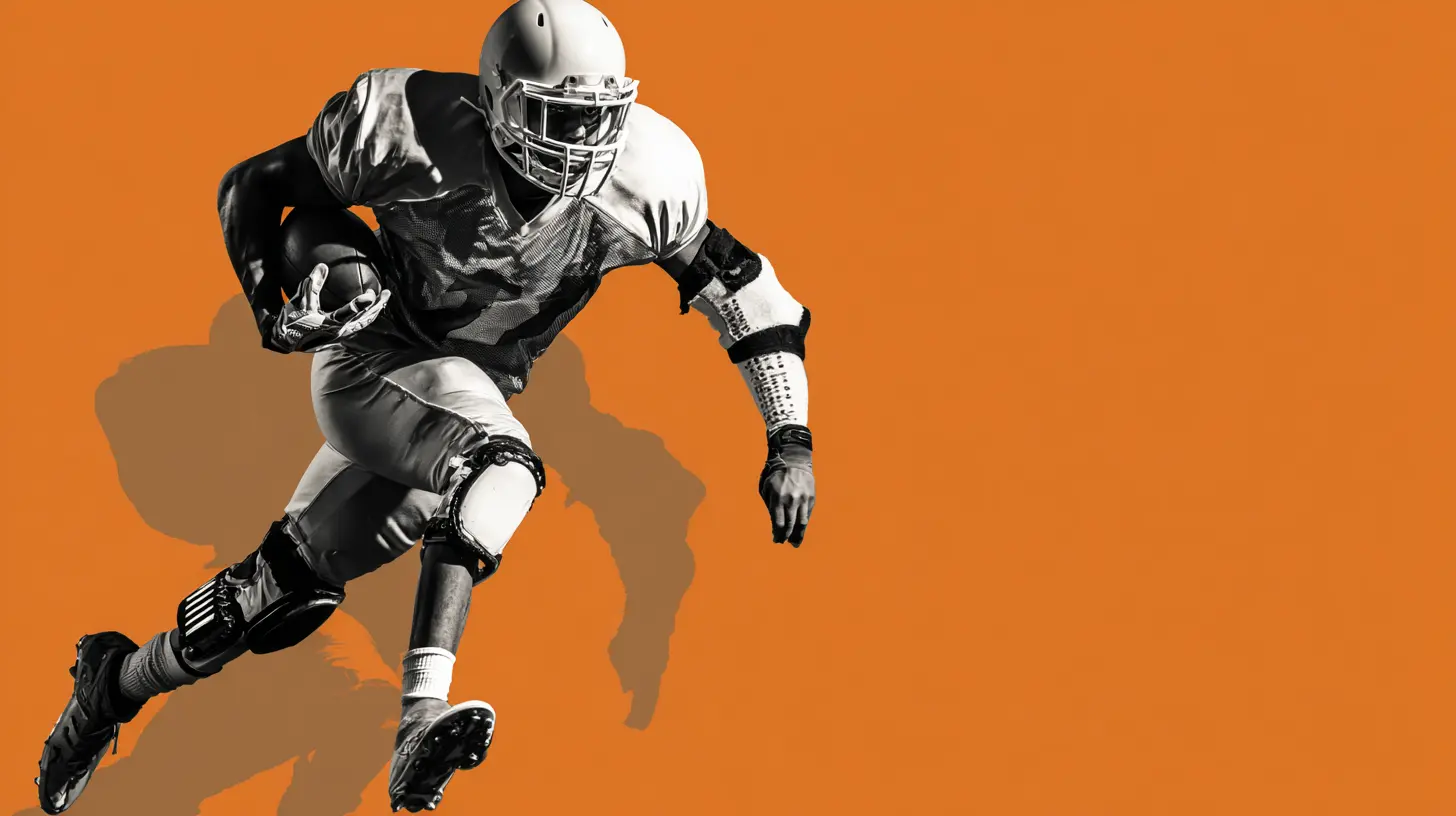
Why Return-to-Play Is Harder Than It Looks
Let us kill a popular myth right now. Return-to-play is not a single decision. It is a process. A long, annoying, non-linear process that involves dozens of micro-decisions, each one capable of derailing the whole thing.The old model treated clearance like a finish line. Athlete gets hurt. Athlete rehabs. Doctor signs a form. Athlete plays. Clean, simple, and wrong.
Modern protocols recognize that returning to sport is a continuum. There is return to participation, return to sport, and return to performance. Those are three different milestones, and conflating them is one of the most common mistakes in sports medicine.
Think of it like rebuilding an engine. You do not just pour oil in and turn the key. You check the components, run diagnostics, test under load, and monitor for the first hundred miles. Skip a step, and you are calling a tow truck.
The Three Stages Nobody Should Skip
Return to participation means the athlete is back in some capacity, but not full competition. Maybe they are doing modified drills. Maybe they are in non-contact practice. It is a bridge, not a destination.Return to sport means they are cleared for full competition. This is where most people think the job is done. It is not.
Return to performance means they are back to their pre-injury baseline, or close to it. This is the stage that separates good programs from great ones. Anyone can clear an athlete. Not everyone can get them back to peak output.

The 2026 Landscape: What Changed and Why
Several forces have reshaped return-to-play protocols over the past few years. Understanding them is not optional if you work in this space.First, concussion management has matured dramatically. Sub-threshold exercise testing, vestibular and ocular screening, and individualized aerobic protocols are now standard in serious programs. The days of "sit in a dark room until you feel better" are over. They were never evidence-based, and the research caught up.
Second, soft tissue injuries are being treated with far more respect. Hamstring strains, ACL repairs, and Achilles ruptures used to be managed with crude timelines. Now, criteria-based progression rules. The athlete does not advance because four weeks passed. They advance because they hit measurable benchmarks.
Third, data is everywhere. GPS tracking, force plate testing, and wearable load monitors give practitioners objective numbers to work with. This is a double-edged sword. More data does not automatically mean better decisions. It means more ways to confuse yourself if you do not know what you are looking for.
Fourth, legal and ethical scrutiny has intensified. Athletes are more aware of their rights. Unions and player associations are more involved. Organizations that once operated in shadows now face real consequences for rushing players back.
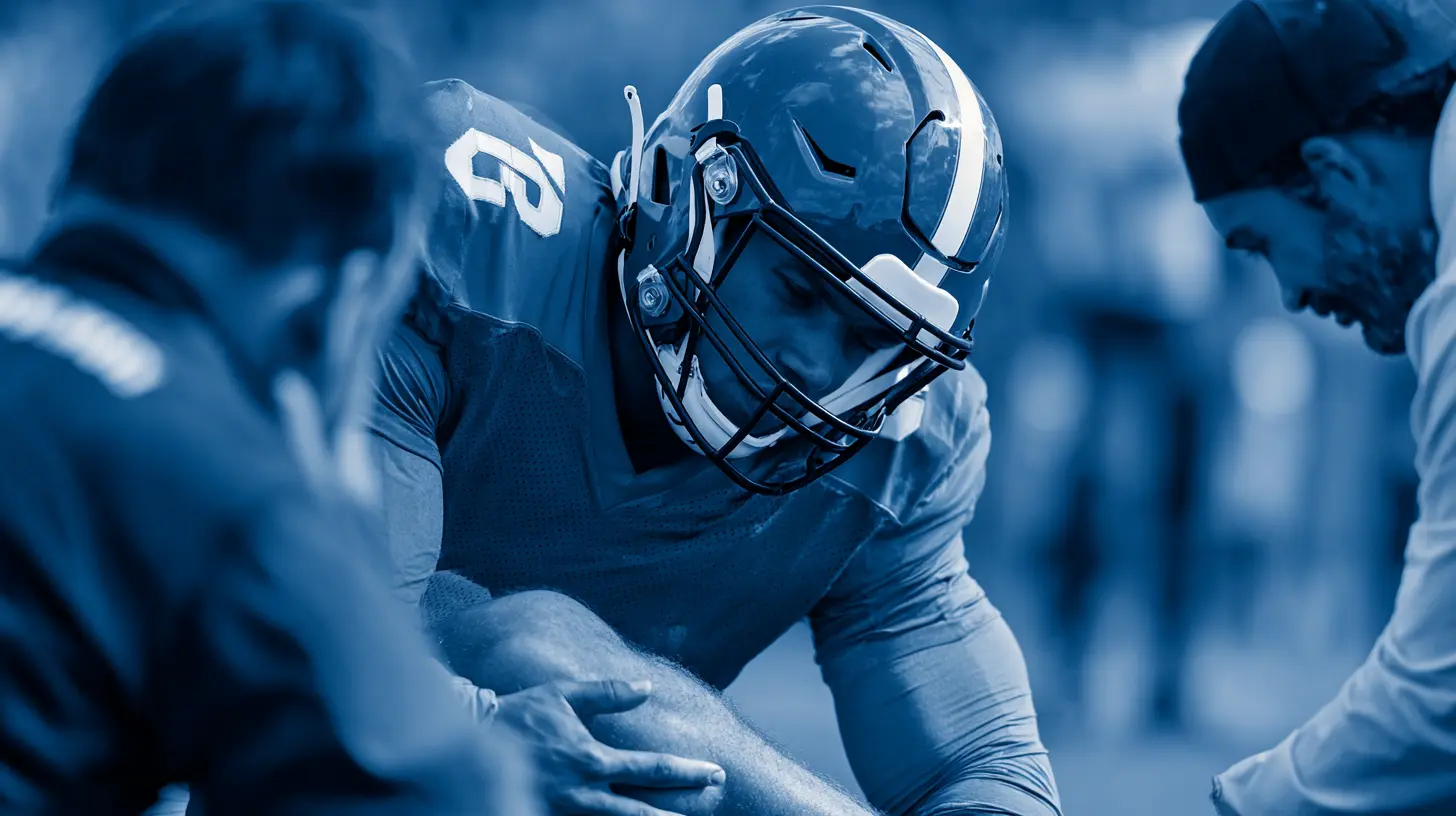
The Core Components of a Modern Protocol
A credible return-to-play protocol in 2026 rests on several pillars. Remove any one of them, and the whole structure wobbles.Objective Testing Over Gut Feeling
Every experienced clinician has instincts. Those instincts are valuable. They are also fallible. Objective testing exists to keep instincts honest.For a hamstring injury, that might mean isometric strength testing compared to the uninjured side. For a concussion, it might mean computerized neurocognitive baseline comparison. For an ACL, it might mean limb symmetry index on hop tests.
Here is the nuance most people miss. No single test is sufficient. A battery of tests, interpreted together, gives you a much clearer picture. One good number can hide a problem. Five good numbers, across different domains, are harder to fake.
Load Management as a Return-to-Play Tool
Load management is not just for healthy athletes. It is arguably more important for returning ones.The concept is straightforward. Tissues adapt to load. Too little load, and they do not rebuild. Too much, too fast, and they break down again. The sweet spot is a gradual, monitored increase that challenges the tissue without overwhelming it.
Acute to chronic workload ratios, session ratings of perceived exertion, and GPS-derived distance metrics all feed into this. The specific tools matter less than the principle. You are trying to answer one question: is this athlete's body ready for what we are about to ask it to do?
Psychological Readiness
Here is a component that gets lip service and not much else. Psychological readiness is not soft. It is predictive.An athlete who is physically healed but terrified of re-injury is a liability to themselves and their team. They hesitate. They protect. They move differently. And that altered movement pattern can create a new injury.
Validated questionnaires exist for this. The ACL-RSI is one example for knee reconstruction. Injury-specific fear scales exist for other conditions. Using them is not a sign of weakness in your protocol. It is a sign of sophistication.
The tricky part is acting on the results. What do you do when an athlete passes every physical test but scores poorly on psychological readiness? You do not ignore it. You also do not necessarily hold them out indefinitely. You bring in a sports psychologist, you build confidence through controlled exposure, and you reassess.

Sport-Specific Considerations
Not all contact sports are created equal. A return-to-play protocol for rugby looks different from one for ice hockey. A protocol for boxing looks different from one for American football.Collision vs. Contact
There is a meaningful distinction between collision sports and contact sports. Collision sports involve intentional, high-force impact between athletes. Think rugby, American football, boxing. Contact sports involve incidental contact. Think basketball, soccer, lacrosse.Collision sports demand a higher threshold for return. The forces involved are greater, the injury risk is higher, and the margin for error is thinner. A soccer player with a healing rib fracture might return with padding. A rugby player with the same injury faces repeated, deliberate impact to that area.
Position-Specific Demands
Within a sport, positions matter. A lineman and a wide receiver have different physical demands. A goalkeeper and a striker have different movement profiles.Smart protocols account for this. Returning a lineman to full contact before his neck and shoulder strength are restored is reckless. Returning a goalkeeper to diving before his shoulder stability is confirmed is equally reckless.
The lesson: generic protocols produce generic outcomes. Individualize.
Common Mistakes and How to Avoid Them
Let us get specific about what goes wrong. These are patterns that show up again and again.Mistake One: Timeline-Based Clearance
"We usually give this four to six weeks." That sentence has ended careers.Timelines are useful for planning. They are dangerous as decision criteria. Every athlete heals differently. Every injury has its own personality. Clearing someone because the calendar says so is not medicine. It is guesswork with a clipboard.
The fix: replace timelines with criteria. Define what the athlete must demonstrate, not how long it should take.
Mistake Two: Ignoring the Cumulative Load
An athlete returning from a hamstring strain does not exist in a vacuum. They have a training history, a game schedule, and a life outside sport. All of it affects their recovery.A player who returns during a brutal stretch of the schedule faces different demands than one returning during a bye week. A player who is sleeping poorly and stressed about contract negotiations is not the same as one who is rested and secure.
The fix: zoom out. Look at the whole picture, not just the injured body part.
Mistake Three: One-Size-Fits-All Protocols
Copy-pasting a protocol from a textbook or another team is lazy. It also does not work.Protocols must fit the sport, the position, the athlete, and the resources available. A small college program does not have the same tools as a professional franchise. That is fine. What matters is that the protocol is coherent, evidence-informed, and consistently applied.
Mistake Four: Skipping the Reconditioning Phase
There is a gap between "cleared" and "ready." Too many programs ignore it.An athlete who has been out for six weeks has lost fitness, strength, and sport-specific skill. Clearing them for full competition without a reconditioning phase is setting them up for failure. Or injury. Or both.
The fix: build a reconditioning block into every return-to-play plan. It is not optional.
The Role of Technology
Technology has transformed return-to-play. It has also created new ways to fool yourself.What Works
Force plates give objective data on limb symmetry and power output. GPS and accelerometers track external load. Heart rate variability and sleep monitors offer windows into recovery status. Video analysis reveals movement compensations the naked eye misses.These tools are genuinely useful. They add precision. They catch things humans overlook.
What Does Not
Technology does not replace clinical judgment. It informs it.A force plate reading is only as good as the protocol used to collect it and the expertise used to interpret it. A GPS number without context is just a number. Wearables that generate anxiety without actionable insight are worse than useless.
The fix: use technology to answer specific questions. Do not collect data for its own sake. Every metric should have a purpose and a decision attached to it.
Legal and Ethical Dimensions
Return-to-play decisions have consequences beyond the field. Understanding the legal and ethical landscape is part of the job.Informed Consent
Athletes have the right to understand the risks they are taking. This is not a formality. It is a conversation. What are the chances of re-injury? What are the long-term consequences? What are the alternatives?A signed waiver does not absolve anyone of ethical responsibility. It is a legal document, not a moral shield.
The Pressure Problem
Coaches want players back. Owners want players back. Fans want players back. The athlete wants to be back. Everyone wants the same thing, and that shared desire creates pressure.Good protocols build in structural protections against this pressure. Independent medical decision-makers. Clear criteria that cannot be overridden by non-medical personnel. Documented reasoning for every decision.
Long-Term Athlete Health
The shift toward considering long-term athlete health is one of the most important developments in this field. Chronic traumatic encephalopathy research, joint degeneration studies, and quality-of-life surveys have made it clear that return-to-play decisions have decades-long implications.The question is no longer just "can this athlete play this week?" It is "what does this decision mean for this person at fifty?"
Practical Recommendations
Here is what actually works, distilled into actionable guidance.Build a Decision Framework, Not a Decision
A framework is a process for making decisions. A decision is a single outcome. Frameworks are reusable. Decisions are not.Your framework should specify who is involved, what data is collected, how criteria are defined, and how disagreements are resolved. It should be written down, reviewed regularly, and updated as evidence evolves.
Document Everything
If it is not documented, it did not happen. This is not just about legal protection. It is about learning.Documented decisions, with their reasoning, create a record you can review. Did that return-to-play decision work out? Why or why not? Without documentation, you are guessing.
Communicate Clearly
Athletes, coaches, and families need to understand the plan. Not a watered-down version. The real plan, explained in language they can follow.Ambiguity creates conflict. Clarity creates alignment.
Review and Iterate
No protocol is perfect. The best organizations treat their return-to-play process as a living document. They review outcomes. They identify patterns. They adjust.This is not about blame. It is about improvement.
The Bottom Line
Return-to-play protocols in 2026 are more sophisticated than they have ever been. They are also more complex, more scrutinized, and more consequential.The organizations that get this right share common traits. They prioritize criteria over timelines. They respect the psychological dimension. They use technology wisely. They document everything. And they never forget that the person on the field is a human being with a future that extends far beyond the next game.
Get it right, and you protect careers. Get it wrong, and you end them. There is no middle ground worth settling for.
all images in this post were generated using AI tools
Category:
Injury UpdatesAuthor:

Everett Davis