Strength in Depth: How Squad Rotation Could Play a Role
29 June 2026
Let’s face it — in today’s game, having a starting eleven isn’t enough. Not even close. If a football team wants to fight on all fronts, whether it's chasing league glory, cup silverware, or European dreams, they need more than just star power. They need depth. And guess what takes full advantage of that depth? Squad rotation.
We’re talking about a strategic game within the game. A chess match managed from the sidelines — one where resting your best players at the right time can win you titles just as much as a last-minute goal. So today, let’s break down the importance of squad rotation, why it's not just a luxury anymore, and how it can be the make-or-break factor in modern football.
What is Squad Rotation, Anyway?
Before we dive deep, let’s unpack the basics. Squad rotation is when a manager regularly swaps out players in the starting lineup. It’s not because someone’s hurt or suspended — it’s a planned, calculated move to keep the whole squad fresh.Think of it like juggling. Keep the balls moving, and everything flows smoothly. Drop one, and all of a sudden the whole performance is at risk. That’s what squad rotation does — it keeps the rhythm, maintains the intensity, and reduces burnout.
Why It's No Longer Optional
Years ago, you might’ve gotten away with overplaying your key players. But not anymore. With the fixture list tighter than ever — domestic leagues, cup ties, European nights, international breaks — the demands are brutal.A top-level footballer could be playing 50 or even 60 games in a season. That’s insane when you think about the physical and mental toll. Without rotation? You’re running your players into the ground.
And let’s not forget about injuries. We've all seen it: your team is flying high, then boom — hamstring injury to your star striker... for six weeks. No rotation? That’s how those injuries happen.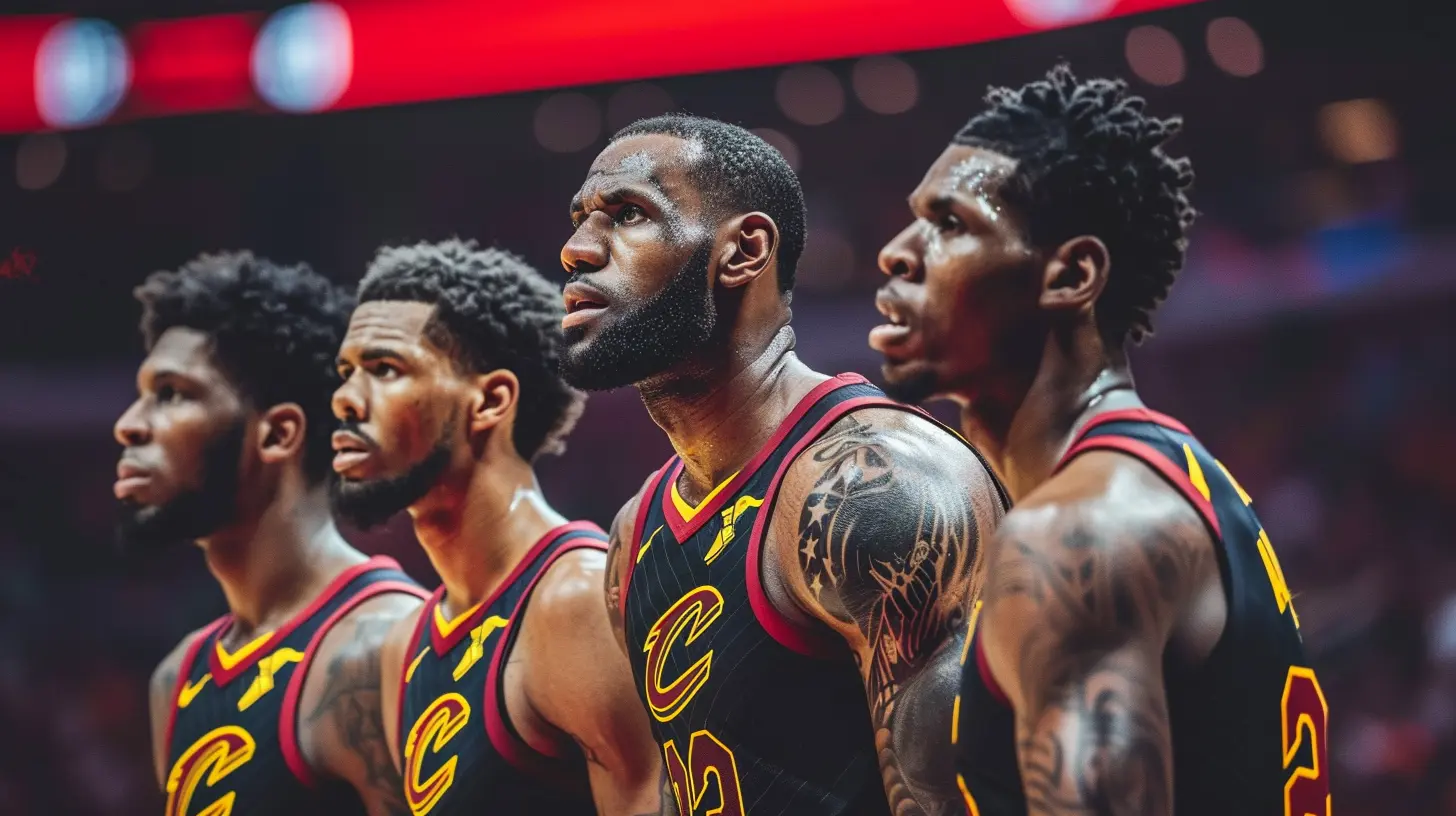
The Hidden Power of Depth
So, why is strength in depth such a big deal? It comes down to this — when every player feels important, you build a team, not just a group of individuals.A well-used bench means:
- Less fatigue for your starting XI
- More motivation for your squad players
- Better adaptability to different opponents
- A stronger response to injuries or suspensions
You can think of it as having a toolbox. Would you rather have just a hammer, or a full set of tools for every job? Sometimes you need a wrench (your energetic winger), sometimes a screwdriver (your tactical midfielder). Squad depth gives you options.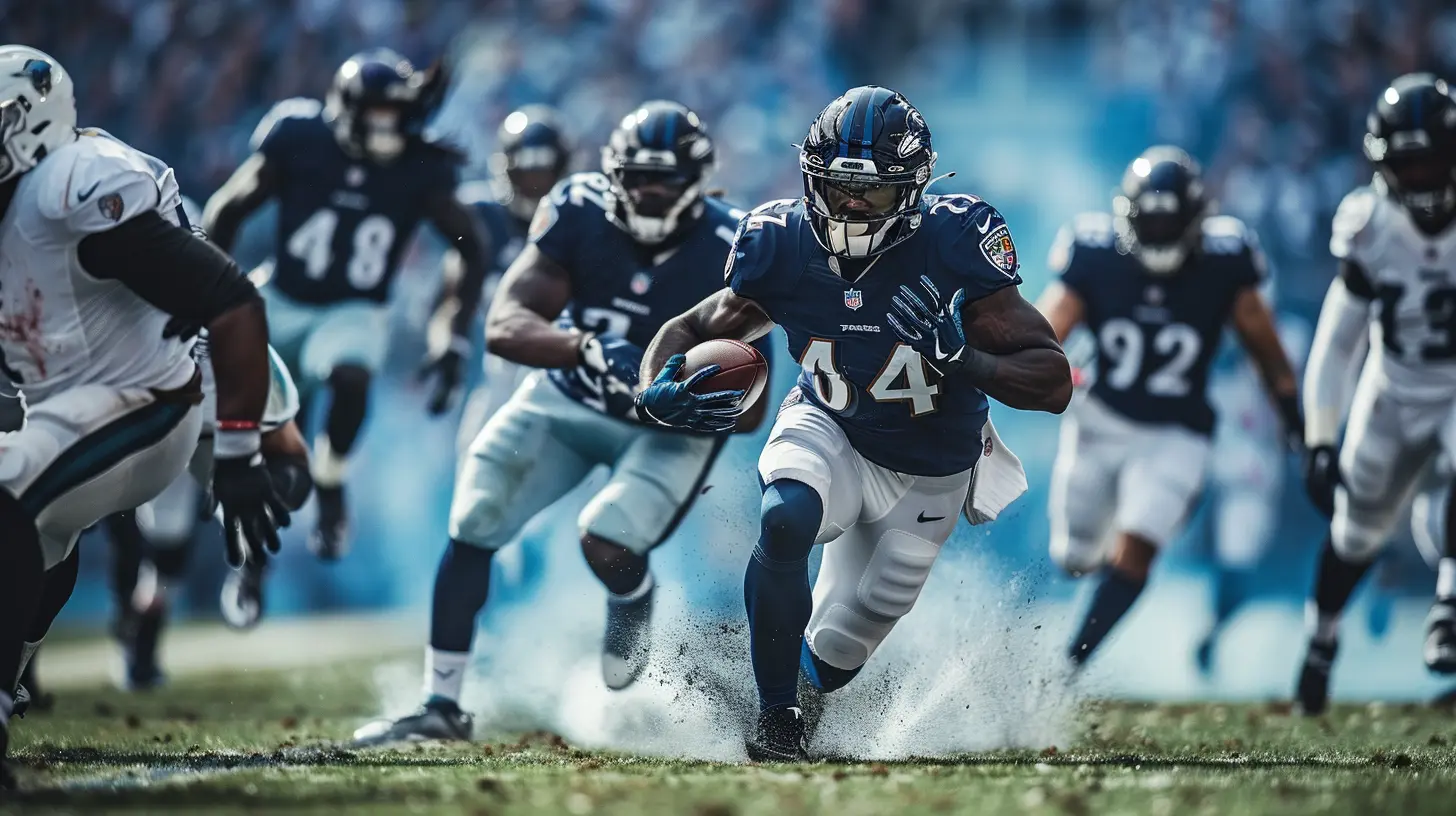
The Science Backs It Up
Let’s get nerdy for a sec.Sports science now plays a huge role in how clubs operate. GPS tracking, biometric data, sleep monitoring — teams know when their players are exhausted before they even complain.
Clubs use that data for load management. If a player has run 12km in three straight matches, science says they might need a rest. That’s where rotation steps in.
Clubs like Manchester City, Liverpool, and Real Madrid rotate not just because they can, but because the numbers tell them it’s the smart move. They’re playing chess, not checkers.
Rotation Doesn’t Mean Weakness
One of the biggest myths is that rotating players equals fielding a weaker team. Not true. If anything, good rotation shows strength.Take Pep Guardiola, for example. In his prime City squads, you couldn’t predict the starting eleven half the time, and yet the results kept coming. Why? Because every player was drilled, trusted, and ready to step in.
It’s not about weakening your lineup — it’s about trusting your depth. If your bench is strong enough to leave top players out and still win big games, that’s a power move.
Rotation and Tactical Flexibility
Rotation gives managers more than just fresh legs. It gives them adaptability.For example:
- Playing a high press? Bring in your energetic front three.
- Need to dominate possession? Start your technically gifted midfielders.
- Counter-attacking setup? Go with your fastest players.
Having options means you’re not stuck playing Plan A all season. Squad rotation allows managers to tailor their tactics, much like changing outfits depending on the weather.
Managing Egos and Keeping Spirits High
Let’s not ignore a big part of this — managing personalities.Everyone wants to play. Nobody dreams of warming the bench. So, how do you rotate your squad without creating unhappy campers?
Great managers are master psychologists. They communicate. They explain their decisions. They praise the players who step in. And most importantly, they give everyone a sense of purpose.
When a player knows they’ll get minutes — even if not every week — they stay sharp and motivated. That chemistry adds up over a long season.
Case Studies: Where Rotation Made the Difference
Let’s look at real-life examples where rotation set champions apart.2018-2019 Manchester City
City had a brutal fixture list — League, FA Cup, Carabao Cup, Champions League. Pep rotated constantly. Names like Mahrez, Bernardo Silva, Gabriel Jesus, and Zinchenko were in and out of the side — yet the intensity never dipped.Result? They won the domestic treble. Squad rotation was key.
2021-2022 Liverpool
Jurgen Klopp was finally working with a deeper squad. Diogo Jota, Luis Diaz, and others allowed him to rest Mane and Salah without panic. Liverpool pushed for a quadruple, winning two cups and nearly the league and Champions League. Rotation wasn’t just helpful — it was crucial.Real Madrid’s Champions League Dominance
From 2016 to 2018, Zinedine Zidane’s success wasn't just about the starting stars. He had Isco, Lucas Vazquez, Marco Asensio, and others playing key roles off the bench and as injury cover. Zidane used rotation smartly, ensuring the likes of Modric and Kroos were fresh for the knockout rounds.The Role of Youth and Academy Players
Another underrated aspect of squad rotation? Blooding young talent.Managers often look to youth in cup competitions or less critical league fixtures. This does two things:
1. Gives stars a rest.
2. Grooms the next generation.
Clubs like Barcelona and Ajax have done this for years, embedding young players into the first team without throwing them into the deep end.
It’s like seasoning a cast iron skillet. Do it gradually, and the results are golden.
Rotation Strategy: Art or Science?
So, is there a perfect rotation formula?Short answer: no.
You can’t just sub in five players every game and expect harmony. Rotation needs to be strategic. You have to consider:
- The opponent’s style
- Player fitness and form
- Upcoming fixtures
- Tactical requirements
It’s a balancing act. Too little rotation, and players burn out. Too much, and you lose momentum. The best managers know when to twist and when to stick.
The Mental Game: Keeping Players Mentally Fresh
We’ve talked a lot about physical fatigue, but mental fatigue is just as real.When players are rotated in, they stay mentally engaged. They don’t switch off. They know they’ll be called upon, so they stay game ready.
Imagine working a job where you never get a break compared to one where you get rest days to regroup. Which one keeps you sharp longer? Same goes for footballers.
Rotation and the Long Season Grind
Early season form is great, but championships are won in the final stretch. That’s when legs are heavy, minds are tired, and pressure is sky-high.Teams that rotate well tend to finish strong. Their players are fresher, sharper, and less likely to suffer injuries in crunch time.
It’s not about peaking in October. It’s about being ready when the trophies are handed out in May.
Final Thoughts: The Era of the 25-Man Game
Football has evolved. It’s no longer about the best eleven — it’s about the best twenty-five.Squad rotation isn’t a gamble. It’s a necessity. It gives teams the stamina to stay alive in every competition. It keeps players healthy and hungry. And when managed right, it builds a stronger, more united squad.
So the next time you see your team rest a few stars midweek, don’t panic — it could be the smartest move they make all season.
all images in this post were generated using AI tools
Category:
Game PreviewsAuthor:

Everett Davis
Discussion
rate this article
1 comments
Phoenix Holland
Squad rotation is key for maintaining performance.
July 18, 2026 at 12:25 PM
Everett Davis
Absolutely, squad rotation can help keep players fresh and reduce injuries, ultimately enhancing overall team performance.