The Art of Game-Day Preparation in College Basketball
3 July 2026
Let’s face it — college basketball game days are intense. They’re loud, electric, unpredictable, and filled with enough adrenaline to power a small city. From buzzer-beaters to half-court hail Marys, it’s the stuff of sports dreams. But here's a little secret fewer people talk about: the chaos you see on the court? It’s backed by some seriously meticulous preparation.
Yep. Behind every slam dunk and silky-smooth pick-and-roll is a carefully crafted game-day prep routine that makes the magic happen. So, if you’ve ever wondered how college basketball teams rev up for the big day, buckle up. We’re diving headfirst into the art (yes, it’s an art) of game-day preparation in college hoops — with a touch of flair, a sprinkle of wit, and a whole lotta love for the game.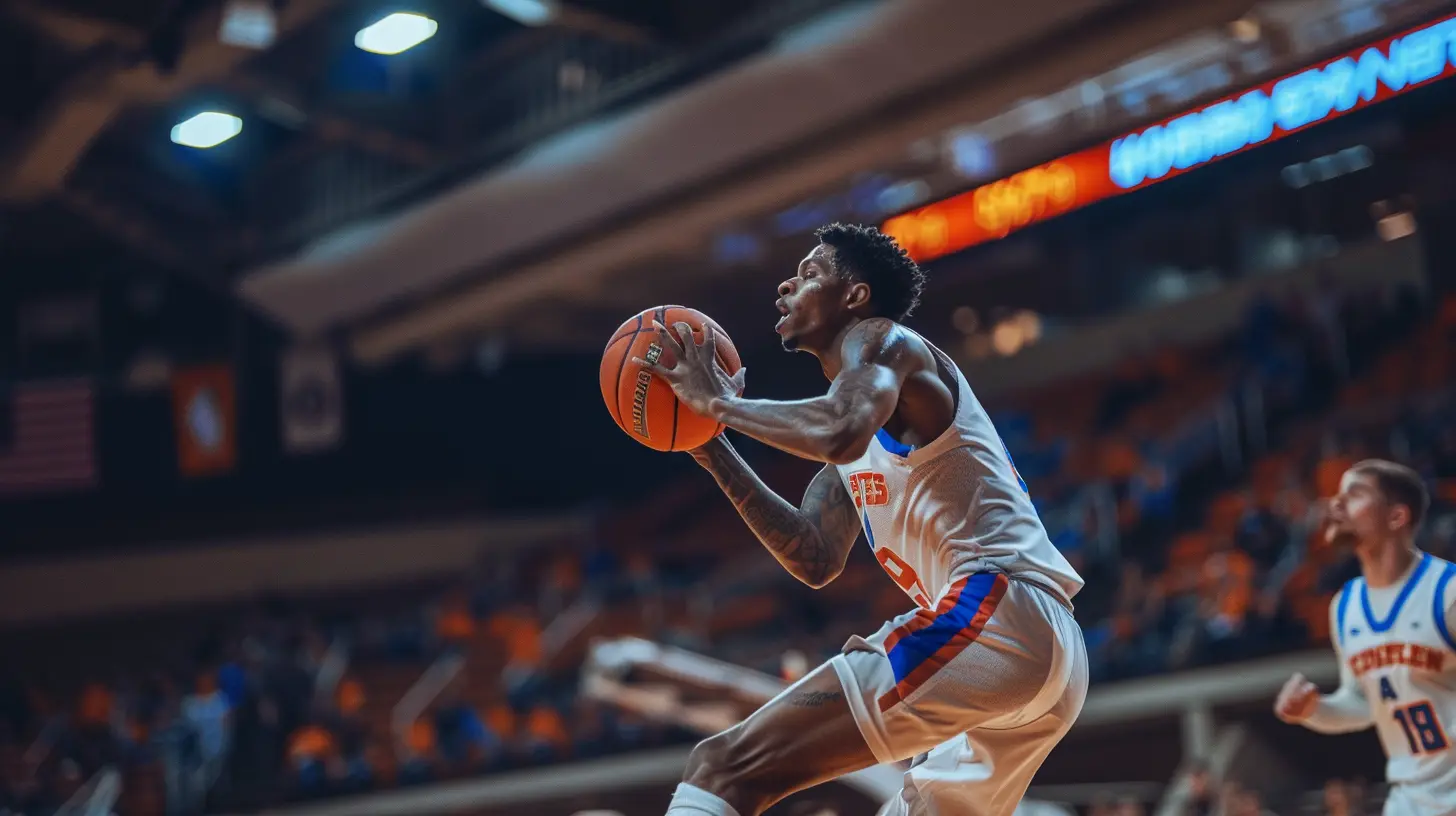
Game Day Starts the Night Before: Sleep, Snacks & Strategy
Believe it or not, game day doesn’t actually start on game day. Shocking, right??️ Sleep — The MVP of Preparation
There's no sugarcoating this: if you're not catching those ZZZs the night before, you're setting yourself up for an off day. Coaches are practically sleep evangelists. They’ll preach it louder than a packed student section.Players usually get a strict lights-out time. No late-night gaming, no TikTok rabbit holes. Just solid, restful sleep. A well-rested player = quicker reaction time, sharper decision-making, and fewer “what-was-he-thinking” turnovers.
? Carb Loading and Clean Eating
Now, let’s talk food (because what’s a basketball prep without some pasta, am I right?).The night before the game, most teams stick to high-carb meals — think pasta, rice, or sweet potatoes. It’s like fueling up before a road trip. The body needs energy, and carbs are the premium-grade gas.
But no, that doesn’t mean a pizza party (sorry, freshmen). We’re talking lean proteins, veggies, and hydration out the wazoo. Gatorade might be flashy, but good ol’ H₂O is the real MVP.
? Mental Walkthroughs: Film Sessions & Strategy Talks
Before the lights come on, teams spend time in the dark — watching film. Players review the opposing team’s tendencies like students trying to cram before finals.Where do they shoot from most? How do they defend the pick-and-roll? Who's the sharpshooter that never misses?
Coaches break down plays, star players, and game plans to a science. It’s part chess match, part detective work, and all critical to winning.
The Morning Of: Calm Before the Storm
Game day morning is a vibe. There’s a strange mix of anticipation and chill. Think of it like the quiet before a rock concert starts.☀️ Morning Shootaround: Shake Off The Rust
This is where the legs loosen up, the sneakers squeak for the first time, and everyone finds their rhythm.It’s not about going full-throttle. Shootaround is more about touch, feel, and confidence. It’s about seeing the ball go through the hoop and thinking, “Yeah, today’s gonna be my day.”
Coaches might toss in a few light drills or team walkthroughs, but the goal is simple: get mentally dialed in without breaking a sweat.
?♂️ Pre-Game Rituals: Superstitions Galore
You know athletes and their quirky pre-game rituals. Some wear the same socks. Others eat the same breakfast (banana and peanut butter, anyone?). Some even listen to the same pump-up song on repeat.Are they scientifically proven to help? Maybe not. But if bouncing a basketball exactly 13 times before free throws feels right — hey, who are we to judge?
The Pregame Locker Room: Where Words Turn into Action
Ah yes, the locker room. Your classic “cue the motivational speech” scene.?️ Coach’s Speech: Mic Drop Moment
Right before tip-off, it’s time for the coach to step up. This isn’t just any regular pep talk. This is THE speech — the “I’d run through a brick wall” type of speech.Coaches draw from history, passion, and sometimes even their childhood to fire up the team. It’s raw, emotional, and about as close to a movie script as real life gets.
? Strategy Recap (Without the Cheese)
While the hype is high, the strategy doesn’t get lost. Coaches remind players of matchups, plays, and adjustments. The whiteboard gets a workout. Arrows, diagrams, quick reminders — it’s controlled chaos.Players nod, fist-bump, and lock in. This is the moment they transform from students to warriors.
Warm-ups: Showtime Without the Show
With music blaring, fans trickling in, and the school band tuning up, players hit the court for warm-ups.? Dynamic Drills Over Static Stretching
Gone are the days of touching toes and calling it a day. College teams now opt for dynamic warm-ups to get the blood flowing.Think high-knees, quick sprints, defensive slides, and even ladder drills. It’s all about mimicking game-like movements so there’s less chance of pulling a hammy when it’s go-time.
? Shooting Reps & Layup Lines
Of course, you can’t skip the classic layup line. It’s practically basketball folklore. But there’s more happening than meets the eye.Players find their sweet spots on the court. They run through in-game motions, shoot threes, work on floaters — all under the eye of assistant coaches. These reps are about rhythm, timing, and building confidence before the real deal begins.
Game Time: Lights, Camera, Action!
The buzzer sounds. The crowd roars. And just like that, months of practice and preparation come to a head.? In-Game Adjustments
Even the best-laid plans can go sideways fast. That’s why communication during the game is key.Assistant coaches are tracking stats, rotations, and defensive lapses. The head coach is like a maestro, orchestrating subs, drawing plays, and yelling at refs (all in a day’s work).
Half-time? That’s basically a mini mental reset. Coaches go over what’s working, what’s not, and how to finish strong.
Recovery: Because Game Day Doesn’t End At The Buzzer
Win or lose, the body’s gotta recover. Imagine your legs just ran a marathon while doing jumping jacks and squats for two straight hours. Yeah, it’s not pretty.? Ice Baths & Foam Rollers
Yes, ice baths are as painfully cold as they sound. But they work. They reduce inflammation, speed up recovery, and make sure players are ready for the next grind.Foam rolling? That’s the deep-tissue massage you didn’t know you needed. It hurts, but in a good way — like pulling off a Band-Aid of soreness.
? Refuel & Reflect
Post-game meals are key. Think protein-packed, hearty, and nutritious. It’s less about comfort food and more about rebuilding torn muscle fibers.Then comes reflection. What worked? What didn’t? Coaches rewatch film, players analyze their stats, and everyone starts thinking about the next game.
Because in college basketball, there’s always another tip-off waiting around the corner.
Wrapping It Up: It’s More Than Just a Game
The art of game-day preparation in college basketball is a beautiful blend of structure and chaos, discipline and passion, logic and heart.It’s early mornings, late nights, and everything in between. But when the ball tips off and the scoreboard starts ticking, every ounce of prep is worth it.
So the next time you watch your favorite college team nail a game-winner or lock down an opponent on defense, remember — that wasn’t luck or magic. That was hours (and hours) of game-day prep, executed to perfection.
And hey, maybe next game day, you’ll see more than just what happens on the hardwood.
all images in this post were generated using AI tools
Category:
College SportsAuthor:

Everett Davis
Discussion
rate this article
1 comments
Kayla Good
Great insights on game-day preparation. It's fascinating how the details can make a big difference. I'm always inspired by the dedication and passion these athletes bring to the court.
July 12, 2026 at 3:59 AM
Everett Davis
Thank you! I'm glad you found it inspiring. Those details truly can set the tone for success on game day.