The Benefits of Unilateral Strength Training
26 October 2025
When you think about strength training, your mind probably jumps to heavy squats, deadlifts, or bench presses—classic big lifts that involve both sides of your body working together. But what happens when you train one side at a time?
That’s where unilateral strength training steps in, and trust me, it’s a game changer.
Whether you're a weekend warrior, a competitive athlete, or just someone trying not to breathe heavily after taking the stairs, unilateral strength training deserves a solid spot in your routine.
In this article, we’ll break down exactly what it is, the science-backed benefits behind it, and how it can improve not just strength, but balance, coordination, and even injury prevention.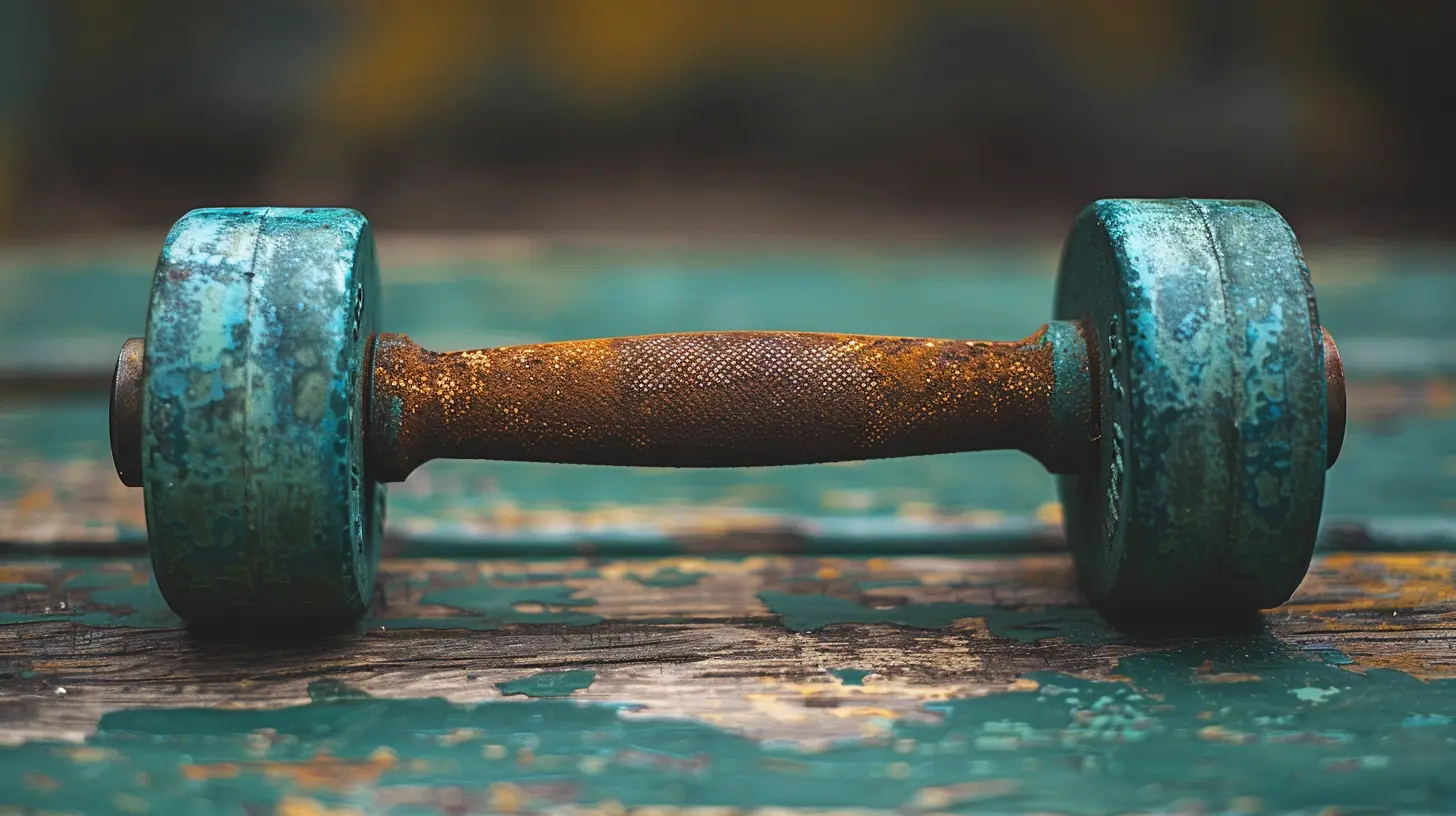
What Is Unilateral Strength Training Anyway?
Let’s start simple: unilateral training means working one limb at a time.Think single-leg squats, single-arm dumbbell presses, Bulgarian split squats, or one-arm rows. Pretty much any exercise where just one side of your body is doing the heavy lifting.
This is the opposite of bilateral training, which means using both arms or legs simultaneously (think barbell squats or pull-ups).
Unilateral moves might seem less intense because you're not lifting massive weights, but they pack a serious punch when it comes to targeting imbalances and building real-world strength.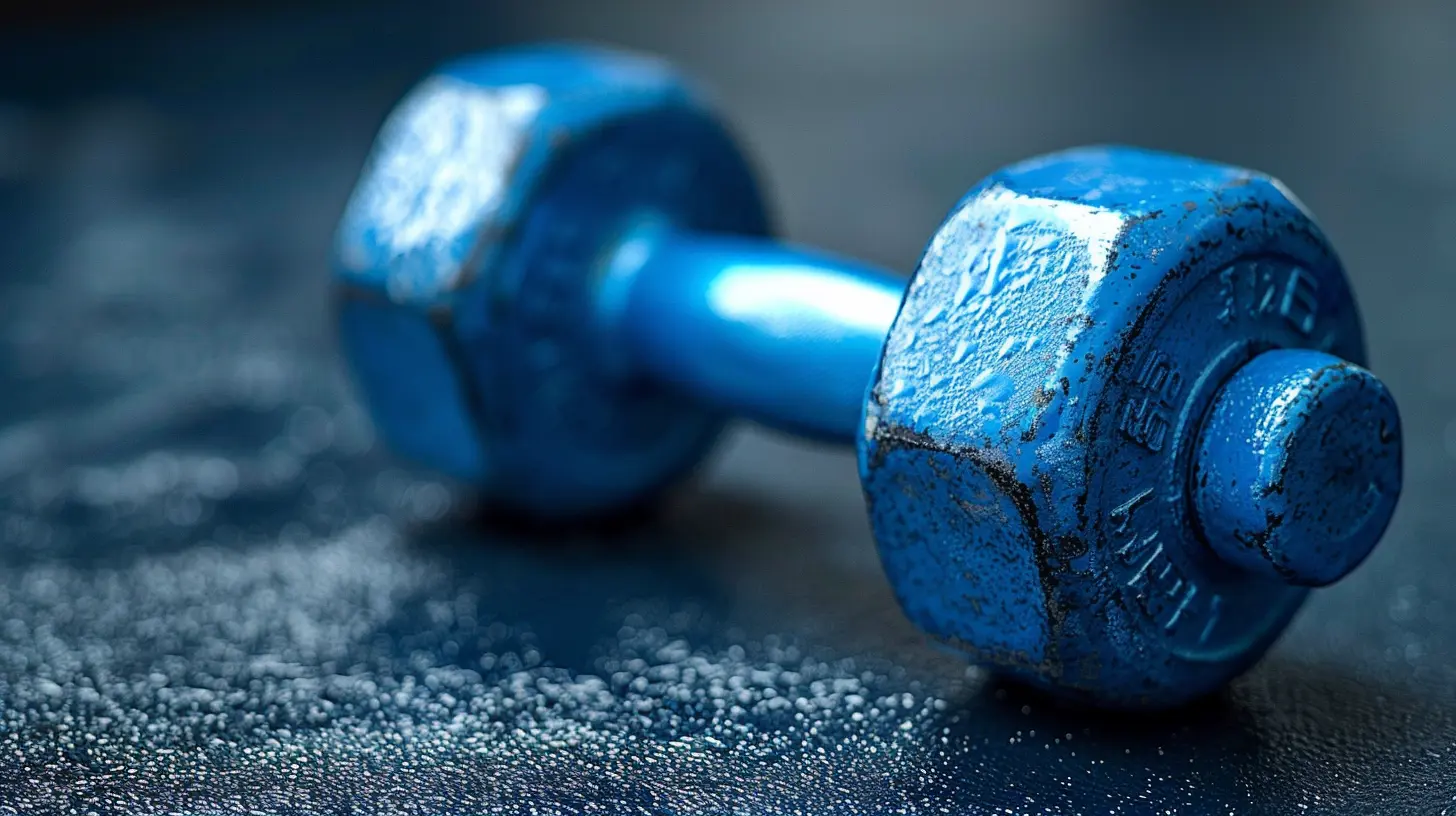
Why Should You Care About Training One Side At A Time?
Great question. You're probably wondering:“Why bother with one side when I could just do more bench presses instead?”
Well, let's talk about that.
1. Fix Muscle Imbalances
Here’s the deal: we all have a dominant side.It might not be super obvious when we’re doing bilateral lifts, but over time, the stronger side ends up pulling more of the weight. That creates – you guessed it – imbalances.
These imbalances don’t just look weird (hello, lopsided traps or uneven quads), they can lead to injuries and poor performance.
By isolating each side, unilateral exercises force both limbs to pull their own weight, literally. No cheating, no coasting.
2. Improve Balance and Stability
Ever tried a Bulgarian split squat and wobbled like a baby giraffe?That’s because unilateral exercises challenge your proprioception—your body’s ability to sense movement and position—and activate stabilizing muscles you didn’t even know you had.
This kind of training is gold for athletes who need to move quickly in multiple directions or people just trying to stay upright on icy sidewalks.
3. Strengthen Your Core (Without a Single Crunch)
That’s right. Unilateral training is like sneaking vegetables into your spaghetti sauce—you're working your core without even trying.When you lift on one side, your body naturally wants to twist or lean. Your core kicks in to counterbalance that. No need for endless sit-ups—just grab a dumbbell in one hand and walk (hello, suitcase carries).
4. Reduce Risk of Injury
Muscle imbalances and poor movement patterns are some of the most common causes of injury—especially in sports.Training one side at a time helps identify weaknesses and correct them before they turn into something serious. It also strengthens smaller stabilizer muscles that often get neglected in regular workouts.
Think of it like building armor from the inside out.
5. Transfer to Real-World & Athletic Movements
Let’s be real—how often do you do things in everyday life or sports using both sides equally?Running, kicking, throwing, picking up your kid, carrying groceries... these are naturally unilateral movements. Training this way simply makes you stronger for the stuff that actually matters.
Unilateral vs. Bilateral Lifts: Which Is Better?
Honestly? It’s not about picking a side (pun totally intended).Both have their place, and ideally, your program includes a healthy mix of unilateral and bilateral movements.
Bilateral lifts let you go heavy and build raw power. But unilateral lifts clean up your movement patterns, patch up weaknesses, and build resilience.
Think of bilateral training as your main course and unilateral training as the secret sauce that pulls all the flavors together.
Best Unilateral Exercises To Add To Your Routine
Let’s not beat around the bush—here are some killer unilateral moves that deserve more love:1. Bulgarian Split Squat
- Targets: Quads, glutes, hamstrings- Why it rocks: Brutal for building leg strength and balance
- Pro tip: Keep your core tight and don’t let that front knee cave in
2. Single-Leg Deadlifts
- Targets: Glutes, hamstrings, core- Why it rocks: Fantastic for stability and posterior chain work
- Pro tip: Use a light dumbbell to start and move slow—you’ll feel the burn
3. Single-Arm Dumbbell Press
- Targets: Chest, shoulders, triceps, core- Why it rocks: Builds pressing power while challenging core stability
- Pro tip: Avoid leaning too far—keep your torso upright
4. One-Arm Row (Dumbbell or Cable)
- Targets: Lats, rhomboids, biceps- Why it rocks: Strengthens your back and corrects pulling imbalances
- Pro tip: Focus on full range of motion to get the most out of it
5. Suitcase Carry
- Targets: Core, grip, shoulders- Why it rocks: Excellent for real-world strength and stability
- Pro tip: Walk slow and tall like you’re balancing a book on your head
Programming Unilateral Work: How Much Is Enough?
Now you might be wondering, “Should I overhaul my whole workout?”Not at all.
You don’t need to go full-on one-side-at-a-time. Just sprinkle in a few key unilateral exercises 2-3 times a week.
Here’s a sample structure:
| Day | Focus | Example |
|-----|-------|---------|
| Monday | Lower Body | Include Bulgarian split squats |
| Wednesday | Upper Body | Try single-arm presses and rows |
| Friday | Core & Stability | Add suitcase carries or single-leg RDLs |
Unilateral exercises work best as accessory movements—meaning after your main lifts. They’ll light up weak links and improve your performance across the board.
Common Mistakes (And How to Avoid Them)
Even though unilateral training seems straightforward, there are a few traps to dodge:❌ Overloading Too Soon
Form > weight. Focus on controlling the movement before stacking plates.❌ Rushing the Reps
Unilateral moves need stability and control. Slow down, feel each rep.❌ Ignoring Range of Motion
Half reps = half results. Work through the full range to build mobility and strength.❌ Skipping the Weak Side
It’s not fun, but your weaker side needs more love. Start with it, and maybe do an extra set.The Mental Side of Unilateral Training
Let’s take a second to talk mindset.Unilateral training forces you to confront some uncomfortable truths—like that one leg is way stronger, or that your balance is a joke. But embracing this kind of training is humbling and powerful.
It’s like cleaning your room after ignoring it for months. It’s not pretty at first, but once it’s done, everything works better.
And that’s the beauty of it. You’re not just building muscles—you’re building symmetry, coordination, and resilience.
Final Thoughts
If you’ve been sleeping on unilateral strength training, it’s time to wake up. Training one side at a time may not look as flashy as maxing out on a squat, but it pays off in better movement, fewer injuries, and more balanced strength.So next time you're programming your workout, throw in a few of these one-sided moves. Your body will thank you—and your performance will prove it.
Nobody wants to be the athlete who crumbles when life throws them off balance. With unilateral training, you’ll stand tall, strong, and stable—on either leg.
all images in this post were generated using AI tools
Category:
Strength TrainingAuthor:

Everett Davis
Discussion
rate this article
1 comments
Journey McKellar
Unilateral strength training enhances balance, corrects muscle imbalances, and improves overall performance. It's a game-changer for athletes seeking functional strength and injury prevention.
October 30, 2025 at 4:35 AM
Everett Davis
Thank you for your insightful comment! I'm glad you highlight the crucial benefits of unilateral strength training for athletes; it truly is a pivotal component for enhancing performance and preventing injuries.