The Economics of College Sports: Who Really Benefits?
23 March 2026
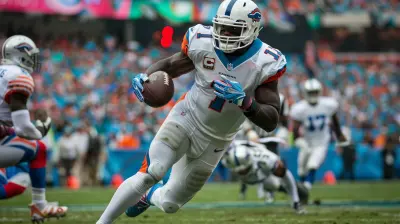
College sports are a multi-billion-dollar industry in the United States. From packed stadiums to lucrative television deals, it's clear that massive amounts of money are circulating in this space. But the real question is—who's actually benefiting from all of this cash flow?
At the heart of the debate are student-athletes, universities, coaches, media networks, and even sponsors. But is the distribution of this wealth fair? Or are some key players being left behind? Let's dive into the economic engine driving college sports and uncover who walks away with the biggest share of the pie.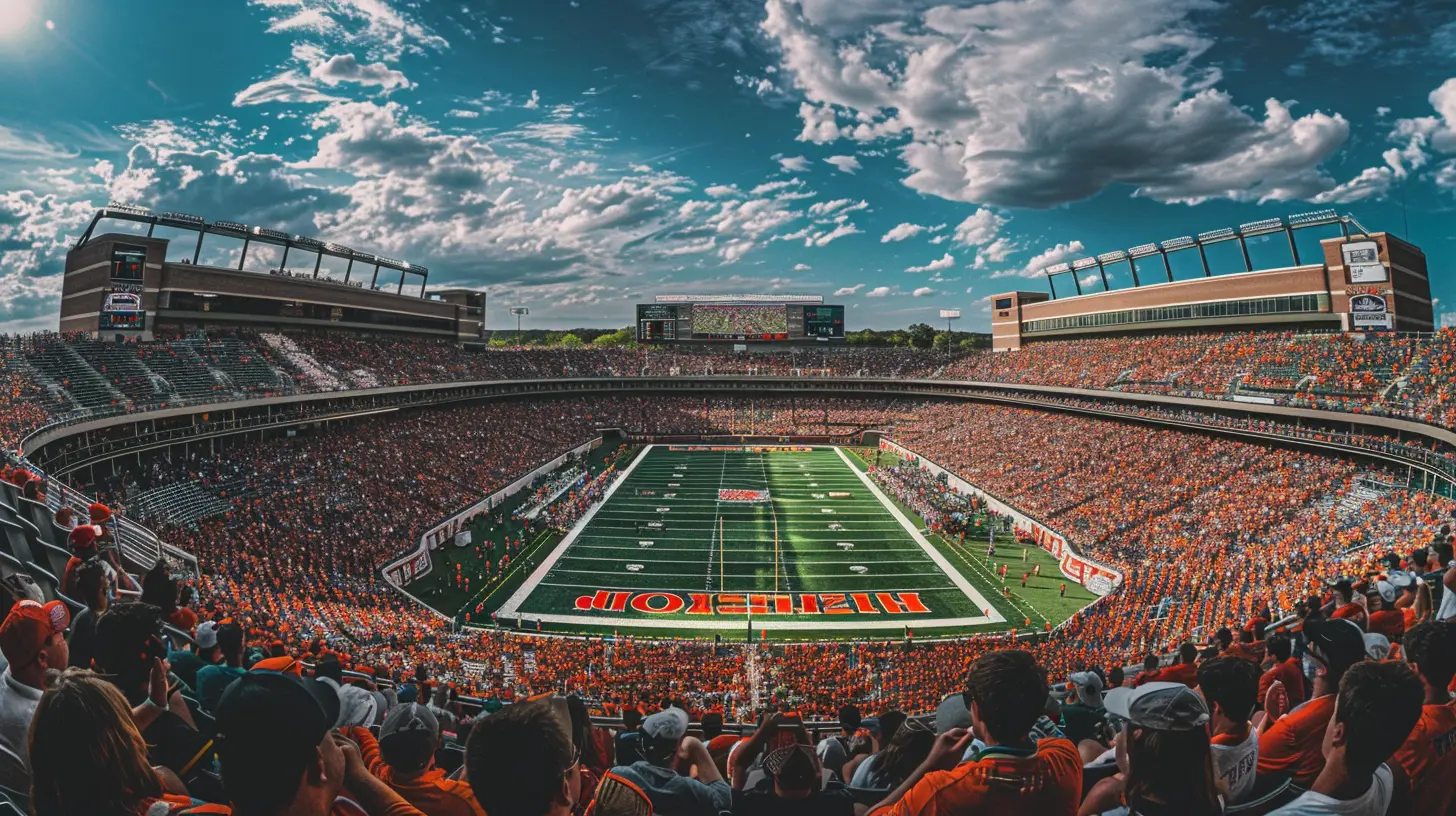
The Massive Money Machine Behind College Sports
College sports, particularly football and basketball, generate eye-popping amounts of revenue. The National Collegiate Athletic Association (NCAA) alone rakes in over $1 billion annually, primarily through media rights deals, sponsorships, and ticket sales. Meanwhile, powerhouse conferences like the SEC and Big Ten negotiate their own multi-million-dollar television contracts.Where Does the Money Come From?
The revenue streams fueling college athletics come from several sources:- TV Deals – Networks like ESPN, CBS, and FOX spend billions for broadcast rights.
- Ticket Sales – Stadiums filled with tens of thousands of screaming fans mean serious cash.
- Merchandising – Jerseys, caps, and memorabilia sales pour millions into university coffers.
- Sponsorships & Licensing – Big-name brands like Nike, Adidas, and Under Armour invest heavily.
- Alumni Donations – Wealthy donors write sizable checks to support their alma maters.
But while the numbers are impressive, the distribution of this wealth isn't exactly spread evenly.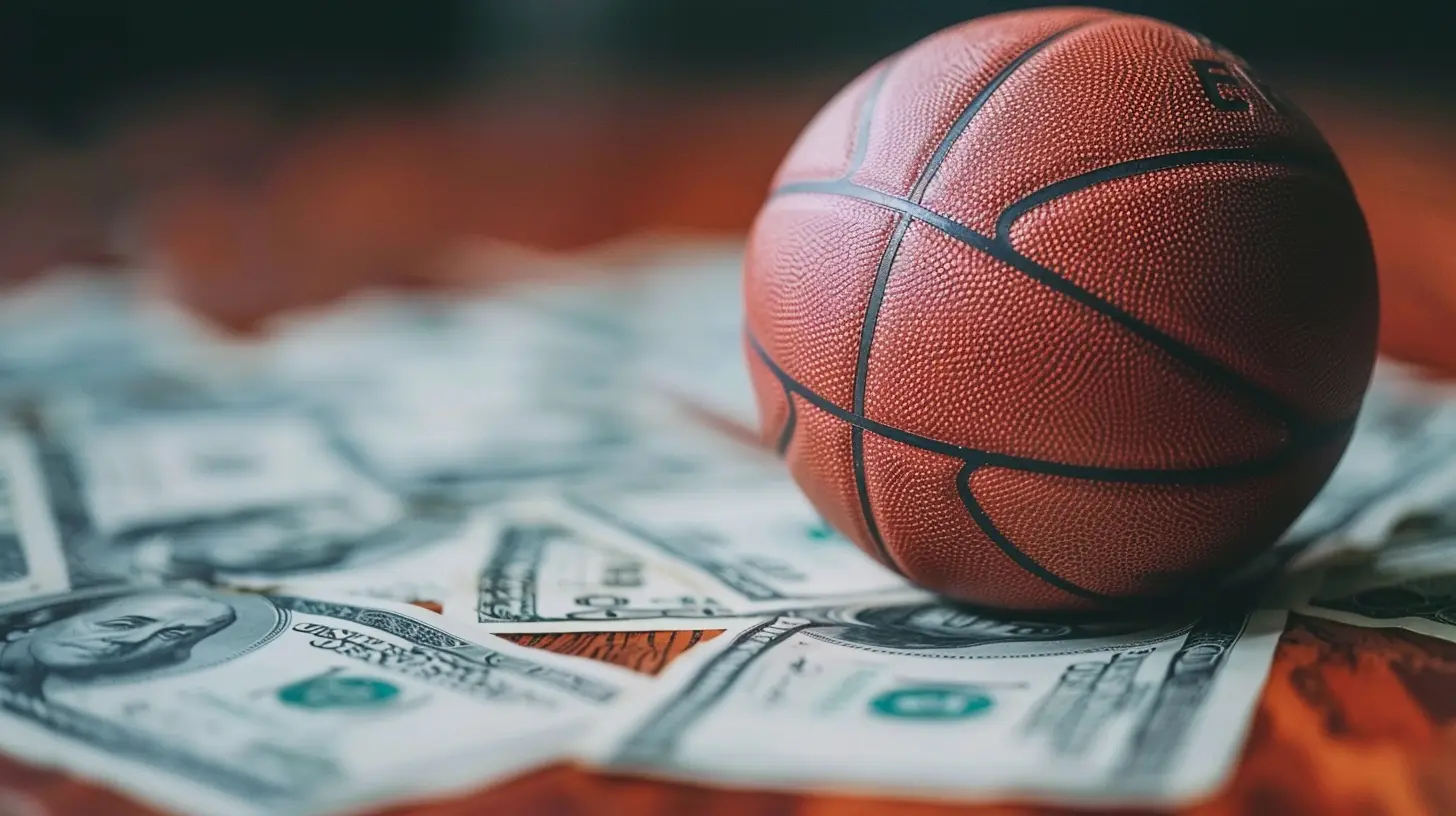
The Big Winners in the College Sports Economy
Not surprisingly, certain parties walk away with hefty profits while others struggle to see meaningful financial benefits. Let's break down the biggest winners.1. Universities and Athletic Departments
Colleges and universities, particularly those with elite athletic programs, make millions from successful teams. A winning football or basketball team boosts enrollment, increases alumni donations, and raises a school's national profile.Many schools reinvest this money into athletic facilities, hiring top-tier coaches, and expanding their programs. However, in many cases, profits from revenue-generating sports (football and basketball) subsidize non-revenue sports like swimming, wrestling, or track and field.
2. Coaches and Administrators
Ever wonder why some college coaches are among the highest-paid public employees in their states? It's because elite coaches wield immense power in the sports economy.For example, top football and basketball coaches often earn multi-million-dollar contracts, with lucrative bonuses and endorsement deals on top. Meanwhile, athletic directors securing TV and sponsorship contracts also take home sizable salaries.
3. Media Companies and Advertisers
TV networks that secure broadcasting rights to major college sporting events make astronomical profits through advertising. March Madness alone brings in nearly $1 billion in ad revenue, while college football playoffs see similar numbers.Advertisers, from car manufacturers to beer brands, use these platforms to reach millions of dedicated fans. The bigger the audience, the more money TV networks and advertisers pocket—making college sports a golden goose for media companies. 
Who Gets the Short End of the Stick?
While many rake in massive profits, others don't see nearly the same financial rewards. The biggest debate in college sports economics centers around student-athletes.1. Student-Athletes: The Workforce Without Pay
For decades, student-athletes were expected to generate billions of dollars in revenue while receiving zero compensation beyond scholarships. Although the NCAA has introduced policies allowing athletes to earn money through Name, Image, and Likeness (NIL) deals, this is far from a full financial solution.Consider this: A star quarterback at a major university could generate millions in ticket sales, TV deals, and merchandise sales—but outside of NIL deals, he technically receives no direct salary.
2. Title IX and Non-Revenue Sports
Another fundamental issue is that most college sports don’t make money. Football and men’s basketball usually cover costs for dozens of other sports within a university.Title IX, the law ensuring gender equity in collegiate sports, has helped women's programs gain more support, but funding gaps still exist. If football and basketball programs struggle, the smaller sports are often the first to face budget cuts.
3. The Cost to Athletes: Risk Without Guarantees
Here’s the harsh reality: College athletes face enormous physical and mental pressure without financial security. Unlike professional athletes, they don’t have guaranteed contracts. A career-ending injury can end a scholarship and leave an athlete without a degree, minimal financial resources, and no professional future in the sport they dedicated years to mastering.
The Impact of NIL (Name, Image, and Likeness) Deals
The game started to change when the NCAA finally allowed college athletes to profit from their Name, Image, and Likeness (NIL). This means athletes can now sign sponsorship deals, make money from endorsements, or even monetize their social media platforms.However, NIL deals aren't a perfect fix for the imbalance.
- Only high-profile athletes benefit – A star quarterback might land a six-figure endorsement contract, while a volleyball player might struggle to find sponsors.
- Creates inequality within teams – Some athletes rake in NIL money while their teammates earn nothing, leading to potential locker-room tension.
- Bigger schools have an edge – Schools in major media markets or with strong alumni networks give their athletes better NIL opportunities.
Still, NIL does help athletes claim a piece of the pie, even if it's not a fair split just yet.
Should College Athletes Be Paid Salaries?
This is one of the most debated topics in sports. Should student-athletes receive an actual salary beyond scholarships and NIL deals?Arguments For Paying Athletes
- They generate billions in revenue – Athletes risk their health and dedicate their time to a system making billions, yet they see little financial gain.- A fair wage for their labor – They essentially function as unpaid laborers in a high-stakes industry.
- Reduces financial struggles – Many student-athletes face financial hardships despite the public perception that scholarships cover everything.
Arguments Against Paying Athletes
- Scholarships are already compensation – Many argue that a free education, housing, and exposure to professional leagues are sufficient benefits.- Financial strain on universities – If athletes were paid, how would smaller colleges afford it?
- Impact on amateurism – A salary-based system could blur the lines between college and professional sports.
While no perfect solution exists, momentum is shifting toward some form of direct compensation for student-athletes beyond scholarships and NIL deals.
The Future of College Sports Economics
As the NCAA adapts to modern pressures, major changes could be on the horizon. Here’s what to keep an eye on:1. Revenue Sharing
Some experts predict a future where athletes receive a share of TV revenue similar to how professional leagues distribute money among players.2. Increased Unionization
Could college athletes form unions? The idea is gaining traction, which could lead to athletes negotiating better financial terms.3. Restructuring the NCAA Model
Power conferences might break away from the NCAA, creating their own financial model that treats athletes more like professionals.One thing's for sure: The status quo won’t last forever. Student-athletes are beginning to recognize their worth, and the pressure for change is greater than ever.
Final Thoughts: Who Really Wins?
At the end of the day, the biggest moneymakers in college sports remain universities, media companies, and high-profile coaches—while student-athletes get the short end of the stick. Yes, NIL deals have provided more opportunities, but it's still a far cry from true financial fairness.The debate over paying athletes is far from over, and as the business of college sports continues to expand, it's only a matter of time before a more equitable model emerges.
What do you think? Should college athletes be paid? Or is the current system fair? Drop your thoughts in the comments!
all images in this post were generated using AI tools
Category:
College SportsAuthor:

Everett Davis
Discussion
rate this article
2 comments
Isadora McKinnon
While college sports generate significant revenue, the real beneficiaries are often the institutions and coaches, not the athletes. It's time to reevaluate the system and ensure that student-athletes receive fair compensation and support for their contributions to these lucrative programs. Change is overdue.
April 2, 2026 at 12:08 PM
Everett Davis
I completely agree. It's crucial to reassess the current system to ensure that student-athletes receive fair compensation and support, reflecting their contributions to college sports revenue. Change is indeed overdue.
Yvette Bass
This article raises crucial questions about the financial dynamics of college sports. It's vital to consider how revenue impacts players, institutions, and fans alike. A balanced approach can ensure that the sport remains enjoyable and equitable for all stakeholders.
March 26, 2026 at 1:54 PM
Everett Davis
Thank you for your insightful comment! I completely agree that balancing the financial interests of all stakeholders is key to preserving the integrity and enjoyment of college sports.