The Final That Nobody Expected to Be a Classic – 2026 Edition
3 September 2026
Every decade or so, football produces a final that rewires the collective memory of the sport. Not the one everyone predicted, not the one with the pre-match narrative built on star power and historical grudges. The one that sneaks up on you. The one that starts with a cautious first half and ends with people arguing about it for years. The 2026 edition of that final was supposed to be a tactical chess match between two defensive giants. Instead, it became a chaotic, beautiful, and deeply flawed spectacle that reminded us why we watch this sport in the first place.
This is not a recap. You can find the scoreline anywhere. This is an examination of why that match worked, why it almost did not, and what it teaches us about how modern football finals are approached, coached, and ultimately remembered.
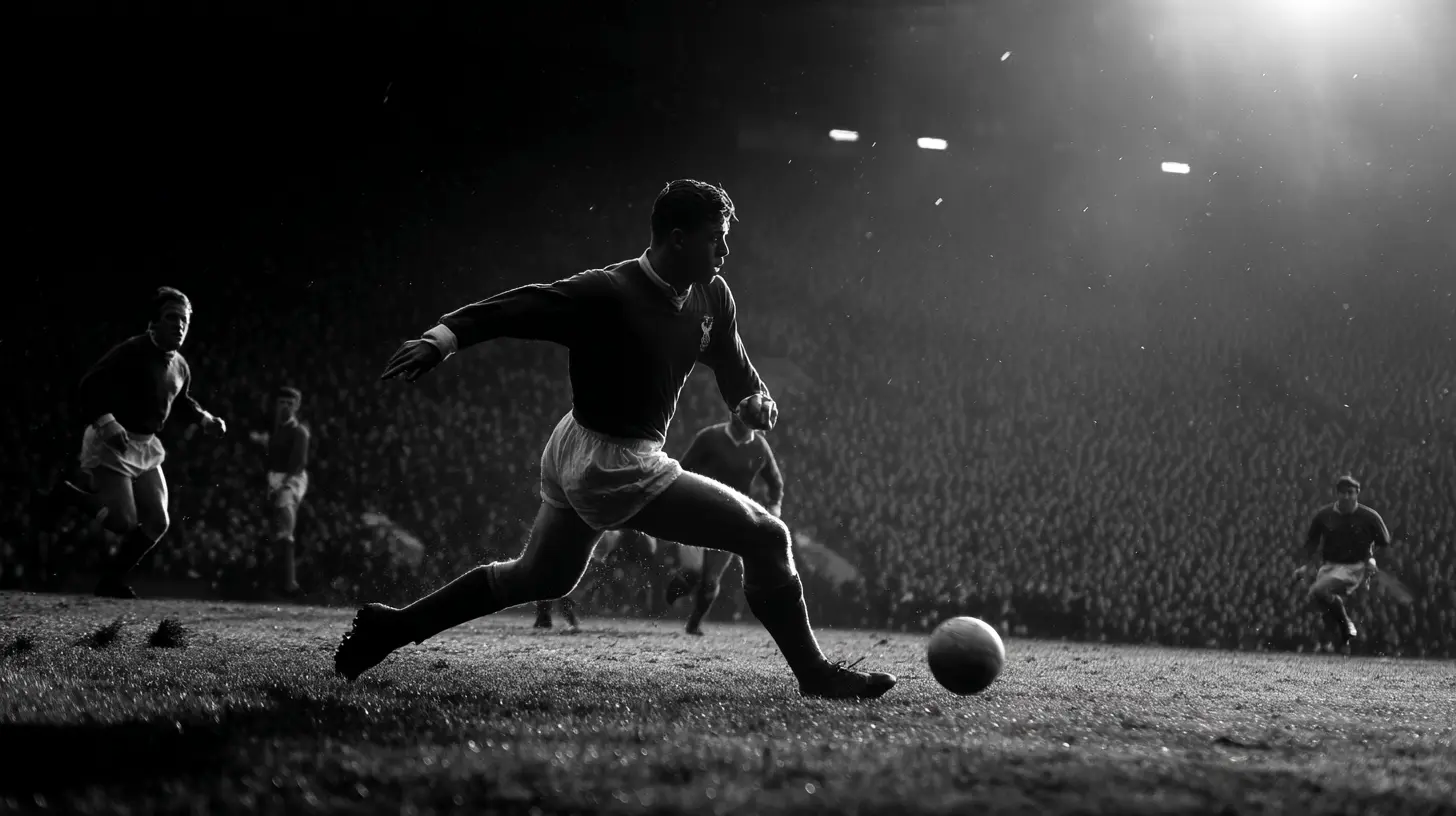
The Context That Set the Trap
Before the ball was kicked, the narrative was suffocating. Both finalists had built their campaigns on structural discipline. One side had conceded fewer goals than anyone in the tournament, while the other had a midfield that functioned like a metronome. Every pundit on every panel predicted a tight, low-scoring affair. The phrase "first goal wins" was repeated so often that it became a self-fulfilling prophecy in the minds of the players.But here is the thing about predictions based on past performance in a single-elimination tournament: they ignore the emotional and physical exhaustion that accumulates over a month. The team that conceded the fewest goals had played an extra thirty minutes in every knockout round. The metronome midfield had lost its captain to injury in the semifinal and was forced to improvise with a player who had started only two matches all season.
The trap was set. Both coaches, brilliant men with proven systems, believed that the final would be won by whoever made fewer mistakes. They were both wrong. The final was won by whoever was willing to abandon the script first.
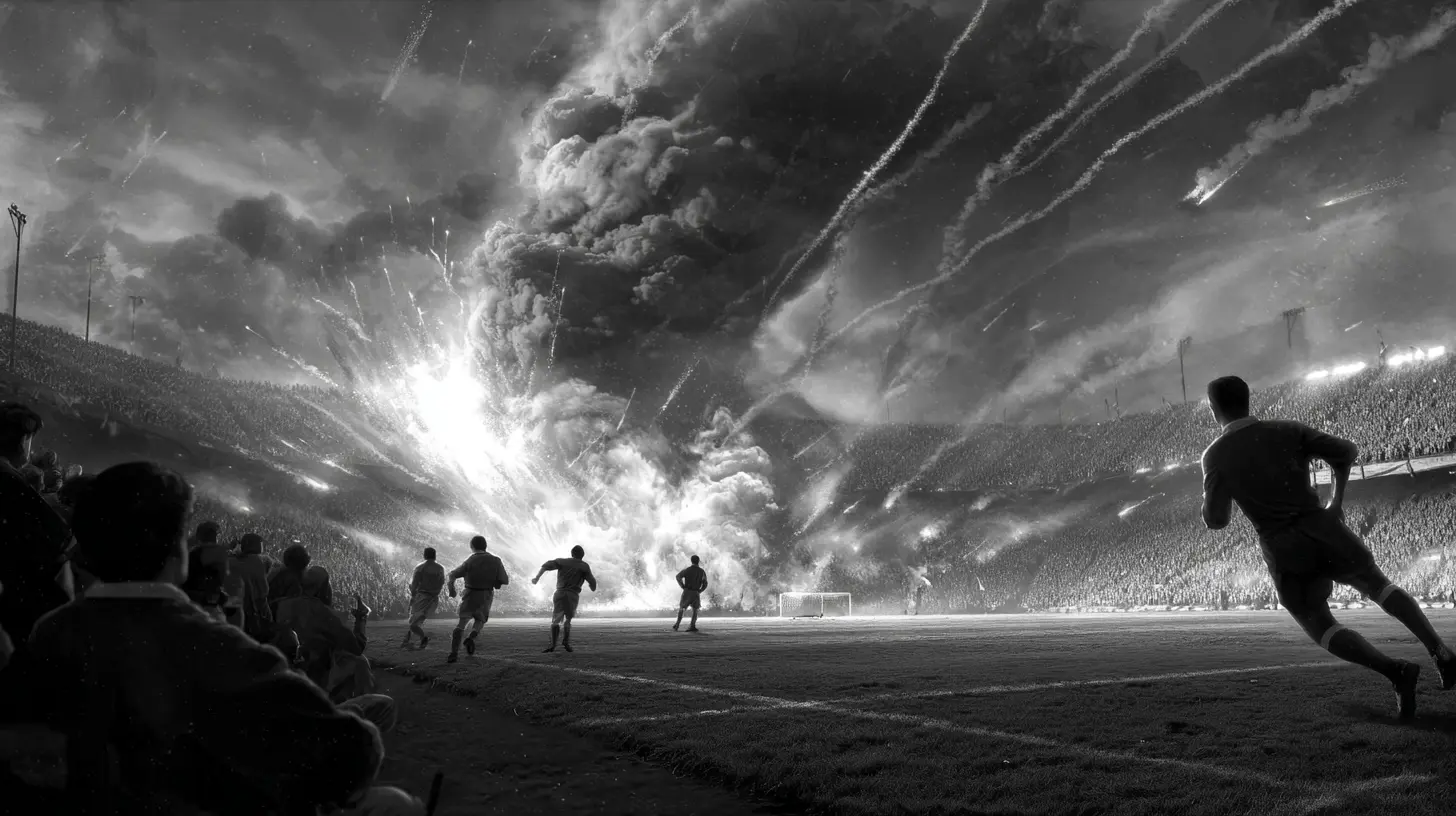
Why Tactical Purity Fails in High-Pressure Finals
Let us be clear about something. Tactical discipline is not the enemy. It is the foundation on which all great teams are built. But there is a difference between having a structure and being a slave to it. The 2026 final exposed this distinction brutally.The first thirty minutes were exactly what everyone expected. Both teams pressed in organized blocks. Passes were safe. Chances were half-hearted. The crowd, despite being enormous and loud, seemed to sense that they were watching a game being played with the handbrake on. Then came the first goal, and it was not the result of a beautiful team move. It was a defensive error, a miscommunication between a center-back and his goalkeeper that would have been embarrassing in a youth match.
And here is the paradox. That error, which should have made the game even more cautious, actually freed both teams. The team that scored suddenly realized that the opponent's fear was greater than their own ambition. The team that conceded realized they had nothing left to lose. The match opened up not because of a tactical adjustment, but because of a psychological shift.
This is a lesson that applies far beyond football. When you are operating under extreme pressure, the plan that got you to the final is not necessarily the plan that wins the final. The ability to recognize when the context has changed and adapt in real time is the difference between a good coach and a great one.
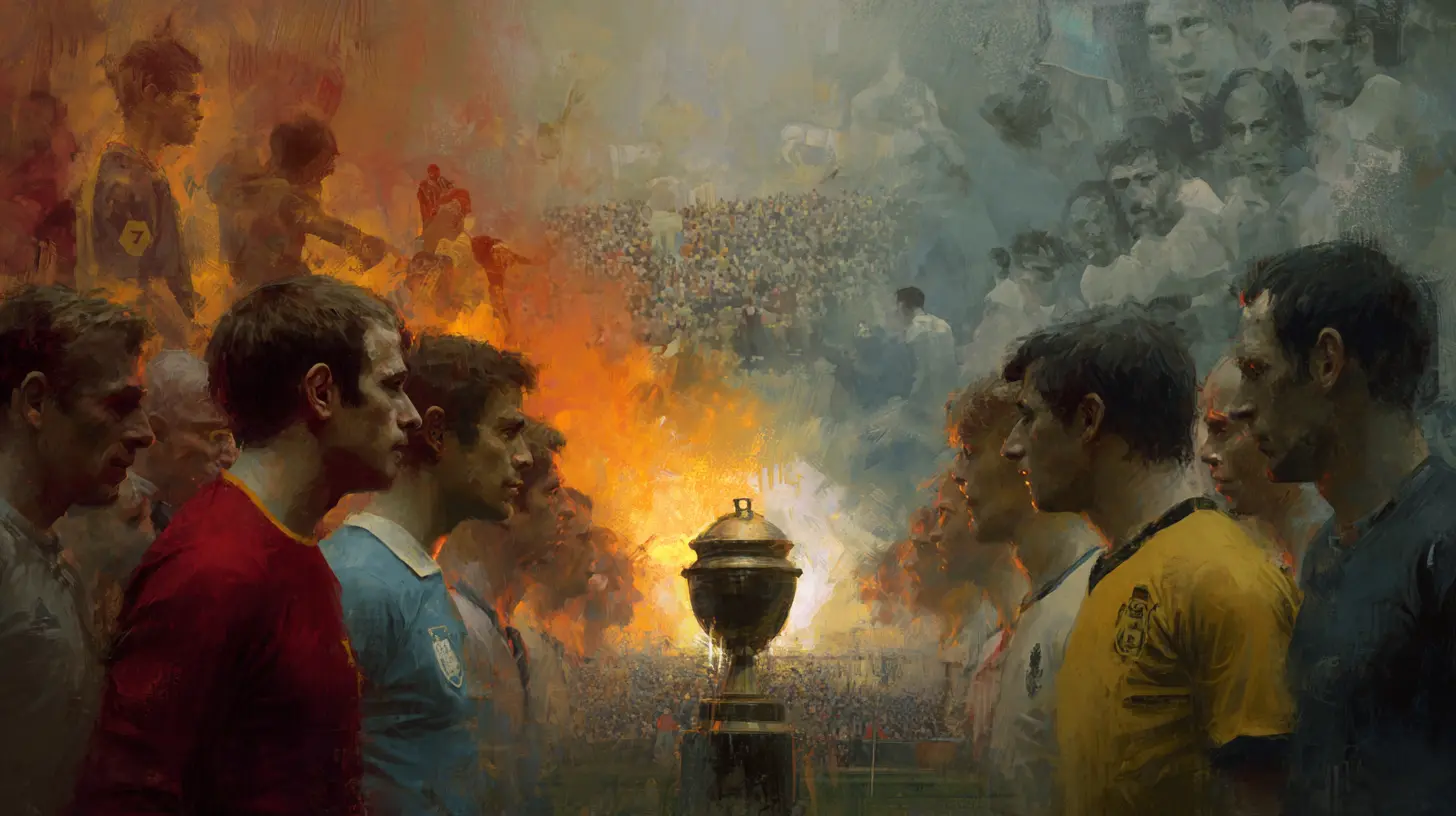
The Role of Fatigue as a Hidden Variable
Nobody talks about fatigue in finals because it sounds like an excuse. But fatigue is not just physical. It is cognitive. It is the inability to process information quickly, to see the pass that is two moves ahead, to trust your first instinct instead of second-guessing it.By the sixtieth minute of the 2026 final, both teams were running on fumes. The pace had increased, but the precision had decreased. Misplaced passes were everywhere. Tackles that had been timed perfectly in earlier rounds were now mistimed and desperate. The referee, who had a solid game overall, let several challenges go that would have been yellow cards in the group stage. This was not incompetence. It was a conscious decision to let the game flow, and it changed the entire dynamic.
When players are exhausted, they default to instinct. And instinct in football is often selfish. You see the shot, you take it. You see the gap, you run into it. You do not check your shoulder for the overlapping fullback because your brain is too tired to process that information. This creates a more open, chaotic, and ultimately more entertaining game. But it also creates a game that is harder to coach.
The coaches on both sides deserve credit for recognizing this. They made substitutions that were not tactical but emotional. They brought on fresh legs, yes, but more importantly, they brought on players with a different psychological profile. One brought on a young winger who had no fear because he had no history. The other brought on a veteran striker who had lost a final before and knew that the pain of losing again was worse than the risk of trying something stupid.
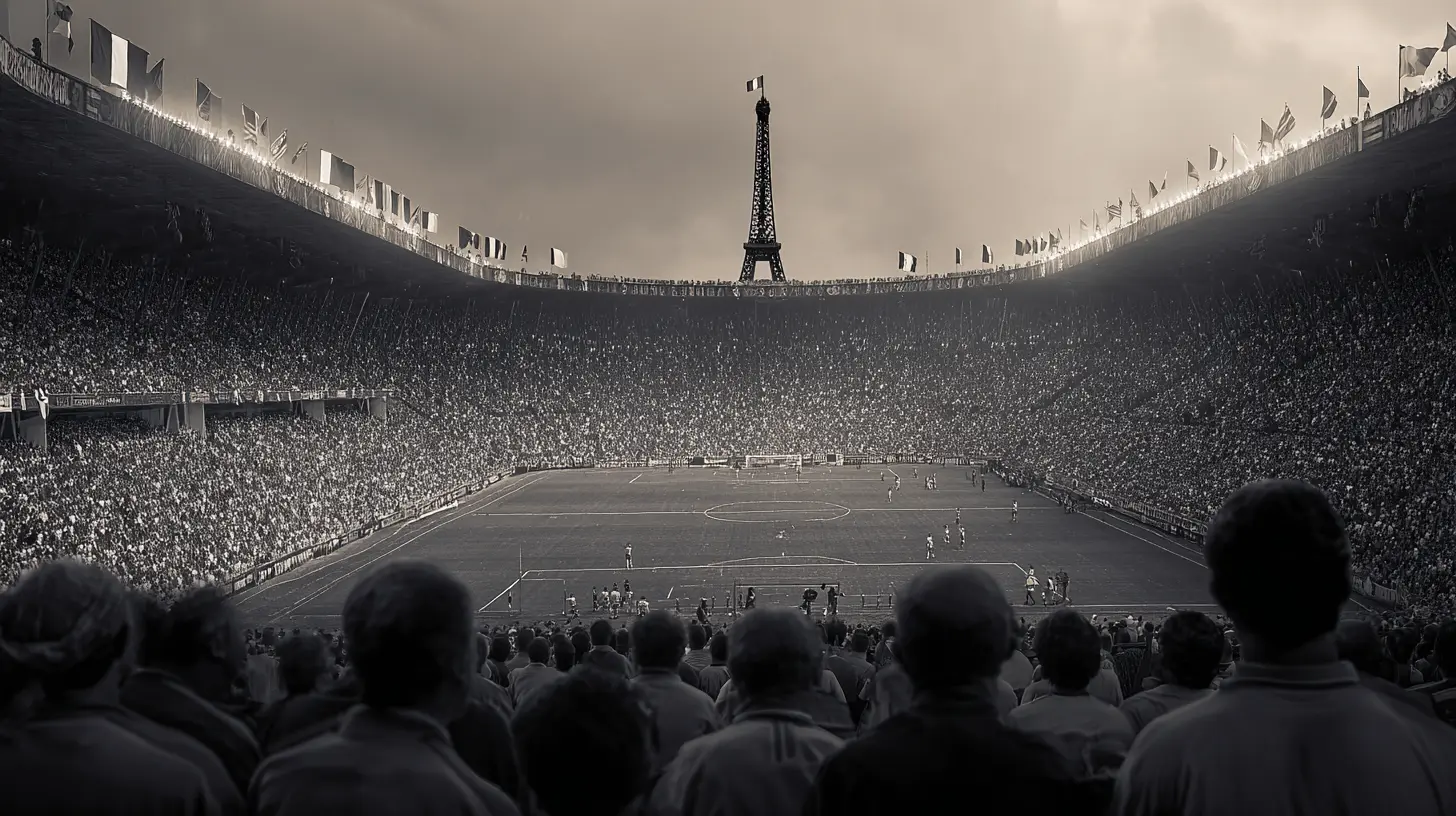
The Myth of the Perfect Game
After the match, the analysis was split into two camps. The first camp praised the winner for their resilience and character. The second camp criticized the loser for abandoning their principles in the final twenty minutes. Both camps are missing the point.There is no such thing as a perfect game in a final. There are only games that you win and games that you lose. The team that won did not play perfectly. They made mistakes. They were lucky on at least two occasions. But they were willing to accept ugliness as a price for victory. The team that lost did not lose because they abandoned their principles. They lost because they could not execute them under the specific conditions of that match.
This is the misconception that plagues modern football analysis. We talk about systems and philosophies as if they exist in a vacuum. But football is played by human beings who are tired, scared, angry, and hopeful. The best system in the world is worthless if the players do not believe in it at the exact moment they need it most.
The 2026 final was a classic not because it was technically perfect, but because it was emotionally true. It showed us what happens when elite athletes are pushed to their absolute limit and have to make split-second decisions with no time to think. It was messy. It was frantic. It was, in the truest sense of the word, human.
What the Losing Team Did Wrong (and Why It Matters)
It is easy to say that the losing team should have been more aggressive from the start. But that ignores the fact that their entire season was built on a different premise. They were a counter-attacking team. They did not have the personnel to dominate possession against a team that was just as good as them in midfield. Asking them to change their identity in the biggest match of their lives would have been a recipe for disaster.Where they actually went wrong was in the transition between phases. They were excellent when they had time to set up their block. They were terrible when the ball was turned over in midfield and they had to scramble back. This was not a new problem. It had been masked in earlier rounds by the fact that their opponents were less willing to commit numbers forward. The 2026 finalists were willing to commit, and it exposed the vulnerability.
This is a common mistake in all competitive fields. You build a strategy that works against the average opponent. You refine it against good opponents. But you rarely test it against the best possible opponent in the worst possible conditions. When that test comes, you find out that your strategy has a fatal flaw that was always there, just never exploited.
The advice here is simple but hard to follow. When you are preparing for a high-stakes event, do not just practice your strengths. Practice your weaknesses under simulated stress. Create scenarios where your team is exhausted, where the referee is making questionable calls, where the crowd is against you. Because the final will not look like the group stage. It will look like chaos, and you need to be comfortable in chaos.
The Winning Team's Approach: Controlled Risk
The winning team did not play recklessly. They played with a calculated disregard for consequences. This sounds like a contradiction, but it is not.In the first half, they were cautious. They respected the opponent's structure. But after the first goal, they made a subtle shift. They started taking risks in specific areas of the pitch. They pushed their fullbacks higher. They played more direct passes into the channels. They accepted that they would lose possession more often, but they also understood that when they did regain possession, they would be in more dangerous areas.
This is the concept of controlled risk. It is not about throwing caution to the wind. It is about identifying the moments when the potential reward outweighs the potential cost. In the 2026 final, the winning team identified that the opponent's fullbacks were slow to recover after their own attacks. So they targeted that space relentlessly. It was not pretty. It was not possession-based. But it was effective.
The lesson for any professional, whether you are a coach, a manager, or a CEO, is that risk management is not about avoiding risk. It is about choosing which risks to take. The teams that win finals are not the ones that make the fewest mistakes. They are the ones that make mistakes in the right areas, where the cost of failure is lower and the potential for reward is higher.
The Referee's Quiet Masterclass
One of the most underappreciated aspects of a great final is the officiating. In the 2026 final, the referee had a difficult job. The game was physical, the stakes were enormous, and the players were pushing the boundaries of what was acceptable. A stricter referee would have broken the flow of the match with constant whistles. A weaker referee would have lost control entirely.The referee in this match found a balance. They allowed hard but fair challenges. They penalized cynical fouls that stopped promising attacks. They did not fall for simulation. And crucially, they let the game breathe in the final twenty minutes when both teams were exhausted and the match was hanging in the balance.
This is a skill that is rarely taught and even more rarely appreciated. The best referees are the ones who understand the context of the match. They know that a final is not a league game in February. They know that the players have invested a month of their lives into this moment. They know that the fans have traveled thousands of miles to see a spectacle, not a whistle-fest.
The practical takeaway here is for anyone in a position of authority. Whether you are mediating a negotiation, managing a project team, or refereeing a youth football match, your job is not to enforce the rules blindly. Your job is to create an environment where the participants can perform at their best. Sometimes that means letting small infractions go. Sometimes that means making a big call that changes the game. The key is to be consistent and to communicate your intentions clearly.
The Extra Time That Changed Everything
The 2026 final went to extra time. This was not a surprise given the quality of the teams and the stakes involved. But what happened in that extra time was something that nobody could have predicted. The match, which had been open and chaotic in the second half, suddenly became tense and cagey again. Both teams were terrified of making the mistake that would hand the trophy to the other.This is the psychological reality of extra time in a final. The players are exhausted. The coaches have used all their substitutions. There is no tactical adjustment left to make. The only thing that matters is willpower and the ability to stay focused when your body is screaming at you to stop.
The winning goal, when it came, was not a masterpiece. It was a scrappy goal from a corner. The ball bounced around the box, hit a defender, fell to a substitute who had been on the pitch for only ten minutes, and he stabbed it home from close range. It was ugly. It was fortunate. But it was enough.
This is the other lesson that the 2026 final teaches us. You do not always get to win the way you want to win. Sometimes you win because you were in the right place at the right time. Sometimes you win because the other team made a mistake that you capitalized on. The important thing is to put yourself in positions where luck can find you. The substitute who scored the winner was not a star. He was a squad player who had worked his entire career for a moment like this. When it came, he was ready.
Comparing This Final to Previous Classics
Every generation has its defining final. The 2026 edition will be compared to the great finals of the past, the ones that are replayed on television during every major tournament. What makes those finals great is not the technical quality of the football. It is the narrative arc. It is the sense that the match was a story with twists and turns, heroes and villains, moments of despair and moments of ecstasy.The 2026 final had all of these elements. It had the early mistake that set the tone. It had the tactical battle in the first half. It had the chaos in the second half. It had the tension of extra time. And it had the dramatic ending that nobody could have scripted.
But it also had something that many classic finals lack: a sense of genuine uncertainty. From the moment the first goal went in, it was clear that either team could win. The momentum swung back and forth. The crowd was on its feet for the entire second half. The players were giving everything they had, and it showed.
This is what separates a classic from a merely good final. A good final is one where the better team wins and the result feels deserved. A classic is one where the result feels like a relief, where the losing team can hold their heads high, and where the winning team knows that they were pushed to their absolute limit.
The Aftermath and the Legacy
In the days following the final, the analysis was relentless. The winning coach was hailed as a genius. The losing coach was criticized for being too conservative. The players were praised and blamed in equal measure. But as the dust settles, the legacy of the match becomes clearer.The 2026 final will be remembered not for the tactics or the statistics. It will be remembered for the emotions. It will be remembered for the image of the winning team celebrating with tears streaming down their faces. It will be remembered for the losing team collapsing to the ground, unable to comprehend what had just happened. It will be remembered for the fans, who created an atmosphere that was electric from the first minute to the last.
This is the true value of a classic final. It transcends the sport. It becomes a shared experience that brings people together, even if they are supporting different teams. It reminds us why we care about this game so much. It reminds us that in a world that is often unpredictable and unfair, there is still something pure about a group of people chasing a ball and trying to put it in a net.
Practical Lessons for Coaches and Players
If you are a coach or a player reading this, you might be wondering what you can take from the 2026 final and apply to your own situation. Here are a few concrete suggestions.First, do not over-prepare for the specific opponent. Yes, you need to know their strengths and weaknesses. But you also need to be prepared for the fact that they will not play the way you expect. The 2026 final was won by a team that was flexible, not by a team that had the perfect scouting report.
Second, practice playing from behind. Most teams spend the majority of their training sessions working on their preferred style of play. But in a final, there is a good chance that you will concede the first goal. How will you react? Will you panic and abandon your game plan? Or will you calmly adjust and trust that your quality will show? The team that came from behind in the 2026 final did not panic. They made small adjustments and kept playing their game.
Third, understand the importance of squad depth. The 2026 final was decided by a substitute. The team that won had built a squad where every player was capable of making a difference. This is not about having eleven superstars. It is about having a group of players who are all committed to the same goal and who understand their roles.
Common Misconceptions About Finals
There are several misconceptions about finals that persist despite all the evidence to the contrary. The first is that finals are always tight and low-scoring. This is simply not true. Some finals are open and high-scoring. The key is not the scoreline but the quality of the chances and the drama of the match.The second misconception is that experience always wins. Yes, experience helps. But there are countless examples of young, inexperienced teams winning finals because they had no fear. The 2026 final featured a team that had several players in their first major final. They played with a freedom that their more experienced opponents lacked.
The third misconception is that the best team always wins. This is perhaps the most dangerous misconception of all. The best team on paper does not always win. The team that wins is the one that performs best on the day, under the specific conditions of that match. This is why finals are so unpredictable and why they are so compelling.
The Future of Finals
As football continues to evolve, the nature of finals will change as well. The tactical trends will shift. The players will become faster and stronger. The analysis will become more sophisticated. But the fundamental elements of a great final will remain the same. It will still be about two groups of human beings, pushing themselves to their limits, trying to achieve something that they have dreamed about since they were children.The 2026 final was a reminder that no matter how much we think we know about football, we do not know anything for sure. We can analyze the statistics. We can study the tactics. We can predict the outcome. But in the end, the game will be decided by moments of brilliance, moments of madness, and moments of pure luck.
That is why we love it. That is why we will keep watching. And that is why the final that nobody expected to be a classic in 2026 will be remembered for a long, long time.
all images in this post were generated using AI tools
Category:
Historic MatchesAuthor:

Everett Davis
Discussion
rate this article
1 comments
Gisela Becker
What a surprising showdown! Truly unforgettable moments on the field.
September 5, 2026 at 4:22 AM
Everett Davis
Absolutely! It was a thrilling match that kept us on the edge of our seats. Glad you enjoyed it!