The Impact of Sleep on Strength Gains and Muscle Recovery
7 December 2025
Let’s be honest—when we think about building strength and muscle, sleep is rarely the first thing that comes to mind. Our attention usually goes straight to training programs, protein shakes, and reps at the gym. But here’s the kicker: without quality sleep, all those efforts can go to waste. It’s like trying to fill a bucket with a hole in the bottom.
If gains are your goal, sleep needs to become your secret weapon.
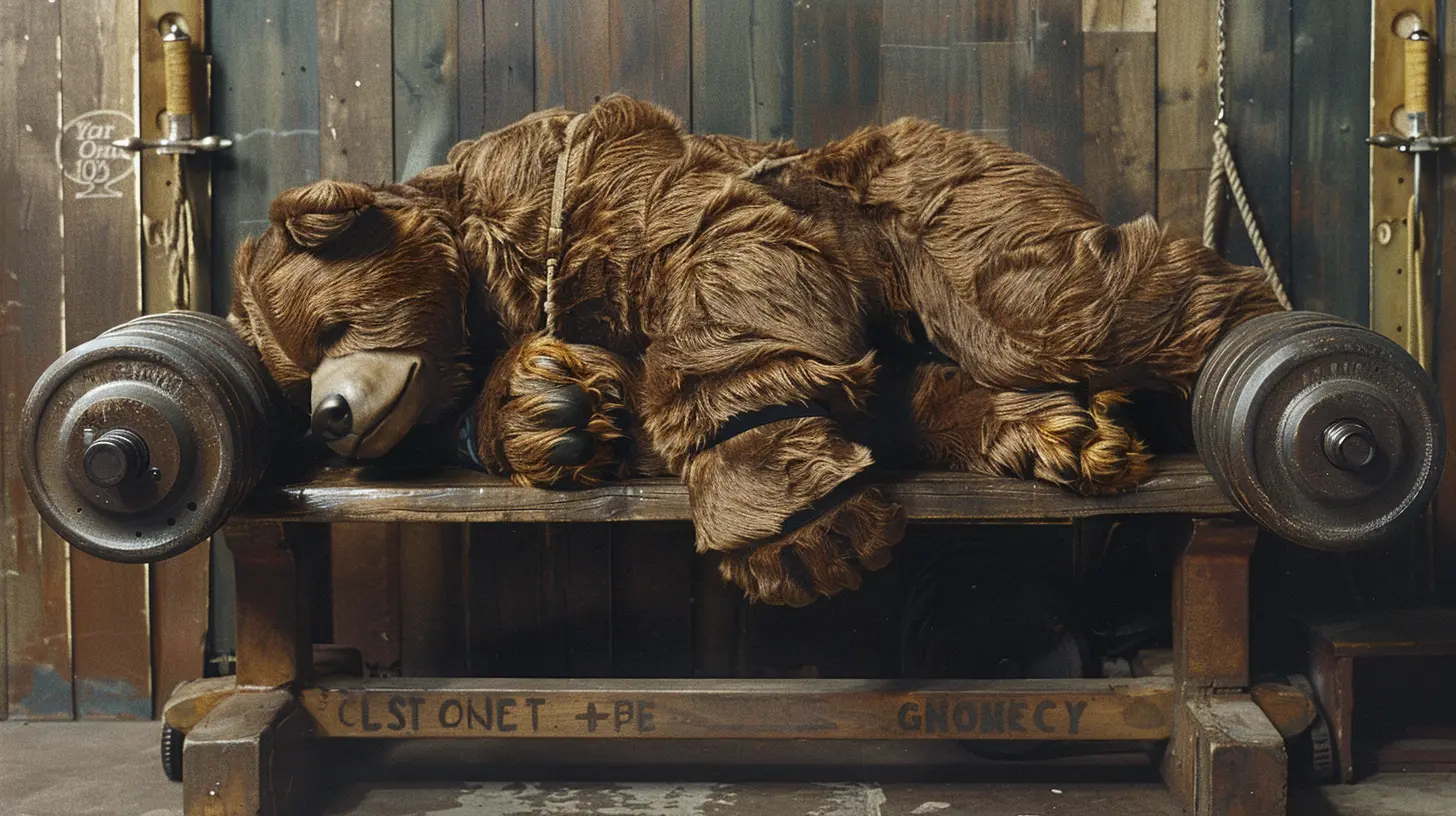
Why Sleep Deserves a Spot on Your Training Plan
Think about this for a second… how do you feel after a rough night of sleep? Sluggish? Foggy? Like you're dragging a piano behind you? That’s because during sleep, your body does more than just rest—it repairs, regenerates, and recharges.So if you’re hitting the gym hard but skimping on sleep, you're short-changing your progress.
Sleep Fuels Muscle Repair
Every time you lift a weight, you’re actually causing microscopic tears in your muscle fibers. It sounds scary, but it’s totally normal. The real magic happens when your body repairs those tiny tears and builds your muscles back stronger—that’s how you grow.And guess what? Most of that repair process happens while you’re asleep, especially during deep sleep. That’s when your body releases growth hormone, which is basically your internal muscle-builder.
Skipping sleep? Say goodbye to that natural boost in recovery and muscle development.
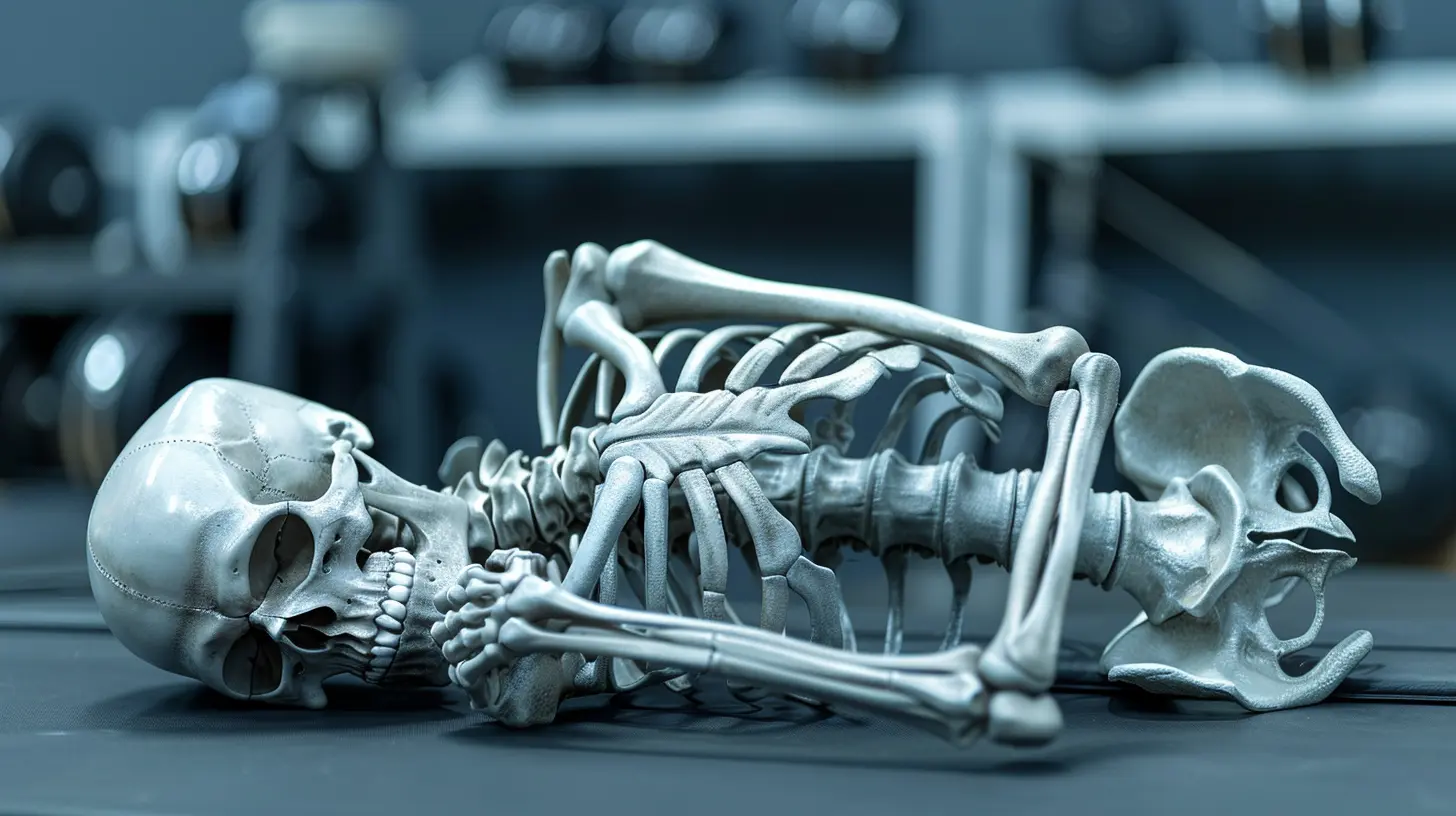
The Sleep-Growth Hormone Connection
Okay, let’s get a little nerdy here—but I promise it’s worth it.When you hit deep sleep (also known as slow-wave sleep), your body starts pumping out human growth hormone (HGH). This hormone does everything from stimulating tissue growth to burning fat. It’s essential for recovery, and without it, you’re not performing or recovering at 100%.
Think of HGH as the foreman on a construction site. Without him, the workers (your muscles) don’t know what to do. Your body loses direction, and strength gains stall.
So if you're wondering why your progress has plateaued, the culprit could be hiding under your own pillow.
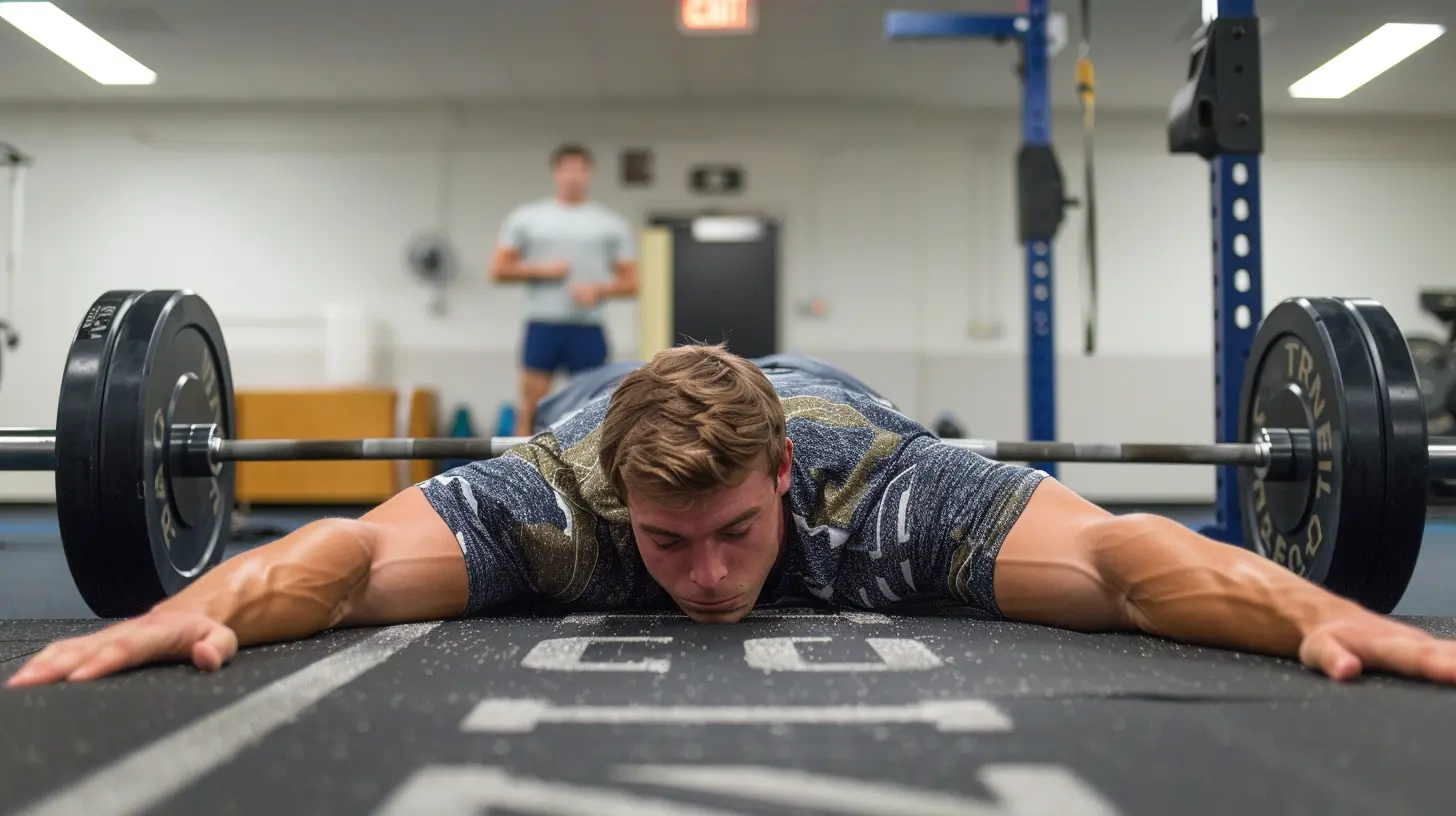
How Sleep Impacts Strength Gains
Alright, we’ve talked about recovery, but let’s talk about raw strength. You know, the kind that lets you throw around big plates like they’re paperweights.Sleep and Physical Performance
Sleep plays a massive role in your neuromuscular function. That’s a fancy way of saying it helps your brain and muscles communicate better. If you’re sleep-deprived, your coordination, reaction time, and even your motivation to lift can take a hit.Ever tried to crush a PR after pulling an all-nighter? Yeah… doesn’t go so well, right?
Hormonal Harmony
Testosterone—the king of muscle-building hormones—is also affected by sleep. Studies have shown that just one week of sleeping only five hours per night can lower testosterone levels by up to 15%!That’s a massive dip. Imagine training with 15% less power. You wouldn’t settle for that in the gym, so why accept it in your lifestyle?
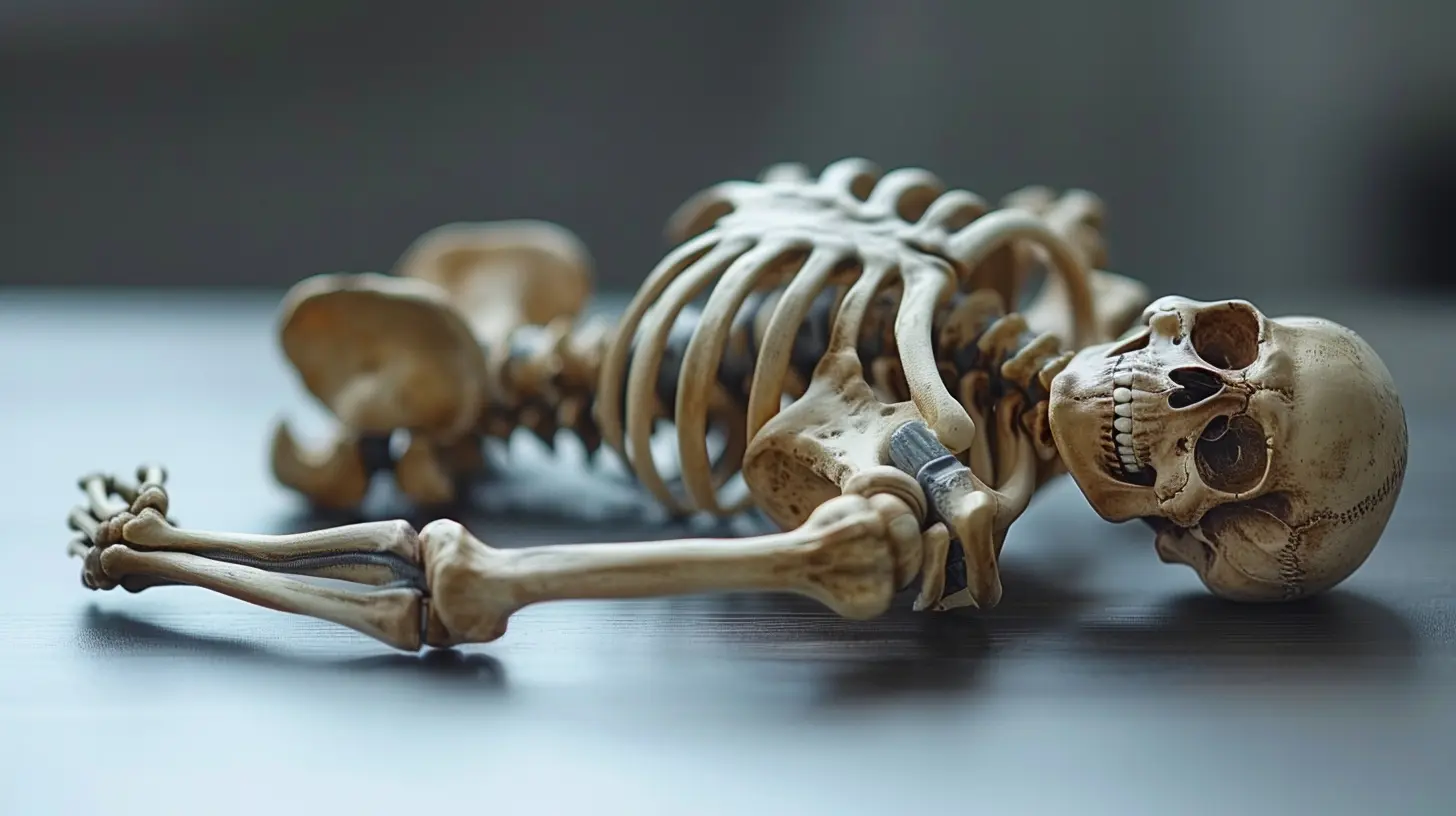
Sleep and Protein Synthesis
Let’s break it down to basics. Muscle growth = Protein Synthesis - Protein Breakdown.Sleep helps tip the balance toward synthesis.
During sleep, particularly in deeper stages, your body shifts into an anabolic (growth-promoting) state. Blood flow to your muscles increases, repair processes speed up, and nutrients are directed exactly where they need to go.
Poor sleep sends your body in the opposite direction. Stress hormones like cortisol shoot up, which not only blocks muscle growth but can even encourage muscle breakdown.
It’s like trying to build a house during a hurricane—just not happening.
Signs Your Sleep Might Be Holding You Back
Still unsure if your sleep is the root of your stalled progress? Look out for these signs:- You're constantly sore after workouts, even lighter sessions
- Strength plateaus or even declines despite consistent training
- You feel fatigued or unmotivated during workouts
- Your mood is all over the place (hello, cortisol!)
- You get sick more often than usual
If that list hits a little too close to home, it’s time to tune up your sleep game.
How Much Sleep Is Enough?
Most experts recommend 7 to 9 hours of sleep each night for adults. But if you’re training hard and trying to build muscle? You may need more—closer to the 8 to 10-hour range.And no, you can’t make up for lack of sleep during the week by sleeping in on the weekend. That’s like skipping meals all week and trying to make up for them with one giant Sunday dinner. Doesn’t work.
Consistency is key.
Napping: The Secret Weapon
Short on sleep? Don’t underestimate the power of a good nap.A 20-30 minute power nap can improve alertness, motor function, and even muscle recovery. Just don’t nap too long or too late in the day, or it might mess with your nighttime sleep.
It’s like hitting a mini reset button on your mind and body.
Tips for Unlocking Better Sleep (and Bigger Gains)
Alright, you’re sold on the idea that sleep is crucial. Now, how do you actually get more (and better) sleep?Here are some game-changing strategies that actually work:
1. Stick to a Sleep Schedule
Your body thrives on routine. Go to bed and wake up at the same times—even on weekends. This trains your internal clock and makes falling asleep easier.2. Create a Sleep Sanctuary
Your bedroom should be a palace of peace. Keep it cool, dark, and quiet. Think cave vibes.Invest in blackout curtains, noise machines, or even a fan. Your environment plays a massive role in how quickly and deeply you sleep.
3. Avoid Stimulants and Screens
Caffeine, pre-workout, and screen time can all disrupt your sleep. Try to ditch them at least a few hours before bed.Blue light from phones and TVs tricks your brain into thinking it’s still daylight. Not ideal when you’re trying to wind down.
4. Establish a Pre-Sleep Routine
Wind down with a consistent routine. Stretch, read, journal, or meditate. Your brain will start to recognize these activities as triggers for sleep.It’s like putting your body on autopilot toward dreamland.
5. Train (But Not Too Late)
Regular exercise boosts sleep quality, but smashing a heavy session right before bed? That can hype you up too much.Aim to finish intense workouts at least 2-3 hours before hitting the sack.
Your Body Builds While You Sleep
Think of sleep as your body’s nightly construction crew. While your conscious self is off in dreamland, your body is clocking in for a full shift of repairs, rebuilding, and upgrades.Want to get stronger? Want faster recovery? Want to walk into the gym and crush every set? Then start taking your sleep as seriously as your squats.
Real Talk: Sleep Is Part of the Grind
There’s a quote that goes something like, “Success doesn’t come from what you do occasionally—it comes from what you do consistently.”Well, let me tell you—sleep is no different.
You can have the best workout program, the cleanest diet, and the strongest mindset, but if sleep is your weakest link? The whole chain breaks.
Let’s rewrite that old “No Days Off” motto. How about “No Nights Off” instead?
Final Thoughts
We live in a world that glorifies hustle and late nights—but when it comes to strength, recovery, and muscle gains, more isn’t always better. Smarter is better.And smarter means prioritizing sleep like it’s your next workout. Because, in many ways, it is.
So tonight, instead of scrolling aimlessly or binge-watching episodes until your eyeballs fall out, do something revolutionary… go to bed.
Not just for rest. But for results.
all images in this post were generated using AI tools
Category:
Strength TrainingAuthor:

Everett Davis
Discussion
rate this article
2 comments
Zailyn Fry
Rest fuels performance growth.
December 25, 2025 at 4:49 AM
Everett Davis
Absolutely! Rest is essential for muscle recovery and overall performance improvement, as it allows the body to repair and grow stronger.
Bernadette Lewis
Great insights on essential recovery!
December 14, 2025 at 2:04 PM
Everett Davis
Thank you! I'm glad you found the insights useful!