The International Showdown: When National Pride Was on the Line
30 November 2026
International sport occupies a strange and powerful space in human life. It is, on the surface, a game. Eleven players against eleven, five against five, one against one, a ball, a clock, a scoreboard. Yet when the whistle blows and the flag rises, something deeper takes over. Crowds sing anthems with tears in their eyes. Entire cities empty their streets. Governments pay attention. Players who have spent their whole careers in club football, basketball, or cricket suddenly describe a different kind of pressure, one that does not come from a contract or a coach but from the weight of a nation watching.
That is the essence of the international showdown: a contest where the result matters not only to the people on the field but to millions who will never touch the ball. Understanding why these moments carry such force, how athletes and teams prepare for them, and what separates those who thrive from those who freeze is genuinely useful knowledge, whether you are a fan, a coach, a player, or simply someone trying to make sense of why a match can feel like a matter of life and death.

Why National Pride Changes the Game
The first thing to understand is that international competition is not simply club sport with different shirts. The psychological architecture is different. In club football, for example, a player represents an employer, a city, and a fanbase, but the relationship is transactional at its core. Transfers happen. Loyalties shift. In international sport, representation is inherited. You play for the country you were born in, or the one you chose, and that connection cannot be traded away.This matters because it changes the emotional stakes. A missed penalty in a league match is a bad afternoon. A missed penalty in a World Cup shootout can follow a player for decades. Commentators still reference specific misses from major tournaments years later, and the players involved often describe those moments as the hardest of their careers. The pressure is not manufactured. It is real, and it comes from a place that club football cannot replicate.
There is also a structural difference. National teams assemble rarely. Players who spend ten months together at a club may get only a handful of weeks per year with their country. That limited time together is one of the central challenges of international sport, and it shapes everything from tactics to team selection. A coach cannot drill a complex system for months. He or she must build something coherent in days, often with players from different club systems who have never shared a pitch.

The Anatomy of a Genuine Rivalry
Not every international fixture is a showdown. Some are routine qualifiers. A true international rivalry has specific ingredients, and recognizing them helps explain why certain matches feel different.The first ingredient is historical weight. Brazil against Argentina carries meaning because of a long sporting history and cultural competition between two football nations. India against Pakistan in cricket carries meaning because of a shared and complicated history. Australia against New Zealand in rugby carries meaning because of proximity and a century of contests. In each case, the rivalry is not invented by marketing. It grew from something real.
The second ingredient is competitive balance. A rivalry where one side always wins loses its edge over time. The matches that matter most are the ones where the outcome is genuinely uncertain, where both sides have realistic reasons to believe they can win. This is why some historic rivalries have cooled and others have intensified.
The third ingredient is narrative. Rivalries need stories: a famous upset, a controversial decision, a generation of players who defined an era. These narratives are passed down and become part of the expectation surrounding every new meeting. Players who grew up watching those stories feel them before they even step onto the field.
A common mistake among fans and even some administrators is trying to manufacture a rivalry through marketing. It rarely works. You cannot decree that two nations are rivals. You can only amplify a rivalry that already exists.
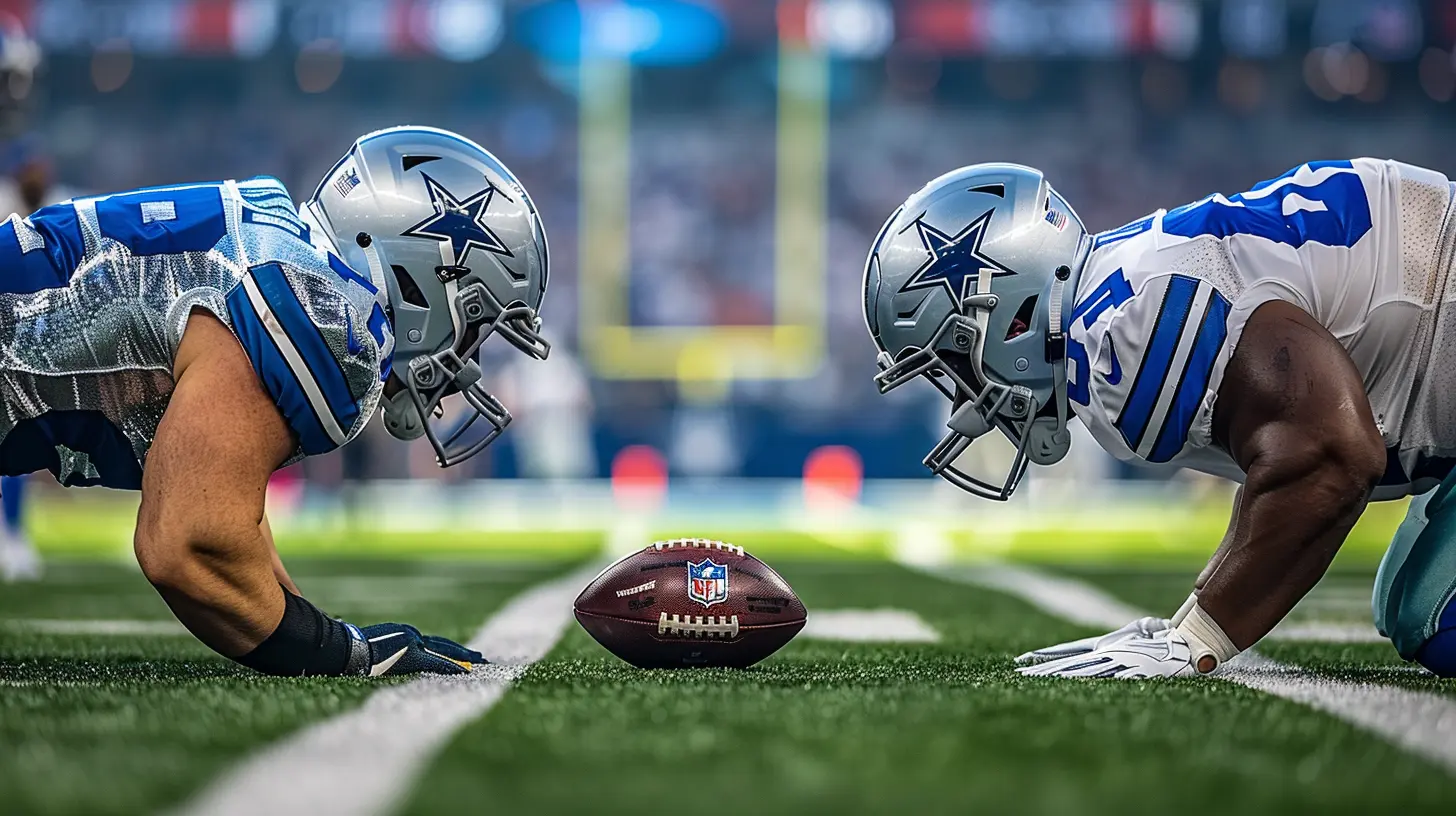
Preparation: What Separates Thriving Teams from Freezing Ones
The most useful question for anyone involved in international sport is this: why do some players rise in these moments while others shrink? The answer is not simply talent. It is preparation, and it breaks down into several layers.Tactical Simplicity
Because national teams have limited time together, the most successful sides tend to favor tactical clarity over complexity. A system that requires months of drilling is a liability when you have ten days. Coaches who succeed internationally often simplify: clear roles, familiar patterns, and a small number of rehearsed set-piece routines. The trade-off is that a simpler system is easier for opponents to scout. The best coaches manage this by building in flexibility within a simple framework, so the team can adjust without needing to relearn everything.Role Clarity
Players in international squads often come from clubs where they play a different position or a different role. A winger at his club may be asked to play as a wing-back for his country. A central midfielder may be asked to sit deeper. The teams that handle this well are explicit about roles. Every player knows exactly what is expected, and the coach communicates it early and repeatedly. Ambiguity is the enemy of composure.Psychological Rehearsal
Elite international sides increasingly invest in mental preparation. This is not mysticism. It is the practice of rehearsing pressure situations: penalty shootouts, hostile crowds, going behind early. Players who have mentally rehearsed these scenarios respond better when they occur. Some teams use sports psychologists. Others build pressure into training sessions, simulating crowd noise or shortening drills to create consequences. The principle is simple: familiarity reduces fear.Managing the Occasion
One of the most underrated skills in international sport is managing the emotional occasion. Big matches generate hype, and hype can overwhelm players. Experienced coaches often try to reduce the emotional temperature in the days before a match: keeping routines normal, limiting distractions, and avoiding dramatic speeches that raise the stakes further. The goal is to make the match feel like a game rather than a judgment. This is a delicate balance, because some teams genuinely respond to emotional elevation. The best coaches read their group and adjust.
The Crowd and the Country: External Pressure
Players do not experience national pride in isolation. They experience it through the crowd, the media, and the expectations of people around them. Understanding this dynamic is essential.Home advantage in international sport is real, but it is not simply about familiar surroundings. It is about crowd energy, referee influence, and travel fatigue for the opponent. Yet home advantage can also become a burden. Playing at home in a major tournament means every mistake is witnessed by your own people. Some teams perform better as underdogs away from home, freed from expectation. Others draw energy from a partisan crowd. There is no universal rule, which is why coaches often speak about "managing the crowd" as much as managing the opponent.
Social media has intensified this pressure. Players are now exposed to reaction in real time, including abuse. Many national federations have responded with support systems and guidelines for players on how to handle online attention during tournaments. This is a practical necessity, not a luxury. A player who is scrolling through criticism the night before a match is not fully focused.
Case Studies in Composure and Collapse
Concrete examples illustrate these principles better than abstract advice. Consider the difference between teams that win major tournaments and those that consistently fall short despite strong squads.Teams that win tend to share certain traits. They have a clear identity. They defend well as a unit, because defensive organization is easier to build quickly than attacking fluency. They have at least one player who can produce a moment of individual brilliance when the system breaks down. And they handle setbacks without panic, which usually reflects strong leadership within the squad.
Teams that fall short often have the opposite profile. They may have more talented individuals but no clear identity. They may be unbalanced, with too many attackers and not enough protection. They may crumble when they concede first. These patterns repeat across tournaments, and they are visible to anyone who watches closely.
The lesson for coaches and players is that international success is rarely about having the best players. It is about building the best functioning team in a short window. That is a different skill, and it is why some highly successful club coaches have struggled internationally while others with less glamorous club records have thrived.
Common Mistakes and Misconceptions
Several persistent misconceptions surround international showdowns, and correcting them helps fans and participants alike.Misconception one: talent wins. Talent matters, but international tournaments are short and volatile. A single bad day eliminates a favorite. Depth, organization, and composure often matter more than raw ability.
Misconception two: motivation is enough. Passion is not a tactic. Teams that rely on emotion alone tend to burn out or lose structure under pressure. Emotion should fuel discipline, not replace it.
Misconception three: the best league produces the best national team. A strong domestic league helps, but it does not guarantee international success. National team performance depends on how players are integrated, not just where they play their club football.
Misconception four: one player can carry a nation. Great players can decide matches, but they cannot compensate for systemic weaknesses over a tournament. The supporting structure matters.
Common mistake: overtraining before a tournament. With limited time together, there is a temptation to cram. This often leads to fatigue and injury. The best-prepared teams balance intensity with recovery.
Common mistake: ignoring set pieces. In tight knockout matches, set pieces frequently decide outcomes. Teams that neglect them lose a valuable edge.
Practical Advice for Players, Coaches, and Fans
If you are a player called up to a national squad, prioritize clarity. Ask questions about your role. Learn the set-piece routines early. Build relationships with teammates quickly, because trust on the field is built off it. Manage your media and social media exposure during tournaments. And rehearse pressure moments mentally so they feel familiar when they arrive.If you are a coach, simplify. Resist the urge to install a complex system. Focus on defensive organization, set pieces, and role clarity. Build mental preparation into your schedule. Read your group's emotional temperature and adjust your approach accordingly. And protect your players from unnecessary external pressure where you can.
If you are a fan, recognize what you are watching. These matches are not just entertainment. They are the product of years of preparation, cultural meaning, and human psychology. Understanding that makes the experience richer and helps you support your team in a way that helps rather than harms.
The Enduring Appeal
The international showdown endures because it combines two things people care about deeply: sport and belonging. It is a rare stage where excellence and identity meet. That combination produces moments that stay in memory long after the final whistle, and it explains why, decades later, people still talk about specific matches as if they happened yesterday.For those who participate, the challenge is to channel that meaning without being crushed by it. For those who watch, the reward is witnessing something that transcends the game itself. Either way, the international showdown remains one of the most compelling dramas in sport, and understanding how it works makes it more compelling still.
all images in this post were generated using AI tools
Category:
Historic MatchesAuthor:

Everett Davis