The Match That United a Nation – World Cup 2027 Retrospective
24 September 2026
There are football matches that decide trophies, and there are football matches that decide something larger. The 2027 World Cup final belongs to the second category. It did not simply crown a champion. It pulled a fractured country back toward itself, if only for ninety minutes plus stoppage time, and it left behind a question that still lingers years later: can a single game actually heal anything, or does it just give people permission to feel hope again?
This retrospective looks at that night with the distance it now deserves. Not as a highlight reel. As a case study in pressure, identity, tactics, and the strange emotional contract between a national team and the people who watch it.
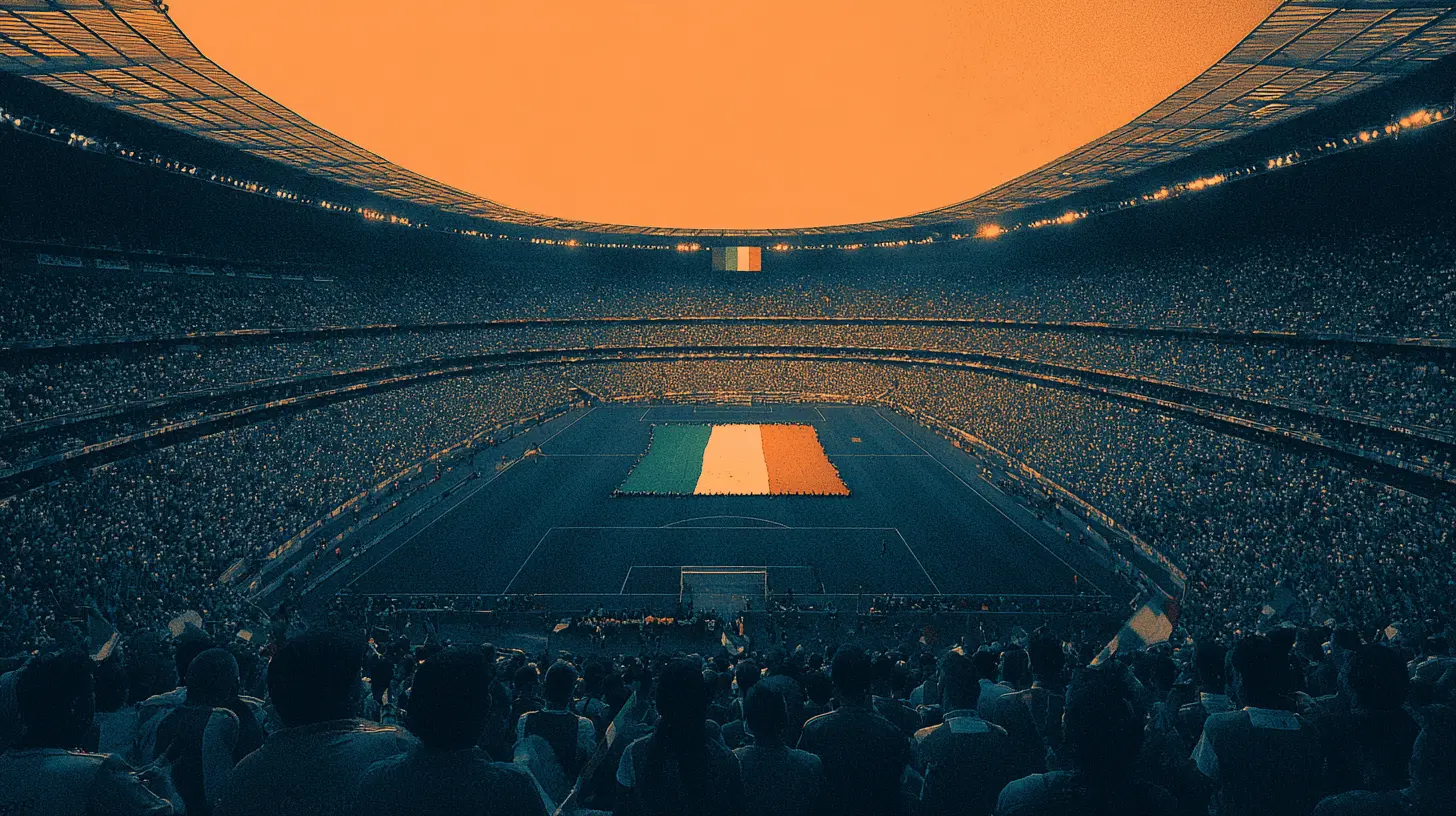
The Context Nobody Outside the Country Understood
To grasp why that final mattered so much, you have to understand what the months before it looked like. The host nation had spent the better part of a decade arguing with itself. Economic stagnation, regional tension, and a series of political scandals had turned everyday conversation into a minefield. Trust in institutions sat at historic lows. Football, normally the one thing that could cut across class and region, had become part of the argument too. Fans accused the federation of favoritism. Journalists accused the coaching staff of cowardice. The squad itself was young, talented, and visibly unsure whether the public was behind it or waiting to pounce.That is the environment in which the tournament began. Nobody expected a run to the final. Most predictions had the team exiting in the quarterfinals at best, undone by inexperience and the weight of playing at home. What followed was not a fairy tale in the simple sense. It was a slow, grinding accumulation of small decisions that turned a nervous group into a coherent one.
Why Home Pressure Usually Breaks Teams
Playing a World Cup at home is one of the most reliably destructive advantages in sport. Research across multiple tournaments suggests host nations underperform their seed more often than they exceed it. The reasons are not mysterious. Every training session is watched. Every substitution is debated on live television. Players cannot escape the noise, and the noise is not neutral. It carries the accumulated anxiety of an entire population.The 2027 squad felt that pressure early. A labored group stage draw against a lower ranked opponent produced a wave of criticism that would have shattered a less resilient group. What changed was not talent. It was the decision to shrink the emotional footprint of the team. Fewer media appearances. A tighter internal circle. A coaching staff that stopped trying to manage public opinion and started managing the twenty six people in the room.
That is a lesson any high performance organization can borrow. When external noise is uncontrollable, the only rational move is to reduce the surface area exposed to it.
The Tactical Identity That Made the Run Possible
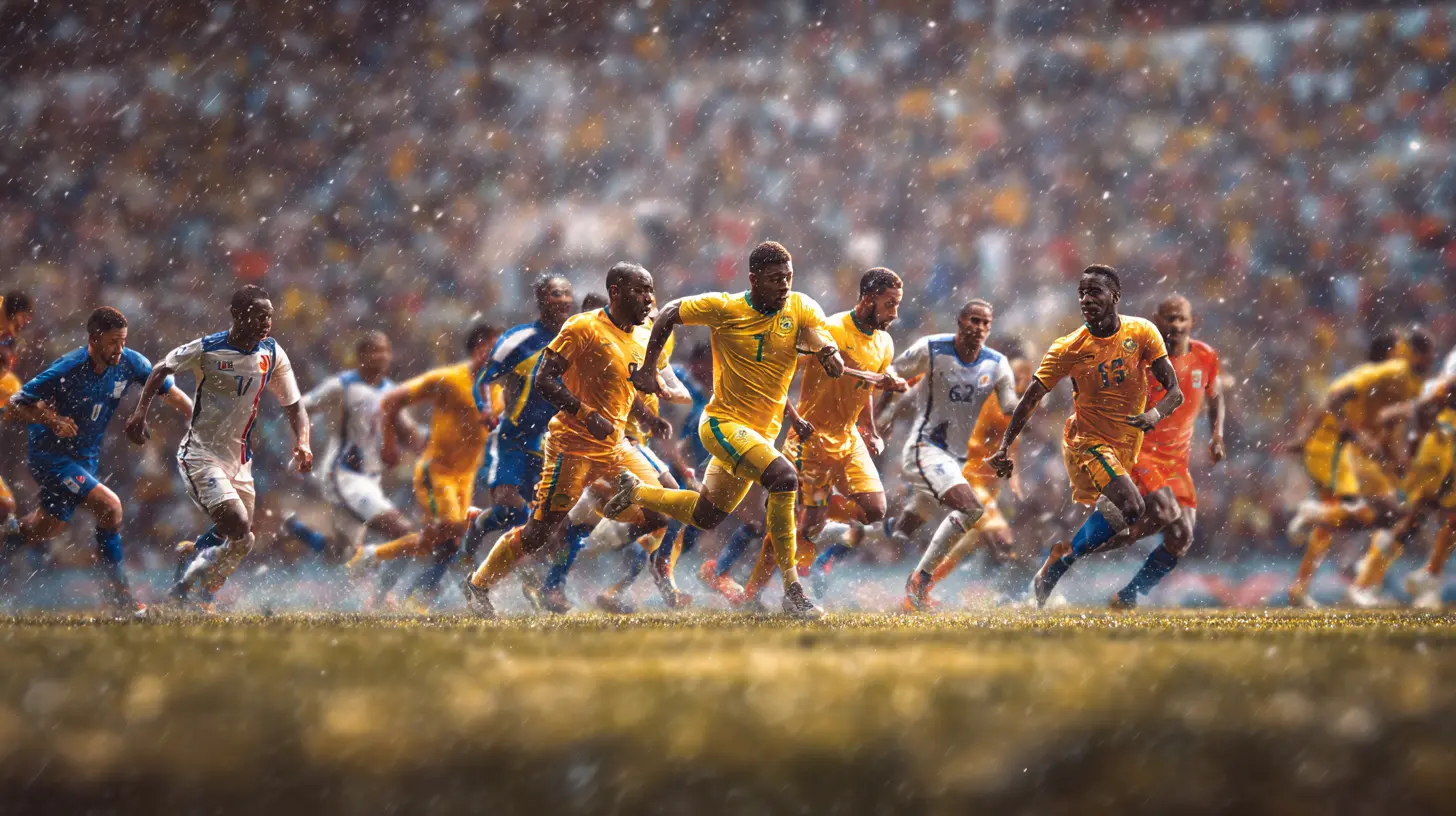
Every deep tournament run has a spine, a set of principles the team returns to when the game gets chaotic. For this side, the spine was patience. Not passive patience. Aggressive, structured patience built on three ideas.First, control the middle third without the ball. The team conceded possession willingly in early rounds, sometimes finishing matches with under forty percent of the ball, and used that concession to compress space between the lines. Opponents found passing lanes that looked open and closed within a second.
Second, attack in short bursts rather than sustained waves. The coaching staff understood that their most dangerous players were transition athletes, not possession specialists. Asking them to hold the ball for long sequences would have wasted their best quality.
Third, rotate the emotional load. The captain did not carry the team alone. Responsibility for set pieces, for calming arguments with referees, for speaking after losses, was distributed across four or five senior players. That distribution is not a small detail. It is often the difference between a group that survives a tournament and one that implodes in the round of sixteen.
The Trade-Off Nobody Talks About
This approach had a cost. A reactive, transition based system depends on the opponent making mistakes, and elite opponents make fewer of them. In the semifinal, the team spent seventy minutes chasing the ball against a side that refused to overcommit. The match was decided by a single set piece and a goalkeeping error. That is not luck exactly, but it is not control either.The honest trade-off is this. A patient, low risk system raises your floor. It makes you hard to beat and gives you a chance in every game. It also lowers your ceiling against opponents who are comfortable being patient themselves. If you are building a team for a tournament, that trade is usually worth taking. If you are building a team for a decade of dominance, it is not enough on its own.
The Final Itself: What Actually Happened
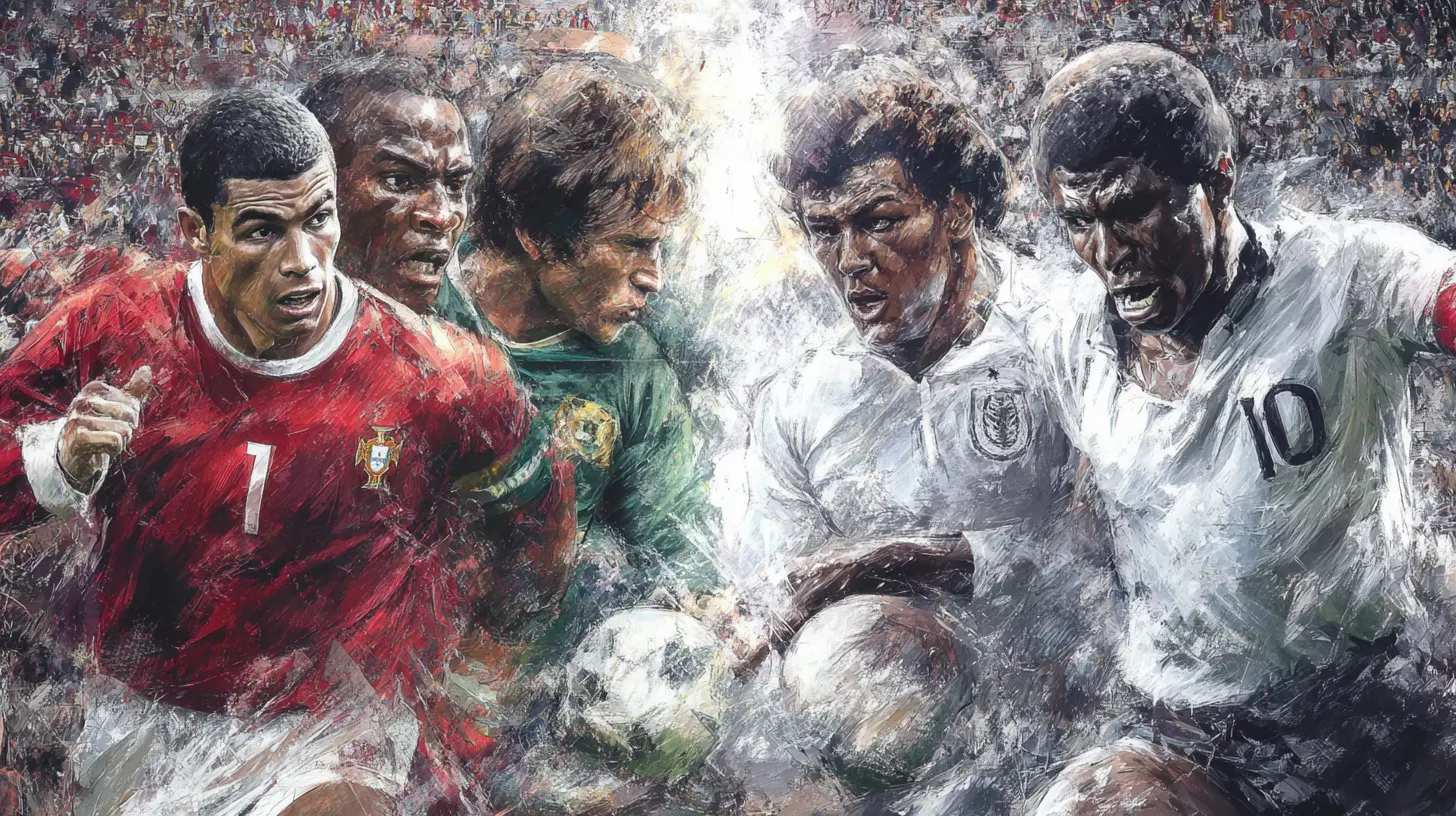
The final was not a classic in the aesthetic sense. It was tense, physical, and frequently ugly. Both teams understood that the first goal would likely decide the match, and both played as if they knew it.The opening half hour was a chess match. The opposition pressed high, hoping to force errors in buildup. The home side absorbed it, circulated the ball sideways, and waited. Around the thirty fifth minute, the pattern shifted. The opposition's midfield, having pressed hard for half an hour, began to drop a few meters. That gap was all the home side needed.
The opening goal came from exactly the kind of sequence the coaching staff had drilled for two years. A turnover in midfield, a vertical pass into the channel, a cutback, a finish. Nothing spectacular. Everything rehearsed.
The second half was a different match entirely. The opposition threw numbers forward. The home side defended deeper and deeper, and for twenty minutes it looked like the equalizer was inevitable. It never came. Not because of heroics, though there were some, but because the defensive structure held its shape under pressure that would have broken earlier versions of this team.
The final whistle produced something rare. Not just celebration. Relief. The kind of relief that comes when a long held fear turns out to be survivable.
Why the Country Reacted the Way It Did
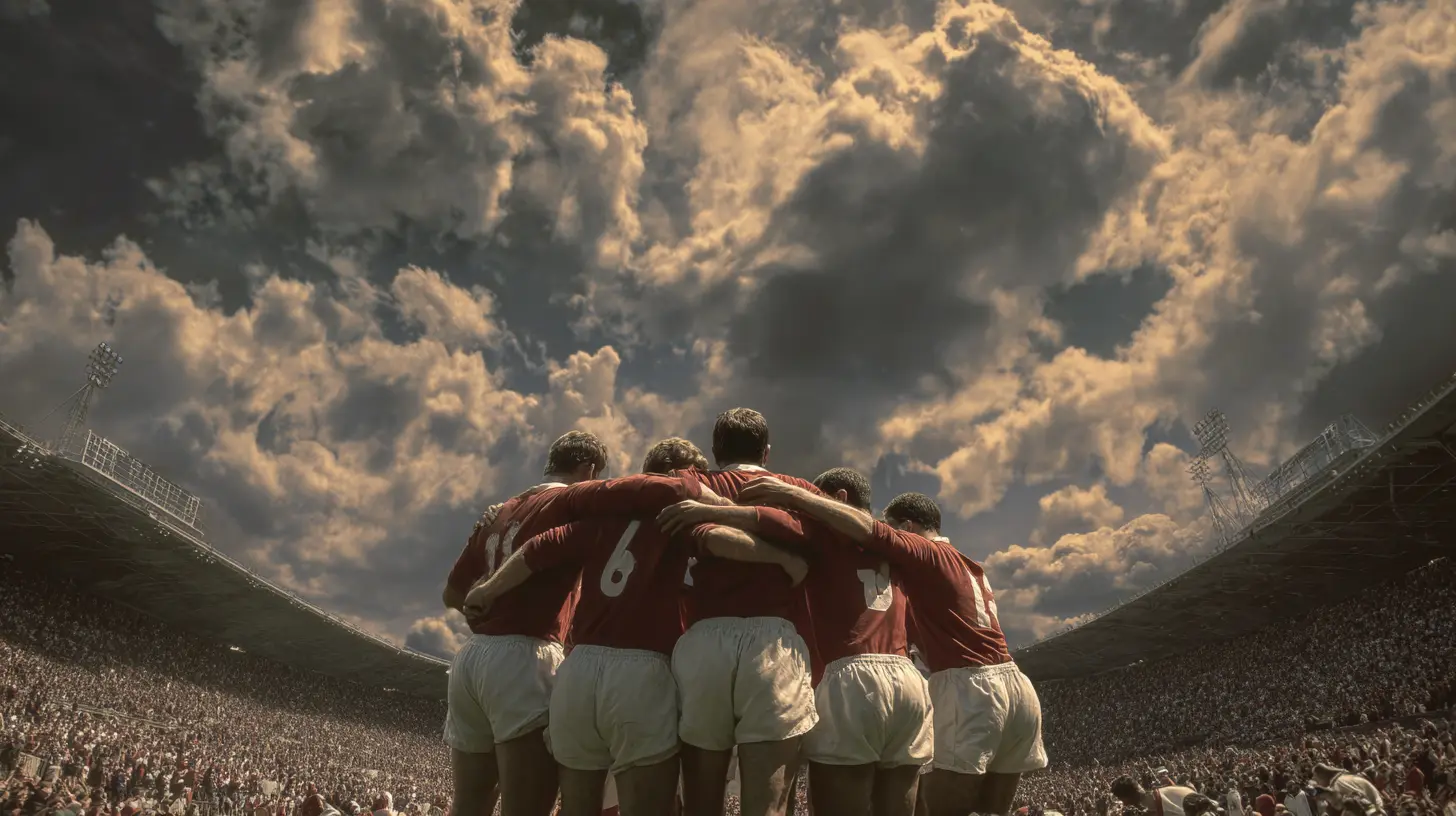
Within hours, the streets filled. That part is predictable. What was less predictable was the tone. There were no widespread clashes, no political slogans dominating the celebrations. People who had spent years arguing about everything found themselves standing next to each other, unsure what to say, and settling on the one thing they agreed on.Sociologists who study sport and collective identity would caution against overreading this. The evidence on whether major sporting victories produce lasting social cohesion is mixed at best. Short term unity is well documented. Long term change is not. The celebrations were real. The question is what, if anything, they left behind.
What Sport Can and Cannot Do
Sport can do three things reliably. It can create shared attention, meaning millions of people focus on the same event at the same time. It can create shared emotion, which is rarer and more powerful. And it can create a temporary permission structure, a window in which people behave differently toward each other than they normally would.Sport cannot do three things that are often asked of it. It cannot fix institutional failure. It cannot resolve deep political disagreement. And it cannot substitute for the slow work of building trust through policy and daily life.
The 2027 final did the first three. It was never going to do the last three, and pretending otherwise sets everyone up for disappointment. The honest retrospective is that the match gave the country a good week, a shared memory, and a reminder that unity is possible. What people did with that reminder was always going to be a separate question.
Lessons for Teams, Coaches, and Organizations
If you take nothing else from this tournament, take these principles. They apply far beyond football.Build a system that matches your players, not your ideals. The coaching staff did not try to impose a style the squad could not execute. They built around what existed. Too many organizations do the opposite and then blame the people.
Distribute leadership deliberately. One charismatic figure is fragile. A distributed group is resilient. This is true in locker rooms, boardrooms, and hospitals.
Shrink the noise. The teams that handle pressure best are usually the ones that have decided in advance what they will and will not engage with. That is not avoidance. It is prioritization.
Accept the trade-offs of your approach. Every system has weaknesses. Mature teams name them out loud rather than pretending they do not exist. That honesty is what allows in game adjustments.
Do not confuse a moment with a movement. A single victory can inspire. It cannot sustain. Sustainability comes from what you build after the whistle.
Common Mistakes in Retrospectives Like This
There are a few traps that catch almost everyone who writes about a tournament years later.The first is hindsight bias. Knowing the outcome makes every decision look inevitable. It was not. Several of the key choices in that run were contested at the time and could easily have failed.
The second is hero worship. Attributing the result to one player or one coach erases the dozens of small contributions that made the whole thing work. It also makes the achievement less useful as a lesson, because it suggests success is about exceptional individuals rather than good systems.
The third is overreach. Claiming the tournament changed the country permanently is a claim the evidence does not support. Claiming it changed nothing is equally dishonest. The truth sits in the uncomfortable middle, which is where most truths sit.
What the Match Left Behind
Years later, the footage still holds up. Not because the football was beautiful, but because you can see the players making decisions under pressure that most people never have to make. You can see the coaching staff adjusting in real time. You can see twenty six people choosing to trust each other in a situation designed to break trust.That is the real legacy. Not the trophy, which sits in a cabinet somewhere. Not the headlines, which have faded. The legacy is the demonstration. A group of people, in a country that had forgotten how to agree on anything, agreed on this. They did it through preparation, discipline, and a willingness to absorb pressure without collapsing.
Whether that lesson gets applied elsewhere is up to the people who watched. The match did its part. It gave the country a night it will not forget and a template it can choose to use or ignore.
all images in this post were generated using AI tools
Category:
Historic MatchesAuthor:

Everett Davis