The Mental Game of Cycling: Overcoming Challenges on the Road
12 February 2026
Let’s be real—cycling isn’t just about toned calves, carbon fiber frames, or Strava bragging rights. Sure, you can have the lightest bike on the planet, but if your head's not in the game, even a gentle hill can feel like the Alps. Welcome to cycling’s secret sauce: the mental game.
Whether you're a weekend warrior or an aspiring Tour de France contender, the biggest muscle you’ll need on the road isn't in your legs—it's between your ears. So buckle up (or, well, clip in), because we're diving deep into the psychological gears that keep riders rolling even when the wind, rain, and inner voices scream, “Let's just quit!”

Mind Over Miles: Why Mental Strength Matters in Cycling
Cycling pushes you physically, no doubt about it. But there's a point where your body taps out and your brain has to take the wheel—figuratively, of course. You’ve got to dig deep, silence your inner critic, and keep pedaling when everything else says stop.Ever hit that wall mid-ride? You know the one—legs feel like jelly, the hill never ends, and “fun ride” starts to sound like the world’s greatest lie. That’s when mental grit kicks in. It’s the invisible chain that keeps your wheels turning.
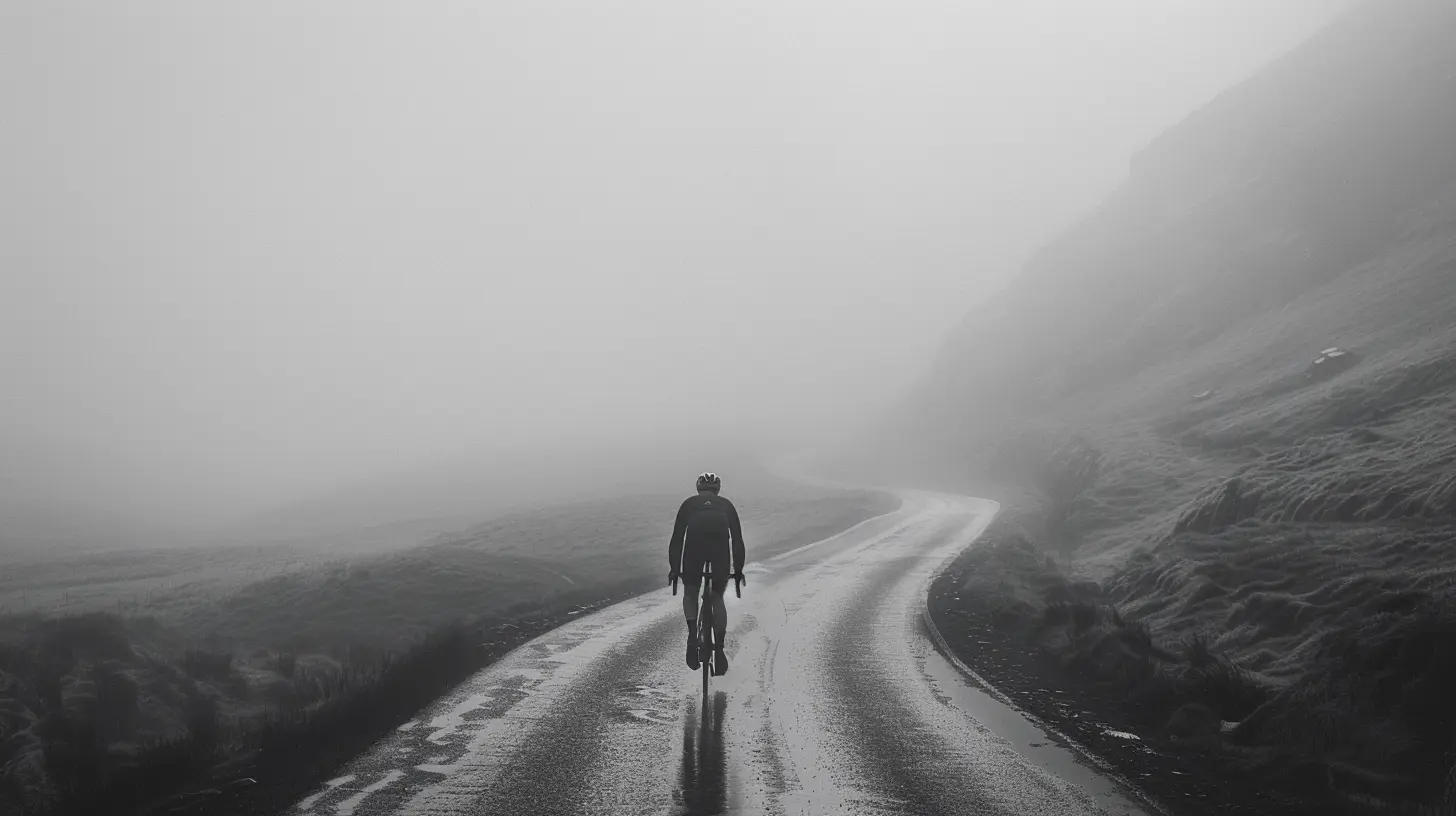
The Common Mental Hurdles Cyclists Face
Let’s call it like it is. Cycling serves up a buffet of mental roadblocks, and yes, everyone gets a plate.1. Self-Doubt: The Uninvited Co-Rider
“I’m too slow.” “I’m not built for climbing.” “Everyone else is better.” Sound familiar? Self-doubt is the sticky chain of the mind—it gums up your ride.The fix? Remember why you started. Whether it’s for fitness, freedom, or just to escape the Wi-Fi range, your ride is YOUR ride. Comparing yourself to others is like comparing gravel to tarmac—they’re both roads, just different paths.
2. The Inner Critic: That Loudmouth in Your Head
Oh, the inner critic. The one who whispers “loser” when you get dropped from the pace line or skips cheering when you nail a PR. Shut that guy down. Seriously.Counter every negative jab with a positive punch. Instead of thinking, “I’ll never make it up this hill,” try, “One pedal stroke at a time.” It’s hokey, it’s cliché—AND IT WORKS.
3. Perfectionism: The Dream Crusher in Disguise
Cyclists love data. Power meters, cadence trackers, heart rate monitors—we’ve got more numbers than a NASA mission. But chasing perfect numbers can suck all the joy out of a great ride.Spoiler alert: No one rides perfectly. Not Tadej. Not Wout. Definitely not you or me. So ditch the pressure and embrace progress over perfection.
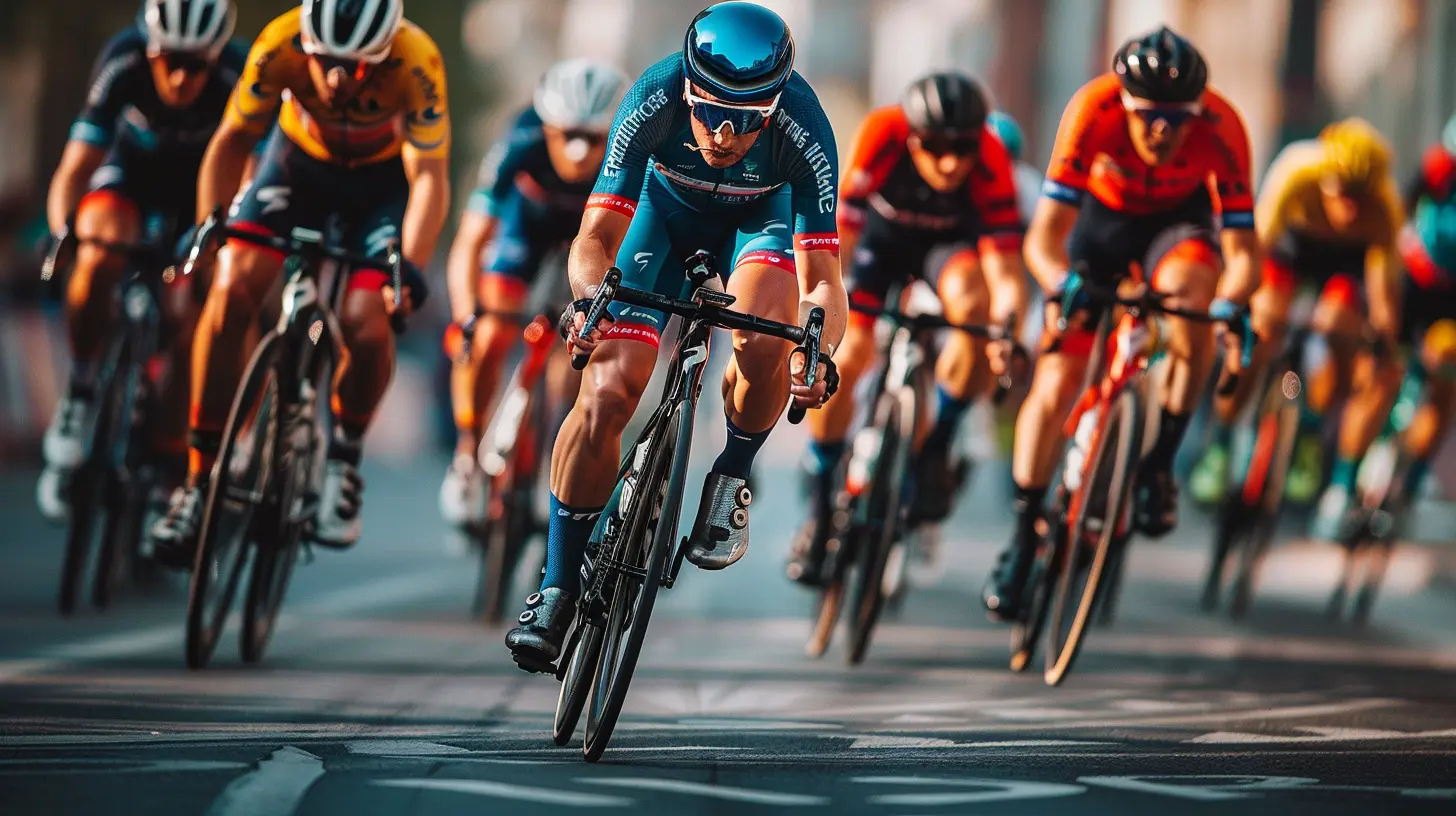
Building a Bulletproof Cycling Mindset
Alright, enough doom and gloom. Let’s talk solutions. Here’s how to fine-tune your mindset like a pro mechanic tunes a derailleur.1. Set Realistic, Bite-Sized Goals
You don’t climb Everest in a day, and you don't become a mental powerhouse overnight. Break your rides into achievable segments. Tackling a century? Focus on getting to the next rest stop instead of the finish line.Micro-goals keep you motivated and give you a string of little wins. And yes, every win—even if it’s just not quitting—is a victory lap in mental resilience.
2. Embrace the Suck (Yup, You Heard Me)
There will be bad days. Rain-soaked, headwind-ridden, flat-tire-laden misery days. Accept them. Love them. Learn from them.Every tough ride strengthens your mental quads. The worse the ride, the stronger you'll be next time. It’s like building calluses not just on your hands, but in your brain.
3. Practice Positive Self-Talk
This isn’t just motivational-poster nonsense. Studies show your brain listens to what you tell it. So feed it confidence.Say things like:
- “I’m tougher than this route.”
- “My legs are tired, but I’m not stopping.”
- “I’ve got one more climb in me.”
Talk like you mean it. Fake it 'til you ride it.
4. Visualize Your Victory
Mental imagery isn’t just for elite athletes—it’s an everyday tool for everyday riders. Before a big ride, close your eyes and imagine crushing it. See yourself powering over climbs, spinning smooth, crossing that line with a grin.Your brain doesn’t know the difference between real and imagined success. So give it a sneak peek of glory.
5. Learn to Ride in the ‘Now’
Mindfulness and riding go together like cleats and pedals. When your thoughts drift—“What if I bonk?” or “Why did I sign up for this?”—bring it back to the present.Focus on your breath. Feel the wind. Listen to your cadence. That’s where the magic happens.
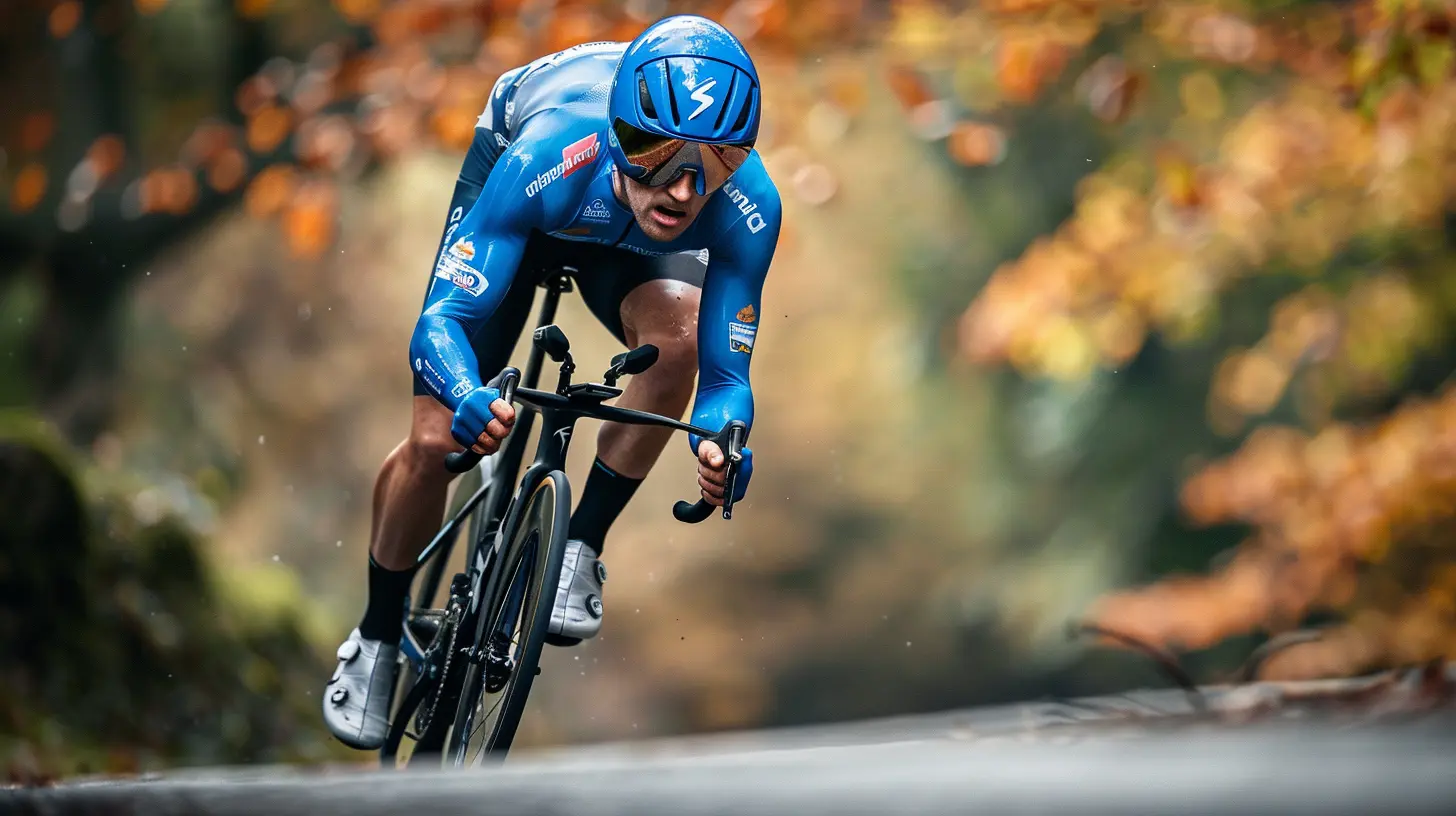
How to Handle Fear Like a Pro
Let’s talk about Big Scary Stuff—descending at 40 mph, high-traffic roads, technical sections. Fear is a natural co-pilot, but it doesn’t have to take the handlebars.Acknowledge It, Don’t Fight It
Fear gets louder the more you resist it. Accept it instead. Say, “Okay, I feel nervous. That’s fine.” This calms the mental noise and helps you stay focused.Break Down the Unknown
Fear is fueled by “what ifs.” So break it down. Are you afraid of crashing on a descent? Practice technique on smaller hills. Scared of traffic? Learn safe commuting strategies. Knowledge kicks fear in the spokes.Celebrate Your Courage
Every ride you do scared is a win. Don't just celebrate distance or speed. High-five yourself for showing up and tackling fear head-on.What to Do When You Want to Quit
Ah yes, the quitting zone. It’s roomy. It’s comfy. And it’s sneaky. Here's what to do when you're mentally ready to throw in the towel.Ask the Magic Question: “Why Did I Start?”
When you're deep in the pain cave, this simple question can relight the fire. Remembering your “why” gives purpose to the pain.Change the Channel
If you’re spiraling, distract yourself. Count pedal strokes. Sing a song. Talk to the cows. (Yes, even if they don’t answer back.) Trick your brain into forgetting it wants to stop.Use the “Just One More” Rule
Tell yourself you just need to make it to the next sign, corner, or turn. Then another. And hey, look at that—you’re still moving.
The Role of Recovery in Mental Strength
Mental toughness doesn’t mean riding yourself into the ground every weekend. Rest is part of the strategy.Take Rest Days Seriously
You’re not lazy—you’re smart. Recovery days are when your brain and body file away all the gains. Skip them, and you’re just logging junk miles in your head.Do Non-Bike Activities
Hang out with friends. Watch a movie. Meditate. Do whatever recharges your mental batteries, because burnout will sideline you faster than a chain derailment.Use the Buddy System for Mental Support
Cycling might seem like a solo sport, but your mental game gets a serious boost when you bring pals into the mix.Ride with People Who Lift You Up
Avoid the “drill sergeants” and roll with folks who are supportive, fun, and not obsessed with who gets to the coffee shop first.Talk It Out
Bad ride? Share it. Good ride? Relive it. Talking helps you process experiences and realize you’re not alone in the mental cycling circus.
Final Words from the Saddle
Cycling is a beautiful torment—a mix of speed, sweat, and soul-searching. While anyone can hop on a bike, staying on it when your brain says “Nope” is where legends are made.So next time your legs burn and your spirit wavers, remember: your strongest gear isn’t on your bike—it’s in your mind. Keep pedaling. You've got this.
all images in this post were generated using AI tools
Category:
CyclingAuthor:

Everett Davis
Discussion
rate this article
2 comments
Lulu McTavish
Cycling isn't just a physical challenge; it's a mental journey. Embracing setbacks and pushing through doubt can transform our rides, making each pedal a testament to resilience and growth.
February 28, 2026 at 3:47 AM
Everett Davis
Absolutely! Cycling challenges both body and mind, turning every setback into an opportunity for growth. Embracing this journey enhances our resilience and makes each ride more meaningful.
Isabelle Estes
This article beautifully captures the psychological hurdles cyclists face. The mental game often goes unnoticed, yet it’s vital for success. Your insights on resilience and determination resonate deeply, inspiring many to push through both physical and mental barriers. Thank you for shedding light on this essential aspect of cycling!
February 14, 2026 at 11:55 AM
Everett Davis
Thank you for your thoughtful comment! I'm glad the article resonated with you and highlighted the importance of mental resilience in cycling. Your support means a lot!