The Role of Boosters in College Sports Success
13 June 2026
College sports are more than just games — they’re cultural powerhouses that fuel school spirit, drive alumni engagement, and attract massive attention across the country. But behind the roaring stadium crowds, multi-million dollar TV deals, and championship hopes lies a lesser-known, yet incredibly influential force: boosters.
Boosters are the unsung heroes (or sometimes controversial figures) of college athletics. They can make or break a program’s trajectory and play a crucial role in shaping the future of student-athletes and entire athletic departments.
Let’s peel back the curtain and take a deep dive into the world of boosters, their impact on college sports, and how they help—or sometimes hurt—the pursuit of success on the field and beyond.
What Are Boosters, Anyway?
If you’re scratching your head wondering, “Wait, who exactly are boosters?”—don’t worry, you’re not alone. The term pops up in headlines, especially during NCAA investigations or major coaching hires, but rarely gets explained.So here’s the deal: boosters are individuals, often alumni or superfans, who financially support college athletic programs. Their contributions can range from funding new training facilities and locker rooms to offering generous donations that help recruit top-tier coaches and athletes.
In simpler terms, boosters are like the "godparents" of college sports — they invest in the future of their favorite teams, both emotionally and financially.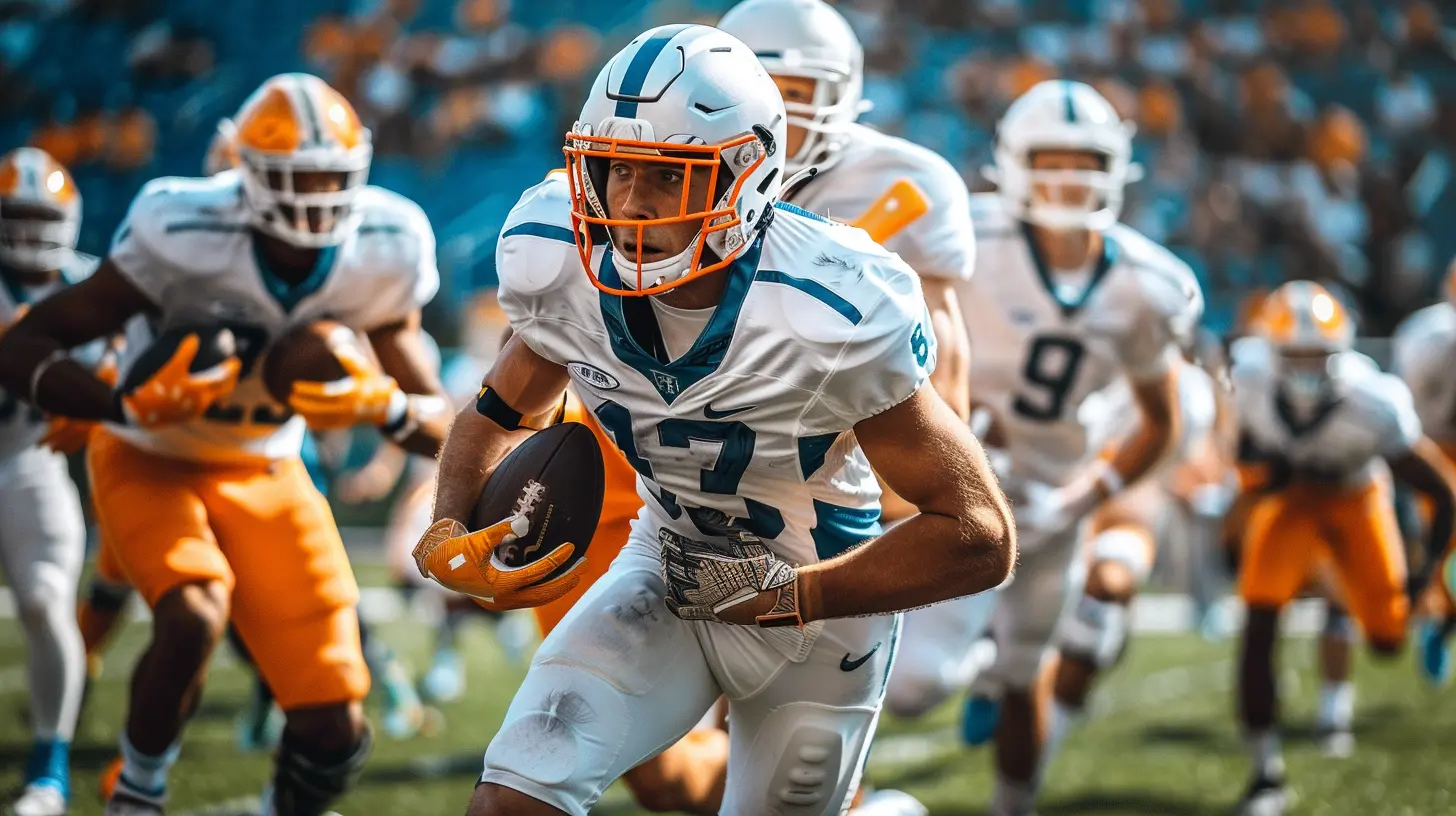
How Boosters Fuel Success in College Sports
? Financial Support – The Lifeblood of Sports Programs
Let’s face it: winning costs money. From travel expenses and high-tech equipment to competitive coaching salaries, it takes a serious financial foundation to build and maintain a successful program.This is where boosters come in. Their donations often bridge the gap between a decent program and a championship contender. Think of them as the financial muscle behind the scenes, lifting programs that might otherwise be stuck in the middle of the pack.
For example, a well-funded booster group can:
- Upgrade outdated training facilities
- Help fund scholarships for top recruits
- Support nutrition programs and mental health services for athletes
- Cover travel expenses for away games and tournaments
Without this kind of backing, many schools would struggle to compete with the top programs in the country.
? Scholarships That Change Lives
One of the most profound ways boosters impact college sports is through scholarship funding. For many student-athletes, college isn’t just a place to play — it’s their shot at a better life.Boosters often help fund scholarships that allow talented athletes from underprivileged backgrounds to attend school, get a quality education, and compete at the highest level. This support can genuinely change lives, opening doors that would otherwise remain closed.
It’s not just about winning games — it’s about building futures.
? Recruitment and Retention: Boosters Behind the Curtain
College recruiting in 2024? Yeah, it's a bit intense. Think of it like the dating game, only instead of roses and awkward one-on-one dates, you’ve got high school seniors sitting in high-end facilities listening to raving coaches and pitch-perfect campus tours.Boosters can have a heavy hand in all of this. While NCAA rules limit direct booster involvement with recruits, their financial contributions make everything possible — the facilities, the coaching staff, the team amenities. It all plays a role in impressing and ultimately landing top talent.
And let’s not forget retention. In the age of the transfer portal and NIL (Name, Image, and Likeness) deals, keeping players happy and loyal to their schools has become a whole new challenge. Booster support can help athletic departments stay competitive when student-athletes start exploring other opportunities.
? NIL Era: A New Era of Booster Engagement
Since the NCAA changed its rules to allow student-athletes to profit from their name, image, and likeness, the game has changed — big time.Boosters are now getting involved in ways we couldn’t have imagined a decade ago. Through NIL collectives and partnerships, boosters help connect athletes with endorsement deals, social media sponsorships, and business opportunities.
Is it the Wild West out there? Kind of. But for student-athletes who’ve long brought in millions for their schools without a cut, boosters helping them finally get something back is a major win.
? Success Stories That Speak Volumes
Still wondering if boosters really make a difference? Let’s look at a few real-world success stories (names altered for anonymity, but you get the idea):- Big U’s Rise to Prominence: This mid-major basketball program went from zero to Sweet 16 in two years after a wealthy booster funded a new training complex and covered staff recruitment costs.
- Gridiron Glory at State Tech: A football team long stuck at the bottom of their division skyrocketed in rankings after booster donations brought in a nationally acclaimed coach and upgraded their facilities.
- Olympic Dreams at Coastal College: A track and field athlete got the chance of a lifetime after a local booster gifted the program with enough cash to build an indoor track — something rare for smaller schools.
These stories aren’t rare. They’re the blueprint for a growing number of programs leaning on booster power to elevate their game.
? The Dark Side: When Boosters Overstep
Alright, it’s not all shiny locker rooms and scholarships.While many boosters genuinely want to help, there are moments when things get… messy.
The NCAA has strict rules for a reason. When boosters cross the line — say, offering money under the table or violating recruiting rules — the consequences can be brutal. Think vacated wins, lost scholarships, postseason bans, and tarnished legacies.
There’s also the matter of control. Sometimes a booster becomes so important to a program financially, they start to call the shots — influencing coaching decisions, pressuring athletic directors, or affecting player treatment.
When that happens, the balance of power shifts, and it can lead to chaos or scandal.
The Evolution of Boosters in the Digital Age
This ain’t your grandpa’s booster club anymore.In today's world, boosters are tech-savvy, brand-conscious, and networking like never before. Social media has given them a front-row seat to athletes' lives, fans' opinions, and media narratives. The digital age has made it easier for boosters to engage and easier for athletes to benefit.
Online collectives — organized groups pooling booster money to fund NIL deals or support specific teams — are becoming the norm. It's a new model of donor engagement fueled by transparency and efficiency.
And with the rise of cryptocurrency, NFTs, and digital branding, who knows where it's headed next?
So, Are Boosters Essential or Excessive?
Let’s bring it all together for a second.Boosters can be a blessing — providing the resources necessary to level the playing field, giving athletes life-changing opportunities, and helping schools compete with the best of the best.
But they also come with baggage. When boundaries blur, and money talks too loudly, it can undermine the integrity of the sport and the mission of college athletics: to educate, inspire, and empower student-athletes.
The key? Balance. Schools must foster healthy relationships with their boosters — ones built on transparency, shared values, and a commitment to doing things the right way.
How Can Fans and Alumni Get Involved (Without Overstepping)?
Not every fan can stroke million-dollar checks, but that doesn’t mean you can’t be a booster in your own way.Here are a few ways everyday supporters can back their teams responsibly:
- Join official booster clubs or alumni networks
- Attend games and events — ticket sales matter!
- Support NIL initiatives through certified collectives
- Donate to scholarship funds or athletic departments
- Promote your school’s athletes and teams on social media
Every little bit helps, and when done ethically, it all adds up to a stronger, more sustainable program.
Final Thoughts
Boosters are a vital part of the college sports ecosystem. They’re the difference-makers behind the scenes, pushing programs from good to great to legendary. While they’re not the ones scoring touchdowns or cutting down nets, their support fuels the dreams of thousands of student-athletes each year.College athletics without boosters? That’s like peanut butter without jelly. It just doesn’t work the same.
But with great power comes great responsibility. As the landscape continues to evolve — especially in this new NIL world — the role of boosters must remain transparent, ethical, and focused on what matters most: the athletes, the schools, and the love of the game.
all images in this post were generated using AI tools
Category:
College SportsAuthor:

Everett Davis
Discussion
rate this article
1 comments
Maxine McClary
Boosters significantly shape athletic programs, impacting success and integrity.
June 14, 2026 at 12:04 PM
Everett Davis
I appreciate your insight. Boosters play a crucial role in both promoting success and maintaining the integrity of athletic programs.