The Role of Fan Art in Building a Stronger Sports Community
30 July 2026
When you think about sports fandom, what comes to mind first? Guilty as charged — probably jerseys, screaming at your TV during a nail-biting game, or maybe heated Twitter debates over who's the G.O.A.T. But here's a layer most folks tend to overlook: fan art.
Yep, you read that right — fan art.
We're talking about those insane sketches of your favorite quarterback, digital portraits of iconic slam dunks, or even sculpture tributes to legendary plays. It may not happen on the field, but make no mistake — fan art is a vital force that's quietly shaping and strengthening sports communities all over the world.
Let’s dive into why this creative expression deserves a standing ovation and how it's doing more than just looking cool (although it does that too).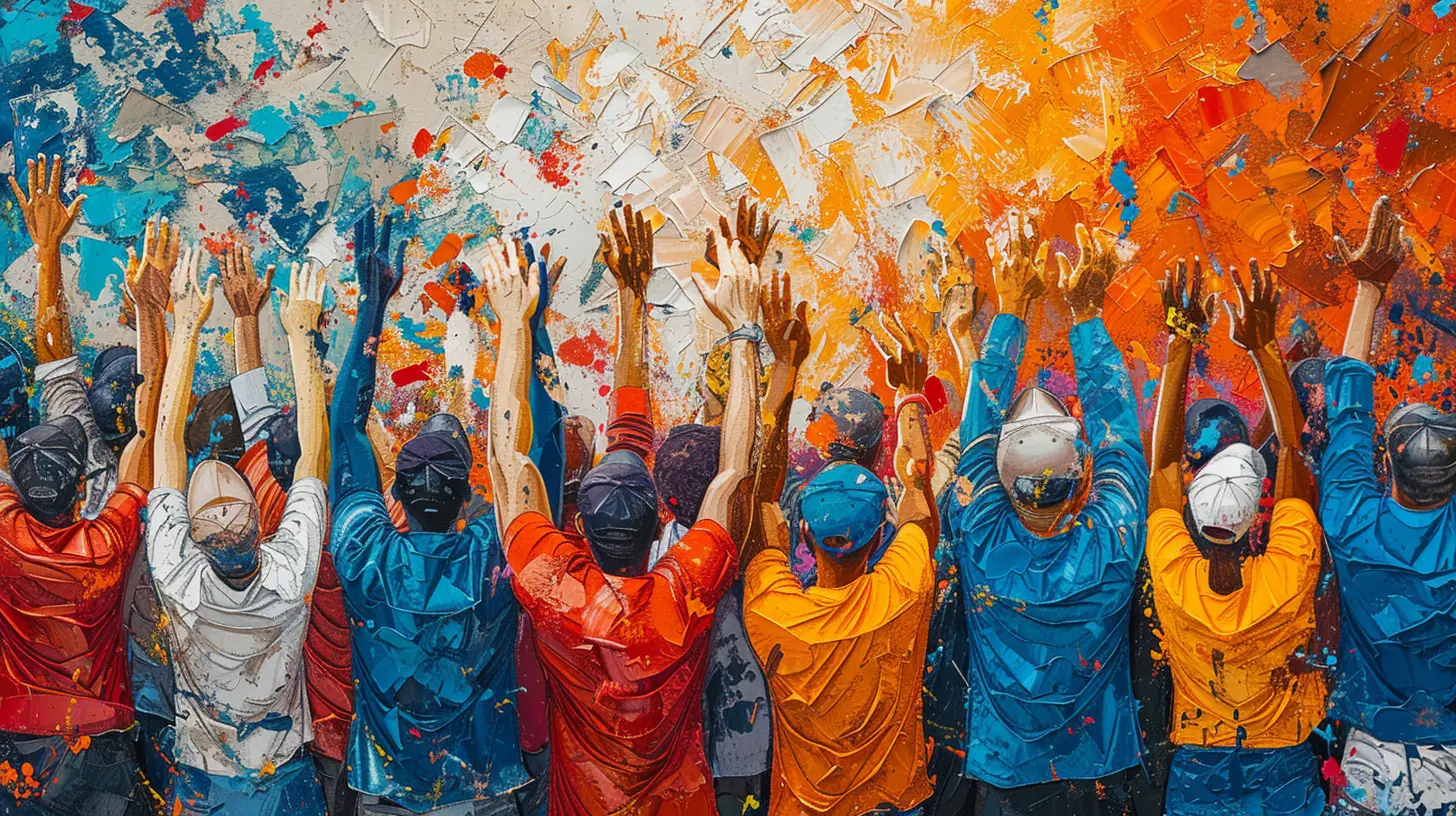
What Is Fan Art, Anyway?
Before we jump into the deep end, let’s clear up what fan art actually is. Simply put, fan art is any artwork created by fans that’s inspired by something they love — and sports are no exception.This could be:
- Hand-drawn portraits of athletes
- Stylized posters of iconic game moments
- Photoshop edits of dream team mashups
- Custom fan-made jerseys and sneakers
- Even murals painted on city walls
Fan art unlocks the personal relationship fans have with the sport. It’s more than "just art." It’s emotion, history, and passion — all rolled into one canvas.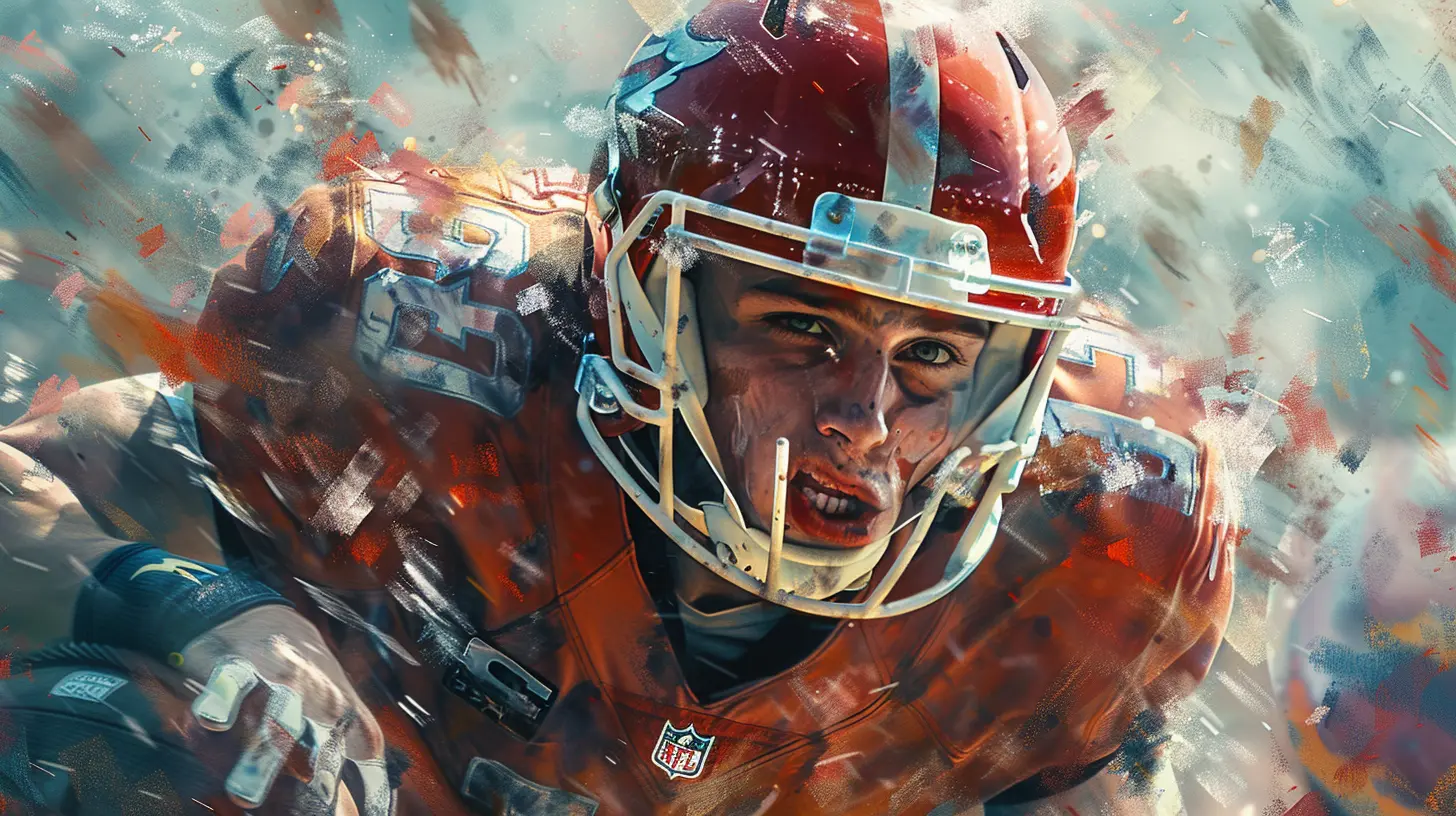
The Emotional Power of Sports... Expressed Visually
Let’s be real — if you’re a sports fan, you’ve felt it. The heartbreak of a missed goal, the adrenaline of a buzzer-beater, the pride of seeing your team hoist a trophy. Sports hit us right in the feels.But not everyone expresses those feelings the same way. Some scream. Some tweet. And others? They paint.
Fan art becomes a kind of emotional release. It's like shouting "I love this team!" — but with pencils and paint instead of words. It's raw, it's passionate, and it's personal.
And here's the cool part: when that art is shared (on Instagram, Twitter, galleries, whatever), it resonates deeply with others who felt the same way about that moment. Like emotional telepathy through brush strokes.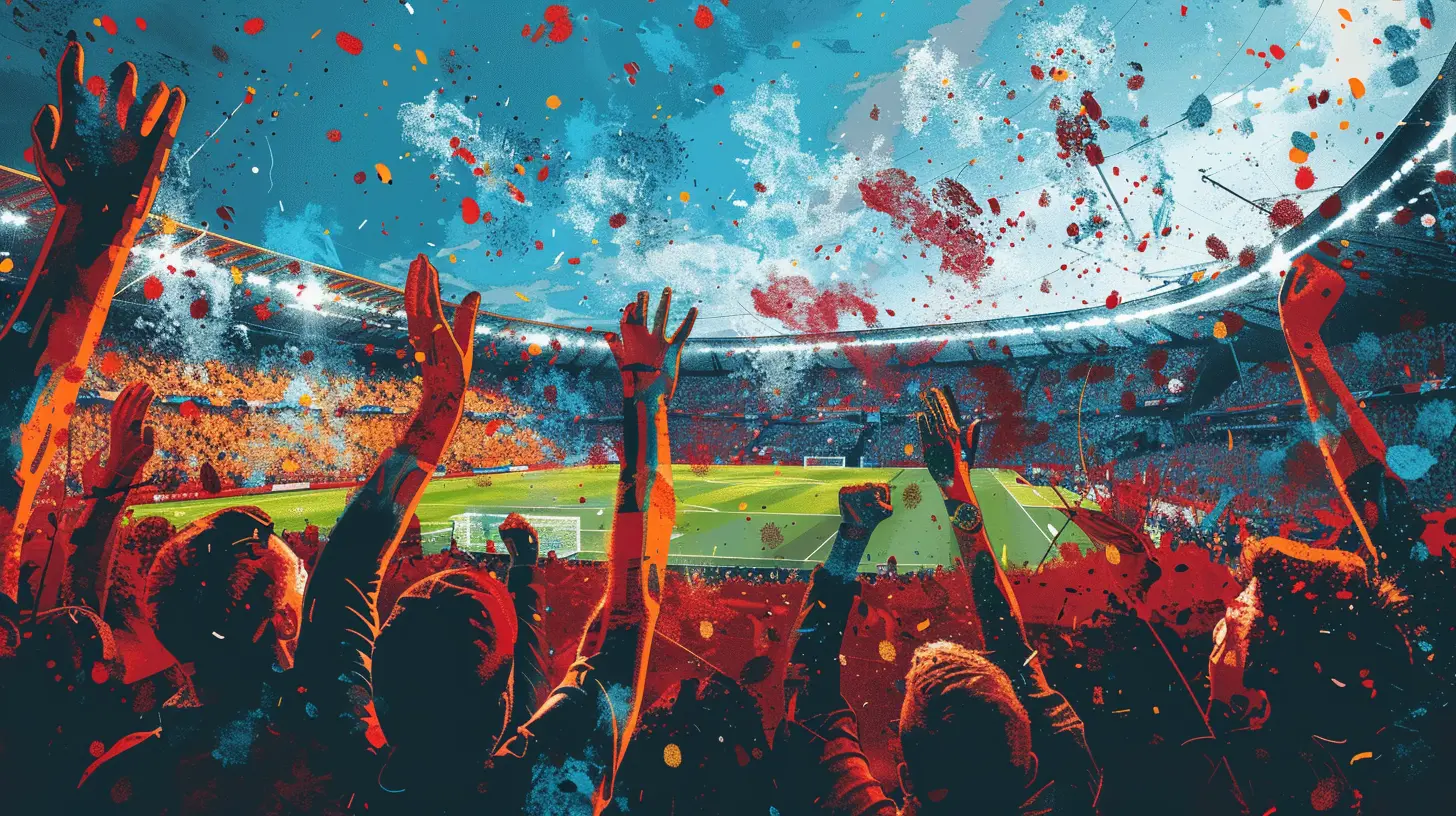
Creating Belonging Through Shared Identity
You ever walk into a room and spot someone wearing your team’s logo? Instant connection, right?Fan art works the same way — it builds identity and community.
Artists often include visual cues like colors, logos, player numbers, or stadium backdrops. That imagery reminds fans of exactly who they are: part of a tribe. When these visuals start making the rounds online (or get printed on stickers, tees, and posters), they don’t just represent pride, they attract people who share that pride.
They create a visual shorthand that says: “You get it. You’re one of us.”
In that sense, fan art doesn't just decorate walls or social feeds — it decorates the soul of the community.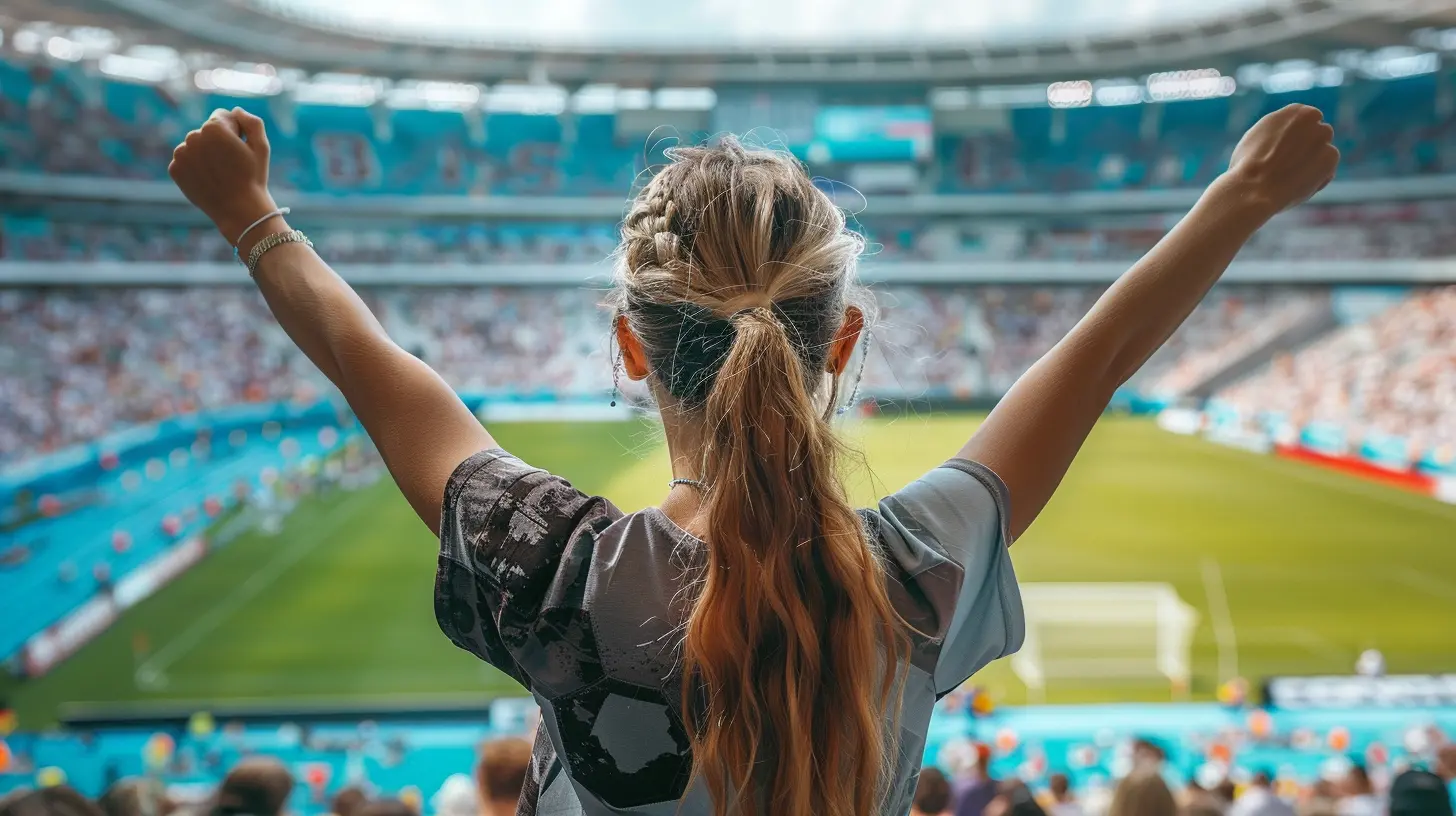
Amplifying Voices That Might Go Unheard
Let’s get a little deeper here.In mainstream sports media, coverage often focuses on players, coaches, and big-name personalities. But what about the fans? What about the underdog stories, the grassroots movements, the smaller teams or leagues?
Fan artists often shine a light on underrepresented athletes and moments. They take control of the narrative and say, “This is important too.”
For instance, artists have turned WNBA legends into pop icons. They've celebrated Paralympians with breathtaking illustrations. They’ve honored local heroes in small towns with murals. Fan art fills in the gaps where traditional media doesn’t reach.
That gives the community a more diverse voice—and that makes the culture richer.
Driving Engagement in the Digital Age
Let’s face it — sports consumption has changed. We’re no longer just watching games. We’re streaming, tweeting, reacting, and... creating.Social media and digital platforms have turned fan art into a content goldmine. Artists post a concept one night and wake up to thousands of shares the next. Athletes themselves often repost or react to these works, which fuels a two-way street of engagement.
And when teams or leagues get involved? That’s when it really pops. Some franchises have even commissioned local artists to create official posters, event promos, or merchandise. That brings authenticity to their brand and gives fans the ultimate nod: “We see you. We appreciate your love.”
Pretty powerful, huh?
Inspiring Future Generations
Let’s not forget the ripple effect.When a young fan sees a piece of artwork featuring their sports hero, their wheels start turning. Maybe they pick up a pencil for the first time. Maybe they start noticing details in games they used to overlook. Maybe they realize that fandom isn’t just about watching — it’s about participation and creativity.
Fan art opens doors.
It tells kids and teens (especially the ones who don’t see themselves reflected in mainstream sports media) that they belong, that their perspective matters, and that there's more than one way to be a fan.
That's not just community building. That's legacy building.
The Role in Fundraising and Awareness
Fan art doesn’t just live in galleries or on your phone’s wallpaper. It’s also a weapon for good.Artists often donate their work to fundraisers, create prints for charity sales, or collaborate on campaigns that raise awareness for causes like mental health, racial justice, or local community needs.
One striking example? During the height of the COVID-19 pandemic, artists created stunning sports-themed pieces to help raise money for impacted stadium workers and healthcare heroes. The sports community rallied around that with full force.
When you mix emotion, community, and creativity, you get a support system that's as tough as the athletes on the field.
A Medium Without Borders
Think about it: fan art is language-agnostic.You don’t need to speak the same language to appreciate a dramatic sketch of Messi mid-goal or a comic strip of Serena Williams smashing through adversity. Art speaks to all of us.
In that way, fan art crosses oceans, cultures, and time zones.
It connects someone in Tokyo with someone in Toronto. It unites people who may never watch a game together in person but feel the same joy (or heartbreak) when their team wins or loses.
It’s like a visual version of the wave at a stadium—everyone’s in sync, even when they’re miles apart.
The Future of Fan Art in the Sports World
So, what’s next?Well, we’re seeing fan art merge with tech in some wild ways:
- Augmented reality (AR) sports posters
- NFT collectibles created by fan artists
- Fan-designed video game skins for athletes
- Even AI-assisted artwork that brings past legends to life in new styles
As technology evolves, fan art will only grow more immersive and interactive. But no matter how advanced it gets, its heart stays the same: passion.
And as long as fans love sports, they’ll keep finding creative ways to show it.
Final Thoughts
You might not think about artwork when you think about sports, but maybe you should. Fan art is more than pretty pictures — it’s the emotional glue that binds us as fans. It gives a platform to voices that matter, fuels imagination, and helps us feel connected to a team, a city, and each other.So next time you scroll past a sketch of your favorite athlete or see a mural of a game-winning moment — pause. Appreciate it. Share it.
Because behind that art is a fellow fan who felt what you felt... and decided to put it on canvas.
And that, my friend, is the heartbeat of a strong sports community.
all images in this post were generated using AI tools
Category:
Fan EngagementAuthor:

Everett Davis
Discussion
rate this article
1 comments
Evangeline Peterson
Fan art captures passion, uniting fans and players in a shared emotional experience.
July 30, 2026 at 3:27 AM
Everett Davis
Absolutely! Fan art truly bridges the gap between fans and players, creating a deeper connection and celebration of the sport.