The Role of Influencers in Modern Fan Engagement
28 December 2025
Let’s face it — the way we connect with our favorite athletes, teams, and sports in general has changed. Gone are the days where we only interacted with our favorite stars through TV interviews or post-game pressers. Today, it's all about feeling connected — and that's where influencers step in. They’re not just posting selfies and sponsorships anymore. Influencers are the new MVPs (Most Valuable Promoters) when it comes to driving fan engagement in the modern sports world.
So, how did this shift happen? Why are influencers suddenly playing such a huge role in the sports fan experience? And what does this mean for teams, leagues, athletes, and most importantly, the fans?
Let’s dive in.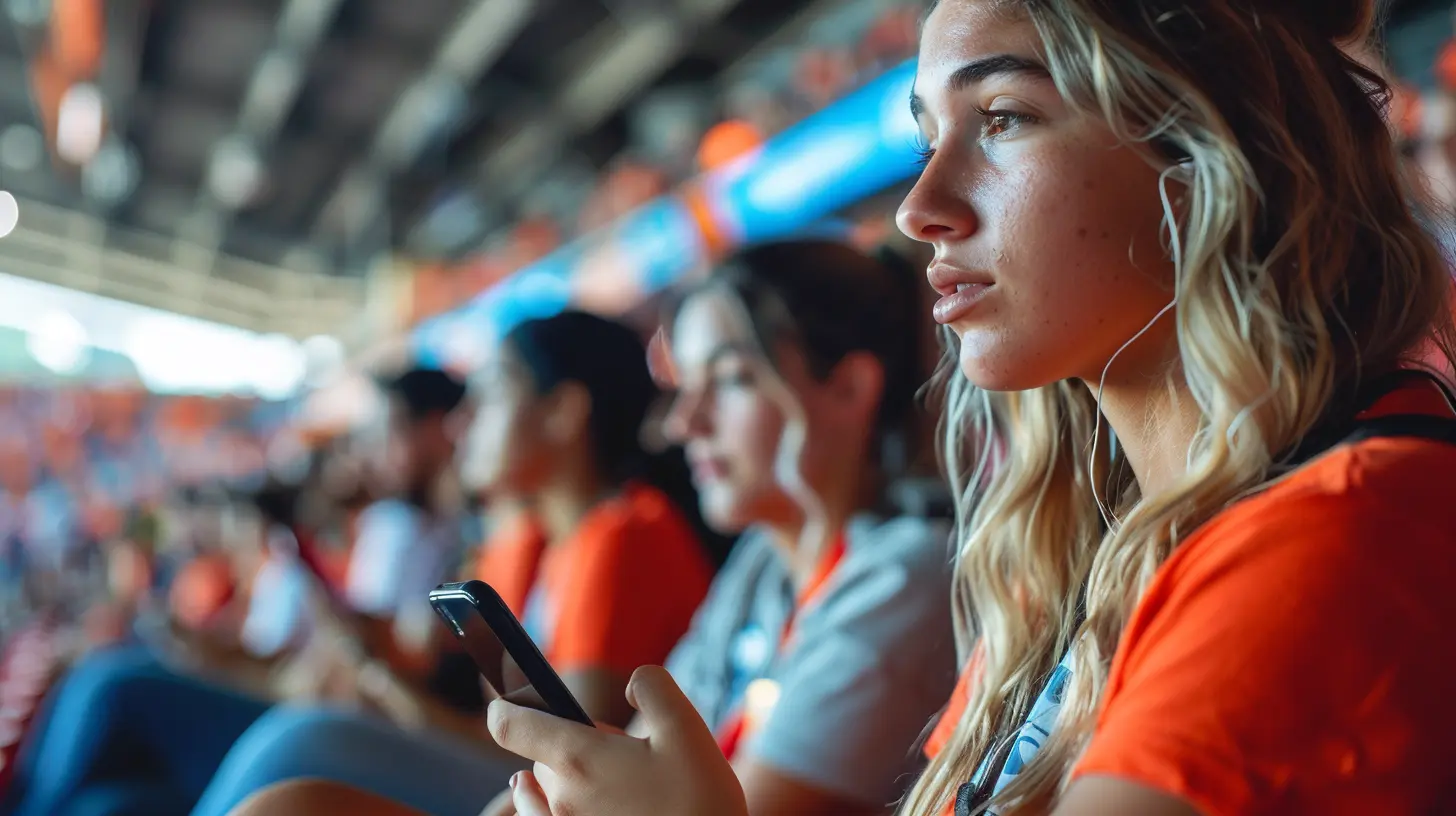
What Is Fan Engagement Anyway?
Before we dive into the influence of, well, influencers — let’s break down what we mean by fan engagement.Fan engagement is all about connection. It's how teams and athletes build relationships with fans beyond just the scoreboard. It’s tweets, behind-the-scenes videos, TikToks, fantasy leagues, merchandise drops, watch parties, and even memes. Basically, if it makes fans feel like they’re part of something bigger — like they’re in the huddle — that’s engagement.
Now that we’ve got that out of the way, let’s talk about who’s driving this new wave of interaction.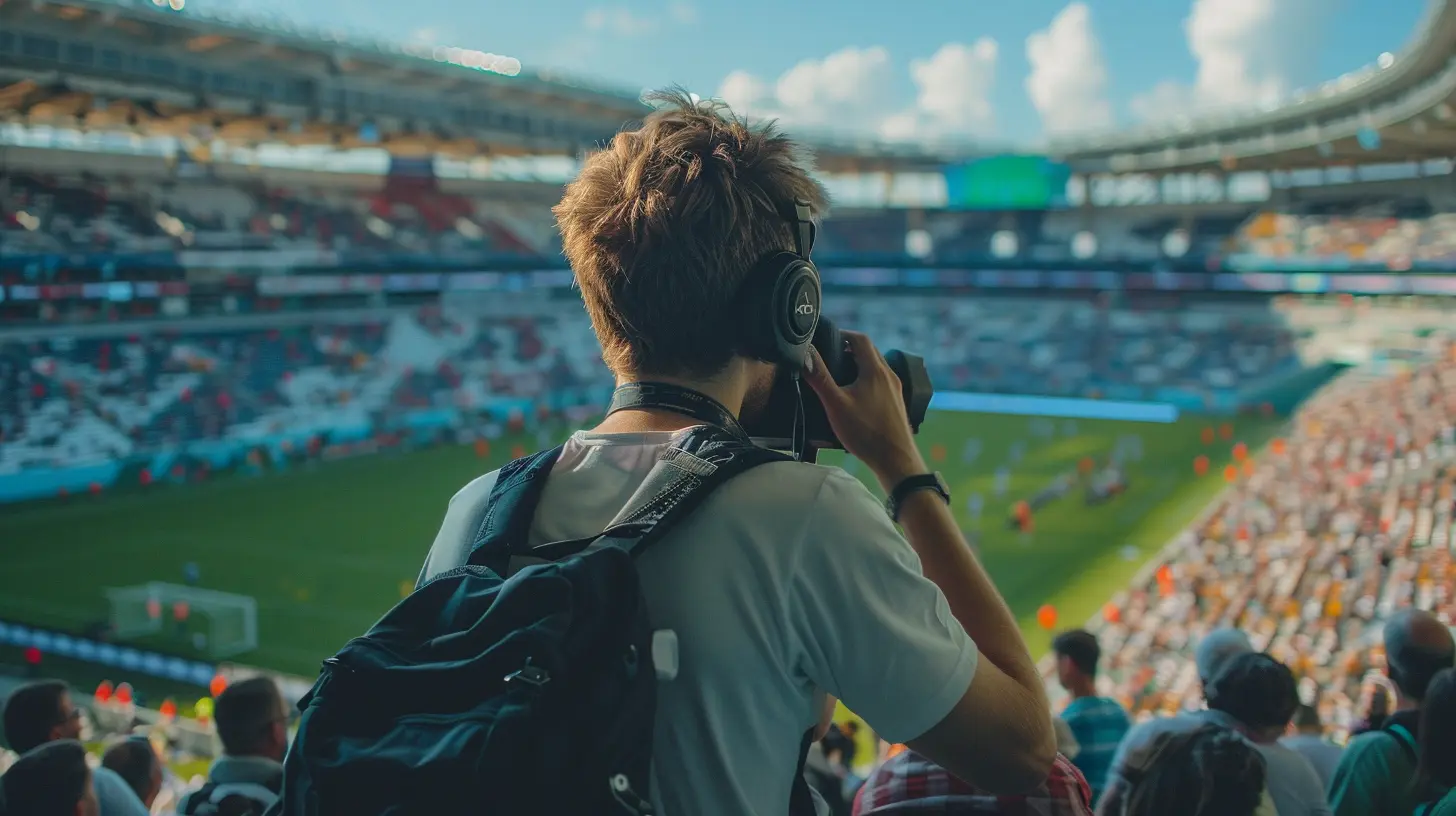
Influencers: The New Players Off the Field
Influencers are people who’ve built a loyal following on platforms like Instagram, YouTube, TikTok, and Twitter (or X, depending on who you ask). They might not be pro athletes, but they command influence over the thoughts, opinions, and spending habits of their audience.In the sports world, they come in all forms:
- Former athletes giving commentary and analysis.
- Creators who make sports-themed skits or challenges.
- Die-hard fans who post reaction videos and hot takes.
- Fitness gurus who cross over into sports content.
- Esports streamers hyping up digital competitions.
And what makes them so powerful? Authenticity. They feel like one of us — just with better lighting and editing skills.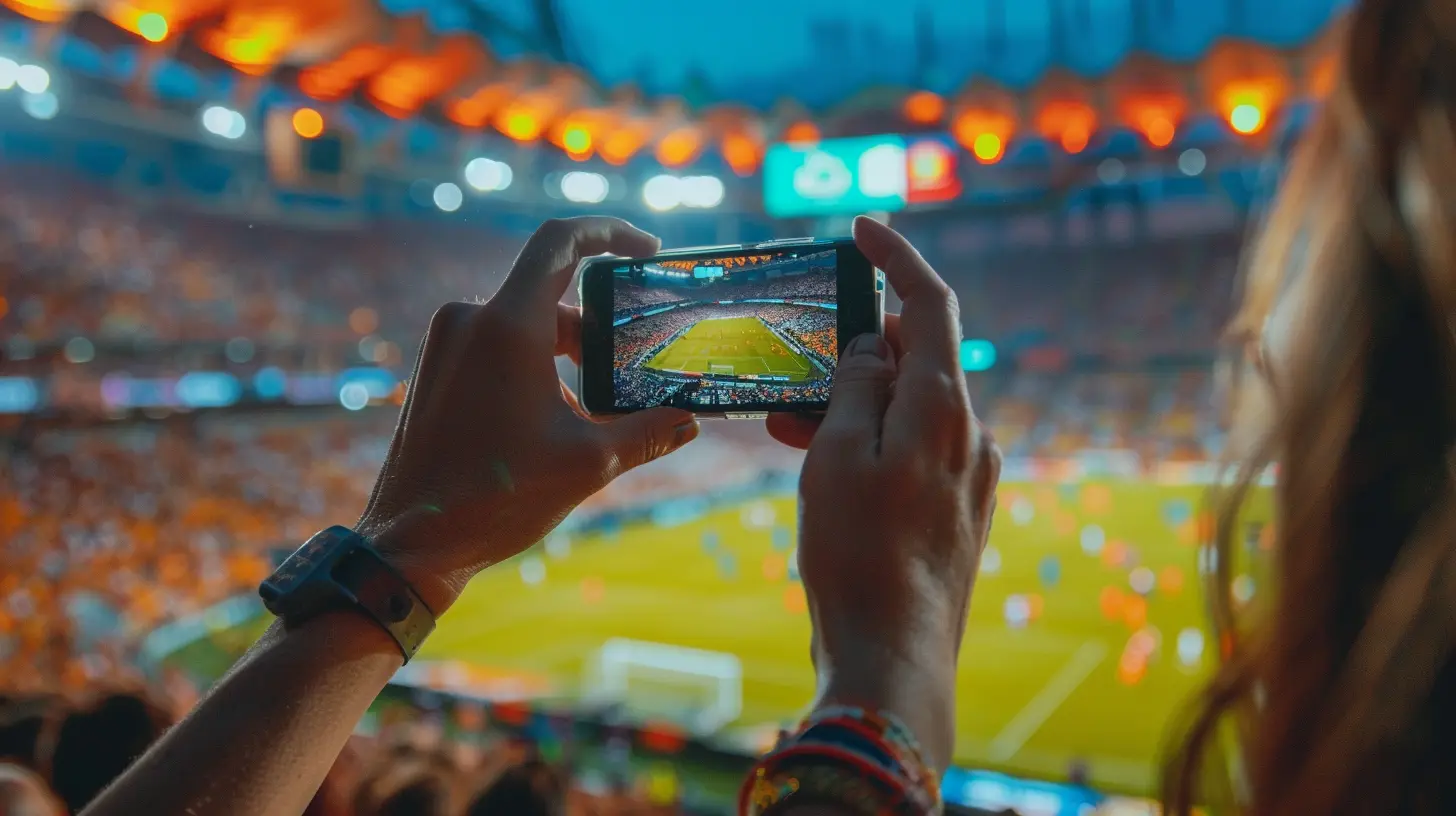
Why Do Fans Trust Influencers?
Simple. People relate more to a YouTuber showing raw emotion over a game than a suit-and-tie anchor rehashing highlights.Influencers speak fan. They’re not weighed down by corporate scripts or media training. They can say things like, “That ref was trippin’,” or post a video titled “I cried after my team choked again 😭.” That raw, unfiltered energy? Fans eat it up.
It’s like having a friend who’s just as obsessed with your team as you are. That bond? It keeps fans coming back for more.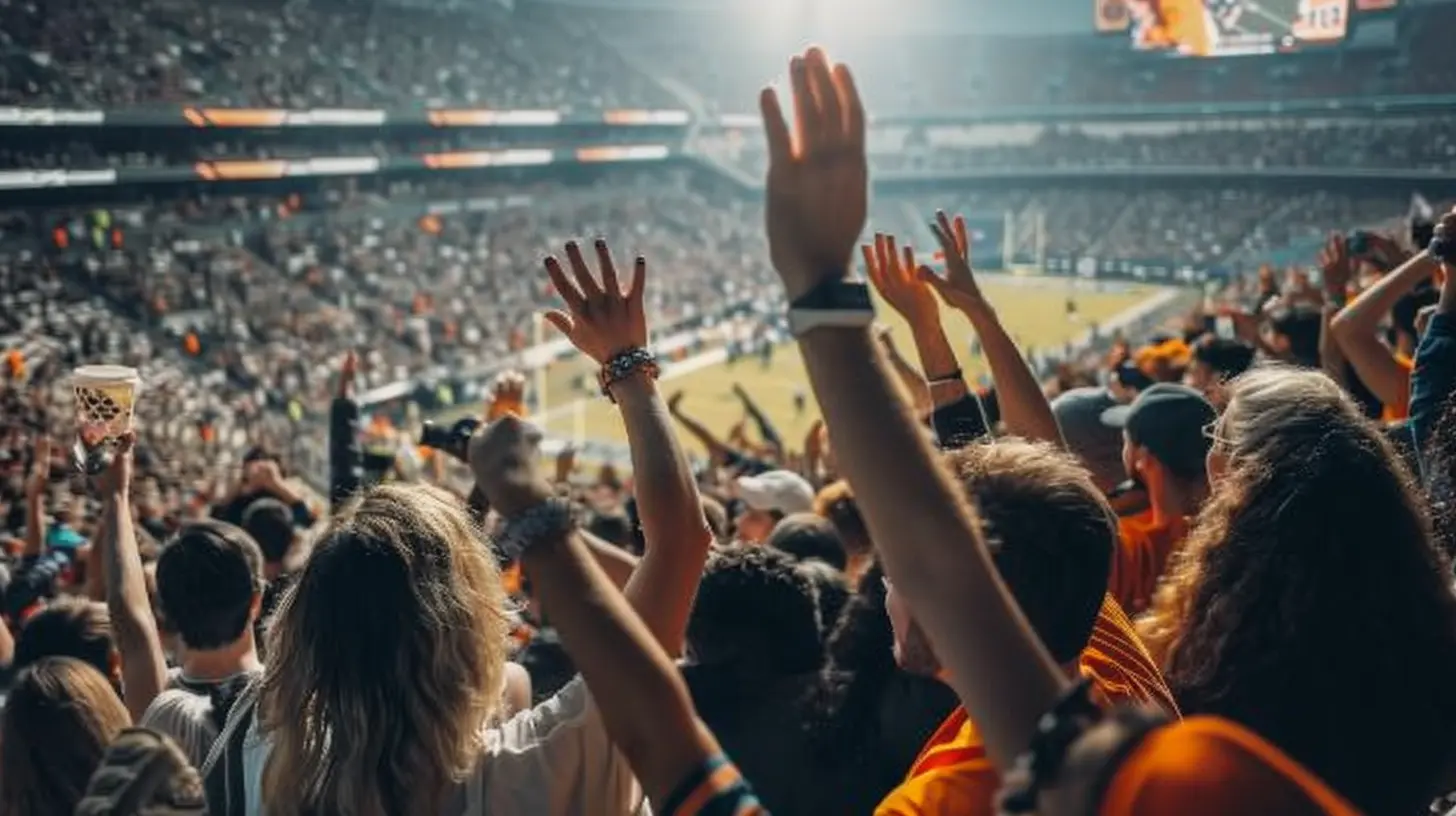
The Athlete-Influencer Collab Is a Game-Changer
One of the biggest game-changers in fan engagement is the growing trend of athletes collaborating with influencers. Think about it — when a popular TikToker does a dance video with an NBA star, that content reaches millions, and not just your typical sports fans.Not only does this expand the athlete’s reach, but it also boosts the influencer’s credibility. It’s a win-win. The fans? They get premium content that’s entertaining and exclusive.
And it’s not always about dancing — some influencers interview athletes, challenge them in video games, or even create mini-documentaries that show a side of the athlete we never get to see on ESPN.
Teams Are Getting in on the Action Too
Sports organizations aren’t sitting on the sidelines anymore. They’ve realized that partnering with influencers is a goldmine for engagement.Here’s what that looks like:
- Inviting influencers to games and letting them vlog the experience.
- Hosting livestream Q&As with fan-favorite creators.
- Giving early access to merch or behind-the-scenes content.
- Launching branded campaigns featuring influencer voices.
Why does it work? Because influencers make fans feel like they’re part of the action. When a popular TikToker is at a game showing off the atmosphere, food, chants, and locker-room vibes — fans watching from home feel plugged in.
Influencers Bring the Hype (and the Critique)
Let’s be real — influencers aren’t just cheerleaders. They’re commentators, critics, and storytellers. They hype up the highs and roast the lows.Take a look at YouTube creators who do post-match breakdowns or TikTokers who do dramatic reenactments of controversial calls. They turn everyday moments into viral content, and that sparks conversation — the holy grail of engagement.
Love them or hate them, influencers drive the sports discourse these days.
Social Media: The Playing Field of Influence
Influencers thrive on social media, and that's where most sports fans are hanging out these days. Whether it’s Twitter threads, Instagram Stories, or TikTok dances, fans aren't just watching the game — they’re talking about it, reacting in real time, and creating content of their own.Influencers are like quarterbacks on the social timeline — calling plays, setting trends, and throwing passes (aka posts) that bring everyone into the conversation.
And thanks to algorithms, the more fans engage with influencer content, the more it gets shared, seen, and spotlighted. It's a feedback loop that keeps the hype alive between games, during the off-season, and even in niche sports that don’t usually get mainstream attention.
Micro vs. Macro: Not All Influencers Are Created Equal
Here’s the thing — you don’t need millions of followers to make an impact.Micro-influencers (think 10k to 100k followers) often have tighter communities than massive celebrity creators. They’re more responsive, more relatable, and often have higher engagement rates. In other words, quality over quantity.
For under-the-radar teams or niche sports, partnering with micro-influencers can be more effective than going the superstar route. It’s like choosing a reliable point guard over a flashy dunker — the fundamentals still win games.
The Line Between Influencer and Fan Is Blurring
In a way, we’re all influencers now. With platforms like TikTok and X giving everyone a voice, regular fans with a sharp take or a funny meme can go viral overnight.This “fan-powered influence” makes engagement even more democratic. A viral tweet from a fan can spark a trend. A reaction video can generate empathy, laughter, or even outrage. Suddenly, fans are part of the show.
Influencers help lead that charge, but they’re also proof that with the right energy and a little creativity, anyone can shape the conversation.
Influencer Marketing in Sports: A Slam Dunk for Brands
Let’s talk business for a sec.Brands have caught on to how powerful influencers are in the sports world. Sponsoring a player is still cool, but getting a creator to wear your gear while watching the game or running a giveaway while live-tweeting? That’s a whole new level of exposure.
Why? Because influencer content feels organic. It's not a commercial — it's a story. It’s a “look what I got” instead of “go buy this.” And that subtlety hits harder with today’s savvy fans.
The Power of Storytelling
At the heart of it all, influencers are storytellers. Whether it’s a long-form podcast breaking down a team’s rise from underdog to contender, or a short skit about the heartbreak of a last-second loss, it’s all about telling sports stories in ways that connect.This storytelling builds emotion, and let’s be honest — sports are nothing without emotion.
Influencers tap right into that — turning games into narratives, moments into memes, and athletes into legends.
Influencers Keep Sports Accessible
Not every fan can afford box seats or cable subscriptions. But they can follow influencers who give them recaps, reactions, and real community.This accessibility means sports isn’t locked behind paywalls or elite access. Influencers open the doors wider, giving more people a chance to fall in love with games, players, and teams they might never have discovered otherwise.
In a world that can sometimes feel exclusive or corporate, that’s a breath of fresh air.
Final Thoughts: Why Influencers Matter Now More Than Ever
The role of influencers in modern fan engagement isn’t just a trend — it’s a transformation.They’ve shifted the center of the conversation from the boardroom to the timeline, from TV to TikTok, from the press box to the people.
Fans don’t just watch sports anymore — they feel them, live them, share them. And influencers are right there in the middle — stirring the pot, spreading the love, and keeping the spirit of the game alive 24/7.
So, whether you’re a die-hard fan, a casual observer, or a brand looking to make a move — remember this: in the game of modern sports, influencers aren’t just part of the roster.
They’re changing the rules.
all images in this post were generated using AI tools
Category:
Fan EngagementAuthor:

Everett Davis
Discussion
rate this article
2 comments
Runevale McDonald
Empowering fans through connection—let's elevate the game!
January 27, 2026 at 5:01 AM
Everett Davis
Absolutely! Connections are key to enhancing the fan experience and influencers play a vital role in that. Let's keep pushing boundaries!
Raine Cantu
Influencers bridge gaps, enhancing fan connections and loyalty.
December 28, 2025 at 12:08 PM
Everett Davis
Thank you! It's true that influencers play a vital role in fostering deeper connections between fans and brands, enhancing loyalty and engagement in today's digital landscape.