The Role of Sports Movies in Shaping Cultural Narratives
30 March 2026
Sports movies have always held a special place in the hearts of audiences. Whether you're an avid sports fan or just someone who loves a good underdog story, there's something about these films that transcends the playing field. They do more than just entertain — they often play a crucial role in shaping cultural narratives. But how exactly do sports movies influence the way we view society, values, and even ourselves? Let's dive deep into this fascinating relationship between sports films and culture.
Why Sports Movies Resonate So Strongly
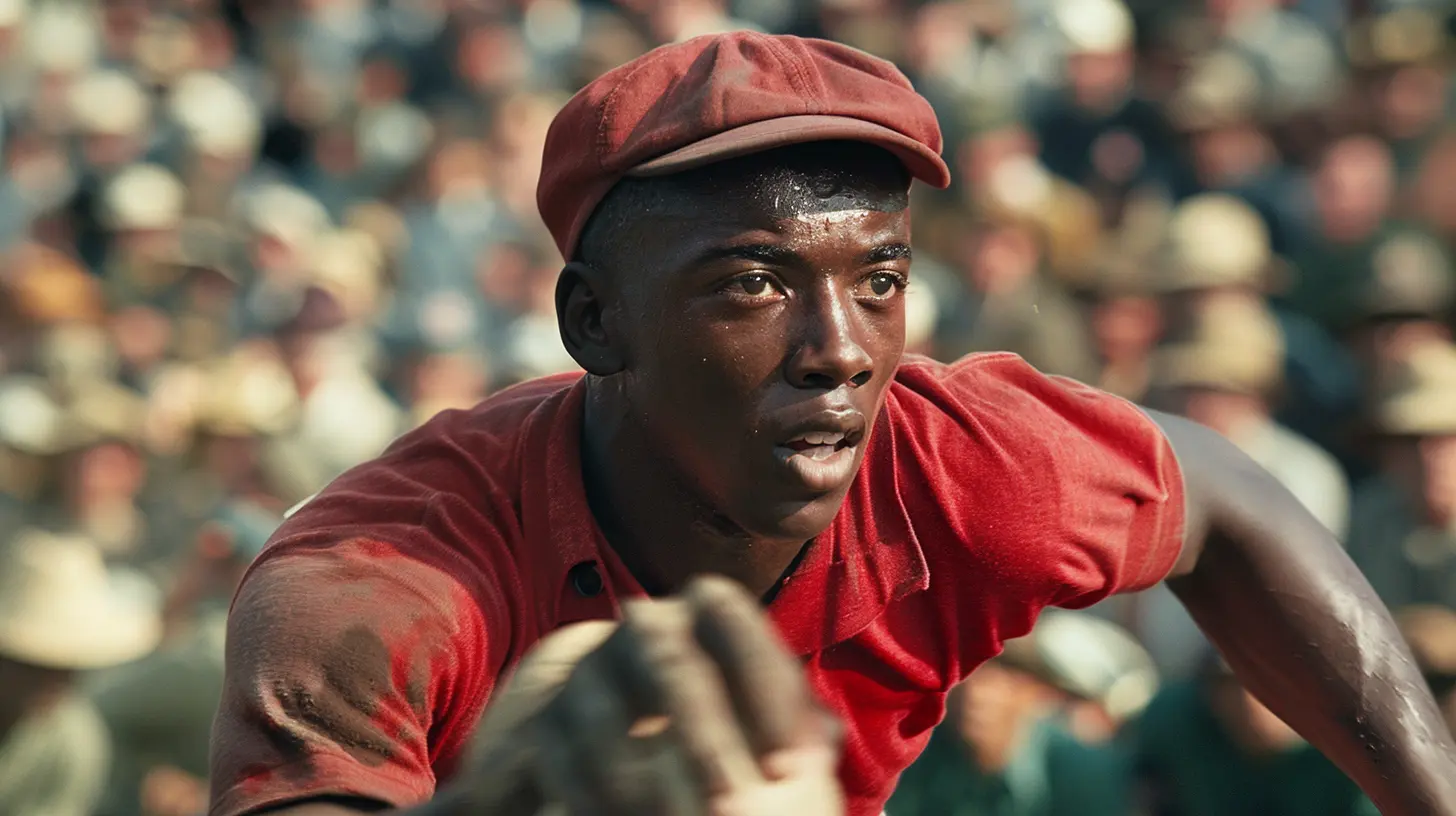
First off, why are sports movies so popular? It's simple: they tap into universal human emotions. The thrill of victory, the agony of defeat, the journey of self-discovery, and the importance of teamwork — these are themes everyone can relate to, whether you're on the field or watching from the stands.From the tension-filled final moments of a basketball game to the inspiring comeback of a boxer who refuses to stay down, sports films are essentially about life itself. And just like life, sports are unpredictable, emotional, and full of lessons. That's why sports movies resonate with such a wide audience. They aren't just about the game; they're about the human spirit.

The Underdog Story: A Cultural Staple
If we had to name one recurring theme in sports movies, it would be the underdog story. Think about it: how many films have you seen where the protagonist starts from nothing and, through sheer determination, rises to the top? Movies like Rocky, Rudy, and The Karate Kid have become cultural icons because they champion the idea that anyone can succeed, no matter what obstacles stand in their way.The underdog narrative is extremely powerful, especially in cultures that value individualism and the idea of "pulling yourself up by your bootstraps." In many ways, sports films reinforce the notion that hard work and perseverance can overcome any challenge. It's a message that resonates deeply with audiences, particularly in countries like the United States, where personal achievement is often celebrated.
But here's the thing: while we love the underdog story, it's not just about individual success. In many sports movies, the protagonist's journey is tied to a larger social or cultural movement. Films like Remember the Titans or Invictus show how sports can unite people across racial, cultural, and political divides. In these stories, the underdog isn't just fighting for personal glory — they're fighting for something bigger than themselves.
Sports Movies as a Reflection of Society
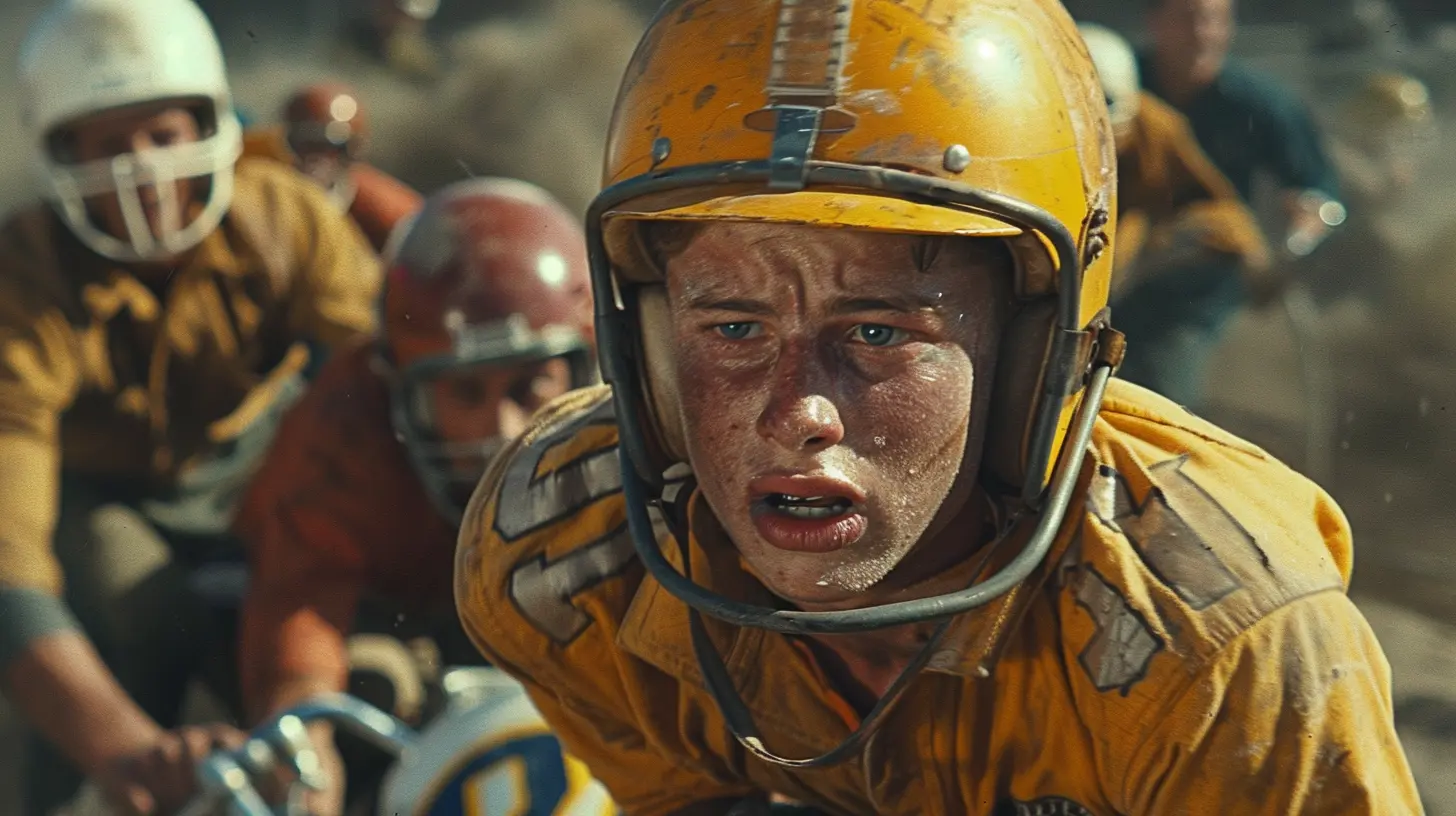
Sports films don't just exist in a vacuum. They're often a reflection of the social and political climate of their time. For example, movies like Ali or 42 delve into the experiences of athletes who broke racial barriers in their respective sports. By telling their stories, these films help audiences understand the broader struggles for civil rights and equality that were happening in society at the time.In this way, sports movies can serve as a lens through which we view history. They remind us that sports aren't just games — they're a microcosm of the larger world. The triumphs and struggles seen on the field often mirror the triumphs and struggles happening in society. And because sports are so universally popular, films about them have the power to bring these issues to the forefront of public consciousness.

The Role of Gender in Sports Films
While sports movies have traditionally been male-dominated, there's been a growing shift towards telling stories about female athletes. Films like A League of Their Own, Bend It Like Beckham, and Million Dollar Baby have helped to challenge traditional gender roles in sports. These movies highlight the struggles and triumphs of women in sports, often in the face of societal expectations and gender-based discrimination.By showcasing the stories of female athletes, these films play a crucial role in changing the way we view gender in sports. They challenge the outdated notion that sports are a "man's world" and show that women can be just as competitive, dedicated, and successful as their male counterparts.
However, it's worth noting that there’s still a long way to go. While stories about male athletes are abundant, films about female athletes are still relatively rare. This disparity speaks to broader issues of gender inequality, both in sports and in Hollywood. But as more and more female athletes continue to break barriers in real life, it's likely that we'll see more films telling their stories in the future.
Sports Movies as a Source of Inspiration
One of the most powerful aspects of sports movies is their ability to inspire. Whether it's a fictional tale of a ragtag team of misfits coming together to win the championship or the true story of an athlete overcoming incredible odds, sports films often leave us feeling motivated and uplifted.Take, for example, the movie Rocky. The story of a small-time boxer who gets a shot at the world heavyweight title has become one of the most iconic inspirational films of all time. It's not just about boxing; it's about hope, resilience, and the belief that anyone can achieve greatness if they work hard enough.
Similarly, movies like Coach Carter and The Blind Side don't just focus on the game itself, but on the personal growth of the characters involved. These films show that sports can be a vehicle for self-improvement, both on and off the field. They remind us that success isn't just about winning — it's about becoming the best version of yourself.
The Global Impact of Sports Films
While many of the most famous sports movies come from Hollywood, the genre has a global appeal. Films like Lagaan (a Bollywood film about a cricket match that becomes a symbol of resistance against colonial rule) or Shaolin Soccer (a Chinese film blending martial arts and soccer) show that sports films can transcend cultural and linguistic barriers.In many countries, sports are a source of national pride, and films about sports can serve as a way to celebrate that pride. Whether it's a story about a local hero or a national team, sports films often evoke a sense of unity and collective identity. And because sports themselves are a global language, these films can resonate with audiences around the world.
Moreover, sports movies can introduce audiences to sports they might not be familiar with. For example, while cricket isn't widely played in the United States, films like Lagaan have helped to introduce American audiences to the sport. Similarly, movies like Cool Runnings (about the Jamaican bobsled team) have brought lesser-known sports to the forefront of popular culture.
Sports Movies and the Hero's Journey
In many ways, sports films follow the classic "hero's journey" structure. The protagonist starts out in an ordinary world, faces a series of challenges, and ultimately achieves some kind of transformation. This transformation might be personal, like in Rocky, or it might be societal, like in Remember the Titans.The hero's journey is a narrative structure that has been used for centuries, and it's no surprise that it fits so well with sports movies. After all, sports themselves are a kind of journey. Athletes train, face obstacles, and ultimately strive to reach their goals. And just like in the hero's journey, the most satisfying sports movies are the ones where the protagonist grows and learns along the way.
This structure is also why sports movies tend to be so emotionally engaging. We root for the protagonist because we see a little bit of ourselves in their journey. We all face challenges in life, and watching someone overcome those challenges on screen can be incredibly cathartic.
Conclusion: The Lasting Impact of Sports Movies
At the end of the day, sports movies are more than just entertainment. They shape cultural narratives in profound ways, whether by reinforcing the underdog spirit, reflecting societal issues, or inspiring personal growth. These films remind us that sports are about more than just winning or losing — they're about the human condition.Sports movies have the power to unite us, to challenge our perceptions, and to leave us feeling inspired. They take us on a journey, not just through the world of sports, but through the complexities of life itself. So, the next time you sit down to watch a sports movie, remember: you're not just watching a game — you're watching a reflection of the world around you.
all images in this post were generated using AI tools
Category:
Sports MoviesAuthor:

Everett Davis
Discussion
rate this article
2 comments
Elias Gonzalez
Sports movies inspire and unite us!
April 4, 2026 at 4:00 AM
Everett Davis
Absolutely! Sports movies capture our shared passions and experiences, creating a powerful sense of community and inspiration.
Kassidy Hunter
Sports movies: where underdogs become legends, popcorn becomes a food group, and crying over fictional victories feels just as cathartic as a last-minute game-winner!
March 31, 2026 at 5:03 AM
Everett Davis
Absolutely! Sports movies tap into our shared desire for triumph and resilience, elevating underdogs into symbols of hope while reinforcing the power of storytelling in our cultural fabric.