The Science Behind Streamlining: How to Glide Through the Water Faster
28 January 2026
Ever watched an elite swimmer cut through water like a knife through warm butter and wondered, “How do they make it look so easy?” Well, you're not the only one. The answer, my friend, lies in one word: streamlining. It’s not just about raw strength or hours of training — it’s about working smarter, not harder.
Whether you're a casual swimmer, a triathlete, or someone gunning for the next swim meet, understanding the science behind streamlining can completely change your performance in the water.
Let’s dive in (pun intended!), and I'll show you everything you need to know to glide like a dolphin and leave drag in your wake.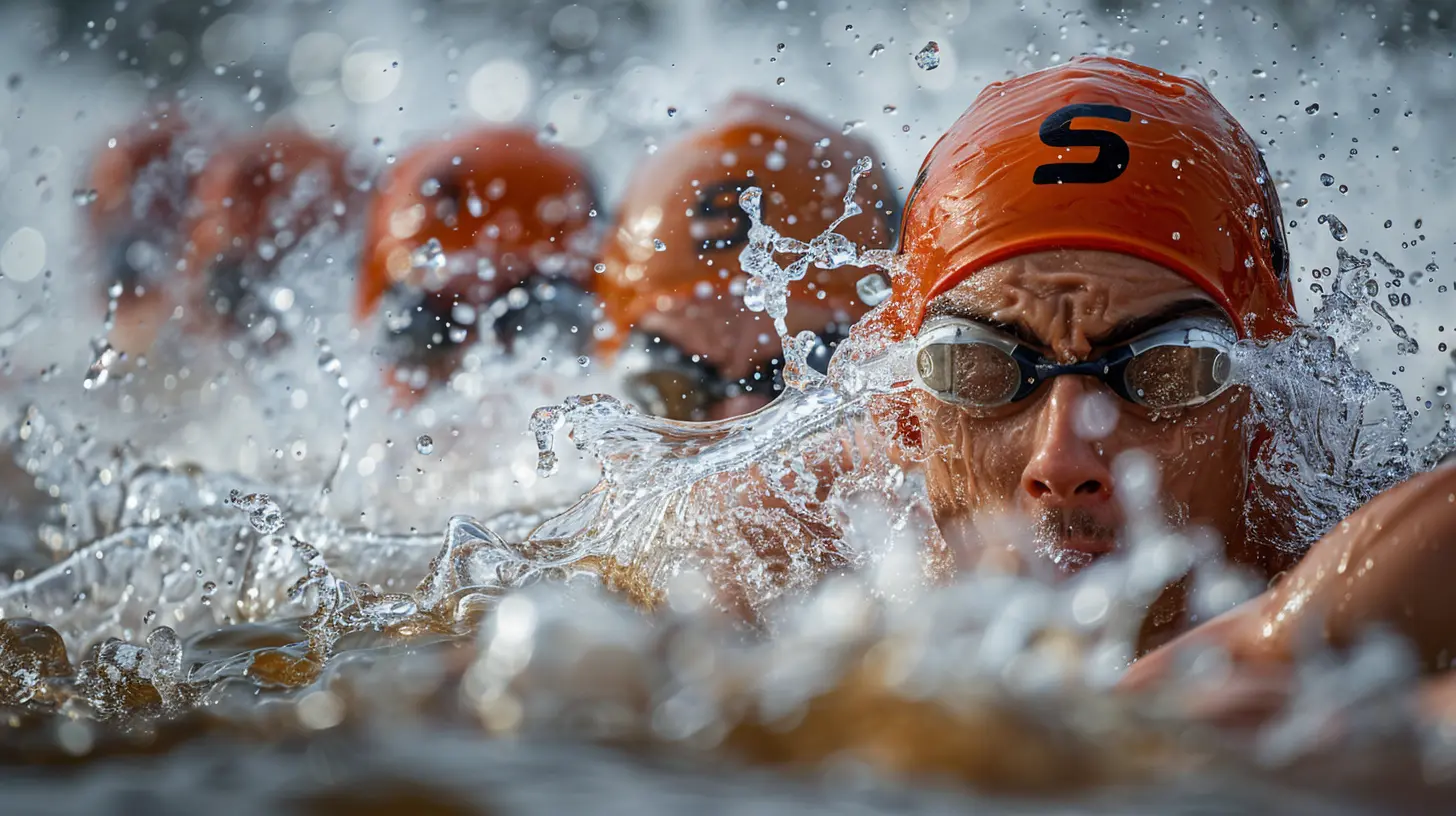
What Does Streamlining Actually Mean?
Let’s break it down — streamlining is simply the act of reducing resistance while moving through water. Remember, water is 784 times denser than air. That means every movement you make is met with a whole lot of pushback. Your mission? Cut through that resistance like a hot knife through butter.Think of it like driving a car. A sleek sports car with an aerodynamic shape slices through wind with ease, while a boxy van struggles. The same principle applies underwater — your body is the vehicle, and streamlining is your aerodynamics.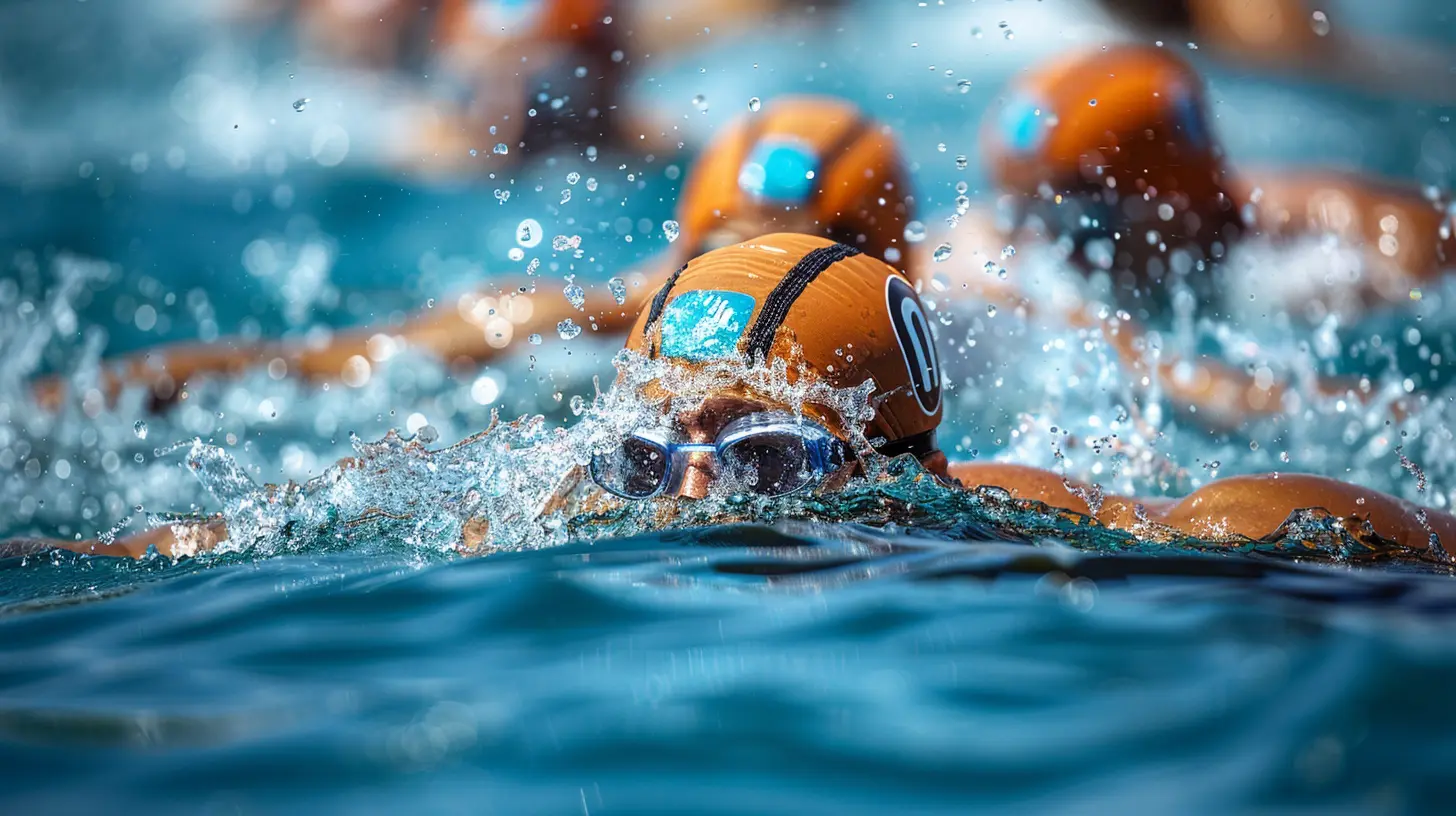
The Role of Hydrodynamics: Your Underwater Best Friend
Hydrodynamics sounds like one of those complicated science terms, but it’s really not. It just means how water flows around objects — in our case, how it flows around you.When your body's position minimizes turbulence and drag, you become hydrodynamic. Picture a torpedo. It’s long, narrow, and perfectly designed to shoot through water. That’s your goal — to become as torpedo-like as a human body can.
Two types of drag affect swimmers:
- Form Drag: Caused by the shape of your body in the water.
- Friction Drag: Resulting from water rubbing against your skin or suit.
The better your streamline, the less of both these drags you’ll experience.
Why Streamlining Matters More Than You Think
You might think faster swimming comes from pulling harder or kicking faster. And while those help, they only take you so far. What really gives you an edge? Efficiency.Get this: Olympic swimmers spend around 70% of their races in some form of streamline — starts, turns, and glide phases. That’s a huge chunk of the race where technique matters more than power.
Your energy is a limited resource. Streamlining helps you conserve it, allowing you to swim longer, faster, and with less fatigue. It’s kind of like putting your bike in the right gear — suddenly, everything feels smoother.
The Perfect Streamline Position (And How to Achieve It)
Let’s talk technique, because a perfect streamline doesn’t just happen. You’ve got to build it. Here’s what it looks like:1. Arms extended, hands stacked — One hand on top of the other, squeeze your biceps to your ears.
2. Head in neutral position — Eyes looking down, not forward.
3. Body in a straight line — No arch in your back, no bend at the hips.
4. Legs together, toes pointed — Like one strong, unified blade.
Now, here’s a trick: imagine you’re a laser beam shooting forward from your fingertips. Any wiggle or sag breaks the beam. Stay tight, stay sharp.
Streamlining During Starts and Turns
Starts and turns offer the biggest opportunity to use streamlining to your advantage. Why? Because you're at your fastest right after pushing off the wall or diving in.Think about it — you’ve got all that explosive power behind you. The worst thing you can do is waste it with sloppy form. A tight, clean streamline can keep your momentum going and slice your time down by precious milliseconds.
Here’s how to nail it:
- Push off explosively.
- Immediately lock into your streamline.
- Hold that position until your speed drops below swimming pace — then start your kick or stroke.
It might feel like you're doing nothing, but trust me, you're flying.
The Magic of Core Strength and Flexibility
You can't talk streamlining without talking about the core. Your arms and legs might do the work, but your core is the foundation that holds everything together.A strong core helps you maintain that straight, tight body line. Without it, your hips sag, your back arches, and boom — hello, drag.
Add in flexibility, especially in your shoulders and ankles, and you're golden. The more flexible you are, the tighter and more effective your streamline can be.
Think of it like a rubber band — a tighter, more flexible band snaps forward quicker. That’s the kind of energy you want to harness.
Common Streamline Mistakes to Avoid
Even the best swimmers can fall into bad habits. Here are a few streamline saboteurs to watch out for:- Gaps between the arms and head – Water rushes into those spaces and slows you down.
- Bent knees or flared feet – Causes extra drag. Keep everything in line.
- Looking forward – Breaks your bodyline. Eyes down, remember?
- Rushing the breakout – Be patient; use your glide before transitioning into stroke.
Sometimes less is more. Don’t be in such a hurry to swim that you throw away precious speed.
Drills to Improve Your Streamline
Want to get better? Practice makes perfect, and here are a few drills that can help:1. Streamline Push-Offs
Push off every wall with a proper streamline. Make it a habit.2. Vertical Kicking with Streamline Arms
Kick in a vertical position with your arms in streamline overhead. Builds strength and teaches control.3. Wall-Glide Holds
Push off lightly and focus on holding that perfect position for as long as possible.4. Partner Streamline Checks
Have a swim buddy film or watch you — sometimes we don’t realize when we’re off-form.Add these drills to your warmup or cooldown, and you’ll notice a difference in no time.
Mind Over Water: The Psychology of Smooth Swimming
Now, this might surprise you — your mindset plays a huge role in how well you streamline.Ever noticed how tense muscles feel heavy? That’s because they are. If you’re tight and stressed, your streamline suffers. But when you’re relaxed, focused, and confident, things start clicking.
Visualization is powerful. Before each swim, close your eyes and see yourself slicing through the water like a torpedo. Feel your body in that perfect line. Then go out and make it real.
Confidence isn't just mental — it manifests physically. So tune into your inner calm and let your body flow.
Gear That Helps with Streamlining
While technique is king, the right gear can give you that extra edge:- Swim caps – Reduce drag caused by hair.
- Compression suits – Compress muscle groups and smooth out your body.
- Goggles – Comfortable goggles help you keep proper head position.
- Fins for training – Help you feel streamline speed in drills.
Remember, though, gear is the cherry on top — your form is the cake.
Streamlining in Open Water and Triathlon Swimming
If you're a triathlete or open water swimmer, you might be thinking, “Do I really need to worry about streamline?” Heck yes, you do.Even in choppy, unpredictable conditions, a tight body position makes you more efficient. It helps you conserve energy, maintain your line, and deal better with currents.
Use your streamline at the start, off any dive-ins, and even as part of your body rotation. It adds up, mile after mile.
Final Thoughts: Smooth Is Fast
At the end of the day, swimming fast isn’t about thrashing around as hard as you can. It’s about gliding, slicing, flowing. That’s what streamlining is all about — getting out of your own way and letting physics do some of the work for you.So next time you hit the pool, don’t just swim — swim smart. Every push-off is a chance to go faster without more effort. Every turn is a free burst of speed.
Refine your streamline, and you just might find yourself loving swimming even more. Because when you glide like a fish, nothing feels better.
all images in this post were generated using AI tools
Category:
SwimmingAuthor:

Everett Davis
Discussion
rate this article
2 comments
Kova McPherson
Great article! The science of streamlining is fascinating and crucial for improving swimming performance. Understanding the principles behind hydrodynamics can truly enhance a swimmer's technique. I appreciate the insights shared here, and I look forward to applying these concepts in training. Keep up the excellent work!
February 20, 2026 at 4:02 AM
Everett Davis
Thank you for your kind words! I'm glad you found the insights helpful and inspiring for your training. Happy swimming!
Otis Klein
Ah yes, because we all know the real secret to swimming faster is simply mastering the art of gliding. Who needs hours of practice when you can just float your way to victory?
January 30, 2026 at 1:51 PM
Everett Davis
While mastering gliding is important, it works best when combined with consistent practice and technique refinement. Both play a crucial role in swimming faster!