The Smartest Bets for the 2026 Super Bowl Matchup
16 September 2026
Every February, millions of people who could not name a single offensive lineman suddenly become gambling analysts. They stare at a betting board, squint at the numbers, and make a decision based on a gut feeling, a favorite color, or the team whose quarterback has a more likable face. Then they lose money and blame the referee.
If you want to be smarter than that, this guide is for you. We are going to talk about how to think about Super Bowl betting for the 2026 matchup, not just what to pick. That distinction matters. Anyone can hand you a prediction. Very few can explain the reasoning behind a bet, the situations where that bet makes sense, and the traps that quietly drain bankrolls every single year.
A quick honest note before we start: nobody knows the 2026 matchup yet. The conference champions will be decided on the field, and pretending otherwise would be silly. So instead of inventing a fake matchup, we will build a framework you can apply the moment the real one is set. That is far more valuable anyway, because the principles do not expire after one game.
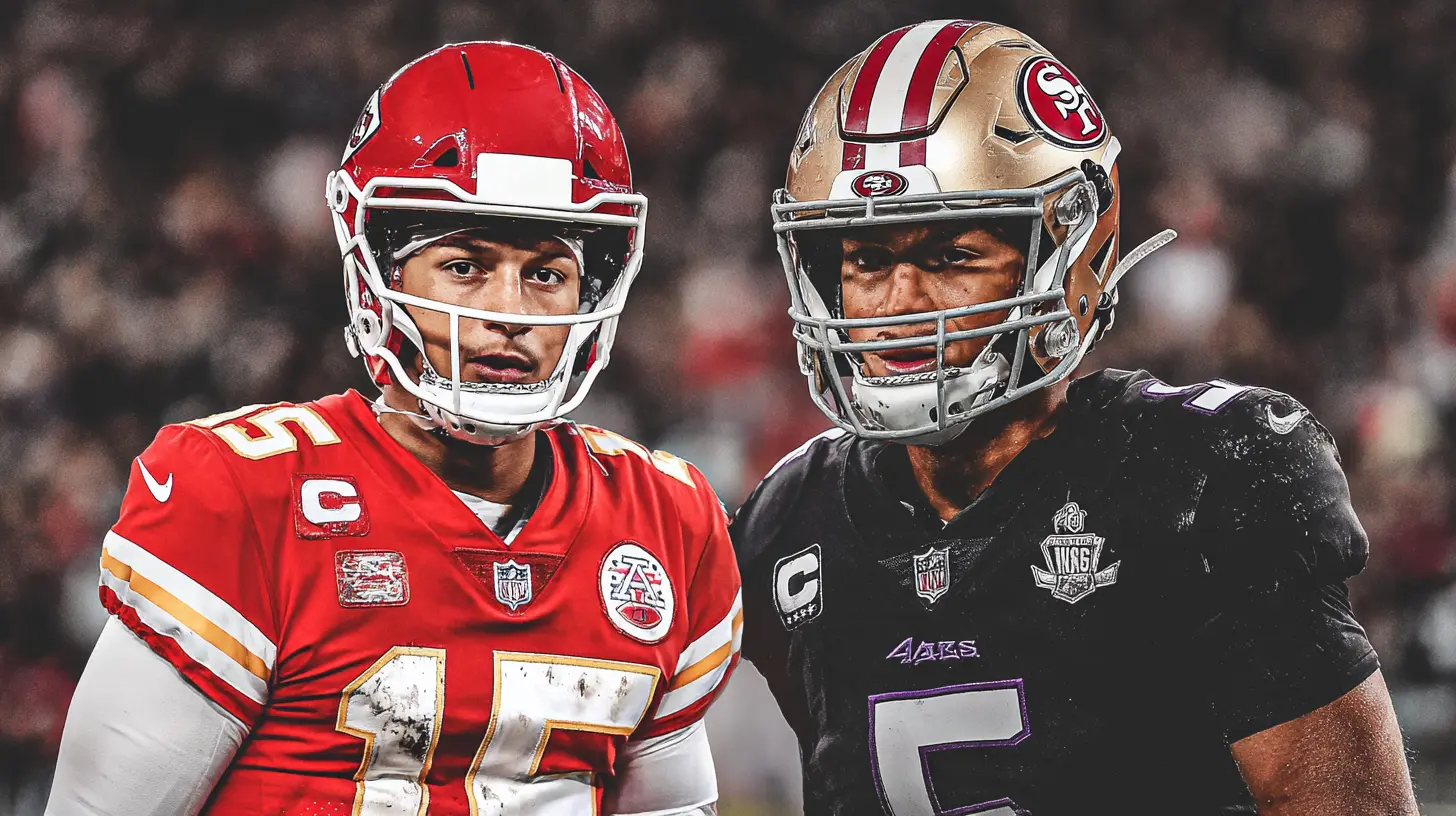
Why Super Bowl Betting Is a Different Animal
Regular season betting and Super Bowl betting do not belong in the same category. The Super Bowl is a one-game sample with a two-week buildup, a neutral field, and roughly a hundred million casual bettors flooding the market. That combination produces some genuinely strange pricing.The Long Layoff Changes Everything
During the regular season, teams play on short rest. Coaches install game plans in a few days. Players are in rhythm. For the Super Bowl, both teams get roughly two weeks off. That is an eternity in football terms.What does extra time actually do? It helps the more talented and better coached team. Preparation favors complexity, and complexity favors the side with more answers. It also tends to help defenses, because defensive coordinators can disguise more looks and install wrinkles that an offense has never seen on film.
This is why you will often hear sharp bettors talk about the total dropping or the under getting support as the game approaches. The long layoff historically nudges games toward lower scoring, though it is not a rule written in stone. Treat it as a tendency, not a law.
The Public Money Flood
Casual bettors overwhelmingly bet favorites and overs. They want to root for the team everyone talks about, and they want touchdowns. Sportsbooks know this. So when you see a line that seems slightly off, ask yourself a simple question: is this number shaped by information or by volume?If a line moves toward the popular team despite no injury news, that is usually public money, not smart money. If it moves the other way, someone with real information is leaning in.
Understanding the Main Bet Types Before You Risk a Dollar
You cannot bet intelligently on something you do not understand. Here is a plain explanation of the core markets, along with when each one actually makes sense.The Point Spread
The spread is the great equalizer. The bookmaker sets a number, and the favorite must win by more than that for the bet to cash.Why does the spread exist? Because without it, everyone would bet the better team and the book would go broke. The spread turns a lopsided matchup into a coin flip in theory.
When to use it: when you have a strong view on the margin of victory, not just the winner. If you think the underdog loses but keeps it close, the spread is your friend.
When to avoid it: when the number sits on a key figure like 3 or 7. Those numbers show up constantly in NFL final scores because of field goals and touchdowns. Buying a half point off a key number is sometimes worth the extra juice, and sometimes a waste of money. Know the difference before you click.
The Moneyline
The moneyline is simple. You pick the winner. No spread, no margin, just who lifts the trophy.The trade-off is obvious. Betting a heavy favorite on the moneyline means risking a lot to win a little. Betting an underdog on the moneyline means a small stake can pay handsomely, but the odds are against you.
When to use it: when you genuinely believe the underdog wins outright, or when you want to back a favorite without worrying about a backdoor cover. There is nothing more painful than winning the game and losing the bet because of a garbage-time touchdown.
The Over/Under
The total is the combined score of both teams. It has nothing to do with who wins.This is often the smartest market for casual bettors who understand football but not point spreads. If you have a strong read on pace, weather, or defensive matchups, the total lets you profit from that read without picking a side.
Player Props
Props are where the modern Super Bowl betting market really lives. Anytime touchdown scorer, passing yards, receptions, first touchdown, and dozens more.Props are fun and they can be profitable, but they carry hidden costs. The margins on props are wider than on sides and totals, meaning the book takes a bigger cut. That does not make them bad bets. It just means you need a bigger edge to overcome the price.
How to Actually Find Value in the 2026 Matchup
Now we get to the part that separates bettors from gamblers. Finding value is not about predicting the future. It is about identifying when a price is wrong.Line Shopping Is Not Optional
This is the single most reliable edge available to any bettor, and most people ignore it. Different sportsbooks post different numbers. A spread of -2.5 at one book might be -1.5 at another. Over the course of a season, that half point is worth real money.For the Super Bowl specifically, many books run promotions, boosted odds, and profit boosts. These are genuine value if you use them correctly. Read the terms. A boosted payout on a long shot is still a bad bet if the underlying price is terrible.
Situational Spots That Repeat Every Year
Certain patterns show up in Super Bowl betting with uncomfortable regularity. None of them are guarantees, but they are worth weighing.Teams that leaned on a dominant running game all season sometimes struggle when the opponent has two weeks to load the box. Teams with a rookie quarterback sometimes get exposed by disguised coverages they have not seen. Teams that won a dramatic conference championship sometimes come out flat emotionally.
On the flip side, teams that were counted out all season often play loose. The pressure sits on the favorite. That psychological asymmetry is real, even if it is hard to quantify.
Injury Information and the Two-Week Window
The long gap between the conference championships and the Super Bowl means injury news trickles out slowly. A player listed as questionable ten days out is often fine. A player who misses practice in the final week is a genuine concern.The trap here is overreacting to early reports. Books adjust lines based on news, and the public overreacts to headlines. If you can distinguish between a minor tweak and a real problem, you have an edge.
Comparing Betting Approaches: Which One Fits You?
There is no single correct way to bet the Super Bowl. There are only approaches that fit your temperament, your bankroll, and your knowledge.The Analytical Approach
This bettor builds a model, weighs variables, and bets when the model disagrees with the market. It requires discipline and a tolerance for losing bets that were "correct" in process but wrong in outcome.Advantage: repeatable, data driven, and not swayed by emotion.
Disadvantage: time consuming, and models are only as good as their inputs.
The Situational Approach
This bettor watches film, reads injury reports, and looks for matchups that the market may be underrating. Think of a cornerback who struggles against speed, or an offensive line that has quietly been leaking pressure.Advantage: catches things models miss, especially in a one-game sample.
Disadvantage: subjective, and easy to fall in love with a narrative.
The Recreational Approach
This bettor throws a small amount on a few props, enjoys the game, and does not care much about the outcome of the bets. Honestly, there is nothing wrong with this. It is entertainment, and as long as the stakes are money you can afford to lose, it is a perfectly reasonable way to enjoy the day.The mistake is pretending it is investing. If you are betting for fun, call it fun.
Common Mistakes That Cost People Money
Let us go through the traps that catch people every single year.Chasing the Narrative
The Super Bowl is a story factory. Two weeks of coverage produces endless narratives. The aging veteran chasing a ring. The underdog with a chip on its shoulder. The coach facing his former team.These stories are compelling. They are also priced in. The market has already accounted for the emotional angle, and often overcorrected. Betting on a narrative is betting that the story matters more than the matchup, which is rarely true.
Betting Too Much on One Game
The Super Bowl feels bigger than other games, so people bet bigger. This is backwards. A single game has more variance than a full season. The more you concentrate your bankroll on one outcome, the more you expose yourself to randomness.A sensible rule: never bet more on the Super Bowl than you would on any other single game. If anything, bet less, because the props and novelty markets tempt you into more action than usual.
Ignoring the Juice
The vig, or juice, is the commission the book takes. At -110, you need to win about 52.4 percent of your bets just to break even. That is a high bar. Every additional dollar of juice you pay eats into your edge.This is why line shopping matters. It is also why you should avoid markets with wide margins unless you have a strong reason to bet them.
Overreacting to the Pro Bowl and Media Day
Nothing that happens in the Pro Bowl matters. Nothing said at media day matters. These are entertainment events. If you find yourself adjusting your view based on a sound bite, step back.
Practical Recommendations for the 2026 Game
Here is how I would approach the actual betting process once the matchup is set.Wait for the Numbers to Settle
Opening lines on the Super Bowl are often soft. Books post them quickly, and they move fast. Unless you have a strong conviction and a clear reason, waiting a day or two lets the market find its level.Focus on One or Two Bets
Spreading money across ten bets does not diversify risk in a meaningful way. It just increases the amount of juice you pay. Pick the one or two spots where you have the clearest edge and put your money there.Consider the Total Before the Side
Totals are often less efficiently priced than sides, especially in a game with this much public attention. If you have a read on pace, weather, or defensive matchups, the total may be the cleaner play.Use Props Selectively
Props are fun, but treat them as entertainment, not as the core of your strategy. If you do bet them, focus on ones where you have specific knowledge, like a receiver's target share or a running back's red zone usage.Keep a Record
Write down what you bet, why you bet it, and what happened. This is the only way to know whether your process is actually working. Memory is unreliable, and it will happily convince you that you were right all along.Final Thoughts
The smartest Super Bowl bet is not a specific pick. It is a mindset. It is understanding the market, respecting variance, and refusing to let two weeks of hype override your judgment.The 2026 matchup will bring its own unique angles. Maybe it is a rematch of a regular season thriller. Maybe it is a clash of rookie quarterbacks. Maybe it is a defensive slugfest that sends the total plummeting. Whatever it is, the framework above will help you think clearly about it.
Bet small, think big, and do not let a coin flip decide your rent money. The game is supposed to be fun. Keep it that way.
all images in this post were generated using AI tools
Category:
Game PredictionsAuthor:

Everett Davis