The Ultimate Guide to Becoming a Superfan in 2027
13 October 2026
Being a superfan used to mean one thing: you showed up, you wore the jersey, you screamed until your voice cracked. That era is over. By 2027, fandom has become a layered identity, part emotional investment, part digital performance, part community service, and part data literacy. The people who do it well are not just loud. They are organized, strategic, and self-aware. The people who do it badly burn out, get priced out, or turn into the kind of fan nobody wants to sit next to.
This guide is for anyone who wants to cross that line from casual follower to genuine superfan without losing their money, their friendships, or their mind. It is not about collecting merch or posting hot takes. It is about building a sustainable, respected presence in whatever sport or team you love.
What a Superfan Actually Is in 2027
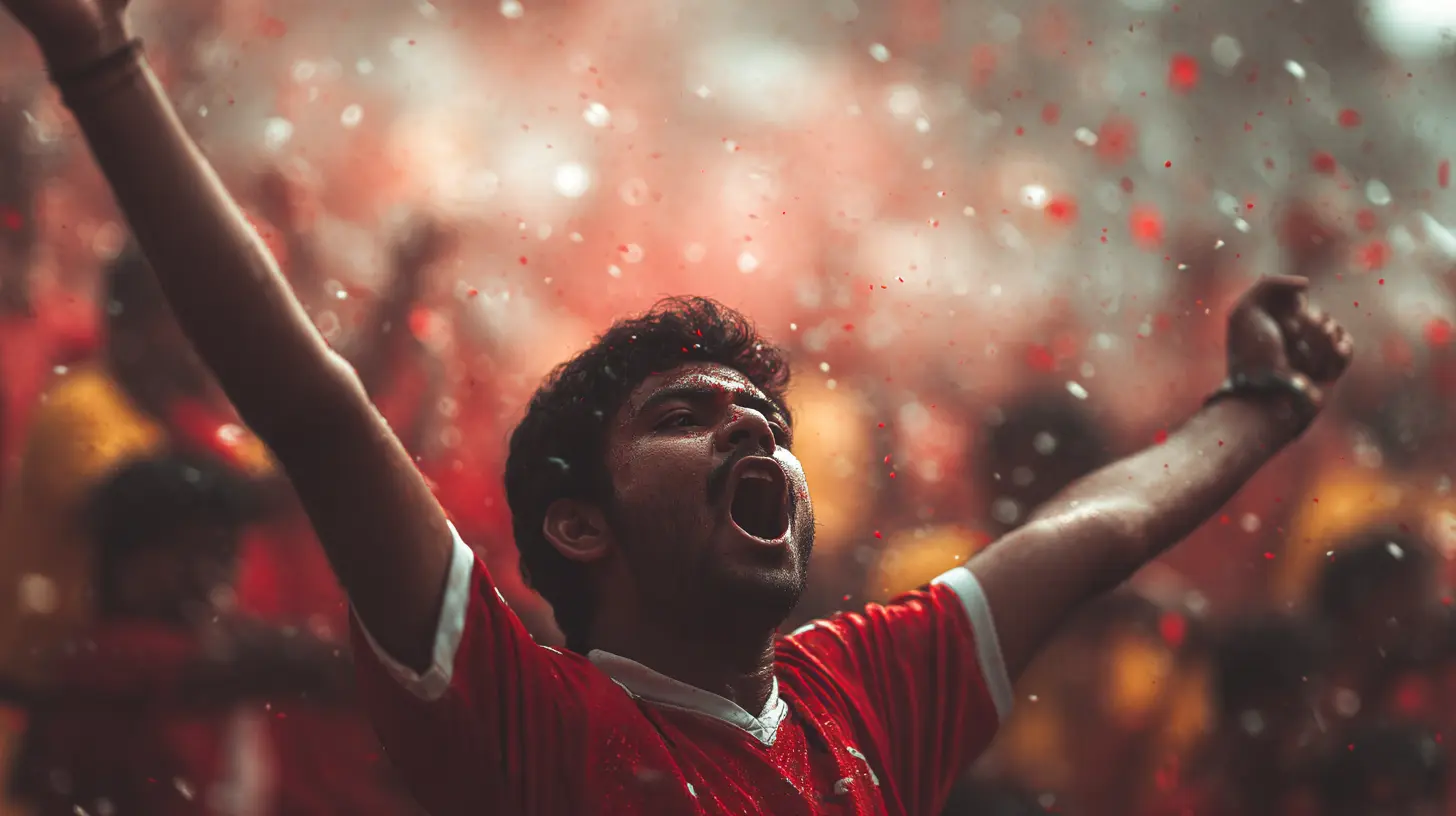
The word gets thrown around loosely. Let us define it properly. A superfan in 2027 is someone who:- Has deep, current knowledge of their team, league, or sport, including roster moves, tactical trends, and historical context.
- Participates consistently in a fan community, online or offline, in a way that adds value rather than noise.
- Attends games, watch parties, or events with regularity, within their means.
- Maintains emotional investment without letting it destroy their relationships or mental health.
- Adapts to how fandom itself has changed, including streaming fragmentation, name, image, and likeness deals, and the rise of athlete-driven media.
Notice what is missing. There is no requirement to own 40 jerseys. There is no requirement to fight strangers on the internet. There is no requirement to spend money you do not have. Superfandom is about depth, not volume.
Why the Rules Changed
Three forces reshaped fandom between the early 2020s and 2027.First, media fragmentation. Games are spread across streaming platforms, regional networks, and direct-to-consumer apps. Following a team now requires a budget spreadsheet and a tolerance for blackouts. The fan who knows where to watch is already ahead of the fan who just complains about it.
Second, athlete empowerment. Players control their own narratives through podcasts, newsletters, and social channels. The superfan who follows the person, not just the logo, gets context that traditional broadcasts never provide. This is a genuine advantage. It also means you have to be careful about parasocial attachment. Following an athlete's daily life does not make you their friend.
Third, community economics. Fan communities have become monetized. Paid Discord servers, Patreon tiers, and subscription newsletters are everywhere. Some are excellent. Some are grifts. A 2027 superfan needs the judgment to tell the difference.

The Five Pillars of Modern Superfandom
Think of superfandom as a structure with five load-bearing pillars. Remove one and the whole thing wobbles.1. Knowledge
You need to know the sport, not just your team. Tactical literacy separates the fan who yells "shoot" from the fan who understands why the shot was not there. This does not require a coaching license. It requires curiosity.Practical steps: read one long-form tactical breakdown per week. Listen to a podcast hosted by former players or analysts, not just hot-take artists. Learn the salary cap rules or transfer regulations for your league. Understand the draft, the waiver wire, or the promotion and relegation system.
Why it matters: knowledge changes how you experience a game. You stop reacting to outcomes and start reading processes. That is more satisfying and it makes you a better conversationalist in any fan space.
Common mistake: confusing volume of information with understanding. Memorizing every stat does not mean you understand the game. Synthesis beats recall.
2. Presence
Presence means showing up, physically or digitally, in a consistent way. It does not mean attending every game. It means being a recognizable part of the community.Options and trade-offs:
- Season tickets. Best for local fans with stable income. High cost, high reward. You build real friendships in your section. The downside is you feel obligated to attend even when you are exhausted.
- Partial plans. A smart middle ground. You get the biggest games without the full-season commitment. Less community continuity.
- Watch parties and supporter groups. Cheapest path to belonging. You get atmosphere and camaraderie without ticket prices. Downside is you are not in the building, which matters to some people.
- Online communities. Works for fans in remote areas or different time zones. Downside is the risk of toxicity and doomscrolling.
Best practice: pick one primary space and one secondary space. Primary is where you are known. Secondary is where you lurk and gather information. Spreading yourself across ten platforms produces shallow engagement everywhere.
3. Voice
Every superfan eventually develops a voice. That could be a podcast, a newsletter, a meme account, a YouTube channel, or simply being the person in the group chat who always has the good take.Here is the honest trade-off. Creating content raises your profile and deepens your engagement. It also invites harassment, burnout, and the temptation to chase engagement over substance. Before you start, ask yourself: do I want to create, or do I want attention? The first is sustainable. The second will hollow you out.
If you do create, pick a lane. Tactical analysis, historical deep dives, prospect scouting, salary cap breakdowns, and humor are all viable. Being generically "passionate" is not a lane. It is a fog.
4. Community
Fandom is a team sport played by spectators. The lone wolf fan is a myth. Even the most independent analyst benefits from a trusted circle.Build your circle deliberately. Find three to five people whose takes you respect, even when you disagree. Follow them. Talk to them. Avoid the trap of surrounding yourself with people who only validate you. That is how echo chambers form and how bad opinions harden into identity.
When to step back: if a community makes you angrier than it makes you happy, it is not a community. It is a stressor. Leave. You can love the team and hate the group chat.
5. Sustainability
This is the pillar everyone ignores until they crash. Superfandom is a long game. The fan who is still engaged in 2037 will beat the fan who burns out in 2028.Sustainability covers money, time, and emotion.
Money: set an annual fandom budget. Include tickets, streaming subscriptions, merch, travel, and content subscriptions. If you cannot afford the playoff run, do not buy the playoff tickets on credit. The memory is not worth the interest.
Time: cap your daily fandom consumption. Two hours is plenty for most people. If you are watching every game, every podcast, and every press conference, you are not a superfan. You are an unpaid employee.
Emotion: learn to separate your identity from results. Your team losing does not make you a loser. Your team winning does not fix your life. Fans who blur that line are the ones who send vile messages to athletes after a bad game. Do not be that person.

The 2027 Superfan Toolkit
Tools do not make the fan, but they remove friction. Here is what actually matters.Streaming and Access
The biggest practical headache in modern fandom is figuring out where to watch. My advice: before you commit emotionally to a team, check the broadcast situation. If your local team is locked behind a regional network you cannot get, you have three choices. Pay for the service, use a legal out-of-market package if available, or accept radio and highlights. Do not pretend illegal streams are a long-term plan. They are unstable, unsafe, and they undercut the ecosystem you claim to love.Data and Analytics
You do not need to be a spreadsheet wizard. You do need to know where to look. Public analytics sites, league stat pages, and reputable tracking data providers give you more context than any broadcast. The skill is not collecting numbers. It is knowing which numbers matter for your sport and which are noise.Example: in basketball, raw plus-minus can mislead over small samples. In soccer, expected goals tells you about chance quality, not about who deserved to win. In baseball, batting average is a starting point, not a conclusion. Learn the limits of each metric before you cite it in an argument.
Content and Community Platforms
Discord servers, subreddits, group chats, and niche forums each have a different culture. Lurk for two weeks before posting. Read the rules. Notice who the respected voices are. Every community has its own norms and violating them marks you as an outsider fast.Newsletters are underrated. A good paid newsletter often delivers more insight in ten minutes than an hour of sports talk radio. The trade-off is cost. If you subscribe to five, you are paying for a lot of overlapping coverage. Pick two.

Common Misconceptions That Wreck New Superfans
Let us clear the air.Misconception one: Superfans must be negative to be credible. Wrong. Cynicism is easy and it is boring. The best fans are demanding but fair. They criticize constructively and they give credit when it is due.
Misconception two: More merch equals more devotion. Merch is a signal, not a substance. A person in a plain t-shirt who knows the farm system is a better fan than a person in head-to-toe gear who cannot name the starting lineup.
Misconception three: You have to hate the rival to love your team. Rivalry adds spice. Obsession adds poison. If your fandom is mostly about the other team, you are not a fan of yours. You are a fan of hating.
Misconception four: Superfandom is a young person's game. Not true. Supporter groups, season ticket holders, and community organizers skew across all ages. The only thing that matters is energy and consistency.
Misconception five: You need to be at every game. Attendance is one form of presence. It is not the only one. A fan who watches every game from a different continent and contributes to a community is fully legitimate.
A Realistic Roadmap for 2027
Here is how to build this over twelve months without losing your mind.Months one to three: Foundation. Pick your team and your sport. Learn the roster, the schedule, the cap rules, and the history. Join one community and stay quiet. Watch more games than you post about them.
Months four to six: Presence. Attend something. A game, a watch party, a supporter group meetup. Introduce yourself. Learn names. Start contributing to the community in small ways, like a thoughtful comment or a well-sourced stat.
Months seven to nine: Voice. Start whatever you want to start. A blog, a podcast, a newsletter, a meme page. Keep it small and consistent. Publish on a schedule you can maintain for a year, not a schedule that impresses people for a month.
Months ten to twelve: Refine. Look at what worked. Cut what did not. Check your budget. Check your mood. If fandom feels like a second job with no pay, scale back. If it feels like the best part of your week, you are doing it right.
When to Pull Back
Superfandom has a dark side and pretending otherwise is dishonest. Warning signs that you need to dial it down:- You are angry more days than not during the season.
- You are spending money you need for rent or savings.
- You are neglecting sleep, work, or relationships.
- You are sending hostile messages to athletes or other fans.
- You feel empty after a win instead of happy.
None of these make you a bad person. They make you a person who needs a break. Step back for two weeks. Mute the accounts. Skip the podcasts. You will come back sharper.
The Bottom Line
Becoming a superfan in 2027 is not about proving anything to anyone. It is about building a relationship with a sport that gives you more than it takes. Knowledge, presence, voice, community, and sustainability. Get those five right and you will be the fan people actually want to talk to, the one who makes the game better for everyone around them.Start small. Stay consistent. And for the love of the game, learn the salary cap before you argue about trades.
all images in this post were generated using AI tools
Category:
Fan EngagementAuthor:

Everett Davis