Title Fights and Turning Points: The Heavyweight Bout of 2026
23 September 2026
Heavyweight boxing has always carried a strange weight of its own. A single punch can erase a decade of dominance, and a single night can redefine a division for years. That is why the heavyweight bout of 2026 matters far beyond the two men who will eventually trade leather in the center of the ring. It matters because heavyweight title fights are less about belts and more about eras. They mark the moment when one story ends and another begins, often before anyone inside the arena fully understands what they are watching.
This article is not a prediction piece built on rumors about a specific date, venue, or signed contract. Too much of that content ages badly and confuses speculation with reporting. Instead, this is a structural analysis of how the 2026 heavyweight title picture is likely to take shape, what the real turning points will be, and how fans, analysts, and bettors should think about a fight of this magnitude before it happens. The goal is to give you a framework you can apply whether the matchup is announced next month or six months from now.
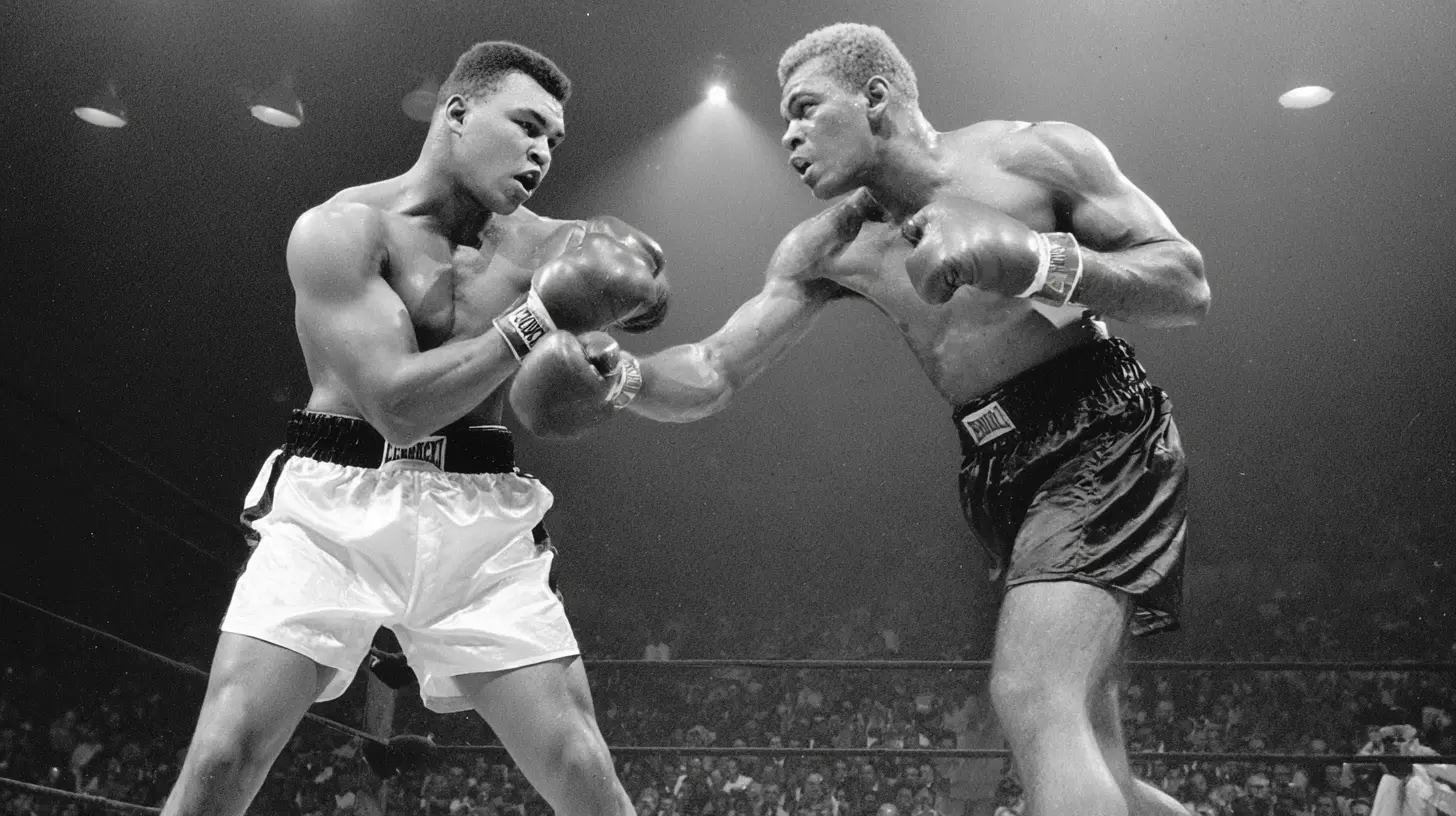
Why the 2026 Heavyweight Title Fight Is a Structural Event, Not Just a Matchup
Most fights are matchups. Two styles collide, one wins, everyone moves on. A heavyweight title fight in this particular era is different because it sits at the intersection of several forces that have been building for years.First, the division has spent the better part of a decade cycling through a small group of elite names. That kind of concentration creates familiarity, and familiarity changes how fights are made and sold. When the public has seen the same top fighters for years, a new title fight is no longer just about who is better on the night. It becomes about legacy, timing, and whether the division can produce a genuinely new standard-bearer.
Second, the physical profile of the modern heavyweight has shifted. The days of the 220-pound bruiser who relied purely on power are largely gone at the elite level. Today's top heavyweights tend to be bigger, more athletic, and more skilled in footwork and defensive movement than their predecessors. This changes the math of a title fight. Power still ends nights, but the ability to control distance and pace often decides them.
Third, the business layer has become inseparable from the sport layer. Broadcast deals, regional markets, and sanctioning body politics all influence when a title fight happens and who gets the opportunity. Ignoring that reality produces naive analysis. Acknowledging it produces useful analysis.
The 2026 heavyweight title fight, whatever its final form, will be a structural event. It will tell us which of these forces won out.
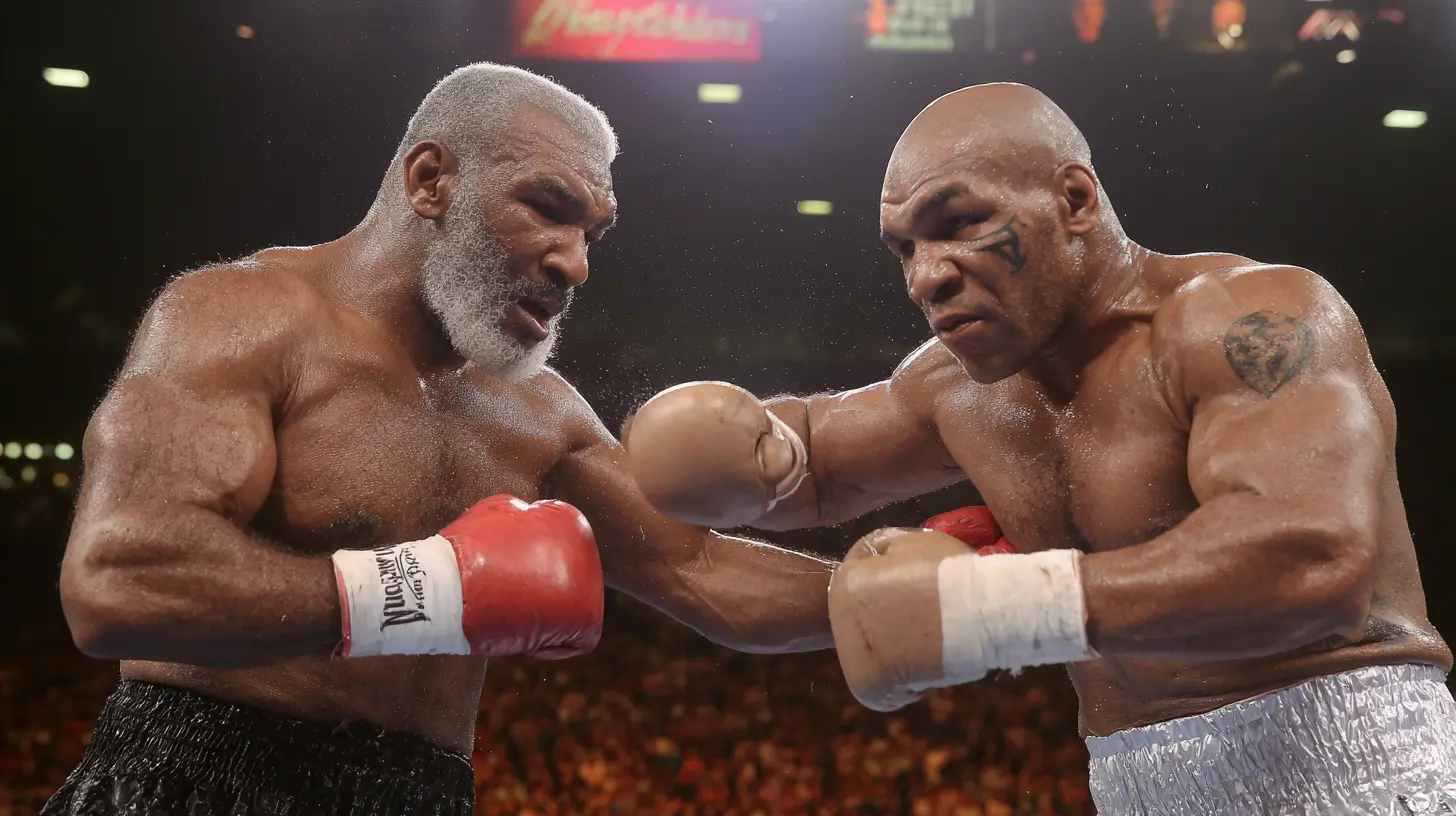
The Turning Points That Actually Decide Heavyweight Title Fights
Fans love to talk about the knockout. Analysts know the knockout is usually the last chapter of a story that was written in the first three rounds. Turning points in heavyweight title fights tend to fall into a few recurring categories, and understanding them is more useful than memorizing punch statistics.The First Clean Exchange
Heavyweight fights are often decided psychologically in the opening two minutes. The first time both fighters land cleanly, something shifts. One man learns whether his opponent's power is real or manageable. The other learns whether his own chin and composure hold up under fire. That exchange rarely appears on a highlight reel, but it sets the tone for everything that follows.Watch for who initiates that exchange and who absorbs it. A fighter who walks through the first hard shot and immediately answers is sending a message that shapes the rest of the fight.
The Mid-Round Adjustment
Between rounds three and six, elite heavyweights make adjustments that casual viewers miss. A fighter who was circling left suddenly starts circling right. A fighter who was doubling the jab begins feinting it and throwing the right hand behind it. These adjustments are where championship experience shows.The fighter who adjusts first usually controls the middle of the fight. The fighter who adjusts second often wins the late rounds, which matters enormously on the scorecards.
The Stamina Cliff
Heavyweight title fights are long enough for conditioning to become a weapon. Somewhere in the second half, one fighter's output drops. The jab stops returning to the guard. The feet stop moving. When that happens, the fight changes shape entirely.This is why cardio is not a secondary attribute at heavyweight. It is a primary one. A heavyweight who can maintain technique and output into the championship rounds is a different kind of problem than one who relies on early power.
The Corner and the Cut
Never underestimate the influence of the corner and the cutman. A well-timed instruction between rounds can rescue a fight. A poorly managed cut can end one. In a title fight, these details are magnified because the margin between winning and losing is often a single round on a single scorecard.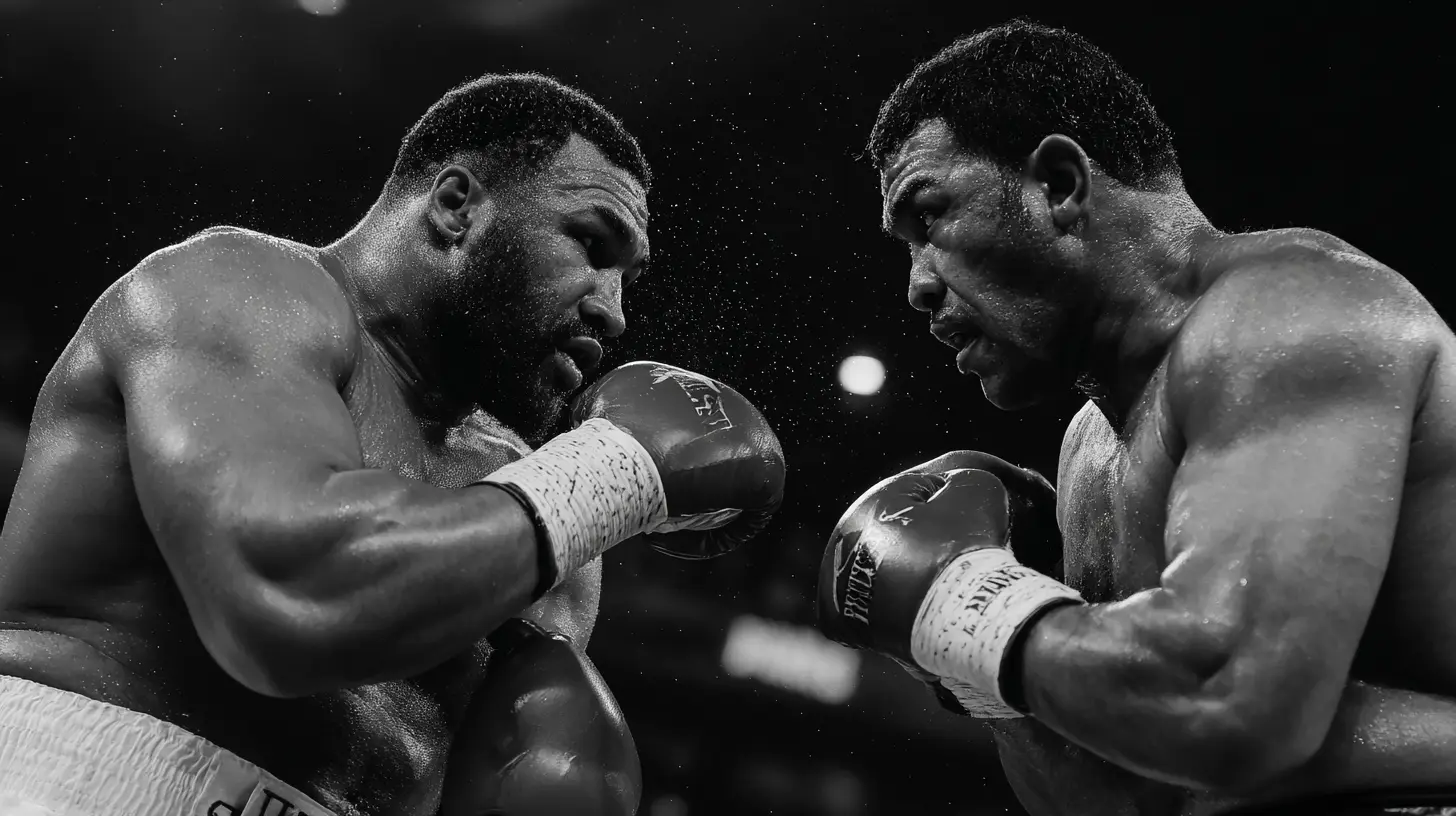
Styles Make Fights: The Matchups That Could Define 2026
Without inventing a specific signed bout, we can still analyze the style archetypes that are likely to be involved in the 2026 heavyweight title picture. Each archetype carries its own advantages and risks.The Pressure Power Puncher
This fighter walks forward, cuts the ring, and looks to land a fight-ending shot. The advantage is obvious. The disadvantage is that pressure fighting at heavyweight is exhausting, and it leaves a fighter open to counters.When it works: against opponents who retreat in straight lines and cannot clinch effectively.
When it fails: against movers who pivot, use angles, and make the pressure fighter reset constantly.
The Athletic Boxer-Mover
This fighter uses footwork, length, and timing to control distance. He wins rounds by landing clean and avoiding exchanges. The advantage is that he can bank rounds early. The disadvantage is that he can be drawn into a war if his opponent is willing to take punishment to close the gap.When it works: against slower opponents who need to set their feet to throw.
When it fails: against fighters who can cut the ring and land body shots that slow the legs.
The Technical Counterpuncher
This fighter waits, reads, and punishes mistakes. He is often the most frustrating opponent in the division because he makes others look bad. The advantage is efficiency. The disadvantage is that judges sometimes reward aggression over accuracy, especially in close rounds.When it works: against reckless opponents who overcommit.
When it fails: against disciplined fighters who refuse to lead and force the counterpuncher to initiate.
The Hybrid
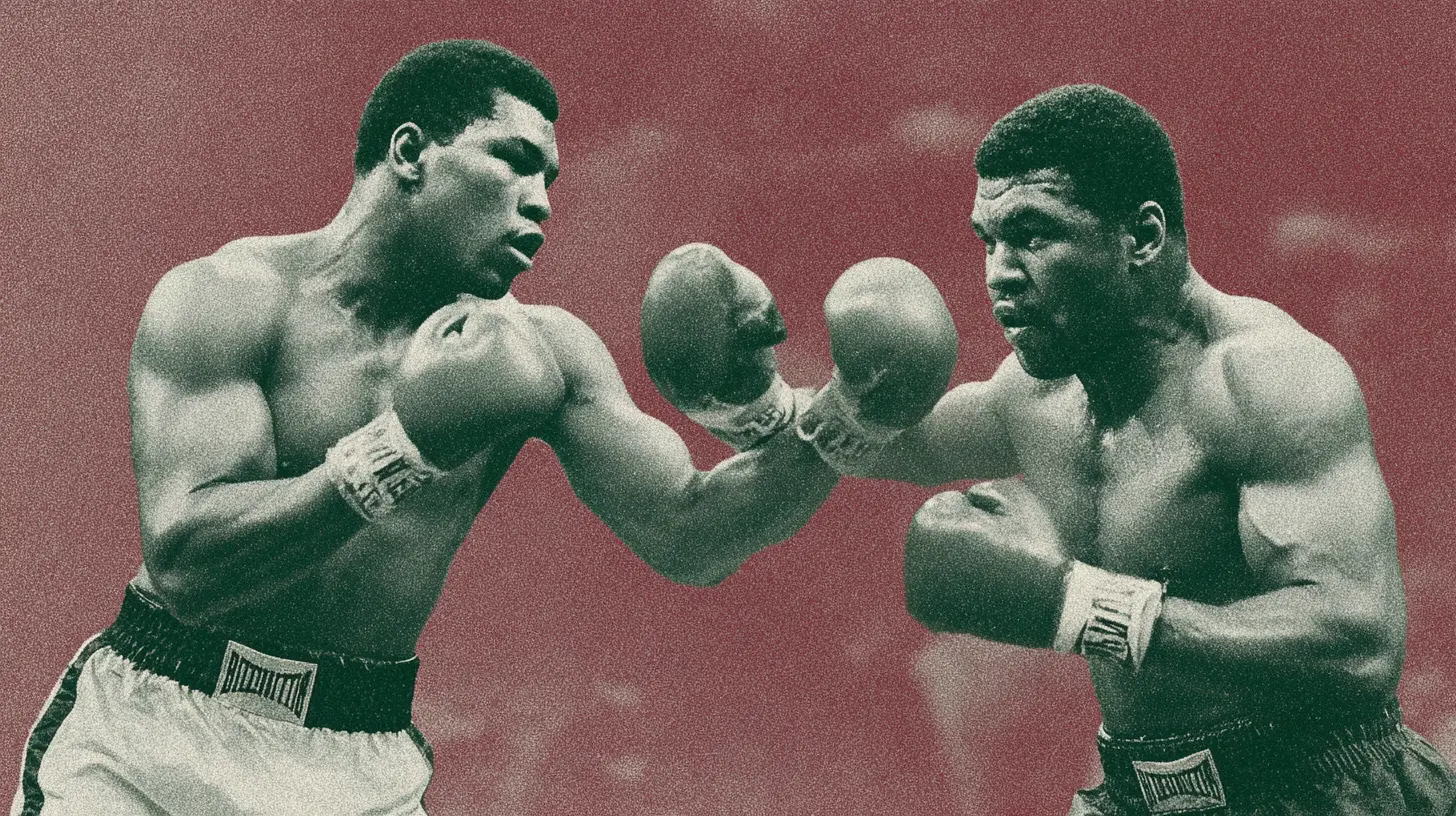
The most dangerous heavyweight in any era is the hybrid, the fighter who can box, move, and punch. These fighters are rare because the skill set is difficult to develop at that size. When one appears, the division usually reshapes around him.The 2026 title picture will likely be decided by which of these archetypes is best represented at the top and how well each fighter has patched the holes in his game.
Common Mistakes in Analyzing Heavyweight Title Fights
Even experienced fans fall into predictable traps when breaking down a heavyweight title fight. Avoiding these mistakes will make your analysis sharper.Overweighting the Last Performance
A fighter's most recent fight is the easiest data point to remember, which is exactly why it is dangerous. One impressive knockout can inflate expectations. One sluggish decision can unfairly lower them. Form matters, but it must be weighed against the full body of work and the specific matchup.Ignoring the Weight Cut and Camp
Heavyweights do not cut as much weight as lower divisions, but camp quality still matters enormously. A disrupted camp, an injury, or a late opponent change can erase technical advantages. This information is often unavailable before the fight, which is why smart analysts treat it as an unknown rather than assuming peak preparation.Confusing Size With Effectiveness
Being bigger is not the same as being better. Reach and mass matter only if a fighter knows how to use them. A shorter heavyweight with better leverage and timing can neutralize a taller opponent who does not know how to keep the fight at range.Trusting Scorecards Blindly
Judges are human. They reward visible aggression, they are influenced by crowd noise, and they sometimes value the wrong things. Understanding how a fight is likely to be scored is part of understanding the fight itself.How to Prepare for a Heavyweight Title Fight: A Practical Framework
If you want to analyze the 2026 heavyweight title fight with real depth, use a structured approach rather than reacting to hype.Step 1: Map the Archetypes
Identify which style each fighter represents and how those styles interact. Ask yourself who controls distance, who controls pace, and who controls the clinch.Step 2: Identify the Likely Turning Point
Based on the archetypes, predict where the fight will shift. Will it be early power, mid-round adjustment, or late stamina? Having a hypothesis keeps you from being swept up in the moment.Step 3: Track the Adjustments
During the fight, watch for the first meaningful adjustment. Note who made it and how the other fighter responded. This is usually more informative than the punch counts.Step 4: Evaluate the Scorecards Honestly
Score each round based on clean, effective punching and ring control, not on who looked busier. This discipline will improve your read on close fights.Step 5: Separate the Result From the Story
A fighter can win and still reveal weaknesses. A fighter can lose and still show improvement. The result matters, but the story matters more for what comes next.
What the 2026 Heavyweight Title Fight Will Tell Us About the Division
A title fight is a snapshot, but it is also a forecast. The 2026 heavyweight title fight will reveal several things about where the division is heading.It will show whether the current generation of heavyweights has fully solved the conditioning problem that plagued earlier eras. It will show whether athletic movers or pressure punchers hold the advantage in the modern ruleset. It will show whether the business of boxing can produce the fights fans actually want or whether politics continues to delay them.
It will also show us who the next contenders are. Title fights create stars, but they also create opportunities for the fighters waiting in the wings. The undercard, the post-fight callouts, and the immediate rankings shuffle will shape the next two years of the division.
Frequently Asked Questions
When will the 2026 heavyweight title fight take place?
The exact date depends on negotiations between the fighters, their promoters, and the sanctioning bodies. Historically, major heavyweight title fights are announced several months in advance, often tied to a major broadcast event. Until an official announcement is made, any specific date is speculation.Who is favored to win?
Favoritism depends on the specific matchup, current form, and betting markets. Rather than relying on a single favorite, analyze the style interaction and the likely turning points. That approach will serve you better than a fixed prediction.Why do heavyweight title fights feel different from other divisions?
The stakes are higher because one punch can end the fight at any moment. That unpredictability creates drama, but it also makes analysis harder. Heavyweight title fights combine power, size, and psychology in a way few other divisions can match.How important is the venue?
Venue matters more than most fans realize. Altitude, ring size, and crowd composition can influence pace and strategy. A larger ring favors movers. A smaller ring favors pressure fighters. Altitude affects stamina. These are real variables, not excuses.
Final Thoughts
The heavyweight bout of 2026 will be more than a fight. It will be a convergence point for years of division-building, business maneuvering, and athletic evolution. The fighter who wins will not simply be the one who lands the hardest shot. He will be the one who understood the turning points before they arrived, adjusted faster than his opponent, and managed the physical and mental demands of a title fight at the highest level.For fans and analysts, the value is in the process. Study the archetypes. Track the adjustments. Respect the unknowns. When the bell rings, you will see the fight differently than most people watching, and that is the entire point.
all images in this post were generated using AI tools
Category:
Historic MatchesAuthor:

Everett Davis