Understanding the Different Types of Swim Equipment and Their Uses
27 October 2025
If you’ve ever stepped into a swim gear shop or scrolled through an online swimming store, you know how overwhelming it can be. Fins, kickboards, paddles, pull buoys—what even are all these things and why are there so many? Are they all necessary, or are some just bells and whistles?
Whether you're just dipping your toes into swimming or looking to take your training to the next level, this guide will break down the different types of swim equipment and, more importantly, how they can actually help you. Swim gear isn’t just flashy accessories—it’s your toolbox for building strength, technique, and confidence in the water.
Let’s dive in, shall we?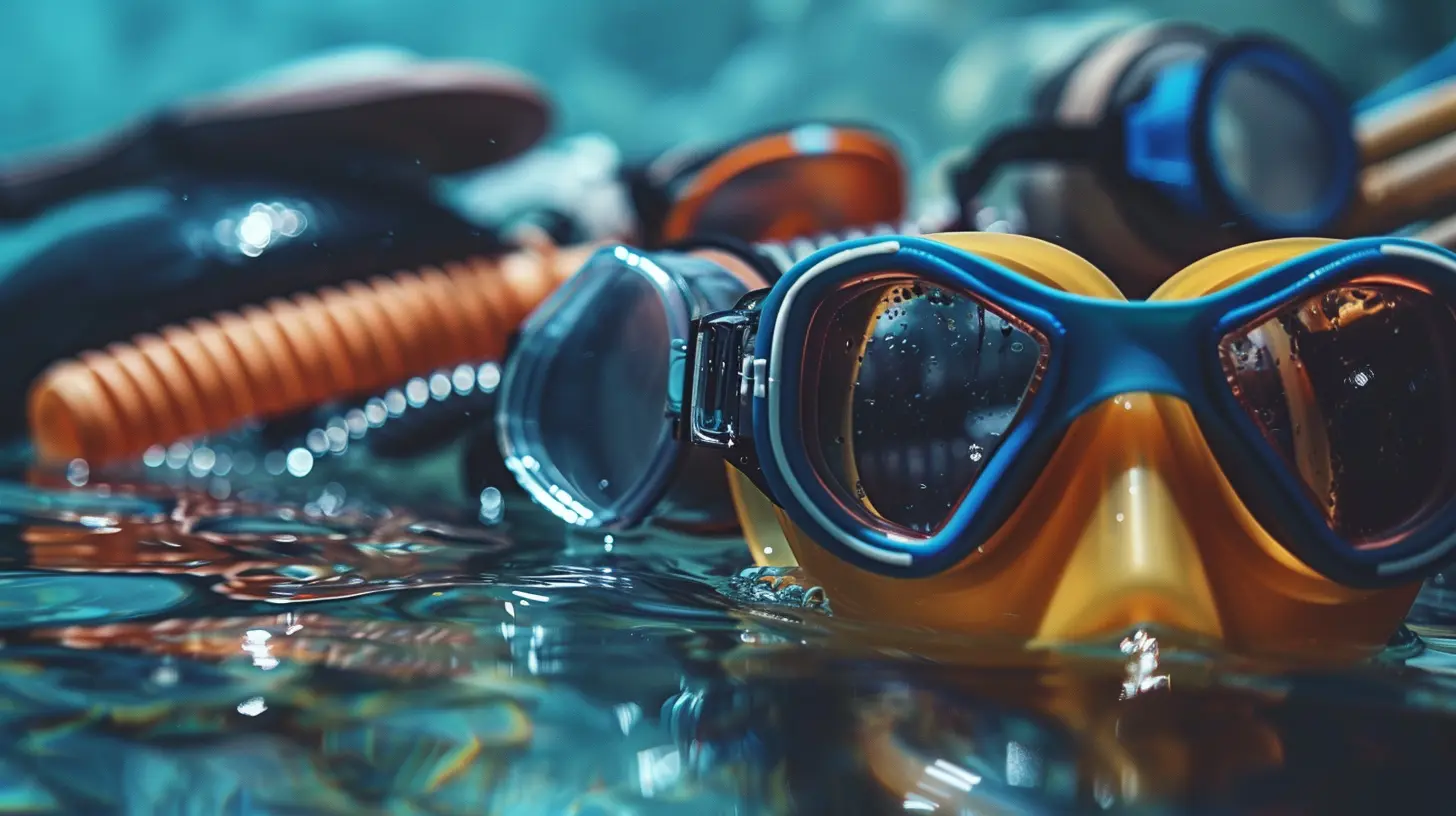
Why Use Swim Equipment at All?
Before we get into the nitty-gritty of each item, let’s talk about why swim equipment matters. Training tools aren’t just for elite swimmers—they’re for anyone who wants to swim better. Gear helps isolate specific areas of your body, improves your technique, and makes workouts more effective (and fun).Ever tried to swim without using your legs? Sounds weird, but with the right gear, you can—and it’ll teach your arms a thing or two about pulling. Swim equipment is all about intentional training. Think of it like using dumbbells at the gym: targeted, purposeful, and totally worth it.
1. Swim Fins – Speed With a Purpose
Let’s kick things off (literally) with one of the most popular tools out there: swim fins.What They Are
Fins are basically flippers for your feet. They're available in various sizes and stiffness levels. The longer, more flexible fins are great for beginners, while shorter, stiffer ones are popular among competitive swimmers.What They Do
- Build leg strength: You'll feel the burn in your glutes, quads, hamstrings, and calves.- Improve ankle flexibility: Essential for an efficient flutter kick.
- Increase speed: Zoom past your lane mates and feel the thrill.
- Reinforce proper kicking: Forces you to keep your legs straight and compact.
When to Use Them
Perfect for kick sets, sprint sets, or when you want to focus on your stroke technique without tiring out too soon.💡 Pro Tip: Don’t overuse them—relying too much on fins can make your natural kick lazy. Use them sparingly and with intention.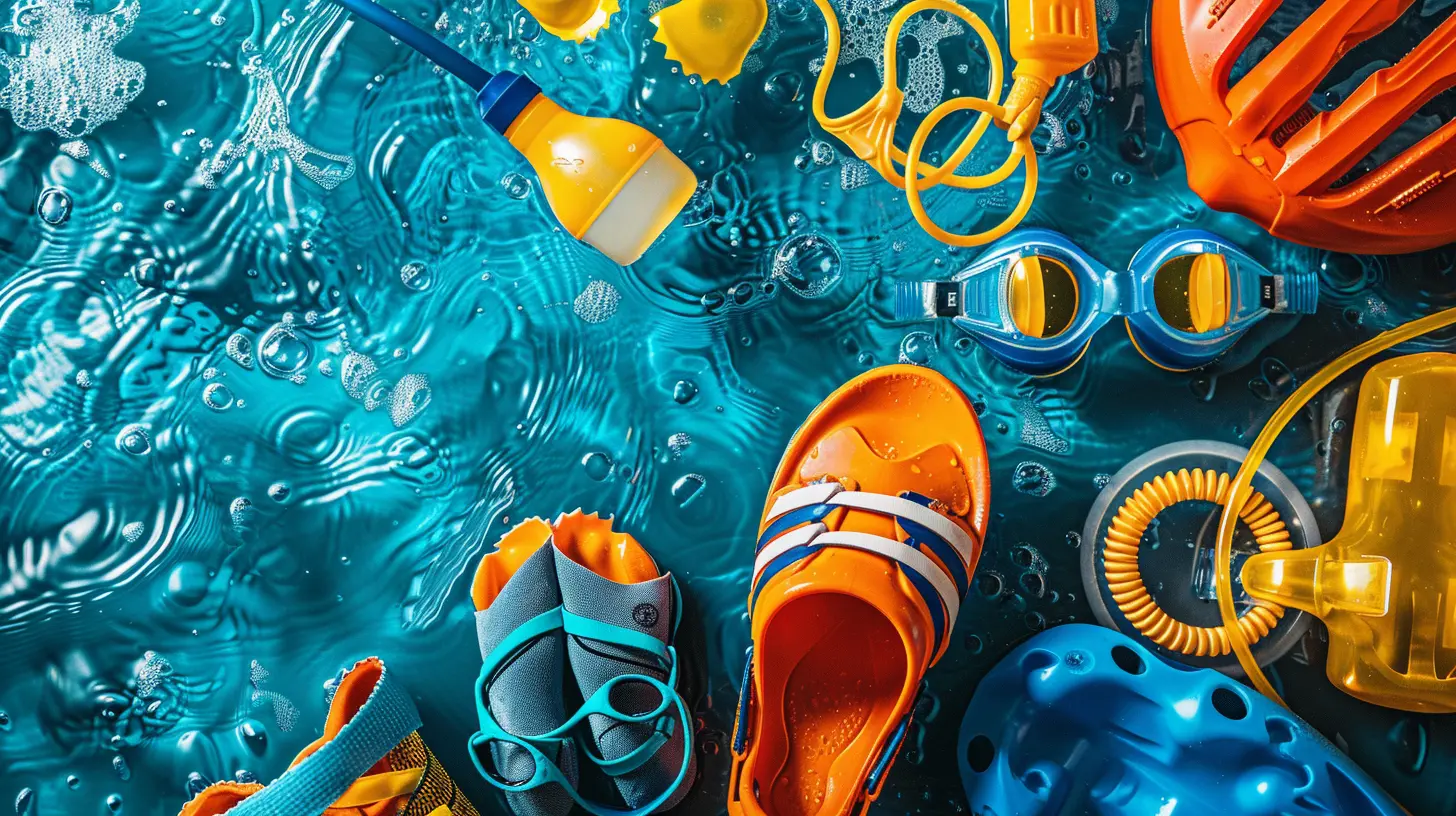
2. Kickboards – Not Just for Beginners
Kickboards often get a bad rap as beginner tools, but trust me, even Olympians use them.What They Are
A kickboard is a rigid floating board you hold onto while isolating your legs for kicking drills.What They Do
- Isolate the lower body: Takes your arms out of the equation.- Improve kicking technique: Forces you to focus on the motion.
- Build endurance: Extended kick sets without arm fatigue.
When to Use Them
Use kickboards during warm-ups or targeted leg sets. They’re also great for technique-focused days or recovery sessions.💡 Pro Tip: Don’t grip the board too tight—keep your shoulders relaxed to avoid strain.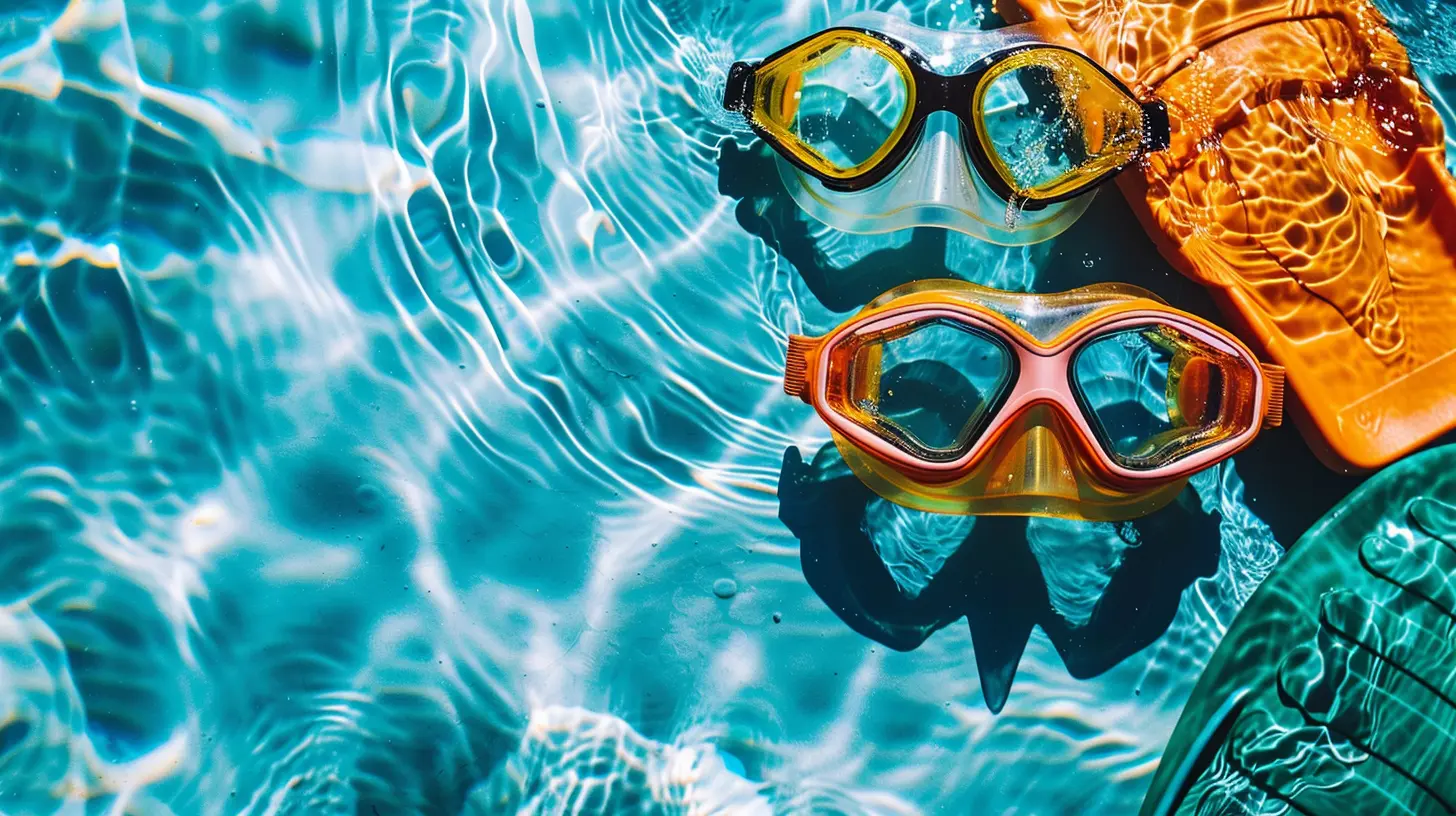
3. Pull Buoys – Arm Day in the Water
Pull buoys are like the secret sauce for improving your upper body strength and refining your stroke.What They Are
These buoyant foam items go between your thighs to keep your legs afloat, letting you focus solely on your arms.What They Do
- Isolate arm movement: Takes the kick out of the equation.- Improve body position: Helps lift the hips and maintain streamline.
- Build upper body strength: Your arms do all the heavy lifting.
When to Use Them
Ideal for pull sets or technique drills when you want to emphasize arm mechanics and breathing patterns.💡 Pro Tip: Don’t overuse it, or your kick may suffer later. Balance is key.
4. Hand Paddles – Feel the Water (and Resistance)
If you’re ready to add some power to your pull, hand paddles can make a splash—literally.What They Are
Flat, often plastic paddles that strap to your hands, increasing surface area and resistance in the water.What They Do
- Build strength: Your arms and shoulders work harder to pull.- Improve technique: Any errors in your hand entry or pull phase are amplified, making them easier to notice.
- Enhance “feel for the water”: You become more aware of how and where your hands move.
When to Use Them
Use hand paddles sparingly and only once you’ve nailed the basics of a good stroke. Ideal for short, powerful bursts—not long, drawn-out sets.💡 Pro Tip: Start with smaller paddles to avoid shoulder strain.
5. Snorkels – Breathing Made Easy
Sounds weird to wear a snorkel in the pool, right? But swimmers use them for a totally different reason.What They Are
A center-mounted snorkel that sits comfortably in front of your face, allowing you to breathe without turning your head.What They Do
- Let you focus on technique: Removes the distraction of breathing.- Promote balance and alignment: Keeps your head still.
- Great for drills: Especially useful when working on body position or arm mechanics.
When to Use Them
Perfect for technique-focused swims, drills, or when correcting body alignment.💡 Pro Tip: Pair with fins for a smooth, streamlined swim when practicing form.
6. Swim Caps – Not Just for Style
They may look like a fashion statement, but swim caps are more functional than fabulous.What They Are
Caps made from latex, silicone, or lycra worn to cover your hair and streamline your head.What They Do
- Reduce drag: Shaves seconds off your time.- Keep chlorine off your hair: Not a full barrier, but it helps.
- Hold goggles in place: Especially when diving or flip-turning.
When to Use Them
Always in the pool. Many pools also require them, especially if you have long hair.💡 Pro Tip: Silicone caps are more durable and comfortable than latex.
7. Goggles – Your Underwater Eyes
No one likes red, itchy eyes after a swim. That’s where goggles come in.What They Are
Protective eyewear for the pool, available in many shapes, sizes, and tint levels.What They Do
- Protect your eyes: Chlorine and saltwater are harsh on sensitive eyes.- Improve visibility: See the wall, your lane, and your fellow swimmers.
- Assist in technique: Good vision helps you maintain straight lines and better turns.
When to Use Them
Every swim, without fail.💡 Pro Tip: Anti-fog sprays and proper storage go a long way in keeping your goggles usable for the long haul.
8. Swim Parachutes and Drag Suits – Resistance Training 101
Want to add some serious resistance to your training? These tools aren’t for the faint of heart.What They Are
- Parachutes: Small nylon parachutes attached to a belt that drag behind you.- Drag suits: Extra-baggy swimwear creating water resistance.
What They Do
- Build strength: More resistance = more muscle work.- Increase endurance: You’ll tire quicker, but that’s the point.
- Slow you down: Forces better stroke mechanics under pressure.
When to Use Them
Great for sprint sets, interval training, or when you’re plateauing and need a push.💡 Pro Tip: Don’t use these every day—they’re intense. Think of them as “training wheels with weights.”
9. Tempo Trainers – Timing Is Everything
Think of these as your metronome for swimming.What They Are
Waterproof devices you clip onto your goggles or place under your swim cap that beep at regular intervals.What They Do
- Control stroke rate: Helps you maintain a consistent rhythm.- Avoid overgliding or rushing: Keeps your tempo on track.
- Improve pacing: Especially useful for distance swimmers.
When to Use Them
Ideal for swimmers who struggle with inconsistent stroke tempo or race pacing.💡 Pro Tip: Start by matching your natural stroke rate, then adjust small increments for gains.
10. Swim Socks and Gloves – For Cold Water or Extra Feel
More niche, but still useful depending on your environment.What They Are
Neoprene socks and gloves designed for open water swimming or cold pools.What They Do
- Keep extremities warm: Especially helpful in cold water.- Add resistance: Gloves can increase surface area like paddles.
When to Use Them
Any time you're swimming in cold water or want to experiment with resistance.💡 Pro Tip: Be cautious with gloves—they can strain your shoulders if used too much.
Final Thoughts: Choose Wisely, Train Smart
So, do you need all this gear to be a good swimmer? Absolutely not. But the right tools can skyrocket your progress when used correctly. Think of swim equipment as supplements to your training—not replacements for good technique or hard work.Pick a few essentials based on your goals. Want to build stronger kicks? Grab fins and a kickboard. Looking to sharpen your stroke? Try a pull buoy and snorkel combo. Just remember, gear should enhance your swim—not do the work for you.
And hey, don’t be afraid to experiment! What works for one swimmer might not work for another. Find your rhythm, mix things up, and keep it fun.
all images in this post were generated using AI tools
Category:
SwimmingAuthor:

Everett Davis
Discussion
rate this article
1 comments
Kenzie McConkey
Swim gear: because who doesn't want to glide through water like a mermaid instead of a concrete block?
November 4, 2025 at 11:43 AM
Everett Davis
Absolutely! Swim gear enhances your performance and comfort, helping you move effortlessly through the water.