What the NHL Is Doing to Prevent Long-Term Injuries by 2026
18 April 2026
Hockey is a fast-paced, adrenaline-pumping sport that captivates millions of fans worldwide. With its thrilling goals, bone-crushing checks, and high-speed skates, it’s no wonder that the NHL has a dedicated following. But amid all the excitement, there’s a darker side to the game: injuries. Long-term injuries can sideline players for entire seasons and tarnish their careers. That's why the NHL is taking proactive steps to prevent these injuries by 2026. Let’s dive into what the league is doing, how it’s evolving, and why it matters to fans and players alike.

Understanding the Injury Landscape in the NHL
Before we jump into the NHL's initiatives, it’s essential to understand the types of injuries players often face. Hockey players are susceptible to various injuries, from concussions and fractures to soft tissue injuries. These injuries can stem from high-speed collisions, falls, and even the wear and tear that comes with a grueling season.The Concussion Crisis
Concussions have become a hot topic in sports lately, and hockey is no exception. Players like Sidney Crosby and Eric Lindros have had their careers impacted by these invisible injuries. The NHL is acutely aware that concussions can lead to long-term cognitive issues, making them a priority in injury prevention strategies.Physical Toll of the Game
The physical demands of hockey are intense. Players endure heavy hits, frequently engage in fights, and have to maintain peak physical condition throughout the season. This can lead to chronic injuries that may not be apparent until years later. The NHL recognizes that the longevity of a player’s career depends on their physical well-being, prompting them to adopt measures aimed at safeguarding players’ health.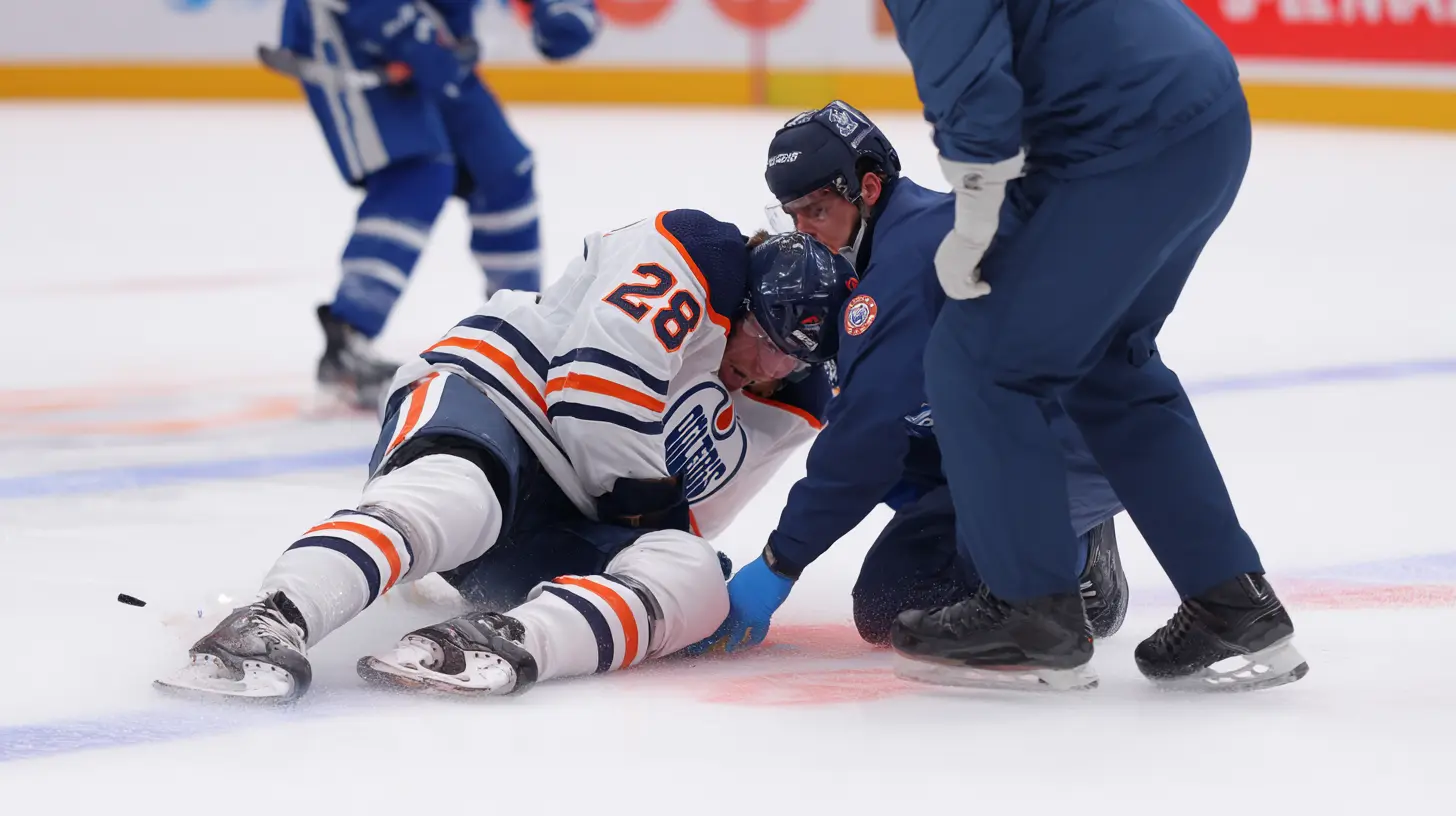
NHL's Initiatives for Injury Prevention
So, what exactly is the NHL doing to tackle the issue of long-term injuries? Let’s break down some of the key initiatives and strategies being implemented by the league.1. Innovative Technology in Equipment
The NHL has been stepping up its game in terms of technology. Think of it as equipping players with the latest gadgets to enhance their safety. The league is collaborating with equipment manufacturers to develop safer helmets, padding, and skates designed to minimize the impact of hits and falls.Smart Helmets
One exciting innovation is the development of smart helmets. These helmets are embedded with sensors that can detect impacts and assess the likelihood of a concussion. When a player takes a hit, the helmet sends data to the medical staff, allowing them to evaluate the situation in real-time. Imagine a world where players can be pulled from the game before they even know they’re hurt!2. Enhanced Training Programs
Training regimens are evolving, focusing not only on performance but also on injury prevention. Teams are investing in specialized training programs that emphasize strength and conditioning, flexibility, and balance. It's like turning the players into superheroes!Pre-Season Assessments
Pre-season assessments are becoming standard practice, ensuring that players are in optimal physical condition before hitting the ice. These assessments help identify any pre-existing conditions that could lead to injuries. It’s all about being proactive rather than reactive!3. Improved Medical Protocols
The NHL's medical protocols are undergoing a significant overhaul. The league is committed to ensuring that players receive the best medical care possible. This includes having concussion specialists on-site during games and improved protocols for evaluating injuries.The Role of Spotters
Another critical aspect is the introduction of independent spotters in the stands. These individuals are trained to identify potential concussion symptoms from a distance. If they see a player who may be exhibiting signs of a concussion, they can alert the team's medical staff. It's like having a guardian angel watching over the players!4. Rule Changes for Safety
The NHL isn’t afraid to tweak its rules to enhance player safety. Over the years, several rule changes have been introduced to minimize dangerous plays that could lead to injuries.Elimination of Dangerous Hits
One notable rule change is the increased penalties for hits to the head and other dangerous plays. The league has taken a firm stance against these actions, aiming to protect players from unnecessary harm. Think of it as the NHL saying, “We’ve got your back!”5. Education and Awareness Programs
Education plays a crucial role in injury prevention. The NHL is actively promoting awareness programs aimed at educating players, coaches, and even fans about the risks of injuries, particularly concussions.Workshops and Seminars
Teams are organizing workshops and seminars where experts discuss the latest findings on injuries and prevention techniques. This is where knowledge transforms into action, empowering everyone involved in the game to prioritize safety.6. Focused Research Initiatives
The NHL is funding research into long-term injuries and their effects. By collaborating with medical institutions and universities, the league aims to uncover new insights into player health and safety.Collaboration with Experts
This research includes studying the long-term effects of repeated head injuries, which is crucial for developing better preventive measures. The more we know, the better we can protect these athletes.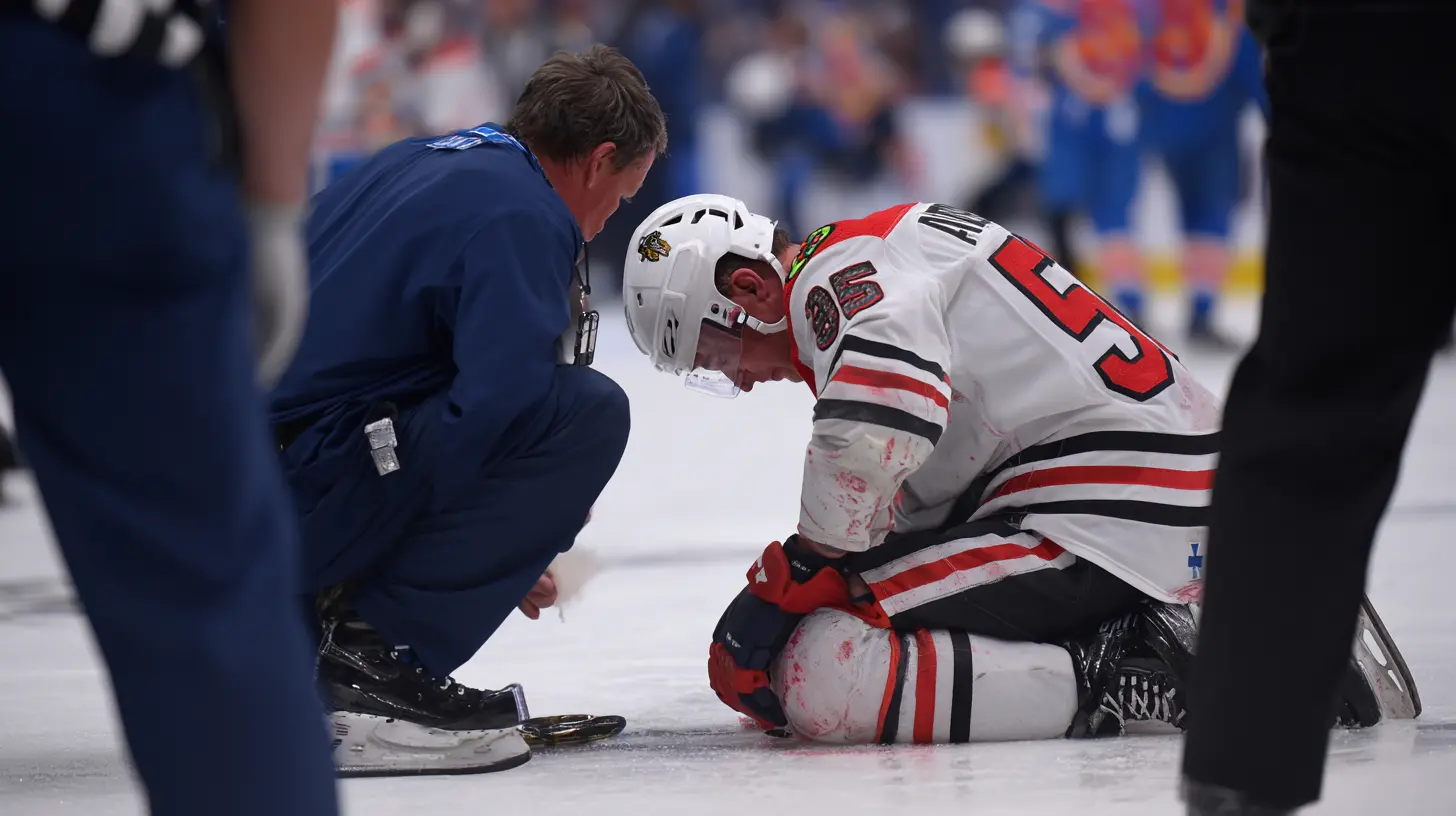
The Player Perspective: Why It Matters
For players, the initiatives being rolled out by the NHL aren't just about the game—it's also about their lives after hockey. Long-term injuries can have a significant impact on a player's quality of life, affecting everything from mobility to mental health.The Importance of a Healthy Career
Imagine dedicating your life to a sport, only to face health issues that limit your ability to enjoy everyday activities post-retirement. The NHL's focus on injury prevention is a game-changer for players. It allows them to play the sport they love while reducing the risk of debilitating injuries that could haunt them later in life.Players Speaking Out
Many players have begun to voice their support for the league's initiatives. Stars like Alex Ovechkin and Connor McDavid have spoken candidly about the importance of player safety, emphasizing that a healthy player is a happy player. When the players themselves are champions of these measures, it sends a powerful message to everyone involved in the sport.
The Fan Perspective: A Safer Game to Enjoy
As fans, we all want to see our favorite players thrive on the ice, but we also want them to be safe. The NHL’s commitment to injury prevention is crucial for maintaining the integrity of the game and the well-being of the athletes we admire.Cheering for Health
When we watch games, we want to cheer for our teams without worrying about the potential for severe injuries. The NHL's proactive measures help to create a safer environment on the ice, allowing fans to enjoy the action without the nagging fear of injuries. It’s like a breath of fresh air!Building Trust
By prioritizing player safety, the NHL is building trust with fans. We want to know that our favorite players are being taken care of and that the league is doing everything possible to keep them safe. This trust fosters a stronger connection between fans and the sport, making every game a memorable experience.Looking Ahead: What to Expect by 2026
With all these initiatives in place, what can we expect from the NHL by 2026? The league aims to create a culture of safety that permeates every level of the game—from youth leagues to the professional ranks.A Safety-First Mindset
The goal is to foster a safety-first mindset among players, coaches, and fans. Imagine a future where every player is educated about injuries and their prevention, leading to a dramatic reduction in long-term injuries across the board. That’s a future worth cheering for!Continuous Improvement
The NHL is committed to continuous improvement. As new research emerges and technology advances, the league will adapt its strategies to ensure the best possible outcomes for players. It’s all about staying ahead of the curve!Strengthening the Community
By 2026, the NHL aims to strengthen its community by promoting player health and safety. This initiative is not just about the players; it's about everyone involved in the sport. Fans, families, coaches, and players will all be part of a larger conversation about safety and health in hockey.
Conclusion: A Safer Game for All
The NHL's commitment to preventing long-term injuries by 2026 is a significant step forward for the sport. From innovative technology and improved medical protocols to education and research, the league is taking a multifaceted approach to ensure player safety. This commitment not only benefits the players but also enhances the experience for fans, creating a healthier, safer game for everyone involved.As we look ahead, let’s remember that every initiative taken to protect players is a step toward preserving the integrity of the sport we all love. Here’s to a future where we can enjoy the thrill of hockey while knowing that players are well-protected both on and off the ice!
all images in this post were generated using AI tools
Category:
Injury UpdatesAuthor:

Everett Davis
Discussion
rate this article
2 comments
Taryn Wallace
As the NHL prioritizes player safety, it confronts a pivotal challenge: balancing the sport's physicality with long-term health. This commitment not only reshapes the future of hockey but also reflects a broader societal responsibility to redefine success—one that values well-being over the adrenaline of the game. Change is essential.
April 27, 2026 at 12:58 PM
Everett Davis
Absolutely, it's a crucial balance. Prioritizing player health is vital for the sport's future and its integrity. Embracing change will lead to a safer, more sustainable game.
Valeria McLaury
The NHL's proactive measures to mitigate long-term injuries by 2026 showcase a significant shift towards player safety. By prioritizing research, enforcing stricter protocols, and enhancing equipment standards, the league acknowledges the long-term health implications of the sport. This commitment not only protects athletes but also promotes the integrity of hockey.
April 18, 2026 at 12:11 PM
Everett Davis
I appreciate your insights. It's encouraging to see the NHL taking these steps to prioritize player safety and well-being. This could lead to a much healthier future for the sport.