Which Teams Are Most Likely to Start the 2026 Season Undefeated
24 November 2026
As we look ahead to the 2026 sports season, the question of which teams are most likely to start undefeated is a tantalizing one. The anticipation builds not only from the excitement of new rosters and coaching strategies but also from the unpredictability of sports. This article aims to analyze the factors that contribute to a successful start and identify teams that might have the best chance of achieving an undefeated beginning.

Understanding the Landscape
The Significance of an Undefeated Start
Starting a season undefeated can set the tone for the entire year. It builds momentum, boosts team morale, and often leads to increased fan engagement. An undefeated start can also put pressure on rivals, creating a psychological edge that can be pivotal in tight games. However, it is essential to recognize that an undefeated start, while impressive, does not guarantee long-term success.Factors Influencing an Undefeated Start
A combination of several factors contributes to a team's ability to start the season undefeated:1. Roster Strength: The quality of the players on a team is paramount. Teams with deep rosters often have the advantage of substituting players without losing performance quality.
2. Coaching Strategy: Effective coaching can maximize player potential and create game plans that exploit opponents' weaknesses.
3. Preseason Preparation: Teams that utilize the offseason effectively through training camps and friendly matches often have a head start.
4. Schedule Difficulty: The strength of the opponents faced in the early part of the season can significantly impact the likelihood of an undefeated start.
5. Injury Management: Teams that effectively manage player health and avoid injuries can maintain performance levels throughout the early season.

Analyzing Potential Teams
Team A: The Defending Champions
Defending champions often carry momentum into the new season. If they retain most of their core players and have a strong coaching staff, they are likely to be favored in early matchups. For example, if Team A finished the previous season with a strong record and made minimal changes to their roster, they could be poised for another strong start.Key Considerations
- Retention of Key Players: Keeping star players healthy and engaged is crucial. Any offseason trades or injuries can disrupt team chemistry.- Motivation Levels: Champions often face the challenge of maintaining motivation. How they handle the pressure of being favorites is essential.
Team B: The Rising Contender
Teams that have been building toward contention often have the potential for a strong start. If Team B has made strategic acquisitions or has young talent stepping up, they could surprise opponents in the early weeks.Key Considerations
- Youth and Energy: Young players can bring fresh energy and unpredictability. However, they may also lack experience in high-pressure situations.- Coaching Changes: A new coach can mean new strategies, which can either lead to early success or initial struggles as players adjust.
Team C: The Veteran Squad
Teams with a mix of seasoned veterans and promising newcomers can often find a balance that leads to early victories. If Team C has a strong leadership group, they may navigate the early season challenges more effectively than others.Key Considerations
- Experience in Close Games: Veteran players can help guide the team through tight situations, which is crucial in the early part of the season.- Depth of Knowledge: A well-rounded understanding of the game can help in making quick adjustments during matches.
Team D: The Dark Horse
Every season has its surprises, and Team D might just be that dark horse with the potential for an undefeated start. If they have a favorable schedule and a few standout performances, they could catch opponents off guard.Key Considerations
- Underestimated Talent: A team that is not widely regarded may have players who can outperform expectations, leading to unexpected wins.- Schedule Advantages: If Team D faces weaker opponents early in the season, they could build confidence and momentum.

Evaluating the Schedule
Importance of Schedule Analysis
An often-overlooked aspect of starting undefeated is the schedule. Teams with a favorable early schedule, including weaker opponents or home games, can significantly increase their chances of starting strong.Home vs. Away Games
Home games typically provide a significant advantage due to familiar surroundings and fan support. Conversely, away games can be challenging, especially in hostile environments. Analyzing the balance of home and away games in the early season can provide insights into potential outcomes.Opponent Strength
Understanding the strength of early opponents is critical. A team facing multiple top-tier opponents in the first few weeks may struggle to remain undefeated. Conversely, a team that faces a series of rebuilding squads may capitalize on those matchups.
Psychological Factors
The Mental Game
Starting the season undefeated requires mental fortitude. Teams that can handle the pressure of expectations often perform better. Conversely, teams that struggle with anxiety or self-doubt may falter.Building Confidence
Confidence can be a self-fulfilling prophecy. Teams that start strong often build on that success, while those that struggle may find it hard to break out of a losing mentality.The Role of Team Chemistry
Team chemistry plays a crucial role in how players perform together. New acquisitions can disrupt established dynamics, while a cohesive unit often excels. Teams that spend time building relationships and understanding each other's playing styles are more likely to start strong.Common Mistakes to Avoid
Overlooking the Basics
Teams sometimes focus too much on advanced strategies and overlook fundamental skills. A strong start often comes down to executing the basics well.Ignoring Injuries
Failing to manage player health can be detrimental. Teams that do not prioritize injury prevention may find themselves struggling early in the season.Underestimating Opponents
Complacency can lead to unexpected losses. Teams must respect every opponent, regardless of their perceived strength.
Best Practices for Teams
Focus on Team Development
Investing in team development, both on and off the field, can pay dividends. This includes fostering a supportive environment and encouraging open communication among players.Emphasize Preseason Training
A well-structured preseason can set the foundation for success. Teams should prioritize conditioning, skill development, and team-building activities.Adaptability
Being adaptable is crucial in sports. Teams that can adjust their strategies based on their opponents and game situations are more likely to succeed.Conclusion
As we look forward to the 2026 season, several teams stand out as potential candidates for an undefeated start. Factors such as roster strength, coaching strategies, schedule analysis, and psychological resilience all play significant roles in determining a team's success. While no outcome is guaranteed, understanding these elements can help fans and analysts alike make educated predictions.In the end, the pursuit of an undefeated start is a complex interplay of talent, preparation, and mindset. As the new season approaches, it will be fascinating to see which teams rise to the occasion and which narratives unfold.
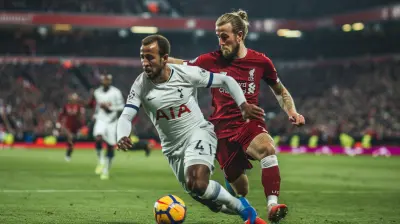
all images in this post were generated using AI tools
Category:
Game PredictionsAuthor:

Everett Davis