Why Some Teams Are Willing to Overpay for Free Agents
12 July 2026
Free agency in sports is always a fascinating spectacle to witness. Every year, teams throw around massive contracts for players, often paying way more than what seems rational. Fans scratch their heads, analysts debate the logic, and critics call out the overpays. But if overpaying for free agents is such a bad strategy, why do teams keep doing it?
The truth is, sports franchises don’t just throw money around without a reason. There’s a method to the madness, even if it doesn’t always work out. In this article, we'll break down the reasons why teams are willing to overpay for free agents and whether it’s a smart investment or just reckless spending. 
The Scarcity Effect: When Options Are Limited, Prices Go Up
One of the biggest reasons teams overpay free agents is simple: supply and demand. In every sport, only a handful of elite-level free agents are available each offseason. If a team desperately needs a game-changing player, they don’t have endless options.Think about it like house hunting—if there’s only one house in the exact location you want, and five other buyers are also interested, guess what? The price skyrockets. The same thing happens in free agency. Teams that need specific skills often have no choice but to bid against competitors, ultimately driving up the price. 
The Win-Now Mentality: Desperation Leads to Big Spending
Some franchises can afford to be patient and build through the draft. Others? Not so much. Teams in "win-now" mode often feel pressured to sign high-profile players, even if it means overpaying.Imagine a team that’s one or two pieces away from a championship. The front office knows the window for winning a title is small—maybe a star player is aging, or key contracts are expiring soon. In those cases, overpaying a free agent might be the difference between winning now or rebuilding for years to come.
Look at teams that aggressively chase free agents when they have a chance to compete. They may not care about a bad contract five years down the road if it means a title today. It’s all about maximizing the present, even if the future suffers. 
Fan Expectations and Business Considerations
At the end of the day, sports is still a business. Keeping fans engaged, selling tickets, and grabbing media attention are essential for a team’s success. Signing a big-name free agent—even at an inflated cost—gets people talking.A huge signing can boost merchandise sales, drive season ticket renewals, and fill stadiums. Fans love seeing their team make aggressive moves, even if they don’t always pan out. Sometimes, overpaying is as much about making a statement as it is about improving the roster.
Think about how teams sell jerseys the moment a superstar player joins them. That financial boost alone can justify an expensive signing. Even if the contract turns bad in a few years, the immediate excitement and revenue spike often make it worthwhile. 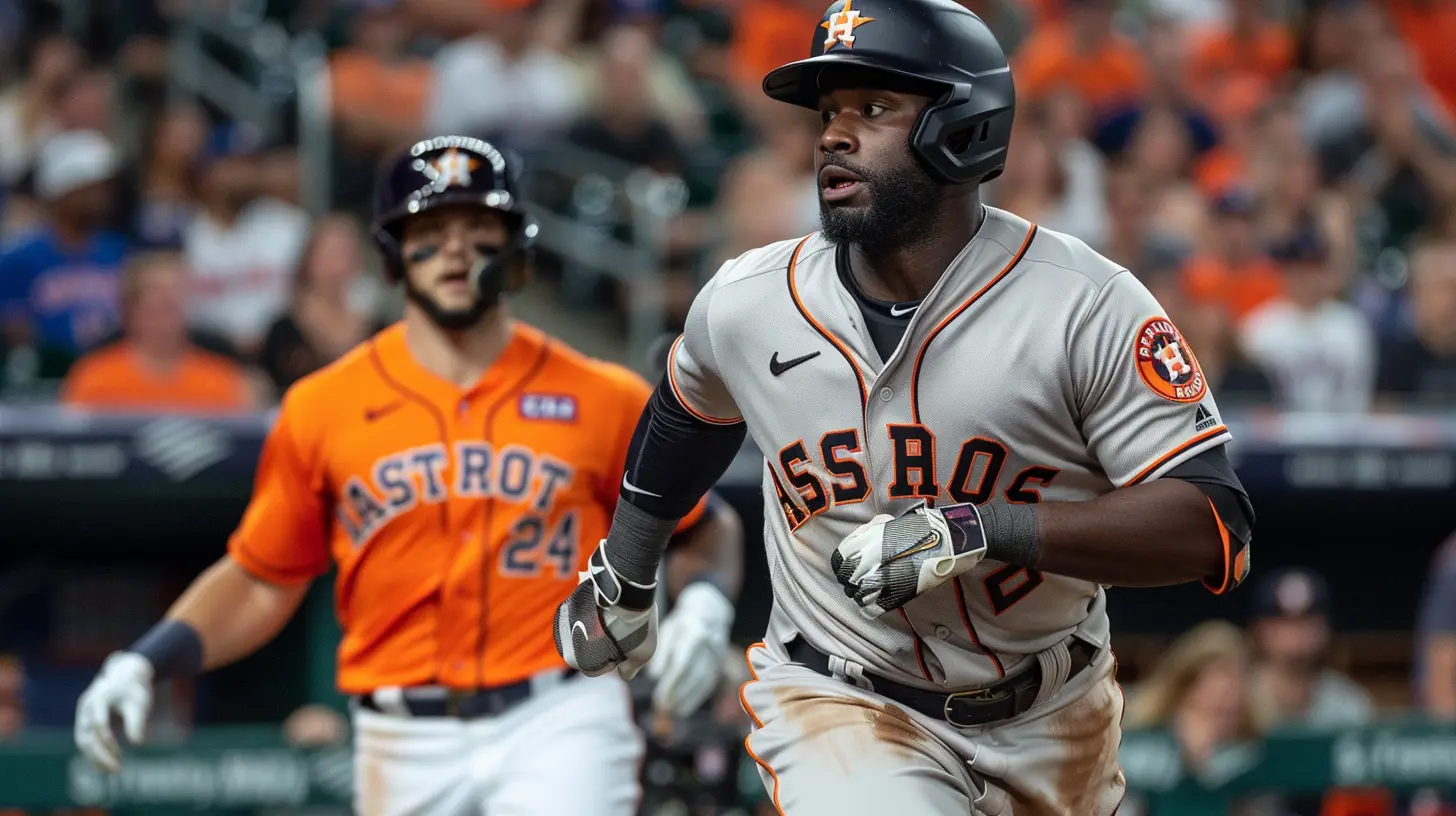
The Power of Star Players: Talent Wins Games
It’s easy to say, "That player isn’t worth that kind of money." But in professional sports, elite talent is irreplaceable. Superstars change games, sell tickets, and bring a team closer to championship contention.Sure, depth matters, and role players are crucial. But at the end of the day, teams need stars to win big. When a rare talent hits free agency, teams have no choice but to dig deep into their pockets.
History has shown that great players can elevate teams in ways statistics don’t always capture. Whether it’s leadership, experience, or game-changing moments, these players can be worth every penny—at least in the short term.
The Fear of Missing Out (FOMO)
One of the biggest psychological traps in free agency is FOMO—the fear of missing out. If a team sees a top free agent on the market, the fear of letting them go to a rival can push them to overpay.Nobody wants to be the team that played it safe while a competitor snagged the player who made the difference. Even if overpaying isn’t ideal, losing out on a player who ends up dominating elsewhere is an even worse look.
Front office executives are human, too. They feel the pressure from fans, owners, and even players who want reinforcements. That pressure can lead to desperate bids that drive up contracts well beyond a player's true market value.
The Reputation Factor: Attracting Future Free Agents
Believe it or not, how a team handles free agency can impact its ability to sign players in the future. If an organization develops a reputation for being too cheap or unwilling to spend, top free agents might avoid them altogether.On the flip side, teams that aggressively sign big-name players send a message: "We’re serious about winning, and we pay our guys." That reputation can make a franchise more attractive to future free agents.
Some teams overpay now to build a foundation for future free agency success. They’re making themselves an attractive destination by proving they’re willing to go all-in.
The Influence of Agents and Market Dynamics
Let’s not forget the role of agents in driving up player contracts. Agents are skilled negotiators whose job is to get their clients the best deal possible. They leverage competition between teams to inflate salaries.In many cases, teams aren’t just bidding against their actual competitors—they’re bidding against the imaginary offers that agents create. When a player’s agent convinces multiple teams that there’s a huge market for their client, the price naturally climbs.
And then there’s the salary cap and luxury tax systems, which further complicate things. Teams may be willing to overpay a free agent simply because they have the financial flexibility to do so. If they have the cap space, it’s often a "use it or lose it" situation.
The Risks of Overpaying: When It Backfires
Of course, not every massive free agent contract works out. In fact, many of them turn into financial burdens over time. Injuries, declining performance, and poor team fit can all turn an expensive deal into a nightmare.Teams that overpay often regret it down the line, especially when a player fails to live up to expectations. The worst-case scenario? A franchise gets stuck with a bloated contract that limits future flexibility, making it harder to improve the team in the long run.
Just look at some of the worst contracts in sports history—aging stars who got paid for past performances rather than future potential. Those deals cripple teams and often lead to painful rebuilds.
Conclusion: Is Overpaying Free Agents Worth It?
So, is overpaying for free agents a smart move or a reckless gamble? The answer isn’t black and white.For some teams, it’s a necessary evil. If they’re on the verge of a championship or need to make a statement, spending big might be the only way forward. For others, it’s a ticking time bomb, setting them up for years of financial headaches.
At the end of the day, free agency is a high-stakes game of risk and reward. Some deals work out beautifully, while others become cautionary tales. But as long as there are desperate teams, elite talent, and competitive pressure, overpaying for free agents will always be part of the sports business.
all images in this post were generated using AI tools
Category:
Free AgentsAuthor:

Everett Davis
Discussion
rate this article
1 comments
Denise McEachern
Winning often outweighs financial considerations.
July 17, 2026 at 3:16 AM
Everett Davis
That's true for many teams. The desire to win can drive decisions beyond just money.