Why Squad Depth Is Driving Multi-Player Deals in 2026
12 November 2026
In the fast-paced world of sports, especially in football, having a strong squad depth is no longer a luxury; it's a necessity. As we dive into 2026, the trend of multi-player deals is gaining momentum, driven largely by the need for teams to build robust squads capable of competing on multiple fronts. This article will break down why squad depth is so crucial and how it is influencing the transfer market, especially in the form of multi-player deals.

The Importance of Squad Depth
Understanding Squad Depth
Squad depth refers to the quality and quantity of players available to a team. A team with good squad depth can cope with injuries, suspensions, and fatigue, ensuring that performance levels remain high throughout the season. This is particularly important in leagues where fixtures pile up, such as during domestic cups or international competitions.Why Depth Matters
1. Injury Management: Injuries are part of the game. A team with a deep roster can absorb the loss of key players without a significant drop in performance. For example, during the 2022 World Cup, teams like France showcased their depth by seamlessly replacing injured stars with equally talented substitutes.2. Tactical Flexibility: A diverse squad allows coaches to adapt their tactics based on opponents. Teams can switch formations or styles without losing effectiveness. Think of how Manchester City uses its squad depth to rotate players and maintain high energy levels throughout matches.
3. Player Development: Young players need time to develop, and a deep squad allows for gradual integration. Clubs can afford to give youngsters minutes without risking results. Borussia Dortmund is known for nurturing young talent while still competing at high levels.
4. Mental and Physical Fatigue: Football is a grueling sport. A deep squad helps mitigate the risks of burnout, especially for clubs participating in European competitions. Liverpool's rotation policy under Jürgen Klopp has often been cited as key to their success.
The Shift Toward Multi-Player Deals
As the importance of squad depth becomes more evident, clubs are increasingly pursuing multi-player deals. This trend is not just about acquiring talent but also about building a balanced squad.What Are Multi-Player Deals?
Multi-player deals involve a club acquiring multiple players from another club in a single transaction. This can be beneficial for both parties, allowing teams to offload several players at once while receiving a more substantial return.Why Are They Becoming Popular?
1. Efficiency: Teams can streamline their recruitment processes. Instead of negotiating multiple deals, clubs can secure multiple players in one go, saving time and resources.2. Financial Strategy: Multi-player deals can be financially savvy. Clubs often negotiate better terms when bundling players together. For instance, a club may offer a lower total fee for multiple players, which can be more appealing than paying higher fees for individual transfers.
3. Team Chemistry: Bringing in several players from the same club can enhance team chemistry. Players familiar with each other can integrate more smoothly, reducing the adjustment period.
Real-World Examples
The Chelsea Model
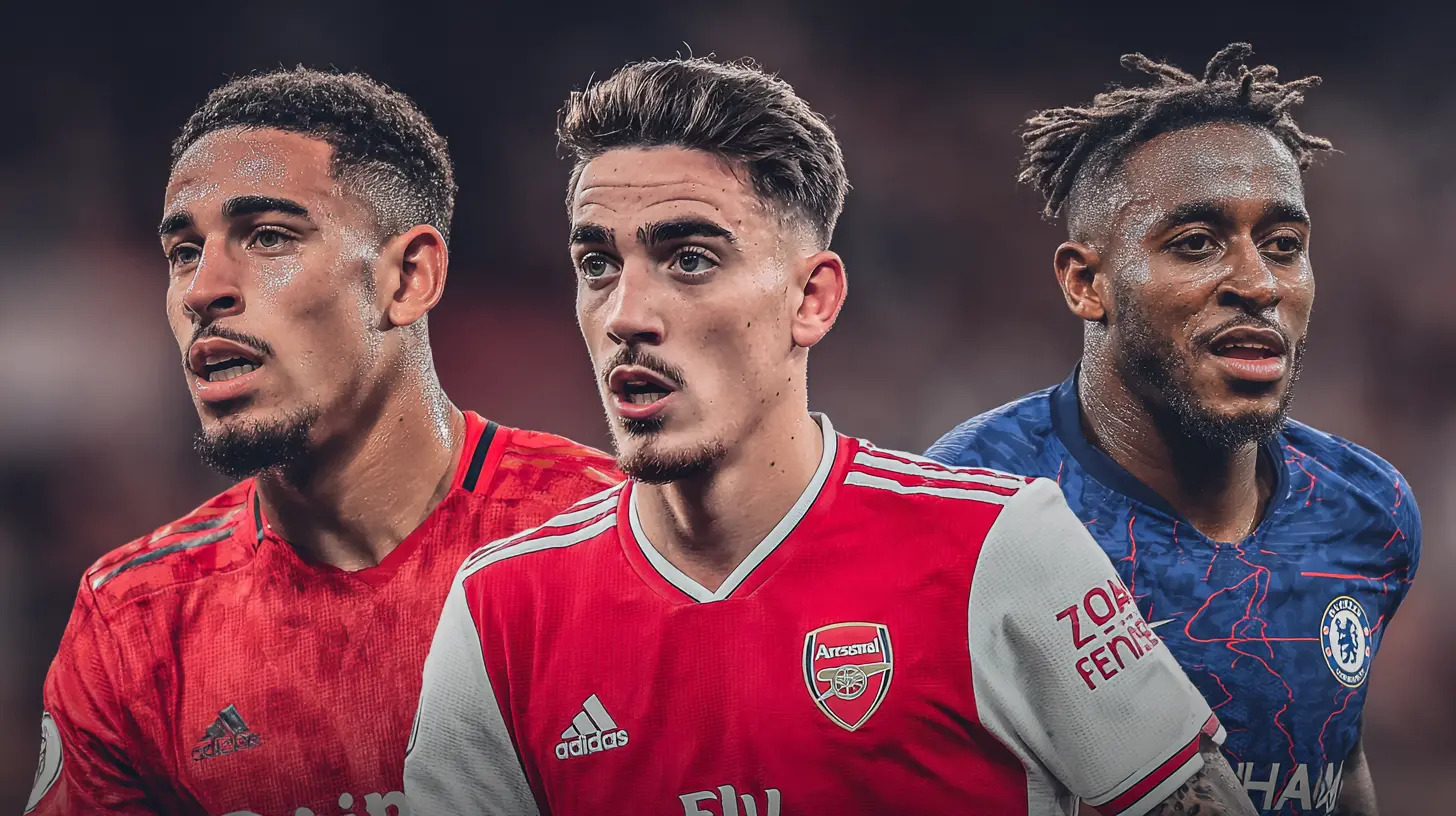
Chelsea has been at the forefront of multi-player deals in recent years. The 2026 transfer window saw them acquire three players from a single club, significantly enhancing their squad depth. This approach not only filled gaps in their lineup but also provided a cohesive unit that had already played together.Barcelona's Strategy
Barcelona has also embraced multi-player deals, especially in their rebuilding phase. By acquiring players from clubs that utilize similar playing styles, they have successfully integrated new talent while maintaining their footballing philosophy.
The Trade-offs of Multi-Player Deals
While multi-player deals can be advantageous, they are not without risks. Understanding these trade-offs is essential for clubs considering this strategy.Advantages
1. Cost-Effective: As mentioned, bundling players can lead to better financial terms.2. Holistic Improvement: Acquiring multiple players can address various positions simultaneously, leading to a stronger overall squad.
3. Reduced Pressure on New Signings: New players can lean on familiar faces, easing the pressure to perform immediately.
Disadvantages
1. Overcrowding: Too many new signings can lead to competition for spots, which may cause friction within the squad.2. Adjustment Period: Even if players are familiar with each other, adapting to a new club environment can take time. If results suffer during this period, it can lead to fan and media scrutiny.
3. Financial Risk: If the players do not perform as expected, the financial outlay can become a burden.
Common Mistakes in Pursuing Multi-Player Deals
Even seasoned clubs can stumble when navigating the complexities of multi-player deals. Here are some common pitfalls to avoid.1. Ignoring Individual Needs
While it's tempting to bundle players, clubs must ensure that each player fits their specific needs. Acquiring players for the sake of quantity can lead to mismatches in team dynamics.2. Failing to Assess Compatibility
Not all players will gel together, even if they come from the same club. It's crucial to evaluate how new signings will fit into the existing squad culture and playing style.3. Neglecting Long-Term Planning
Clubs should consider their long-term strategy when pursuing multi-player deals. Acquiring several players without a clear plan can lead to a bloated squad and future complications.
Best Practices for Multi-Player Deals
To navigate the complexities of multi-player deals successfully, clubs can follow these best practices.1. Thorough Scouting
Clubs should invest in thorough scouting processes to assess not only the players' abilities but also their fit within the squad. This includes understanding their personalities, work ethics, and adaptability.2. Clear Communication
Transparent communication between clubs is vital. Both parties should clearly outline expectations, roles, and financial arrangements to avoid misunderstandings.3. Integration Plans
Clubs should have a clear plan for integrating new players into the squad. This includes tailored training programs and mentorship from established players to help newcomers settle in.4. Monitor Performance
After completing a multi-player deal, clubs should closely monitor the performance of new signings. This allows for timely interventions if issues arise, ensuring that the squad remains cohesive.Conclusion
As we move deeper into 2026, the trend of multi-player deals driven by squad depth will continue to shape the football landscape. Teams that prioritize building a balanced and deep squad will have a competitive edge, allowing them to tackle the rigors of modern football effectively. By understanding the nuances of squad depth and the implications of multi-player deals, clubs can make informed decisions that benefit their long-term success.In this age of football, depth is not just a strategy; it is a way of life. Clubs that embrace this reality will find themselves better positioned to achieve their goals, while those who overlook it may struggle to keep up with the pace of the game.
all images in this post were generated using AI tools
Category:
Player TransfersAuthor:

Everett Davis

